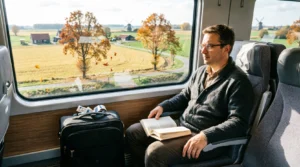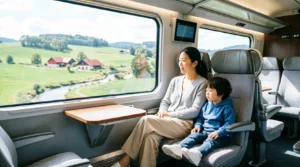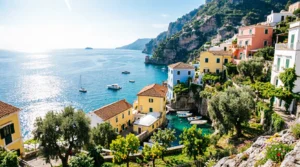
Most travellers return from vacation needing another vacation. We pack five cities into nine days, set alarm clocks earlier than we do for work, and march through museum lines to tick off landmarks we barely have time to observe.
Slow travel is often sold as a romantic, eco-friendly lifestyle reserved for sabbatical-takers, digital nomads, or people with endless time. The reality is far more practical: it is simply a pacing strategy that trades breadth for depth. It means choosing to stay in two places instead of six, taking a regional train instead of a short-haul flight, and leaving entire afternoons unplanned.
Choosing this style of travel requires trade-offs. You will miss famous sights. You will spend time doing mundane things like laundry or grocery shopping in foreign languages. But you will also stop treating your time off like a logistical operation.
Quick Verdict: Is Slow Travel Worth It?
Yes—if you prioritize how a place feels over how many sights you cross off.
Slow travel is best for repeat visitors, tired professionals needing rest, and anyone willing to sacrifice seeing every headline attraction in exchange for genuine cultural connection and lower daily stress.
Skip it if: You have four days in a country you may never visit again and a strict checklist of world-famous monuments you genuinely care about seeing.
The Biggest Trade-Off: You give up the high-volume visual reward of ticking off famous landmarks in exchange for a deeper, quieter understanding of one neighborhood or region.
Quick Facts: Understanding Slow Travel
| Information | Details |
| Ideal Trip Duration | Minimum 7–10 days in a single region (or 3+ nights per base). |
| Budget Impact | Lower daily transit costs; higher savings on weekly accommodation and food. |
| Best Base Locations | Mid-sized cities or large neighborhood hubs outside tourism centres. |
| Primary Transport | Regional trains, local buses, ferries, walking, and cycling. |
What Slow Travel Is Actually Like
Slow travel is not about spending three months in a rural cottage doing nothing. It is an operational decision to slow down your rate of movement.
When you fast-travel, your day is structured by bookings, entry slots, and transit deadlines. You experience a city through its highlight reel—which means you share almost every moment with thousands of other visitors doing the exact same thing.
Slow travel shifts your focal point to daily life. A typical day involves waking up without an alarm, buying bread at a neighborhood bakery where people speak the local language, and choosing one primary activity for the day. The rest of the afternoon is left open to explore residential streets, sit in a park, or read at an outdoor café.
The downside? It can feel uncomfortable at first. Travellers conditioned to constant stimulation often feel a wave of guilt on day two when they realize they aren’t “doing” anything. You will spend hours figuring out local bus schedules or navigating supermarkets. It is less polished than an all-inclusive tour, but infinitely more rewarding if you value autonomy.
What Makes It Worth Your Time and Money
1. Financial Efficiency (The Extended Stay Discount)
Fast travel is expensive because transit and constant short-stay accommodation drain budgets. Moving every two days means paying for multiple long-distance train tickets or point-to-point flights, along with premium prices for single-night hotel stays and three restaurant meals a day.
By staying in one location for 7 to 10 days:
- Accommodation costs drop via weekly apartment rates or guesthouse discounts.
- You save hundreds on regional transit by using multi-day local transit passes instead of high-speed intercity routes.
- Mixing self-catering from local markets with neighbourhood restaurant dining cuts food spending in half without sacrificing quality.
2. Emotional Recovery
Vacation burnout is real. Rushing between train platforms with heavy luggage at 7:00 AM degrades the quality of your time off. Slow travel eliminates constant packing, checking in, checking out, and navigating new hotel rooms every 48 hours.
3. Better Cultural Context
You cannot understand a city when you only interact with hospitality staff at major tourist venues. Staying in a residential neighborhood allows you to observe how local people actually live, work, and spend their leisure time.
Where To Stay: Choosing the Right Base
The biggest mistake slow travellers make is booking accommodation in an isolated rural area without realizing they have no way to move around, or booking in the ultra-touristy historical center where authentic daily life does not exist.
1. The Residential Outer Ring (Best Overall)
- Who it suits: Independent travellers, couples, and long-stay visitors.
- The setup: Neighborhoods located 15–20 minutes by public transit outside the historic core.
- Why it works: You get local bakeries, green grocers, authentic family-run taverns or bistros, and affordable apartment rentals, while retaining easy transit access to major sights when you want them.
2. Secondary Regional Hubs (Best for Exploration)
- Who it suits: Travellers who still want to see sights without changing hotels daily.
- The setup: Mid-sized regional cities with excellent rail connections (e.g., staying in Bologna instead of moving between Florence, Venice, and Rome; or staying in Utrecht instead of Amsterdam).
- Why it works: Lower accommodation costs, fewer crowds, and direct 30-minute train connections to smaller surrounding towns.
What It Really Costs: Fast vs. Slow Travel

Practical budgeting shows how pacing alters where your money goes.
+------------------------+---------------------------------+---------------------------------+
| Cost Category          | Fast-Paced Trip (7 Days)        | Slow Travel Trip (7 Days)       |
+------------------------+---------------------------------+---------------------------------+
| Accommodation          | High ($150–$250/night, 3 places)| Moderate ($90–$140/night, 1 base)|
| Transportation         | High ($200–$400 intercity rail) | Low ($40–$80 local/regional)    |
| Food & Dining          | High (100% tourist restaurants) | Moderate (Markets + local spots)|
| Sightseeing/Activities | High ($200+ stacked entrance)   | Moderate ($50–$100 selective)   |
+------------------------+---------------------------------+---------------------------------+
Current rates and transit tariffs change frequently; always confirm exact prices before booking, but the proportional ratio remains consistent: slow travel reallocates money from transport logistics into personal comfort and better food.
What To Skip And What To Do Instead
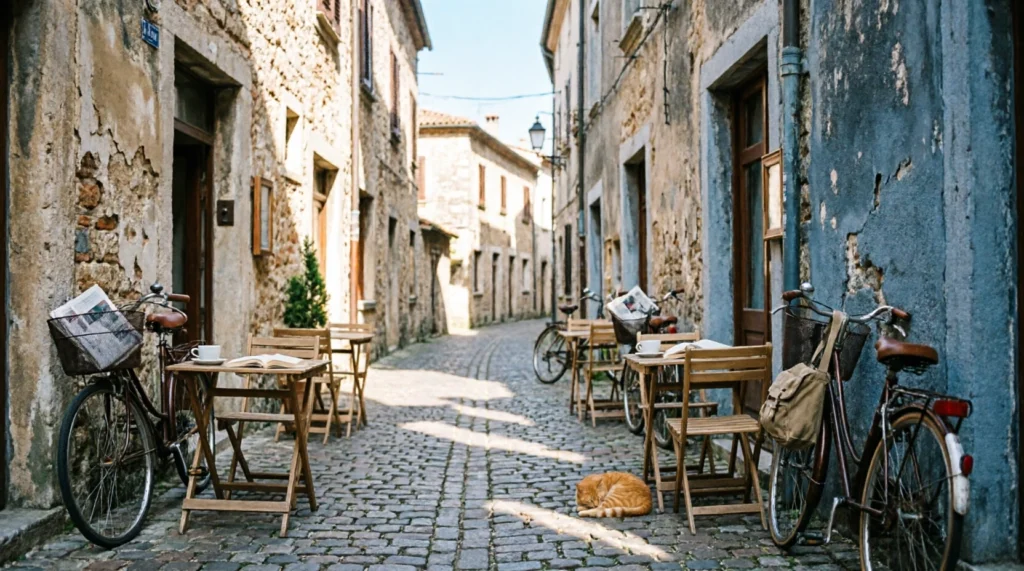
Skip: The “Must-See” Sight Stack
- Why: Trying to see four major monuments in a single day guarantees you will spend most of your time standing in lines and navigating crowd control barriers.
- Do Instead: Pick one major sight per day max—preferably for first entry in the morning—and leave the rest of the day completely unscripted.
Skip: Multi-Country Express Passes
- Why: Rail passes or short-haul flight hop-scotching often result in spending up to 40% of your waking vacation hours inside transit hubs and security lanes.
- Do Instead: Map out a single province or region. If you cannot reach your next stop in under two hours by regional train or bus, save it for another trip.
Skip: Tourist-Center Dining
- Why: Restaurants surrounding major plazas pay astronomical rents, resulting in high prices, rushed service, and frozen, mass-produced meals.
- Do Instead: Walk 10 minutes away from any major attraction until English-only menus disappear. Eat at the neighborhood spot packed with office workers or locals at lunch.
Final Recommendation: Should You Book This Style of Trip?
Slow travel is the right choice if:
- You feel exhausted by your current travel itineraries.
- You are visiting a region for the second or third time.
- You want your travel spending to stay within local communities rather than international hotel chains and transit corporations.
- You value unscripted moments, long meals, and regional atmosphere over tourist check-lists.
Choose traditional travel instead if:
- You have very limited vacation days (e.g., under 5 days) and have specific bucket-list items you must check off.
- You get anxious without a strict daily schedule.
- You measure a successful vacation by the total number of famous places you photographed.
FAQ
Does slow travel mean I cannot see famous tourist attractions?
No. Slow travel is about pacing, not total avoidance. It means picking one major sight per day rather than rushing through four. You visit the sight attentively, then spend the rest of your day experiencing the surrounding neighborhood at a normal pace without rushing to the next museum.
How do I practice slow travel on a short 1-week vacation?
Pick a single base city or region for the entire 7 days. Book one central or well-connected residential apartment, use regional trains for day trips, and keep at least two full days entirely free of pre-booked time slots or rigid plans.
Is slow travel actually cheaper than regular travel?
Generally, yes. While your total length of stay might be longer, your cost per day is significantly lower. Staying in one place yields weekly rental discounts, reduces costly intercity transport tickets, and allows you to balance restaurant dining with local market meals.