Bali is not just “beautiful beaches and friendly locals”.
It’s traffic-choked roads, incredible temples, crowded rice terraces, world-class surf, and an island-wide experiment in balancing tourism with culture and nature. If you’re deciding whether to book Bali, the real question is not “Is it pretty?” but “Does it match how I like to travel, and what am I giving up by choosing it over somewhere else?”
This guide skips the postcard language and focuses on what a typical week in Bali actually feels like, what experiences justify your time and money, and where you’ll likely feel frustrated. By the end, you should know whether Bali is the right fit for your next trip — and how to plan it so you don’t waste days in the wrong places.
Quick Verdict: Is Bali Worth It?
Bali is worth it if you want a single destination that combines beach time, culture, nature, and a strong cafe/wellness scene — and you’re comfortable with crowds, traffic, and humidity. It’s a strong choice for first-time Southeast Asia visitors, surfers, divers, digital nomads, and travellers who enjoy hopping between different vibes (beach towns, jungle, highlands, small islands).
It’s less ideal if you:
- Hate traffic and long transfer times
- Want a quiet, untouched island feel in the main tourist zones
- Dislike humidity and frequent rain
- Prefer destinations where you can see “everything” in a few days without much planning
Biggest trade-off: You gain variety and convenience (tons of accommodation, food, activities) but give up peace, predictability, and sometimes value, especially in the most popular areas like Canggu, Seminyak, and central Ubud.
Quick Facts
- Best time: April–October (dry season); shoulder months (May, September) often offer the best balance.
- Typical budget: Can be budget-friendly, but trendy zones and beach clubs push prices up; private drivers, tours, and alcohol add cost.
- Best areas: Ubud (culture, wellness), Canggu/Seminyak (cafes, beach clubs, surf), Uluwatu (cliffs, surf, nicer beaches), Amed/Tulamben (diving), Nusa islands (day trips or short stays).
- Transport: Ride-hail apps, scooters (risky), private drivers for day trips; inter-island by fast boat.
What Bali Is Actually Like
Bali is not one place; it’s several different destinations jammed onto one island.
- South Bali (Kuta, Seminyak, Legian, Canggu): Busy, commercial, traffic-heavy, with a strong cafe, restaurant, and beach club scene. Good for nightlife, shopping, and surf, but you’ll spend a lot of time in cars or on scooters.
- Bukit Peninsula (Uluwatu, Jimbaran): More spread out, clifftop views, better beaches, more resort-like feel. Great for surfers and travellers who want a slightly calmer base with easier access to nice coastline.
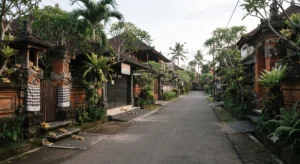
- Ubud and surrounds: The cultural and wellness heart: temples, rice fields, yoga studios, jungle villas. Still busy, but the vibe is more about spas, retreats, and nature than beach parties.
- North and East Bali (Munduk, Amed, Tulamben, Kintamani): Quieter, more traditional, slower pace. Better for diving, snorkelling, waterfalls, and highland views, but fewer “happening” nightlife options.
- Nusa Islands (Penida, Lembongan): Rugged, dramatic coastlines (especially Penida) and calmer island vibes (Lembongan). Often done as day trips, but staying overnight can reduce the rush.
A common surprise for first-timers: distances look small on a map but feel long because of traffic, narrow roads, and frequent ceremonial processions that temporarily close streets. A “30-minute” drive can easily become 60–90 minutes in peak times.
What Makes It Worth Your Time

These are the experiences that, for most travellers, genuinely justify the time, money, and effort.
1. Temples with context (not just photos)
Bali’s temples are not just backdrops for Instagram. Places like Uluwatu Temple, Tanah Lot, Tirta Empul, and Besakih give you a window into Balinese Hinduism, ceremonies, and architecture.
- Uluwatu: Clifftop location, dramatic ocean views, and the nightly Kecak fire dance. Crowded at sunset, but still one of the most memorable cultural experiences on the island.
- Tirta Empul: Holy spring temple where visitors can participate in a purification ritual. It’s spiritual, not just scenic; dress respectfully and follow local guidance.
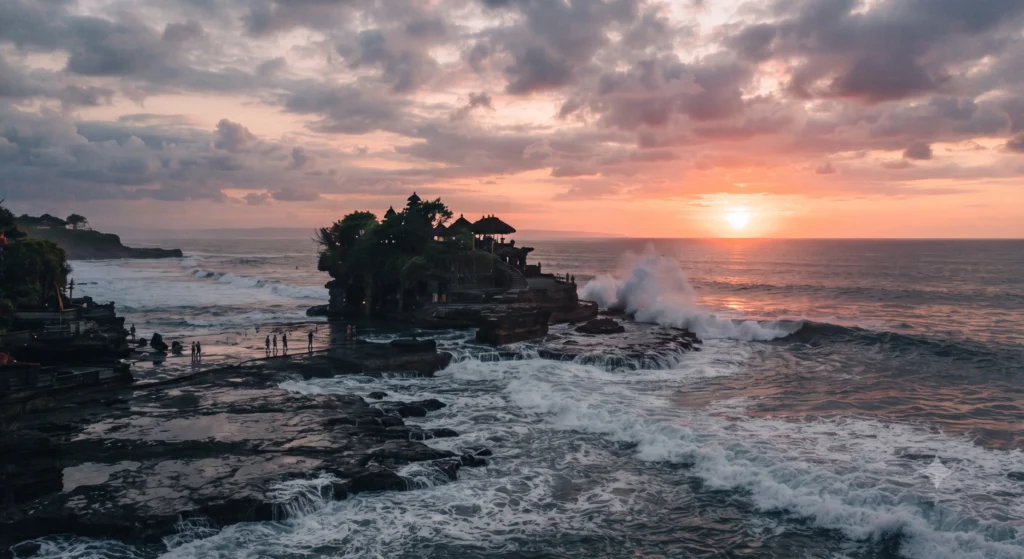
- Tanah Lot: Famous sea temple on a rock islet. Best visited late afternoon; expect crowds and vendors, but the setting is genuinely striking.
For many travellers, understanding temple etiquette (sarongs, ceremonial rules, not walking into sacred areas) makes these visits far more meaningful.
2. Rice terraces done right
The Tegallalang Rice Terraces near Ubud are iconic, but they’re also very commercialised. The classic “swing over rice fields” photo is the main draw, and midday can be packed.
They’re still worth seeing if you:
- Go early in the morning
- Walk beyond the main swing area into the surrounding paths
- Combine them with a quiet cycling route through nearby villages and smaller terraces
For a less crowded alternative, look at Jatiluwih (a UNESCO-listed landscape further west) or smaller, local terraces around Payangan and Sidemen.
3. Waterfalls that reward the hike
Bali has many waterfalls; not all are worth the trek. The most central ones (like Tegenungan) are easy to reach but often crowded.
More rewarding options tend to be in north and central Bali (Munduk, Sekumpul, Tibumana), where you walk through jungle, hear the water before you see it, and find fewer people.
Realistically:
- Expect slippery paths, stairs, and sometimes steep climbs back up.
- Go early, wear proper shoes, and be prepared for humidity.
- If a waterfall requires a very long walk for a tiny pool and a queue for photos, it may not be worth it on a tight schedule.
4. Sunrise in the highlands
A Mount Batur sunrise trek or a Kintamani viewpoint morning gives you a different side of Bali: cool air, volcanic landscapes, and wide views over lakes and calderas.
- Mount Batur: Guided sunrise hikes are popular; you start in the dark, reach the summit for sunrise, and descend as the day warms up. It’s physically demanding but memorable if you’re reasonably fit.
- Kintamani area: Easier option if you don’t want a full trek; drive up for sunrise views over the caldera and Lake Batur, then explore nearby villages and temples.
These highland experiences are a strong counterpoint to the beach-heavy stereotype of Bali.
5. Surfing and beach time that matches your level
Bali is a serious surf destination, not just a beginner one.
- Beginners: Kuta, Legian, parts of Canggu offer gentle waves and many surf schools.
- Intermediate/advanced: Uluwatu, Padang Padang, and other breaks on the Bukit Peninsula offer powerful reef breaks that need respect and skill.
If you’re not surfing, beaches still matter:
- Uluwatu and the Bukit Peninsula have some of the most dramatic coastlines and better-quality beaches than the heavily developed Kuta–Seminyak strip.
- Nusa Penida and Nusa Lembongan provide clear water, snorkelling, and a more island-like feel, though Penida’s top spots can be very busy on day trips.
6. Diving and snorkelling (including the USAT Liberty wreck)
For divers and snorkellers, Amed, Tulamben, and the Nusa islands are the main draws.
- Tulamben: Shore dive to the USAT Liberty shipwreck, one of the most accessible wreck dives in the world. Suitable for a range of levels, with rich marine life.
- Amed: Black-sand beaches, calm conditions, good for both beginners and experienced divers.
- Nusa Penida/Lembongan: Manta rays, coral gardens, and clear water; conditions depend on season and sea state.
If underwater experiences are a priority, it’s worth dedicating at least a couple of days to the east coast or the Nusa islands rather than trying to dive from the south in a single day.
7. Cultural performances and cooking classes
A Kecak fire dance at Uluwatu (or similar performances elsewhere) is more than a show: it’s a condensed introduction to Balinese mythology, music, and movement.
Cooking classes (often including a market visit) help you understand local ingredients and flavours — satay, nasi goreng, lawar, sambal — and give you skills to recreate dishes at home. Many travellers find these more memorable than another generic temple run.
8. Wellness, yoga, and slow days in Ubud/Canggu
Bali’s wellness scene is real, not just marketing. In Ubud and parts of Canggu, you’ll find:
- Yoga and meditation studios
- Sound healing and breathwork sessions
- Traditional Balinese massage and spa treatments
- Jungle villas designed for rest and digital detox
If your goal is to recover from burnout, slow down, and mix light exploration with proper rest, a few days based in Ubud or a quieter part of Canggu can be extremely effective.
Where to Stay (and Where Not To)
Your base determines what kind of trip you have.
- Seminyak/Legian/Kuta: Best if you want nightlife, shopping, and easy airport access. Expect traffic, crowds, and a very commercial feel. Good for short stays, not ideal if you’re seeking peace.
- Canggu: Popular with digital nomads, surfers, and cafe lovers. Strong food scene, beach clubs, and a “cool” vibe, but also heavy traffic and rising prices.
- Uluwatu/Jimbaran: Better beaches, clifftop views, more resort-like atmosphere. Great for couples, surfers, and travellers who want a mix of relaxation and some nightlife.
- Ubud: Ideal for culture, nature, wellness, and a slower pace. Still busy, but more about retreats, rice fields, and temples than beach parties.
- Amed/Tulamben: Quiet east-coast bases for diving, snorkelling, and a very different, slower Bali. Limited nightlife; more about underwater life and local villages.
- Nusa Lembongan/Penida: Worth at least one night if island time appeals to you. Penida is more dramatic but rougher; Lembongan is calmer and more relaxed.
Where not to base yourself depends on your priorities:
- Avoid staying only in Kuta/Seminyak if you hate traffic and crowds.
- Avoid Ubud if your main goal is beach time.
- Avoid the Nusa islands as your only base if you want easy access to the main island’s variety.
Getting Around Without Wasting a Day
Transport in Bali is a major factor in whether your trip feels relaxing or exhausting.
- Private driver: Often the smartest choice for day trips, especially if you’re a small group. Typical rates are around USD 50–65 for about 10 hours, though this varies by season and pickup location. This lets you hit multiple sites (temple, waterfall, highlands) without the stress of navigating yourself.
- Ride-hailing apps (Grab/Gojek: Convenient and affordable for short trips, but restricted in some areas (parts of Seminyak, central Ubud, certain temple zones). You may need to walk to a pickup point.
- Scooter rental: Very common and cheap, but only advisable if you’re an experienced rider, confident in chaotic traffic, and properly insured. Accidents involving tourists are frequent, and roads can be poorly lit or damaged.
- Inter-island travel: Fast boats from Sanur to Nusa Penida/Lembongan are the standard option; schedules and sea conditions change, especially in wet season. Allow buffer days and don’t plan tight connections.
A realistic itinerary accepts that you cannot see “all of Bali” in a week. Choose two or three bases and build days around them instead of trying to criss-cross the island daily.
What It Really Costs
Bali can be inexpensive or surprisingly costly, depending on your choices.
- Budget travel: Hostels, local warungs, minimal tours, and public transport/ride-hail can keep daily costs low. But you’ll spend more time planning and less time in comfort.
- Mid-range travel: Private villas with pools, a mix of warungs and nicer restaurants, a few private-driver days, and some tours (temples, waterfalls, Nusa Penida) form a typical comfortable experience. This is where most travellers land.
- High-end travel: Luxury resorts, fine dining, premium beach clubs, private guides, and bespoke experiences (yacht trips, exclusive retreats) can push Bali into expensive territory, especially in Uluwatu, Seminyak, and top Ubud resorts.
Key cost drivers:
- Accommodation style: A basic guesthouse vs a private villa with pool is a huge swing.
- Beach clubs and alcohol: Cocktails and minimum spends at popular beach clubs add up quickly.
- Tours and drivers: Multiple private-driver days and organised tours increase the budget but reduce stress.
- Island hopping: Fast boats, island accommodation, and activities on Nusa Penida/Lembongan increase costs but also enrich the trip.
“Bali is cheap” is no longer universally true. In the most popular areas, your daily spend can approach Western levels if you lean into villas, beach clubs, and constant tours.
What to Skip and What to Do Instead
Not everything famous in Bali deserves a full day of your time.
Overrated: Tegallalang at midday, swing-only
Visiting Tegallalang purely for the swing photo around noon often means:
- Crowds of tourists
- Vendors pushing paid photo spots
- Heat and limited walking beyond the main area
Better approach:
Go early morning, walk beyond the main swing area, or combine with a cycling route through lesser-known terraces and villages. Consider Jatiluwih or smaller terraces near Sidemen for a more authentic feel.
Overrated: The most central, crowded waterfalls
Some waterfalls close to Ubud and south Bali are now so busy that the experience feels more like a queue than a nature escape.
Better approach:
Head to north Bali (Munduk, Sekumpul) or less central falls like Tibumana, where the hike and setting feel more rewarding. Accept that you’ll trade convenience for a better experience.
Skip: Trying to “do all of Bali” in 7 days
A common mistake is packing south Bali, Ubud, north Bali, east Bali, and the Nusa islands into one week. The result is:
- Long days in traffic or boats
- Shallow experiences
- Exhaustion instead of relaxation
Better approach:
Pick two or three bases (for example: Ubud + Uluwatu, or Canggu + Amed, or Ubud + Nusa Lembongan) and build deeper days around them. You’ll see less on a map but remember more.
Skip: Scooter rental if you’re not confident
If you’re not already comfortable riding in chaotic traffic, a scooter in Bali is a high-risk, low-reward choice. Minor accidents, police checks, and insurance issues can derail a trip.
Better approach:
Use ride-hail apps for short trips and hire a private driver for longer days. It costs more, but you’ll arrive in one piece and actually enjoy the scenery.
Overrated: Ultra-crowded beach clubs (for some travellers)
Top beach clubs in Canggu and Uluwatu can be amazing — but if you dislike queues, loud music, and high drink prices, they may not be worth a whole afternoon.
Better approach:
Visit earlier in the day, choose less hyped venues, or simply spend time at quieter beaches on the Bukit Peninsula or in the Nusa islands. You still get the coastline without the party pressure.
Final Recommendation: Who Should Choose Bali
Bali is a strong choice if you:
- Want variety (beach, culture, jungle, highlands, islands) in one trip
- Are comfortable with crowds, traffic, and humidity
- Enjoy food, cafes, wellness, and a lively tourism infrastructure
- Are planning a first or second trip to Southeast Asia and want a destination that’s easy to navigate with lots of options
Consider spending your time elsewhere if you:
- Strongly dislike traffic, queues, and commercialised attractions
- Want a quiet, remote island experience in the main tourist zones
- Prefer destinations where you can see “everything” quickly without much planning
- Are sensitive to heat and humidity and don’t enjoy tropical climates
For many travellers, the smart Bali trip is not the one with the most checkmarks, but the one that accepts limits: pick the areas that match your style, invest in a few high-quality experiences (a sunrise trek, a good diving day, a cultural performance, a proper temple visit), and leave space for slow afternoons. That’s where Bali stops feeling like a checklist and starts feeling like a place you actually experienced.
FAQ
Is Bali worth visiting in 2026?
Yes, if you’re okay with crowds and traffic in exchange for a huge range of experiences — beaches, temples, jungle, diving, and a strong food and wellness scene. Bali remains one of the most versatile destinations in Southeast Asia, but it’s not a quiet, untouched paradise. Choose your areas carefully (Ubud, Uluwatu, Amed, Nusa islands) and avoid trying to see everything in one short trip.
What is the best time to visit Bali?
The dry season from April to October offers the most reliable weather, with June–August being peak. May and September often give a good balance of decent weather and slightly fewer crowds. The wet season (November–March) means more rain and humidity, but also lush scenery and lower prices; just plan for possible disruptions and shorter activity windows.
How many days do I need in Bali?
For a first trip, 10–14 days lets you comfortably combine two or three bases (for example, Ubud + Uluwatu + one island or east-coast area). With only 7 days, focus on two areas max (such as Ubud and Uluwatu, or Canggu and Nusa Lembongan) to avoid spending your whole holiday in transit. Trying to cover the entire island in a week usually leads to exhaustion, not better memories.
Is Bali safe for solo and female travellers?
Bali is generally considered safe for solo and female travellers, with a strong tourism infrastructure and lots of other visitors around. Common issues are petty theft, scooter accidents, and occasional scams rather than violent crime. Use common sense: secure your belongings, avoid isolated areas late at night, be cautious with scooters, and choose reputable transport and accommodation.
Do I need a visa for Bali?
Visa rules change, and requirements depend on your passport and length of stay. Many nationalities can enter Indonesia under a visa-on-arrival or e-visa system for short tourism stays, but details (fees, allowed duration, extensions) do shift. Always check official Indonesian immigration sources or your nearest embassy shortly before booking and again before departure.