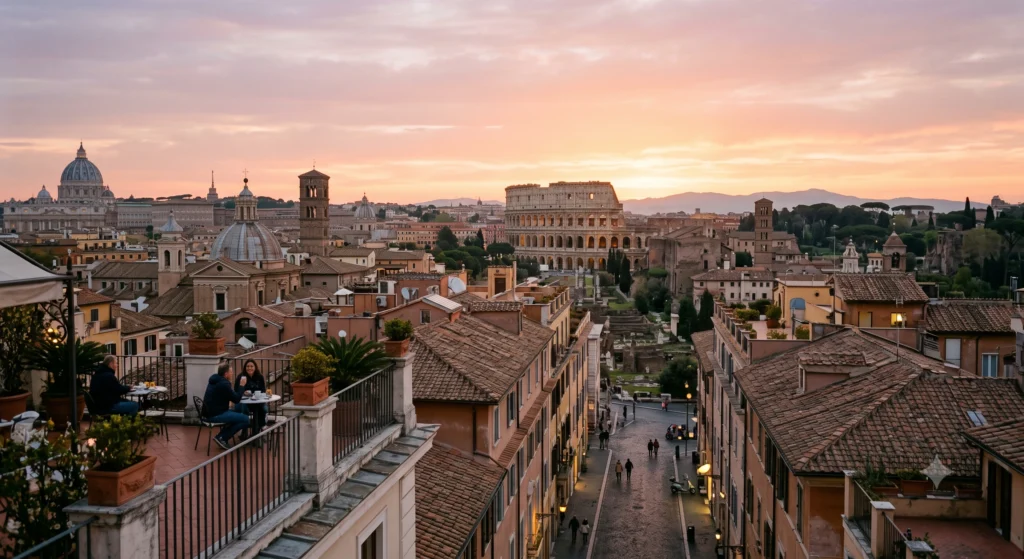
Rome is one of those cities that tempts visitors into overplanning. Open almost any itinerary and you’ll find dozens of attractions squeezed into three days, leaving little time to enjoy the city itself. The result is often more memorable for queues, crowded streets, and aching feet than for the moments that make Rome unforgettable.
A long weekend works best when you accept that you won’t see everything—and stop trying to. Instead of chasing every landmark, focus on experiences that genuinely justify your time: exploring ancient ruins with context, lingering over dinner in a neighborhood that comes alive after sunset, and allowing space for the unexpected discoveries that happen between famous sights.
This guide helps you spend three days in Rome realistically, showing what deserves your time, what can wait for another visit, and how to enjoy the city without turning your holiday into a checklist.
Quick Verdict: Is a Long Weekend in Rome Worth It?
Yes—for most first-time visitors, a long weekend is enough to experience why Rome remains one of Europe’s great city breaks.
Three days won’t cover every museum, church, or neighborhood, but they are enough to combine ancient history, local food, and vibrant street life without feeling constantly rushed. The biggest trade-off is accepting that some famous attractions will have to wait. Travelers who embrace that limitation usually enjoy Rome more than those trying to tick off every landmark.
Quick Facts
| Information | Details |
|---|---|
| Best Trip Length | 3–4 days |
| Best Seasons | Spring and early autumn |
| Ideal For | First-time visitors, couples, history lovers, food-focused travelers |
| Walking Required | High |
| Public Transport | Metro, buses, trams, and walking |
| Best Areas to Stay | Centro Storico, Trastevere, Monti, Prati |
| Advance Bookings | Recommended for the Colosseum and Vatican Museums |
| Biggest Mistake | Trying to fit every famous attraction into one weekend |
What Rome Is Actually Like
Rome doesn’t reveal itself all at once.
Many first-time visitors arrive expecting a city that feels like an open-air museum, where every street is perfectly preserved and every corner resembles a postcard. Parts of Rome certainly live up to that image, but the reality is more layered.
Ancient ruins sit beside busy roads, elegant piazzas give way to neighborhoods covered in graffiti, and quiet churches stand only a few minutes from streets filled with scooters and tour groups.
That’s part of Rome’s appeal. It feels like a living city first and a historic destination second.
The historic center is surprisingly walkable. Once you’re inside it, many famous landmarks are closer together than maps suggest. You might spend the morning inside the Colosseum and end the afternoon with coffee near the Pantheon without needing public transport.
The challenge isn’t distance—it’s distraction. Rome rewards curiosity. A narrow side street can lead to a neighborhood bakery, a centuries-old church, or a small piazza where locals outnumber visitors. Allowing time for those moments often becomes the difference between seeing Rome and actually enjoying it.
Visitors expecting flawless organization may find the city frustrating. Streets can be busy, public transport isn’t always predictable, and queues remain common at major attractions. Accepting a little unpredictability makes the experience far more enjoyable.
Day 1: Ancient Rome Without Feeling Rushed
If this is your first visit, begin with the part of Rome that shaped much of Western history.
The Colosseum deserves its reputation. Standing inside the amphitheater is very different from simply viewing it from outside. Understanding how it functioned—and imagining the crowds that once filled its seats—adds depth that photos rarely capture.
Book tickets well in advance. Waiting until arrival can mean long queues or limited availability during busy seasons.
Rather than leaving immediately afterward, continue into the Roman Forum and Palatine Hill. These sites help explain how ancient Rome functioned beyond gladiator battles. Walking through temples, marketplaces, and imperial residences creates a fuller picture of the city.
Plan several hours here instead of rushing through. By mid-afternoon, many travelers feel mentally overloaded with historical information. That’s a good moment to slow down rather than searching for another museum.
Walk into Monti, one of Rome’s most enjoyable neighborhoods for a relaxed afternoon. Independent cafés, wine bars, and small boutiques provide a welcome contrast to the crowds around the archaeological sites.
As evening approaches, stay for dinner nearby instead of crossing the city again. A slower first day leaves enough energy for the rest of the weekend.
Worth your time
- Colosseum
- Roman Forum
- Palatine Hill
- Exploring Monti on foot
Skip
Trying to squeeze in multiple museums after visiting Ancient Rome. History fatigue is real, and most visitors enjoy the day more by slowing down.
Day 2: Rome Beyond the Postcards
Your second day shifts away from ticketed attractions and focuses on the city itself. Start early at the Pantheon. Morning light and smaller crowds make it easier to appreciate one of Rome’s most remarkable buildings.
From there, continue toward Piazza Navona. It’s touristy, but it remains one of Rome’s most beautiful public spaces. Street artists, fountains, and cafés create an atmosphere that’s worth experiencing, even if you don’t stay long.
Next comes Campo de’ Fiori. Depending on the time of day, it feels very different. Mornings are more lively thanks to the market, while evenings revolve around restaurants and outdoor dining.
This part of Rome isn’t about checking off attractions. It’s about walking without constantly consulting a map. Allow yourself time to wander.
Some of the city’s most memorable streets are the ones that never appear on itinerary lists. Later in the afternoon, visit the Trevi Fountain.Yes, it’s crowded.
Yes, it’s one of the busiest places in Rome.
It’s still worth seeing—but expectations matter. If you’re imagining a quiet moment beside the fountain, you’ll probably be disappointed. Instead, visit early in the morning or later in the evening if your schedule allows.
Continue toward the Spanish Steps if you’re nearby, but don’t feel obliged to spend much time there.
Many first-time visitors discover that the surrounding shopping streets are more interesting than the steps themselves.
Finish the day across the river in Trastevere.
As daylight fades, this neighborhood becomes one of Rome’s most enjoyable places to spend an evening. Narrow lanes fill with conversation, restaurants become lively, and the atmosphere changes completely from the quieter mornings.
If you only have one relaxed dinner during your weekend, this is a strong place to enjoy it.
Worth prioritizing
- Pantheon
- Piazza Navona
- Trastevere after sunset
Potentially overrated
- Spending too long at the Spanish Steps.
- Dining beside the Trevi Fountain simply for the view.
Walking a few streets away often leads to better value and a more enjoyable meal.
Day 3: Vatican City and a Slower Finish
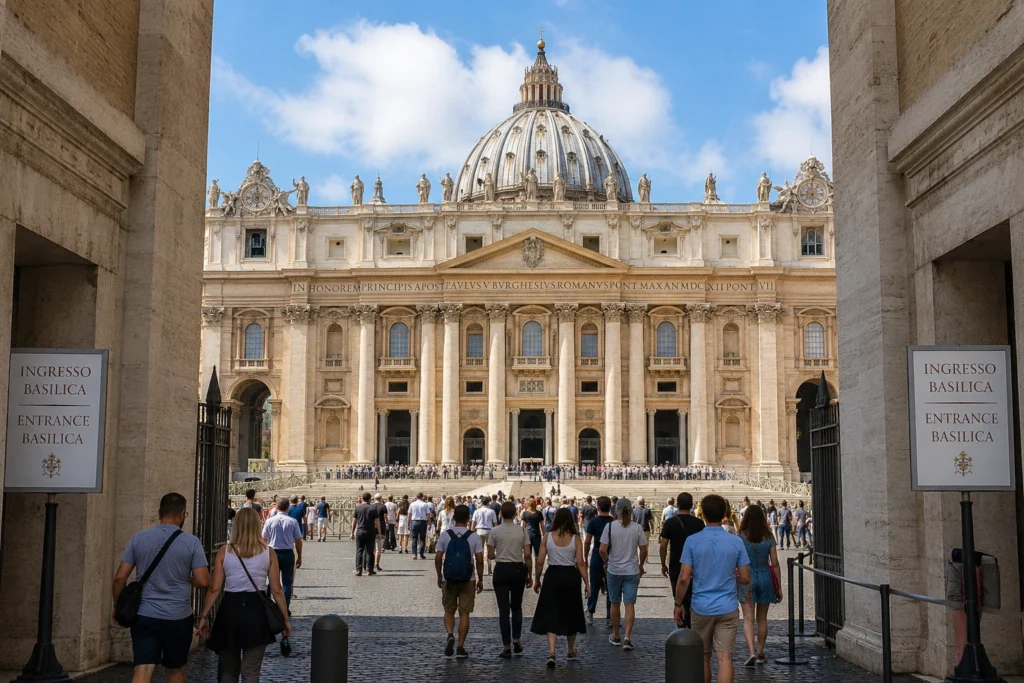
Your final full day centers on Vatican City.
This is another experience that benefits enormously from advance planning.
The Vatican Museums attract visitors from around the world, and queues can become extremely long. Pre-booked tickets reduce waiting time and help the morning run more smoothly.
The museums themselves are vast.
Trying to see everything is unrealistic.
Instead, focus on the major galleries and allow enough energy for the Sistine Chapel rather than rushing through every room.
Afterward, visit St. Peter’s Basilica.
Even travelers with little interest in religious history often find the scale and architecture impressive.
If you’re considering climbing the dome, remember that it involves a significant number of steps. The views are rewarding, but it’s best suited to visitors comfortable with a physically demanding climb.
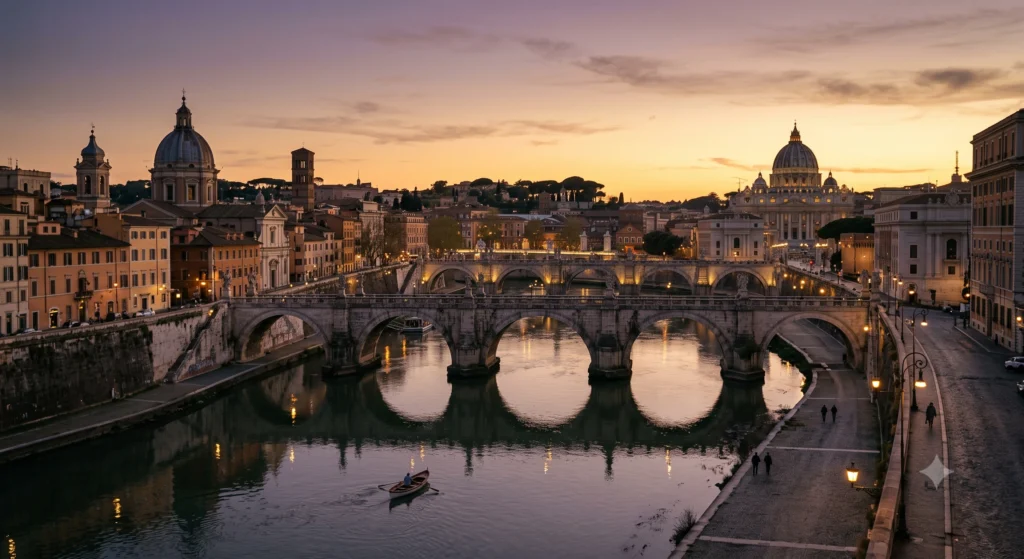
Rather than adding another museum during the afternoon, walk toward Castel Sant’Angelo and continue beside the Tiber River.
This slower ending provides a different perspective on Rome.
By now you’ve already seen the city’s biggest landmarks.
The final afternoon is about enjoying the atmosphere instead of chasing another checklist.
Where to Stay
Choosing the right neighborhood has a bigger impact on your weekend than choosing the perfect hotel.
Centro Storico
Best for travelers who want many attractions within walking distance.
Pros:
- Easy access to famous landmarks.
- Beautiful streets.
- Excellent restaurants.
Trade-offs:
- Higher accommodation costs.
- Larger crowds.
Trastevere
Ideal for visitors who value evenings filled with restaurants, bars, and local atmosphere.
Pros:
- Lively after dark.
- Characterful streets.
- Excellent dining.
Trade-offs:
- Slightly longer journeys to some attractions.
Monti
One of the most balanced choices.
Pros:
- Close to Ancient Rome.
- Good café culture.
- Less hectic than the busiest tourist areas.
Trade-offs:
- Smaller selection of hotels than the historic center.
Prati
Often overlooked by first-time visitors.
Pros:
- Convenient for Vatican City.
- Wider streets.
- Quieter evenings.
Trade-offs:
- Slightly farther from some central attractions.
Getting Around Rome
Walking remains the best way to experience central Rome.
The city reveals itself gradually, and many memorable discoveries happen between planned stops.
For longer journeys:
- Metro is useful but limited.
- Buses reach more neighborhoods but can be affected by traffic.
- Trams serve selected routes.
- Taxis are practical when you’re carrying luggage or returning late at night.
Wear comfortable footwear.
Many visitors underestimate how much walking a Rome weekend involves.
What It Really Costs
Rome can suit different budgets, but spending priorities matter more than chasing the lowest possible price.
Budget-conscious travelers usually save the most by booking accommodation slightly outside the busiest streets while remaining within walking distance of the historic center or a convenient public transport connection.
Mid-range travelers often find the best balance by choosing comfortable hotels in neighborhoods such as Monti or Prati, where prices may be lower than in the heart of the historic center without sacrificing convenience.
Luxury travelers have no shortage of elegant hotels, rooftop restaurants, and private tours, but the city’s greatest experiences—walking through ancient streets, exploring lively neighborhoods, and enjoying local food—don’t necessarily require premium spending.
Instead of allocating more money to expensive transport or multiple guided tours, many travelers receive greater value by:
- booking major attraction tickets in advance
- staying centrally enough to reduce daily transport costs
- enjoying one memorable meal rather than several expensive tourist-focused restaurants
- leaving room in the itinerary for spontaneous discoveries
Current accommodation prices, attraction tickets, and transport fares change throughout the year, so it’s always worth checking official booking websites before finalizing your trip.
Common Mistakes to Avoid
Trying to Do Too Much
Rome has enough attractions to fill weeks.
Three days require priorities, not perfection.
Booking Everything Back-to-Back
Leaving free time between attractions reduces stress and creates opportunities for unexpected discoveries.
Ignoring Heat
Summer afternoons can become exhausting.
Plan indoor attractions or a long lunch during the hottest part of the day.
Waiting Too Long to Book Tickets
Popular attractions regularly sell out.
Advance reservations make the weekend noticeably smoother.
Choosing Hotels Solely by Price
Saving a small amount on accommodation may lead to much longer daily commutes, reducing valuable sightseeing time.
What to Skip — And Better Alternatives
| Instead of… | Consider… | Why |
|---|---|---|
| Visiting every museum | Choose one or two major sites | Less fatigue, more enjoyment |
| Dining beside major landmarks | Walk a few streets away | Better value and often better food |
| Constant taxi rides | Explore on foot | Rome’s atmosphere is part of the experience |
| Filling every hour with attractions | Leave time to wander | Some of the city’s best moments are unplanned |
| Chasing every famous viewpoint | Enjoy neighborhood squares | They often feel more authentic than crowded photo spots |
Final Recommendation: Is a Long Weekend in Rome Worth It?
A long weekend is enough to understand why Rome remains one of Europe’s most rewarding city breaks—but only if you approach it with realistic expectations.
Three days won’t let you explore every museum, neighborhood, or archaeological site. Trying to do so usually leads to an exhausting itinerary where queues, transport, and constant rushing overshadow the city itself.
A better approach is to focus on Rome’s strengths.
Spend one day immersed in Ancient Rome, another wandering through the historic center and its piazzas, and a final day experiencing Vatican City before slowing down along the Tiber or in Trastevere. You’ll leave with a stronger sense of the city’s character than someone who tried to squeeze twice as much into the same amount of time.
Rome is especially rewarding for travelers who enjoy walking, history, architecture, and long meals where there is no pressure to hurry. The city encourages curiosity. Some of its most memorable moments happen between famous attractions rather than inside them.
That said, Rome isn’t the perfect choice for everyone. If your ideal city break revolves around efficient public transport, perfectly organized sightseeing, or covering dozens of attractions in a short time, Rome may feel chaotic. Crowds, uneven streets, and occasional delays are part of the experience.
The trade-off is that few cities combine history, daily life, food, and atmosphere with the same depth. Accept those imperfections, and Rome often exceeds expectations.
Choose Rome if you:
- Are visiting Italy for the first time.
- Enjoy history without needing to visit every museum.
- Like exploring cities on foot.
- Value food and neighborhood atmosphere as much as famous landmarks.
- Prefer meaningful experiences over ticking attractions off a list.
Consider another destination if you:
- Have only one or two days available.
- Dislike walking long distances.
- Want a quieter European city with fewer crowds.
- Prefer beach holidays or nature-focused trips.
TravelDiaryy Verdict
A long weekend in Rome is absolutely worth it—but only if you plan to experience the city rather than conquer it.
Frequently Asked Questions
Is three days enough for Rome?
Yes. Three full days are enough to visit Rome’s major highlights, enjoy its food scene, and experience several distinct neighborhoods. You won’t see everything, but trying to do so often makes the trip less enjoyable. Prioritizing a few key experiences usually creates a better weekend than following an overly ambitious itinerary.
What is the best month for a long weekend in Rome?
Spring (April to June) and early autumn (September to October) generally offer the most comfortable conditions for walking and sightseeing. Summer brings longer daylight hours but also higher temperatures and heavier crowds, while winter often provides a quieter experience with fewer visitors.
Should I stay in Trastevere or the Historic Center?
Both are excellent choices, but they suit different travel styles. The Historic Center is ideal for first-time visitors who want many landmarks within walking distance. Trastevere offers a livelier evening atmosphere with excellent restaurants and bars, making it a favorite for travelers who enjoy staying out after sightseeing.