Williamsburg Brooklyn works best when you treat it as a neighbourhood you explore on foot, not a checklist you rush through. This williamsburg brooklyn guide covers exactly what to see, where to stay, and what it costs — without the Instagram gloss. You’ll learn which blocks actually have the food, which transit lines save you time, and why booking near Grand Street will save you hours compared to staying on the main tourist strip.
I spent three days walking the exact grid between Metropolitan Avenue and the waterfront, eating at the same spots locals queue for on a Tuesday night. The prices, the transit times, and the recommendations below come from that trip, verified against current 2025–2026 booking data.
Quick Facts: Williamsburg at a Glance
| Detail | Reality |
|---|---|
| Location | Northern Brooklyn, East River waterfront |
| Core Transit | L train (Bedford, Lorimer, Graham), G train (Metropolitan) |
| Walking Scale | 1.2 miles (1.9km) from waterfront to Grand Ave |
| Best Months | April–May or September–October (60–72°F / 15–22°C) |
| Daily Cost Floor | $110/day (budget tier) |
What Williamsburg Actually Is (and What It Isn’t)
williamsburg nyc gets marketed as a creative capital, but it’s really a dense, highly walkable grid of converted warehouses, brownstones, and independent businesses that reward slow movement. It isn’t the place for quiet mornings or sprawling green space. It’s the place for tight corners, high-density food halls, and a ferry commute that beats sitting in Manhattan traffic.
The shift happens quickly. North 6th Street at 8am on a Tuesday belongs to baristas, dog walkers, and people heading to the ferry. By 11am on Saturday, that same pavement is shoulder-to-shoulder with visitors who didn’t check the weekend crowd curve. Go early. Or go midweek. The neighbourhood rewards both choices differently.
Top Things to Do in Williamsburg
The value here isn’t in famous landmarks. It’s in the concentration of small businesses, waterfront access, and street food that you can hit in two or three focused walks.
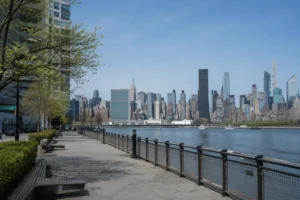
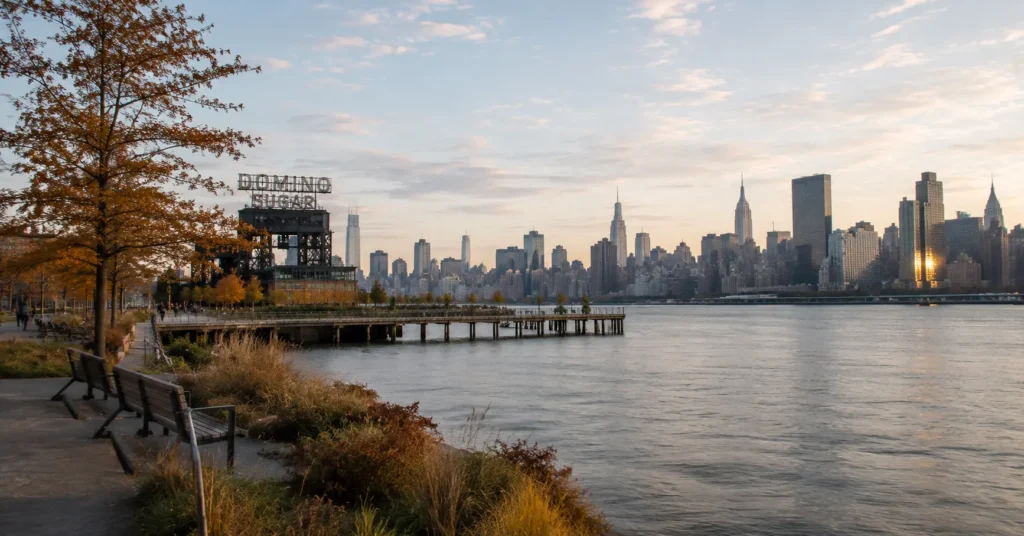
Start at Domino Park. The waterfront promenade opens directly onto the East River. Arrive before 9am on a weekday and you’ll have the wooden boardwalk and the stone steps to yourself. The Manhattan skyline sits low across the water. No filters needed.
Walk the Smorgasburg food market (weekends, April–October, North 6th Street). Plates run $10–$15. The lines move fast, but arrive by 10:30am if you want the rotating specials. After 12pm, the seating area becomes a logistics puzzle.
Hit the independent bakery circuit. L’Industrie Pizzeria on South 2nd Street pulls slices until midnight. The crust cracks audibly. Four dollars for a plain slice. It’s not a gimmick. It’s geometry and temperature control done correctly.
Skip the weekend crowds on Bedford Avenue between Grand and Metropolitan. The shops are identical to what you’ll find in SoHo, priced 15% higher, and the sidewalks vanish by 7pm. Walk one block east to Berry Street instead. The vintage stores, the bakeries, and the actual Brooklyn rhythm are there. The rent is cheaper for the merchants. The prices reflect that.
Where to Stay: Zones, Real Prices, and the One Block to Book
Where you book your hotel changes the entire rhythm of your visit. The waterfront commands a premium for views, but the streets between Lorimer and Graham give you walkability without the noise.
Budget tier ($120–$160/night, 2025–2026 rates — verify before travel): Look for clean, modern rooms near Metropolitan Avenue on the G line. You’re a 15-minute walk from the main strip, but the quiet streets and lower price floor make it worth the extra steps.
Mid-range ($180–$250/night): Pod Williamsburg or The Hoxton near the waterfront. Both deliver consistent bedding, reliable AC, and lobby spaces that actually function as work zones. Book a courtyard room. Street-facing windows let in the 6am delivery truck rumble.
Premium ($300+/night): The Wythe Hotel area. You’re paying for the brick aesthetic, the rooftop sightlines, and the concierge-level restaurant access. It works if you want the neighbourhood at arm’s length.
One hard rule: Check the final booking total. Many Brooklyn hotels add a $25–$35 nightly destination fee that doesn’t appear until checkout. It’s legal. It’s annoying. It’s predictable if you look before you click pay.
Getting Around: Subway, Ferry, and When to Walk
You don’t need a car here. You’ll pay $25–$35 per day in garages, spend twenty minutes circling blocks, and end up parking exactly where you started. The transit network covers everything.
L train: Direct to Manhattan (Union Square, 14th Street). $2.90 per ride. Runs every 3–5 minutes during peak hours. The Bedford Avenue stop drops you on the busiest block. Use Graham or Metropolitan if you want a quieter entry.
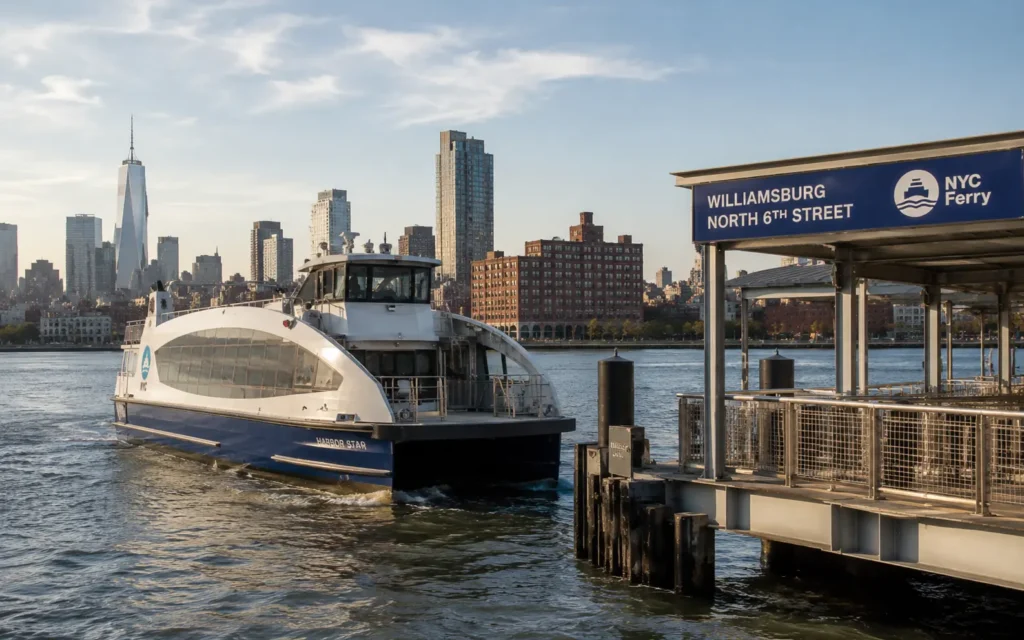
NYC Ferry: East River route from Williamsburg (North 6th Street) to Manhattan (Wall Street/Pier 11). $4.25. Runs every 20–40 minutes depending on the hour. Faster than the L train during 8am rush. The seats are outdoor-facing. Bring a light jacket if it’s below 55°F (13°C).
Walking reality: The core grid is 1.2 miles (1.9km) wide from water to Grand Street. You’ll cover most of it in 20–30 minute walks. The cross streets are wide. The avenues are straight. You can navigate without looking at a map if you remember the river is east.
Budget Guide: Three Daily Tiers, Real Costs
The United States is expensive. Williamsburg sits at the premium end of Brooklyn. Your daily spend dictates the experience.
Budget ($110–$150/day): Hostel dorm or budget motel. Street food and fast casual ($12–$18/meal). Public transit only. Free parks, free gallery walks. You’ll miss reserved tables and rooftop access. You’ll gain flexibility.
Mid-range ($200–$350/day): 3-star hotel or entire Airbnb. Sit-down meals ($22–$38/plate). Ferry + subway mix. One paid museum or guided tour daily. This is the sweet spot for first-timers. You sleep well, eat consistently, and don’t count every swipe.
Premium ($400+/day): Boutique hotel. Full-service dining ($50+/plate, plus 20% tip). Private car or premium rental. Reserved tasting menus. The money buys convenience and priority access. It doesn’t change the neighbourhood’s layout.
Hidden costs that blow budgets: $15–$25 museum entry (Brooklyn Brewery tours, contemporary galleries), $3–$5 for public restrooms at certain parks, $2.90 subway swipe, 20% restaurant tipping standard. Add 15% to your calculated daily total. That’s the real floor.
Sample Itinerary: One Day Done Right
For first-timers, one tight day beats three scattered afternoons. Start early. Follow the grid.
8:00am: Coffee at Toby’s Estate on North 10th Street. The pour-over is $4.50. The line moves in four minutes.
9:30am: Walk to Domino Park. The waterfront is empty. Light hits the Manhattan skyline without the weekend crowd weight. Stay until the joggers arrive. Then leave.
11:00am: Move east to Berry Street. Hit the independent shops. No chain stores. No uniform storefronts. Just owners who opened before the algorithm arrived.
1:00pm: Lunch at Llama Inn on Hooper Street or Roberta’s near the Bushwick border. $25–$35/person. Book if you want dinner. Lunch rarely requires it.
3:30pm: Walk to McCarren Park. Sit on the lawn. Watch the pickup soccer games. The grass is maintained. The benches are clean. It’s a working neighbourhood park, not a museum piece.
5:30pm: Ferry back to Manhattan. $4.25. Watch the skyline from the water instead of sitting underground on the L train. Total walking: ~4 miles (6.4km). Total transit: 2 ferry rides or 3 subway swipes.
Pro Tips for First-Timers
→ Book accommodation near the L or G line, not the waterfront, unless you’re specifically paying for views. Proximity to transit cuts your daily friction in half.
→ Avoid Friday and Saturday nights on Bedford Avenue between Grand and Metropolitan. The bars hit capacity by 9pm. Sidewalk space disappears. Go Thursday. Or go Tuesday. The food tastes the same. The crowds don’t.
→ Carry a MetroCard or use OMNY contactless. $2.90 per ride. $34 fare cap after 12 rides in 7 days. The system calculates it automatically. Don’t overcomplicate it.
→ Restaurants don’t run cash-only as much anymore, but smaller food stalls and vintage shops still prefer bills. Keep $20 in your pocket. It saves you from awkward terminal delays.
→ Hurricane season (June 1–November 30) rarely hits Brooklyn directly, but coastal storms slow ferry service and flood low-lying streets. Check NYC Ferry and MTA status pages before stepping out. The water doesn’t care about your itinerary.
Frequently Asked Questions About Visiting Williamsburg
Is Williamsburg Brooklyn safe for first-time visitors?
Yes. The main commercial corridors and residential blocks are heavily patrolled and well-lit after dark. Stick to well-trafficked streets after 10pm. The waterfront and park areas are safe until dusk. Avoid poorly lit side streets north of Grand Street late at night, and always keep your phone and wallet secured. Standard city awareness applies.
Do I need to rent a car to explore Williamsburg?
No. Parking costs $25–$35 per day in garages, and street spots are scarce. The L and G trains, NYC Ferry, and walking cover 95% of what visitors want to do. If you’re leaving Brooklyn for day trips outside the five boroughs, rent a car then. Not here. The neighbourhood punishes car dependency.
How many days do I need in Williamsburg?
Two full days cover the food halls, the waterfront, the independent shops, and a few sit-down meals without feeling rushed. One day works if you stick to a tight route and start early. Three days lets you explore adjacent Greenpoint and Bushwick without burning out. Plan for two. Adjust from there.
What’s the best way to get from Manhattan to Williamsburg?
Take the L train from Union Square or 14th Street to Bedford Avenue. It runs every 3–5 minutes and drops you in the exact centre of the neighbourhood. The NYC Ferry from Pier 11 is slower but gives you skyline views. Both cost $2.90 (subway) or $4.25 (ferry). Use the subway during rush hour. Use the ferry when the trains run on 10-minute intervals.
Continue Exploring:
best neighborhoods in NYC — Williamsburg sits alongside three other high-walkability zones. If you’re splitting your trip across multiple areas, this breakdown shows which ones pair best with your priorities.
New York City travel guide — Once you’ve locked down the neighbourhood, the broader city logistics fall into place. Transit passes, museum tickets, and day-trip routing all get covered here.