If you’re planning a Florida trip and someone tells you “any time is great,” they’re either lying or selling you something.
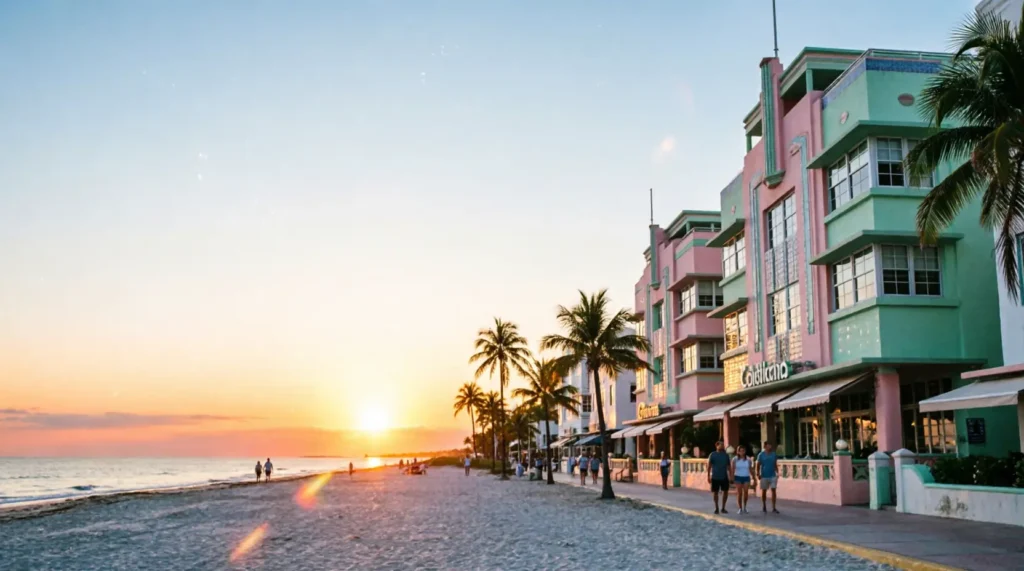
I stood on South Beach at 2pm in August last year, watching a thunderstorm roll in for the third consecutive day. The humidity hit 90%, the temperature felt like 105°F (40°C), and I understood why locals disappear indoors between noon and 4pm during summer. That same beach in April? Perfect. 82°F (28°C), ocean breeze, zero rain.
Best time to visit Florida: April-May for beach weather and moderate crowds, or late October-November for lower prices and still-warm temperatures. Avoid June-November if hurricane risk makes you anxious. Visit December-March only if you accept peak pricing and crowds.
This guide breaks down Florida by region, month, and trip type — with real temperatures, actual crowd levels, and honest cost data. No generic “Florida is great year-round” nonsense.
Weather Overview
Regional Temperature Reality
Florida isn’t one climate. It’s three distinct zones with different weather patterns.
South Florida (Miami, Keys, Fort Lauderdale):
- Winter (Dec-Mar): 70-80°F (21-27°C) — dry season, minimal rain
- Spring (Apr-May): 75-85°F (24-29°C) — ideal conditions
- Summer (Jun-Aug): 85-95°F (29-35°C) — daily thunderstorms, extreme humidity
- Fall (Sep-Nov): 80-90°F (27-32°C) — hurricane peak, gradually cooling
Central Florida (Orlando, Tampa):
- Winter (Dec-Mar): 60-75°F (15-24°C) — occasional cold fronts drop temps to 40s°F (4-9°C)
- Spring (Apr-May): 70-85°F (21-29°C) — comfortable before summer heat
- Summer (Jun-Aug): 90-95°F (32-35°C) — afternoon storms guaranteed
- Fall (Sep-Nov): 75-85°F (24-29°C) — humidity breaks by late October
North Florida (Jacksonville, Panhandle):
- Winter (Dec-Mar): 50-65°F (10-18°C) — can dip below freezing
- Spring (Apr-May): 65-80°F (18-27°C) — pleasant, lower humidity
- Summer (Jun-Aug): 85-95°F (29-35°C) — humid but less intense than south
- Fall (Sep-Nov): 65-80°F (18-27°C) — best season, hurricane risk early
Hurricane Season Truth
Official hurricane season: June 1 – November 30.
Peak risk: Mid-August through October, especially September.
I’ve been in the Keys during a tropical storm warning in September. The wind wasn’t the problem — it was the uncertainty. Flights canceled, restaurants closed, beaches off-limits for three days straight. You’re not getting your money’s worth when you’re watching weather apps instead of enjoying your vacation.
The Keys and southwest coast (Naples, Fort Myers) face the highest exposure. Orlando gets rain and wind but rarely direct hits. The Panhandle has seen devastating storms (Michael in 2018), but the statistical risk is lower than South Florida.
If you visit June-November: Buy travel insurance with “cancel for any reason” coverage. Book refundable hotels. Check the 10-day forecast religiously.
Peak vs Off-Season
What You Pay When
Peak Season (December-April):
- Hotels: 40-60% premium over summer rates
- Orlando resorts: $300-500/night (2025–2026 rates — verify before travel)
- Miami Beach: $400-700/night for decent properties
- Keys: $350-600/night
- Airfare: Highest of the year, especially around holidays
Shoulder Season (May, late October-November):
- Hotels: 15-25% below peak
- Better availability, fewer booking restrictions
- Weather still favorable
Off-Season (June-September):
- Hotels: 30-40% below peak rates
- Orlando: $150-250/night for properties that cost $400+ in winter (2025–2026 rates — verify before travel)
- Miami: Significant discounts, but hurricane risk
- Keys: Steepest discounts, highest weather risk
The trade-off: Save $200/night in September, but accept daily thunderstorms and hurricane anxiety. Your call.
Month-by-Month Breakdown
January: Peak season. 70-75°F (21-24°C) in South Florida, 60-65°F (15-18°C) in Orlando. Dry, comfortable, expensive. Crowds at theme parks are moderate until MLK weekend.
February: Peak continues. Presidents Day weekend is brutal for crowds. Ocean temperatures too cold for comfortable swimming (68-72°F / 20-22°C). Perfect for sightseeing, less ideal for beach time.
March: Spring break chaos. Orlando and Miami packed mid-March through early April. Prices spike. If you can’t avoid it, book 6+ months ahead. Weather excellent: 75-82°F (24-28°C).
April: Best overall month. Warm but not hot (78-85°F / 26-29°C), low humidity, minimal rain, ocean warming up. Crowds taper after Easter. Prices still elevated but dropping.
May: Runner-up best month. Temperatures climb to 82-88°F (28-31°C), humidity increases late month, but still very manageable. Hurricane season technically starts June 1, but late May can see early storms. Great value before summer rates drop.
June: Summer heat arrives. 88-93°F (31-34°C), humidity oppressive. Daily afternoon thunderstorms. Hurricane season begins. Crowds high (school vacation) but prices start dropping. Not ideal unless you’re locked into dates.
July-August: Hottest, most humid months. 90-95°F (32-35°C) with 85-90% humidity. Afternoon storms guaranteed. Hurricane risk moderate. Only visit if you’re doing indoor activities or early-morning beach sessions. Locals avoid outdoor midday activities.
September: Cheapest month, highest risk. Peak hurricane season. Temperatures still 85-90°F (29-32°C) but humidity breaks slightly. Many restaurants/attractions close for renovation. If you’re flexible and accept weather risk, incredible deals.
October: Hurricane risk remains high early month, drops significantly after mid-October. Temperatures pleasant: 80-85°F (27-29°C). Crowds build toward Halloween. Good shoulder-season option if you monitor forecasts.
November: Excellent choice. Hurricane season winding down (still technically active through Nov 30). Temperatures 75-82°F (24-28°C). Crowds moderate until Thanksgiving week. Prices reasonable. One of the best months overall.
December: Peak season returns. Holiday weeks (Christmas-New Year) are the most expensive and crowded of the year. Weather perfect: 70-78°F (21-26°C). Book 6-12 months ahead for best rates.
Best Time for [Activity]
Beach Time
Best: April-May, late October-November
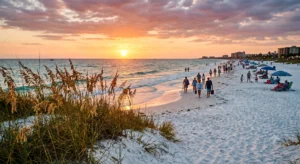
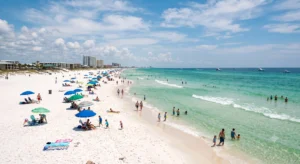
Water temperatures comfortable (75-82°F / 24-28°C), air temperatures warm without being oppressive, minimal rain. South Beach in May at 9am before the crowds? Perfect.
Avoid: June-August (too hot, daily storms), January-February (water too cold for most swimmers).
Skip this: South Beach in August at midday. Do this instead: Siesta Key or Sanibel Island in April — same Gulf Coast beauty, half the crowds, better beaches.
Theme Parks
Best: Late January-early March (avoid spring break), late April-May, September-early November (avoid holidays)
Crowds lowest, weather manageable. January after New Year’s through mid-February is the sweet spot.
Avoid: Mid-March through Easter, June-August (heat + crowds), Thanksgiving week, Christmas-New Year.
Skip this: Magic Kingdom on Christmas Day. Do this instead: Epcot in late January — lower crowds, Food & Wine Festival still running, comfortable walking weather.
Keys Road Trip
Best: November-May
Hurricane risk minimal, temperatures perfect for outdoor activities, water warm enough for snorkeling and diving.
Avoid: June-November (hurricane season), especially September-October.
Skip this: Key West during Fantasy Fest (late October) unless you’re specifically there for the party. Do this instead: Islamorada or Marathon in April — same Keys experience, lower prices, easier parking.
Crowd Levels
Highest:
- Christmas-New Year (theme parks at 100%+ capacity)
- Spring break (mid-March through early April)
- Presidents Day weekend (February)
- Thanksgiving week
Moderate:
- January (after New Year’s, before Presidents Day)
- May (after spring break, before summer)
- October (building toward Halloween)
- Early December (before holiday rush)
Lowest:
- September (hurricane season keeps people away)
- Early June (before schools fully release)
- Late August (after most families return home)
- Early November (after Halloween, before Thanksgiving)
Theme parks publish crowd calendars, but they’re conservative. I’ve been to Universal in late January on a “moderate” crowd day that felt empty. Conversely, a “low” crowd day in July still means 90-minute waits because everyone’s there at once.
Final Recommendation
For beach vacations: April-May or November. You’ll pay 15-25% more than summer, but you’ll actually enjoy being outside.
For theme parks: Late January-February or September-October (monitoring hurricane forecasts). Avoid spring break and holidays at all costs.
For budget travelers: September if you accept hurricane risk, or late May/early June before peak summer.
For snowbirds: January-March, but book 6-12 months ahead and accept peak pricing.
The honest truth: Florida is most pleasant when most expensive (winter/spring). You can save money in summer/fall, but you’re trading comfort and weather certainty for lower rates. There’s no perfect time — only the best time for your priorities.
Frequently Asked Questions About Best Time to Visit Florida
What is the cheapest month to visit Florida?
September offers the lowest hotel rates and airfare, but it’s peak hurricane season with high humidity. If you can tolerate weather risk, you’ll save 30-40% compared to winter peak rates. Book refundable accommodations.
When is hurricane season in Florida?
Official hurricane season runs June 1 through November 30, with peak activity from mid-August through October. September has the highest statistical risk. The Keys and southwest coast face the greatest exposure.
What month has the best weather in Florida?
April and May offer the best balance: warm temperatures (75-85°F / 24-29°C), lower humidity, minimal rain, and ocean temperatures comfortable for swimming. Crowds are moderate, and prices haven’t peaked yet.
Is Florida too hot in summer?
July and August average 90-95°F (32-35°C) with 80-90% humidity. Afternoon thunderstorms are daily occurrences. If you’re doing outdoor activities, plan for 6am-11am and 4pm onward. Midday is brutal.
Continue Exploring
- Florida travel guide — Comprehensive planning resource covering destinations, logistics, and itineraries across all Florida regions.
- Miami travel guide — Deep dive into South Florida’s largest city with neighborhood guides, restaurant recommendations, and beach access details.