A safari in Gorongosa is not a luxury holiday where animals step in front of your camera on demand. Between 1977 and 1992, Mozambique’s civil war shattered this ecosystem, reducing large mammal populations by more than 90 percent. What exists today is one of the world’s most impressive ecological recoveries, but travellers should understand what that actually means on the ground.
You are not visiting a polished wilderness resort; you are stepping into a working restoration site where wildlife is wild, skittish in places, and rebuilding its natural habits.
If your ideal safari involves sipping cold gin and tonics while waiting for a guaranteed leopard sighting three minutes from a paved road, Gorongosa will frustrate you. If you want to see how an entire landscape recovers—and don’t mind long transfers and unpaved, dusty tracks—it offers an experience that commercial reserves in Southern Africa lost decades ago.
Quick Verdict: Is Gorongosa National Park Worth It?
Verdict: Yes, but primarily for experienced safari-goers, conservation enthusiasts, and travellers willing to trade luxury pampering for authentic wilderness.
- Who Should Go: Second- or third-time safari travellers, birdwatchers, conservationists, and those who prefer quiet wilderness over packed vehicle sightings.
- Who Should Skip: First-time safari-goers looking for quick Big Five checklists, families with small children requiring constant entertainment, or travelers seeking ultra-luxury lodge amenities.
- The Biggest Trade-Off: Getting to the park takes effort, and wildlife densities in certain sectors require long drives and patient tracking.
Quick Facts
| Information | Details |
| Best Time to Visit | July to October (Dry season; clear roads, high wildlife visibility) |
| Budget Level | Mid-range to Upper Mid-range (More accessible than Botswana; supports park ops) |
| Primary Base | Chitengo Safari Camp (Central hub inside the park) |
| Transport | Fly to Beira or Chimoio, then a 3.5–4.5 hour 4×4 road transfer |
| Visa Requirements | Verify current entry and e-visa rules with official Mozambican immigration |
What This Place Is Actually Like
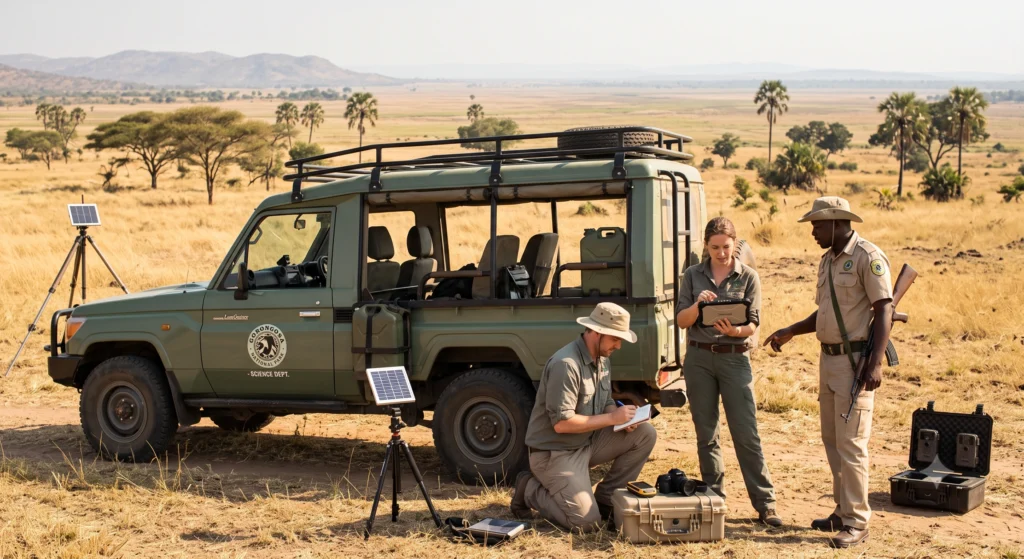
Gorongosa feels active and operational. Unlike private game reserves that mask all behind-the-scenes effort, Gorongosa integrates its research, community projects, and tourism into one visible system. At the central camp, you will sit near scientists, local rangers, and visiting researchers.
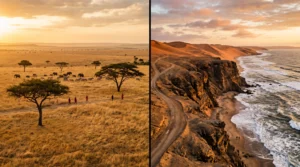
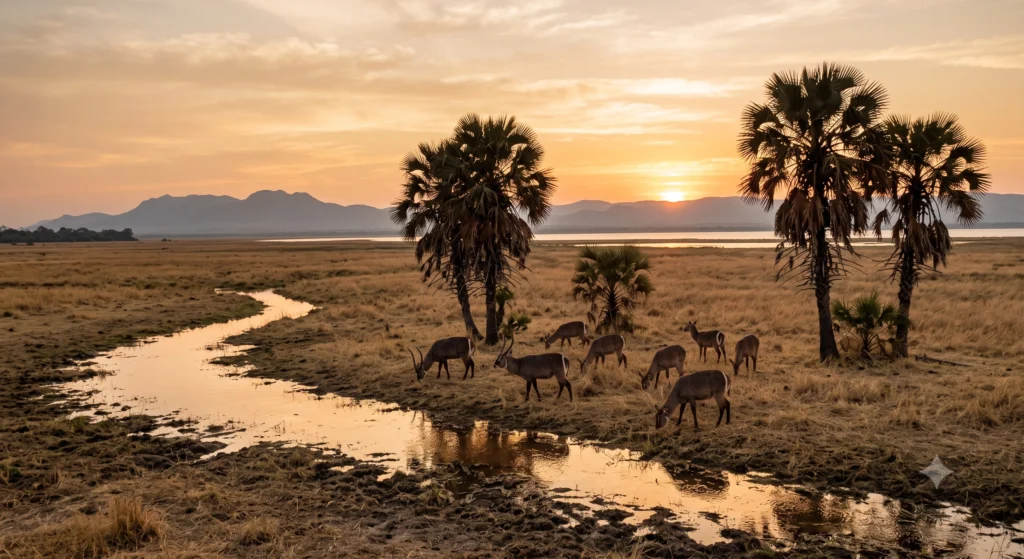
The landscape is diverse: fever tree forests, open floodplains around Lake Urema, limestone gorges, and woodland canopy. Because the park covers more than 4,000 square kilometres, game drives cover vast distances.
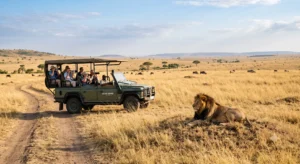
Wildlife behaviour here differs from places like Kruger. While waterbuck and baboons are omnipresent, predators like lions and re-introduced African wild dogs are naturally elusive. You are tracking animals in a large, unfenced system rather than following radio calls to a sleepy pride.
What Makes It Worth Your Time
1. Witnessing Real Rewilding
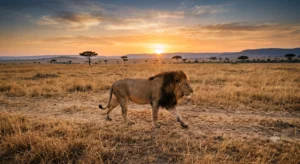
Over 100,000 large mammals now roam the park, up from a few thousand at the turn of the century. Seeing a healthy pack of African wild dogs or a lion pride here carries a distinct sense of purpose because you understand the effort required to rebuild their habitat.
2. The E.O. Wilson Biodiversity Laboratory
Visitors can tour the park’s research facility. Learning how scientists catalogue endemic insects, monitor predator genetics, and study plant life adds intellectual depth that typical bush drives lack.
3. Mount Gorongosa & Coffee Communities
Outside the main safari gates sits Mount Gorongosa. The project supports shade-grown coffee farming on its slopes to prevent deforestation while providing local income. Visiting the rainforest canopy and tasting local coffee connects wilderness preservation directly with local community livelihoods.
Where To Stay
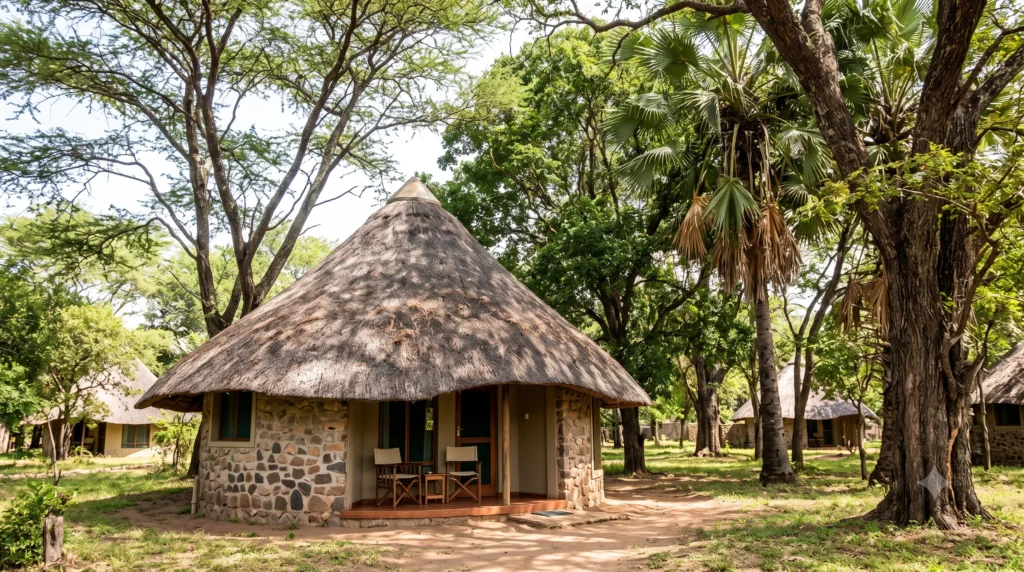
Accommodation options inside Gorongosa are centralized, which keeps logistics simple but options limited.
Chitengo Safari Camp (Main Hub)
- Suitability: Fits almost all visitors, from solo travellers to small groups.
- The Experience: Air-conditioned stone bungalows, premium rooms, and canvas safari tents shaded by fever trees. It features a swimming pool and the Muzika Restaurant.
- Trade-Off: It feels more like an organized conservation base than a secluded safari lodge. Do not expect isolated private decks overlooking a private waterhole.
Seasonal Fly-Camps
- Suitability: Adventurous travellers seeking immersive wilderness.
- The Experience: Mobile, lightweight canvas setups deployed in remote areas during the peak dry season, offering night skies and guided walking safaris.
- Trade-Off: Shared basic facilities, bucket showers, and seasonal availability.
Getting Around: The Logistics Reality
Reaching Gorongosa requires planning:
- Air Connections: Fly into Beira (BEW) or Chimoio (IMO) via Johannesburg or Maputo.
- Road Transfers: From Beira or Chimoio, expect a 3.5 to 4.5-hour drive. The final hour involves unpaved park roads that become rough and slow. A 4×4 vehicle is required.
- Schedules: Transport options and charter flight availability vary. Current rates, schedules, and road conditions should be checked before booking.
What It Really Costs
Gorongosa is priced reasonably compared to the high-end private reserves of Botswana or Tanzania, but it is not a budget backpacker destination due to transport logistics.
- Mid-Range Travel: Staying in standard bungalows or safari tents at Chitengo, using shared park game drives, and arranging ground transfers. This offers high value for money.
- Upper Mid-Range: Booking premium suites, private safari vehicles, and taking a day trip to Mount Gorongosa.
- Budget Reality: Daily conservation fees directly fund the park’s schools, health clinics, and ranger patrols. You are paying for ecosystem restoration as much as hospitality.
What To Skip And What To Do Instead
- Skip: Expecting a quick Big Five checklist. Rhinos are not present in the park, and tracking leopards requires luck and time.
- Do Instead: Focus on the park’s high concentrations of waterbuck, diverse bird species (over 500 recorded), and unique landscape dynamics around Lake Urema.
- Skip: Visiting during the peak rainy months (January to April). Heavy rains flood the tracks, making roads impassable and limiting wildlife viewing.
- Do Instead: Schedule your trip between July and October when dry weather forces wildlife toward visible water sources.
Final Recommendation
Gorongosa is a compelling destination for travellers who care about how conservation works, not just what it looks like on a postcard. If you require private plunge pools and guaranteed predator sightings, spend your budget in the Sabi Sands or the Mara. But if you want to experience an African wilderness coming back to life, Gorongosa offers an educational and rewarding journey.
FAQ
Can I see the Big Five in Gorongosa National Park?
No. While lions and elephants are recovering well, rhinos are absent, and leopards remain elusive. Gorongosa should be visited for its overall ecological revival, birdlife, and wilderness scale rather than a standard Big Five checklist.
Is Gorongosa safe for international travellers?
Yes. The park and its surrounding communities have been peaceful for years, operating as a model of conservation security. Standard travel precautions apply when transiting through major hubs like Beira.
When is the best time of year to visit Gorongosa?
The dry season, from July to October, is best. Roads are accessible, vegetation thins out, and animals gather around Lake Urema and remaining waterholes. Many park tracks close during the heavy rainy season from January to April.
How do I get to Gorongosa National Park?
Most visitors fly into Beira or Chimoio, followed by a 3.5 to 4.5-hour 4×4 road transfer to Chitengo Safari Camp. Schedules can change, so confirm transfers with your operator before travel.