
New York City sells itself through an aggressive, unbroken myth: that it is a cinematic playground where every street corner hums with effortless energy and every meal is a revelation. Movies teach us to expect romance on brownstone steps, effortless yellow cabs waiting in the rain, and a city that bends effortlessly to the whims of the visitor. The reality is somewhat more abrasive.
New York does not adapt to you; you adapt to it. It is loud, unapologetically expensive, spatially chaotic, and physically demanding. Yet, beneath the friction lies an urban ecosystem of peerless cultural depth, kinetic neighborhoods, and food traditions that span every corner of the globe.
Understanding New York before you book is not about memorizing a checklist of monuments. It is about understanding the hidden taxes on your time and energy. If you arrive expecting a seamless vacation, the city’s pace will overwhelm you within forty-eight hours.
If you arrive understanding that New York rewards patience, strategic neighborhood wandering, and a willingness to step off the main tourist drag, it becomes one of the most compelling places on earth. This guide cuts through the postcard gloss to give you an honest appraisal of what a trip to New York actually entails—what demands your attention, what drains your wallet, and what you can comfortably leave off.
Quick Verdict: Is New York City Worth It?
Quick Verdict: Yes, but only if you approach it with intentionality and a realistic budget.
- Who should go: Independent explorers, food enthusiasts, art lovers, and travelers who enjoy walking miles through distinct urban landscapes.
- Who should skip: Travelers looking for a relaxing, low-stress getaway, or those on a tight budget who will feel squeezed by American urban pricing.
- The biggest trade-off: You will trade personal space, physical rest, and financial thrift for an unmatched concentration of culture, culinary diversity, and pulse-pounding urban energy.
Quick Facts
| Information | Details |
| Best time | April to May (Spring) and September to November (Autumn) for manageable weather. |
| Budget | High. Expect standard daily expenditures to easily outpace most major global capitals. |
| Best area | Lower Manhattan, West Village, or Brooklyn (Williamsburg/Greenpoint) for neighborhood character. |
| Transport | MTA Subway for distance; your own feet for actual discovery. Cabs are for emergencies. |
What This Place Is Actually Like
The physical scale of New York City is often misjudged by first-time visitors who look at a map and assume they can walk from midtown museums to downtown galleries before lunch. Manhattan is a long, compressed spine of asphalt, steel, and vertical ambition, flanked by boroughs that possess entirely distinct cultural identities.
The pace is frantic. Sidewalks act as highways where dawdling tourists are treated with silent, efficient irritation by locals trying to get to work.
The atmosphere shifts dramatically block by block. You can step out of a sterile corporate corridor on Sixth Avenue and find yourself three minutes later beneath the low-slung brick facades of Greenwich Village, smelling espresso and baking bread.
Visitors frequently experience sensory overload during their first two days. Sirens, subway hums, construction noise, and shifting microclimates create a constant backdrop. If you embrace the noise rather than fighting it, the city stops feeling hostile and starts feeling alive.
However, if you require quiet spaces to decompress, you will need to schedule intentional pauses—such as an afternoon in Central Park or the Cloisters—to survive the mental velocity.
What Makes It Worth Your Time
New York justifies its reputation not through a single landmark, but through its sheer density of excellence. The primary reason to come is the urban texture—the way immigration, history, and capital have collided to build a mosaic of neighborhoods.
The museum landscape alone warrants the flight. Institutions like The Metropolitan Museum of Art or MoMA house collections so vast that trying to see them in a single afternoon is a fool’s errand. Instead, the magic lies in picking one wing, absorbing it deeply, and leaving before cognitive fatigue sets in.
Similarly, the food culture is not about finding the “best restaurant in the city”—a mythical title that changes daily—but about the casual brilliance of getting a phenomenal slice of pizza in Brooklyn, authentic hand-pulled noodles in Flushing, or dim sum in Chinatown without spending a fortune.
Where To Stay
Where you sleep dictates the shape of your entire trip. Many first-timers make the mistake of booking hotels in Times Square because it looks central on a map. This is a tactical error. Times Square is a neon-lit theme park devoid of local life, plagued by chain restaurants, and far from the city’s actual soul.
- Lower Manhattan & The Village: Ideal for first-timers who want historic charm, walkable access to downtown parks, and great dining. Prices are steep, rooms are notoriously compact, but the atmosphere is quintessentially New York.
- Brooklyn (Williamsburg, Dumbs, or Downtown): Best for travelers looking for a younger, more creative energy, independent coffee shops, and spectacular views of the Manhattan skyline across the East River. Subway connections into Manhattan are quick and reliable.
- Long Island City (Queens): A smart budget-conscious alternative. Hotels are often newer, slightly larger, and cheaper, sitting just one or two subway stops away from Midtown Manhattan.
Getting Around
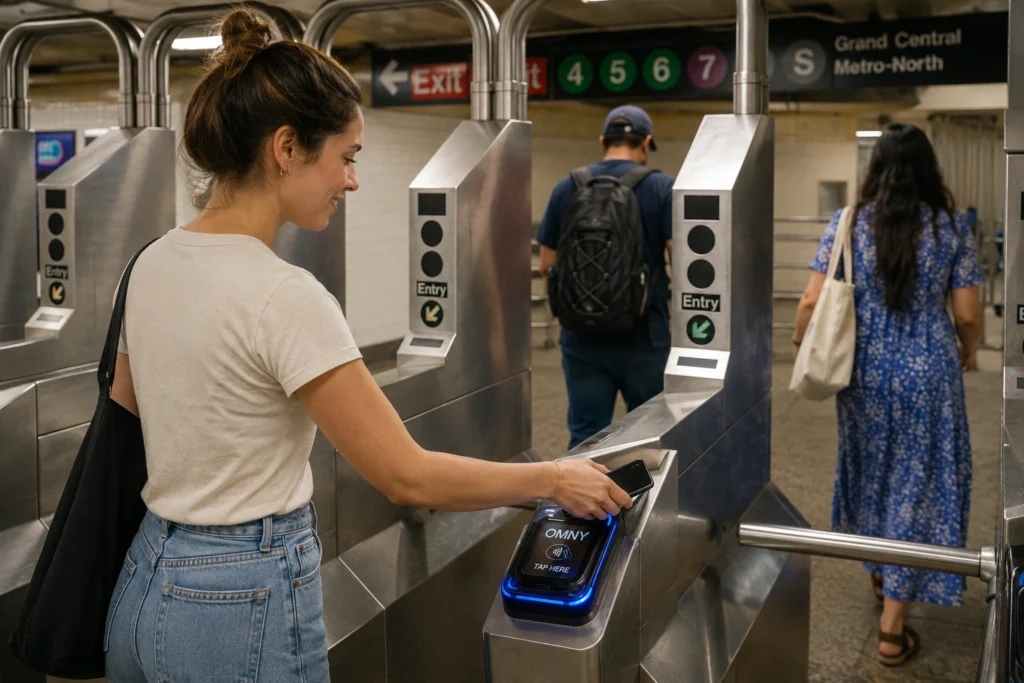
The golden rule of New York transport is simple: never rely on cars for cross-town travel during daytime or evening hours. Traffic gridlock is legendary, and a yellow cab or rideshare will drain your budget while trapping you behind delivery trucks on 8th Avenue.
Instead, master the MTA Subway. It is dirty, loud, delightfully chaotic, and runs 24/7. It is also the absolute fastest way to slice through the city. You don’t even need to buy a traditional MetroCard anymore; turnstiles accept contactless credit cards and smartphone wallets (OMNY) directly.
Expect delays, track changes on weekends, and always check for service advisories posted near the station entrance. Beyond the subway, New York is fundamentally a walking city. Pack broken-in, supportive shoes—your fitness app will thank you, even if your calves protest by day three.
What It Really Costs
New York is an expensive city, and post-pandemic inflation has made budgeting even more critical. There is no such thing as a “budget trip” to NYC, but you can manage costs based on your style:
- The Budget Option ($150–$250 per day): Staying in outer-borough hostels or budget hotels, eating slice-of-pizza lunches, grabbing street cart falafel or bodega sandwiches, and utilizing free attractions like the Staten Island Ferry, Central Park, and public art installations.
- The Comfortable Option ($350–$600 per day): A mid-range boutique hotel in Manhattan or Brooklyn, sitting down for casual neighborhood dinners, grabbing artisanal coffee, and paying for two or three major ticketed cultural experiences or shows.
- The Premium Option ($700+ per day): Luxury hotels, pre-booked reservations at acclaimed restaurants, Broadway tickets from prime orchestra seats, and private car services when walking or subways won’t suffice.
- Note: Remember that advertised prices never include tax (roughly 8.875%) or tips (standard sit-down restaurant tipping starts at 18–20%), which will quietly inflate every bill.
What To Skip And What To Do Instead
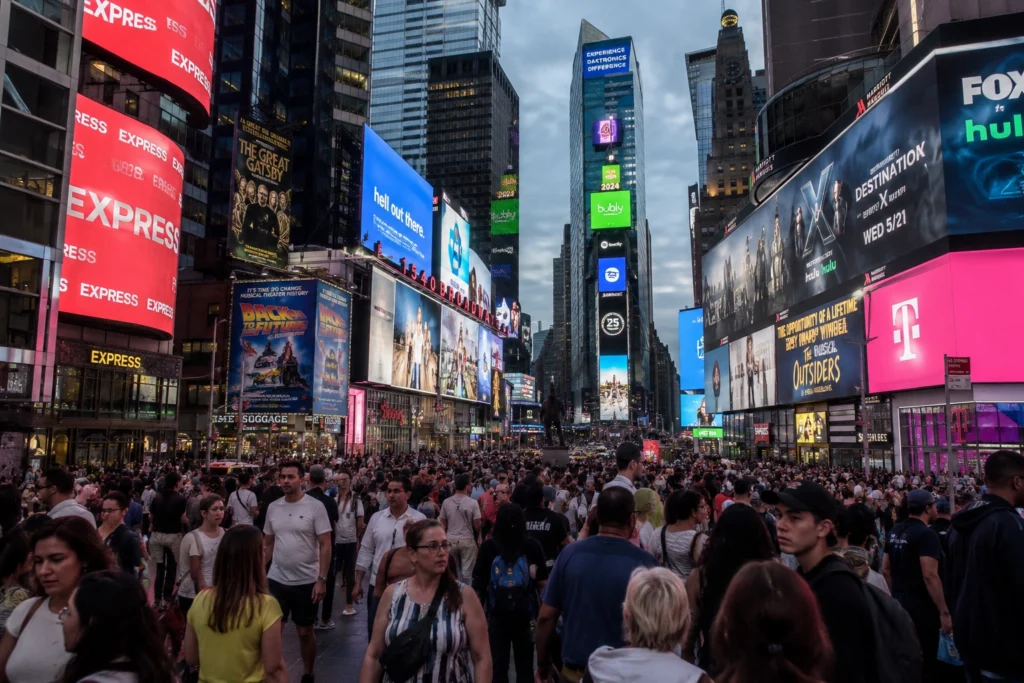
- Skip: Times Square after dark.
- Why: It is an overcrowded, overpriced gauntlet of chain stores and aggressive costumed characters.
- Do Instead: Walk down through Greenwich Village or head to the Brooklyn waterfront at DUMBO for illuminated night views that actually feel cinematic.
- Skip: Standard Empire State Building or Top of the Rock observation decks (unless booked far in advance with specific golden hour slots).
- Why: Long lines, high ticket prices, and crowds that obscure the actual view.
- Do Instead: Book a ticket up Summit One Vanderbilt for an immersive, mirror-and-glass installation experience that feels genuinely unique, or walk across the Brooklyn Bridge at sunrise for free.
- Skip: Eating at generic chain restaurants or obvious tourist traps around major museums.
- Why: Mediocre food at inflated prices.
- Do Instead: Use local neighborhood apps or wander three blocks away from any major attraction to find a corner bistro, diner, or ethnic eatery packed with neighborhood residents.
Final Recommendation
New York City is not a place you visit to rest; it is a place you visit to engage. It demands your attention, tests your patience, and occasionally exhausts your finances. Yet, it repays that investment with moments of profound beauty, cultural revelation, and human variety that few other cities can match.
If you come looking for perfection, you will leave frustrated. If you come looking for an authentic, high-velocity urban experience, you will leave planning your return.
FAQ
Is New York City safe for solo travellers?
Yes. New York is statistically one of the safest large cities in the United States. Basic urban awareness is required—keep your wits about you late at night in empty areas, and keep an eye on your belongings in crowded subway cars—but solo travelers navigate the city comfortably every day.
How many days do I need for a first trip?
Five to seven days is the sweet spot. Anything less than four days leaves you trapped in a cycle of rushing between major monuments without actually experiencing the cadence of individual neighborhoods. Give yourself time to get lost.
Do I need to tip everywhere in New York?
Yes. Tipping is not optional in the American service industry model. In restaurants, tip 18 to 20 percent for standard table service. Tip bartenders $1–$2 per drink, and leave a few dollars a day for hotel housekeeping.
Is it better to use the subway or cabs?
Always choose the subway for speed and predictability. Cabs and rideshares are useful late at night when subways run less frequently, or if you are carrying heavy luggage across boroughs, but during the day, traffic will trap you.
Can I get by without making restaurant reservations?
For casual spots, diners, and food trucks, no reservations are needed. However, if you want to eat at any notable, hyped, or critically acclaimed restaurant in Manhattan or Brooklyn, you must book weeks in advance—sometimes right when reservations drop online.