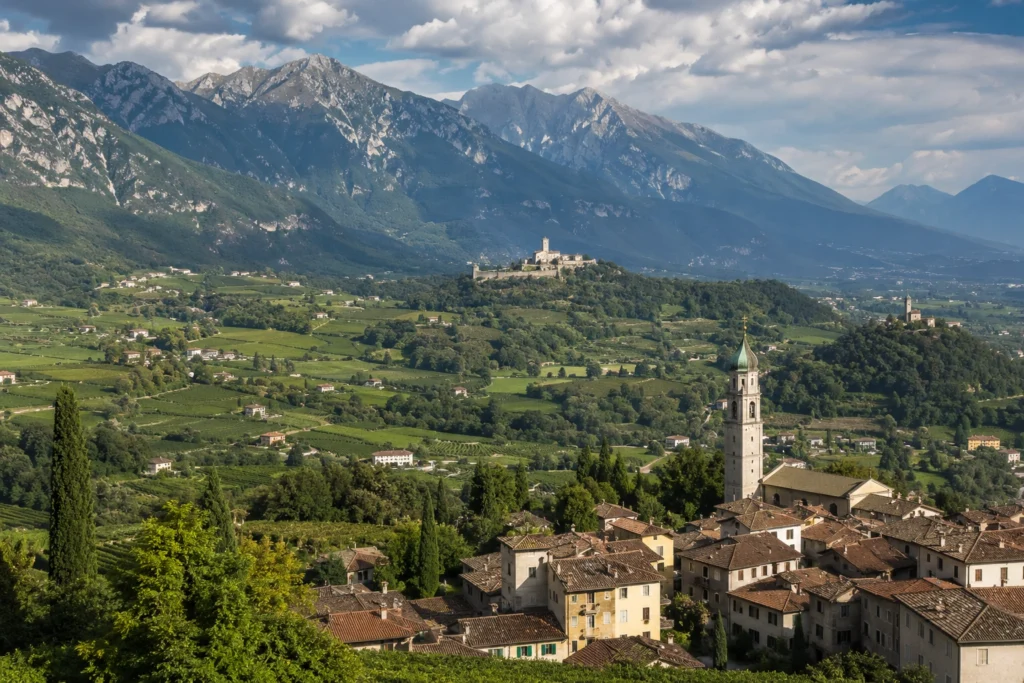
Venice is one of those places where the reputation almost becomes bigger than the reality. The canals, bridges and historic buildings are genuinely extraordinary, but many travellers arrive expecting the entire Veneto region to feel like an extension of Venice.
It does not.
And that is actually the reason Veneto is worth considering.
The region surrounding Venice offers a completely different side of northern Italy: university cities with fewer crowds, elegant towns shaped by Renaissance wealth, vineyard landscapes, mountain villages and the dramatic peaks of the Dolomites. The challenge is deciding how much of it deserves your limited holiday time.
The region surrounding Venice offers a completely different side of northern Italy: university cities with fewer crowds, elegant towns shaped by Renaissance wealth, vineyard landscapes, mountain villages and the dramatic peaks of the Dolomites. The challenge is deciding how much of it deserves your limited holiday time.
Veneto is not a destination where every stop will impress every traveller. Venice can feel overwhelming, Cortina can feel expensive, and some famous places may not justify the time if your itinerary is already packed.
But for travellers who want more than Italy’s headline attractions, Veneto offers something valuable: variety without needing long transfers.
This guide explains what Veneto is actually like, where your time is best spent, what may disappoint you, and whether this region belongs on your Italy itinerary.
Quick Verdict: Is Veneto Worth It?
Yes — for travellers who want culture, food, history and landscapes without staying only in Italy’s most famous cities.
Veneto is especially worth visiting if:
- you have at least 4–7 days in northern Italy
- you enjoy historic cities more than checklist sightseeing
- you want access to both countryside and mountains
- you prefer mixing famous places with quieter experiences
It may not be the best choice if:
- this is your first short Italy trip and you only have a few days
- you want beaches and Mediterranean weather
- you dislike moving between different bases
The biggest trade-off:
Veneto gives you incredible variety, but the region is too spread out to experience properly by rushing from place to place.
The mistake many travellers make is treating Veneto as “Venice plus day trips.” The region deserves more attention than that.
Quick Facts: Veneto Travel
| Information | Details |
|---|---|
| Best time | Spring (March–May) and early autumn (September–October) |
| Budget expectation | Moderate; Venice and Cortina are expensive areas |
| Best bases | Venice, Verona, Padua, Vicenza depending on style |
| Transport | Trains work well between cities; car helps countryside and mountains |
| Best for | Culture, food, architecture, hiking, wine |
| Not ideal for | Travellers wanting a simple beach holiday |
Summer is the busiest period, with higher prices and heavier crowds. Spring and early autumn often provide a better balance of weather, fewer visitors and more comfortable sightseeing.
What Veneto Is Actually Like
Veneto is not one single travel experience.The south feels historic and urban. Cities like Padua, Vicenza and Verona are built around art, architecture and centuries of regional influence. The north feels completely different.
The Dolomites create a dramatic mountain landscape where hiking, cycling and winter sports become the main attraction. Between them are vineyards, villages and countryside roads where travelling slowly becomes part of the experience. This variety is Veneto’s greatest strength — but also its biggest planning challenge.A traveller expecting a compact region may underestimate distances.
What Makes Veneto Worth Your Time
1. Seeing Italy Beyond Venice
Venice deserves its reputation, but staying only there means missing some of Veneto’s most interesting places.
Padua is a good example.
It has historic markets, university life and remarkable art, including the famous Scrovegni Chapel with Giotto’s frescoes. Unlike Venice, it feels like a functioning Italian city rather than a place built mainly around visitors.
Best for:
Travellers who want culture without constant crowds.
Worth knowing:
If you are looking for dramatic canals and romantic atmosphere, Padua will feel more ordinary. Its appeal is depth, not instant spectacle.
2. Verona Is More Than Romeo And Juliet
Verona attracts visitors because of Shakespeare’s connection, but reducing it to romance misses the point.
The city combines Roman history, medieval streets and elegant public spaces.
It is easier to explore than Venice and often works well for travellers who want a beautiful Italian city without the same level of pressure.
Worth doing:
- walking the historic centre
- exploring Roman remains
- spending an evening in the old streets
Overrated:
The Romeo and Juliet connection.
The story brings people here, but the city itself is the real reason to stay.
3. The Dolomites Add A Completely Different Italy
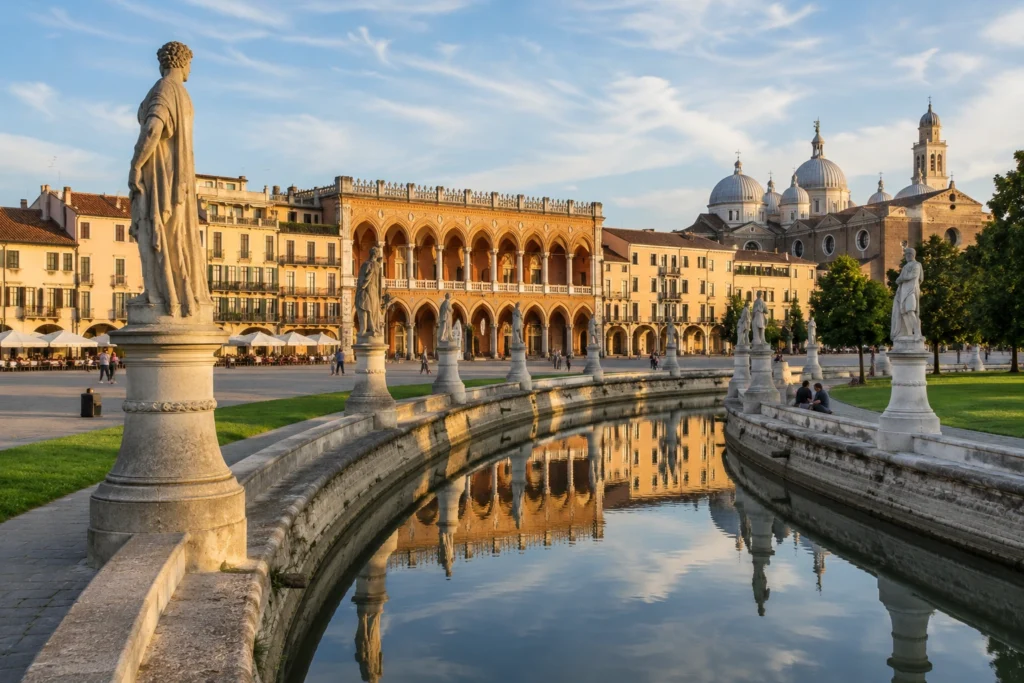
Many visitors think of Italy mainly through cities and coastlines.
The Dolomites challenge that image.
Around Cortina d’Ampezzo, Veneto becomes a mountain destination with hiking trails, skiing and dramatic scenery.
Worth doing if you enjoy:
- outdoor activities
- photography
- scenic drives
- slower travel
Possible downside:
Mountain travel requires more planning. Public transport is less convenient than between major cities, and accommodation prices can rise significantly in popular areas.
A car is often the easiest way to explore mountain areas.
Where To Stay In Veneto
Venice
Best for: First-time visitors, architecture lovers, romantic trips
Venice is unforgettable, but it comes with compromises.
Expect:
- higher accommodation prices
- crowds around major sights
- busy transport areas
A quieter stay can completely change the experience, especially outside peak hours.
Verona
Best for: Couples, first-time Veneto visitors, city breaks
Verona offers a good balance:
historic atmosphere, restaurants, walkability and easier logistics.
It is one of the strongest bases for exploring the region.
Padua
Best for: Budget-conscious travellers and longer stays
Padua is practical rather than glamorous.
The advantage is location and value.
It works well if you want to take day trips while avoiding Venice prices.
Cortina d’Ampezzo
Best for: Mountain lovers
Cortina is beautiful but not a budget destination.
Choose it because you want the Dolomites experience, not because it is a cheap base.
Getting Around Veneto
The easiest way to travel between major cities is usually by train.
Venice, Padua, Verona and Vicenza have strong rail connections.
For rural areas and mountain regions, a rental car becomes much more useful.
A common mistake is renting a car too early.
You do not need one for cities.
Driving in historic centres can also create unnecessary stress because many areas restrict traffic.
A smarter approach:
- explore cities by train
- rent a car only when heading into countryside or mountains
What Veneto Really Costs
Veneto can fit different budgets, but location matters.
Budget Traveller
Expect:
- hostels or simple accommodation
- local restaurants
- public transport
Better-value bases:
- Padua
- Vicenza
- smaller towns
Comfortable Traveller
Expect:
- private hotels
- better restaurants
- occasional tours
Premium Traveller
Venice and Cortina offer luxury experiences, but they come with premium prices.
The biggest money-saving decision is not choosing cheaper restaurants — it is choosing the right base.
What To Skip And What To Do Instead
Skip: Spending Your Entire Trip In Venice
Venice is extraordinary, but making it your only Veneto experience limits what you see.
Better alternative:
Combine Venice with Verona, Padua or the countryside.
Skip: Trying To See Everything
Veneto looks manageable on a map.
It is not.
Moving every night creates a trip based around luggage instead of experiences.
Better alternative:
Choose two bases and explore slowly.
Skip: Expecting Cortina To Be A Budget Mountain Escape
Cortina is beautiful, but popularity comes with higher costs.
Better alternative:
Compare nearby mountain villages depending on your priorities.
Who Should Visit Veneto?
Veneto is ideal for:
✓ travellers who enjoy history
✓ couples looking for varied experiences
✓ food and wine lovers
✓ travellers who want Italy beyond famous landmarks
✓ hikers combining cities with mountains
It may disappoint:
✗ travellers wanting one simple destination
✗ people looking for cheap Italy
✗ visitors with only two or three days
Final Recommendation
Veneto is worth visiting because it gives travellers something many Italian regions cannot: multiple versions of Italy in one trip.
You can walk through Renaissance cities, drink wine among vineyards, explore medieval streets and stand beneath dramatic mountains.
But do not approach Veneto as a checklist.
The best experience comes from choosing fewer places and giving them enough time.
If you only have a short Italy trip, Venice may still deserve your attention.
If you have a week or more, Veneto becomes much more interesting — because the region’s real character starts after you leave the lagoon.
FAQ
Is Veneto worth visiting without Venice?
Yes. Cities like Verona, Padua and Vicenza offer history, architecture and local atmosphere without Venice’s crowds. The region is especially rewarding for travellers who want a broader northern Italy experience.
How many days do you need in Veneto?
A minimum of four days allows a basic introduction, but one week is better if you want cities, countryside and mountains without rushing.
Is Veneto expensive?
Some areas are expensive, especially Venice and Cortina d’Ampezzo. Smaller cities and rural areas can offer much better value.
What is the best month to visit Veneto?
Spring and early autumn are usually the most comfortable periods. Summer brings larger crowds and higher prices, while winter is better suited for mountain sports.
Should I rent a car in Veneto?
Not for major cities. Trains are usually easier. A car becomes useful when exploring countryside villages and the Dolomites.