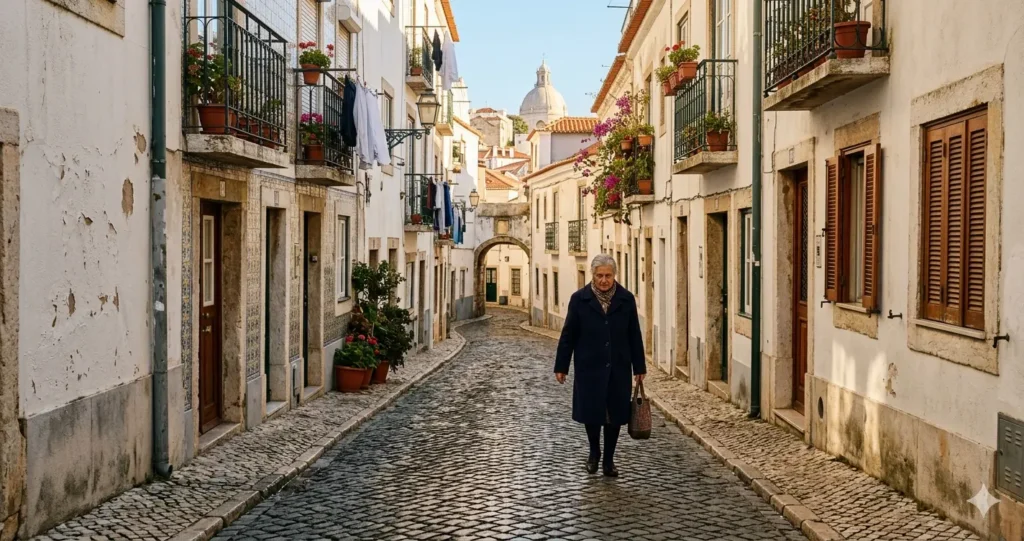
Portugal in November is a calculated gamble that pays out in half-price luxury and the rare gift of silence. By the time the first week of the month hits, the cruise ship swarms in Lisbon have thinned to a trickle, and the humid, oppressive heat of the Alentejo has vanished. You are trading the guarantee of a tan for the guarantee of a table at the best restaurants in the country without a three-week lead time.
I spent last November moving between a damp, atmospheric Porto and a startlingly bright Lagos. While the north felt like a moody Fado song come to life, the south felt like an extended summer that everyone else had forgotten to attend. This is the month for the traveler who prefers the smell of roasting chestnuts on a Lisbon street corner to the smell of SPF 50. This post covers the logistical realities, regional weather divides, and the specific budget you need for a successful autumn trip to Portugal.
The November Reality: Answer First
If you want the short answer: Yes, portugal in november is worth it, provided you stay south of Coimbra. If your goal is beach lounging, you are in the wrong month. If your goal is hiking the Seven Hanging Valleys Trail or exploring the Jerónimos Monastery without a two-hour wait, you have found the sweet spot.
The most significant advantage is the price-to-quality ratio. Five-star hotels in the Algarve that command €450 in July often drop to €160 by mid-November. The trade-off is the rain. You will see it, especially in the north. But unlike the grey, persistent drizzle of London, Portuguese rain in November often comes in short, violent bursts followed by clear, high-contrast skies that are a photographer’s dream.
Weather and Regional Nuance: From Porto to the Algarve
Portugal is a small country, but in November, it behaves like two different climates.
- The North (Porto and the Douro Valley): Expect it to be wet. Porto averages about 15 days of rain in November. Temperatures hover around 12°C to 15°C. The Douro Valley is beautiful but can be misty; many of the smaller quintas (wine estates) begin to wind down their visitor programs, though major ones remain open for tastings by the fire.
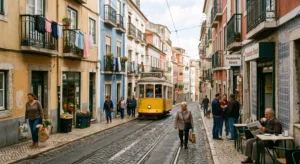
- Central Portugal (Lisbon and Sintra): This is the most unpredictable zone. You might get a week of 20°C “St. Martin’s Summer” (Verão de São Martinho) around November 11th, or you might get whipped by Atlantic winds. Sintra in November is actually superior to August; the mist clinging to the Pena Palace adds a gothic layer that the summer sun bleaches out.
- The South (The Algarve): This is the “hidden” play. While the rest of Europe freezes, the Algarve stays between 17°C and 19°C. It is too cold for the Atlantic to be comfortable for most, but it is perfect for walking the clifftops in a light sweater.
The Cost of Autumn: 2025–2026 Price Realities
Portugal remains one of the more accessible entries in Western Europe, but don’t expect “Eastern Europe” prices.
- Budget Tier: $100–$120/day. This covers a private room in a high-end hostel or budget guesthouse, two meals at tascas (traditional taverns), and public transit.
- Mid-Range Tier: $180–$220/day. This is where November shines. You can secure a 4-star boutique hotel in Chiado (Lisbon) and eat at mid-tier Michelin-recommended spots for this price.
- Luxury Tier: $350+/day. In November, this gets you into the Pousadas (historic luxury hotels) or top-tier resorts in Cascais that are triple the price in summer.
(2025–2026 rates — verify before travel)
Strategic Packing and Logistics
The biggest mistake people make when visiting portugal november is bringing an umbrella. The Atlantic wind will turn it inside out in three minutes. Instead, invest in a high-quality, thigh-length waterproof shell with a hood.
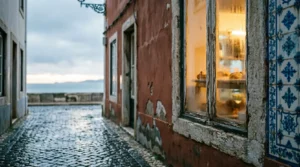
- Footwear: The limestone sidewalks (calçada portuguesa) are notoriously slippery when dry; when wet, they are essentially an ice rink. Leave the heels and smooth-soled dress shoes at home. You need rubber-soled shoes with actual grip.
- Layers: The sun is still strong. You will be in a t-shirt at 2:00 PM and reaching for a wool coat at 6:00 PM once the sun drops behind the Tejo.
- Transport: Trains are the most reliable way to navigate between Lisbon and Porto. Use the CP (Comboios de Portugal) Alfa Pendular service. (Schedules change — confirm before travel).
Where to Go (And Where to Skip) in November
Go to: The Algarve. Specifically, stay in Lagos or Tavira. Unlike Albufeira, which can feel like a ghost town of closed neon bars in the off-season, these towns have a year-round soul. The light on the Ponta da Piedade cliffs at 4:00 PM in November is more purple and gold than you’ll ever see in June.
Skip: The Azores. While beautiful, November is the height of storm season in the mid-Atlantic. Flights are frequently delayed by high winds, and the famous viewpoints are often completely socked in by clouds for days at a time. Save the islands for May.
The Honest Negative: Expect “Seasonal Maintenance.” Because November is the slowest month, many municipalities choose this time to shroud monuments in scaffolding or dig up streets. Last year, the Santa Justa Lift in Lisbon was closed for two weeks for cable work. Don’t be surprised if your “perfect” photo is interrupted by a construction crane.
The Alternative: If a major site is under wraps, head to the Museu Calouste Gulbenkian. It’s one of the world’s finest private art collections, rarely crowded in November, and the surrounding gardens are a masterclass in autumn landscaping.
Portugal travel guide: Our comprehensive guide to the mainland, covering everything from the vineyards of the North to the secret coves of the Alentejo.
Frequently Asked Questions About Portugal in November
Is November a good time to visit Lisbon?
Yes, if you enjoy culture over heat. You will find shorter lines at the Belém Tower and easier access to Fado clubs in Alfama. However, be prepared for grey skies and bring waterproof shoes, as the hills become very slick.
Can you swim in the ocean in Portugal in November?
Only if you are a surfer in a thick 4/3mm wetsuit. The Atlantic water temperature drops to around 16°C (61°F). While the sun might feel warm on the sand in the Algarve, the water is bracingly cold.
What is the 90/180-day rule for Portugal?
Portugal is part of the Schengen Area. Non-EU travelers (including Americans, Canadians, and Brits) can stay for a maximum of 90 days within any 180-day period. (Verify at official SEF/AIMA sources — rules change without notice).
Are there any festivals in Portugal in November?
The most important is São Martinho (St. Martin’s Day) on November 11th. It celebrates the “new wine” and roasted chestnuts. You’ll see bonfires and street parties in smaller villages and a festive atmosphere in Lisbon’s squares.
Continue Exploring
- Spain travel guide: Looking to combine your trip? Explore our deep dive into neighboring Spain’s autonomous communities and regional highlights.