I spent three weeks in Tokyo last autumn trying to find the perfect wallet for a carry-on-only setup. I brought a traditional bi-fold that ended up being too bulky for my pocket and a tech-heavy organizer that was overkill for just two credit cards and a passport.
The best travel wallet isn’t the one with the most compartments; it is the one that disappears until you need it, then functions flawlessly at a check-in counter or a crowded train station. This post evaluates top contenders for security and organization so you can pack for your trip without the baggage of a useless wallet.
Overview
Travel wallets generally fall into three categories: minimalist slim sleeves for daily carry, passport organizers for transit days, and security-focused neck or hidden pouches. Most feature RFID-blocking fabric, a feature designed to prevent unauthorized skimming of chips in passports and modern credit cards. While not an absolute requirement for every destination, it is a low-cost insurance policy against high-frequency electronic theft.
Choosing the right one depends entirely on how you manage your essentials: do you need to keep your passport on you at all times, or do you prefer a slim daily wallet and a separate secure storage for documents?
Key Information
RFID protection blocks signals at 13.56 MHz, which covers most modern credit cards and e-passports. It does not stop high-power signals like smartphones or car keys. (Verify at official government travel advice portals — rules for documentation entry change without notice). When purchasing, prioritize quality zippers and water-resistant materials, as these see the most wear during transit. Always look for dimensions that fit your specific pocket or bag organization style before finalizing your purchase.
Practical Tips
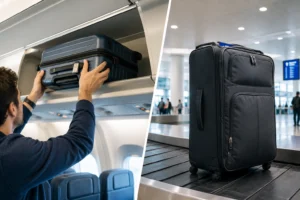
If you are flying budget carriers, check your luggage dimensions carefully; some large passport organizers will eat up precious space. Instead of stuffing a massive wallet, use a slim cardholder for daily use and store your passport in a secure bag pocket or hotel safe. If you lose your wallet abroad, the stress is immediate. Always keep a photocopy of your passport and a backup credit card in a separate bag or a secure digital vault to avoid being stranded without funds (2025–2026 rates — verify before travel).
Recommendations
Bellroy Travel Wallet
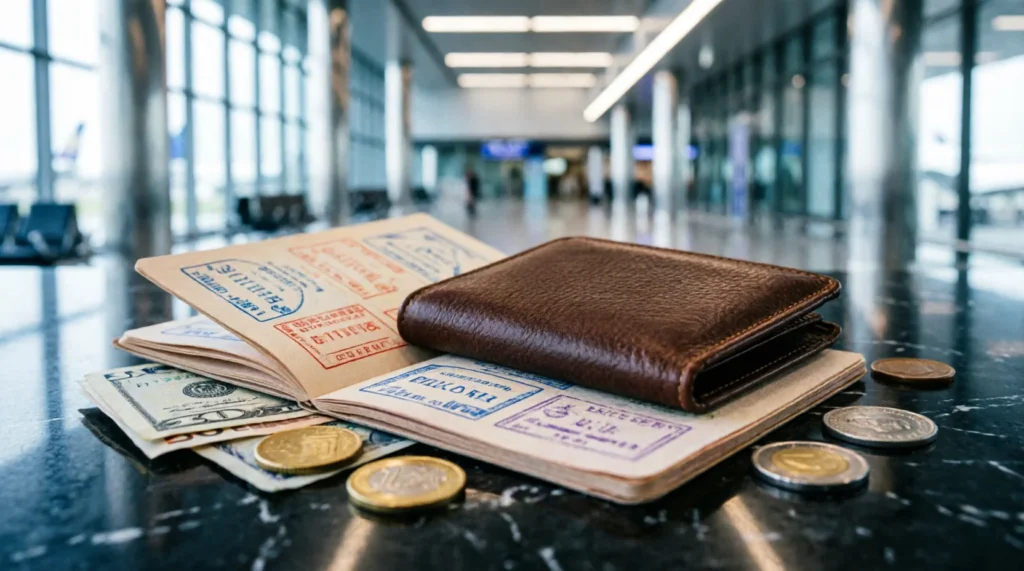
The Bellroy Travel Wallet costs approximately $119 (2025–2026 rates — verify before travel). It is designed for the traveler who wants to combine their daily wallet and passport holder into one premium leather piece. Its signature feature is a hidden micro-pen and a layout that keeps your passport and boarding pass easily accessible. The trade-off is its size; it is not a front-pocket daily carry. If you prefer a minimalist front-pocket wallet, the Buffway Slim RFID ($15–$20) is a better choice for daily use, keeping bulk to an absolute minimum.

Sea to Summit RFID Travel Wallet
The Sea to Summit RFID Travel Wallet is priced around $25–$30 (2025–2026 rates — verify before travel). It is for the active traveler who needs durability and water resistance in humid or rainy environments. It earns its place because of its lightweight, gusseted design that manages coins, notes, and passports without the bulk of leather. The limitation is the material; it lacks the professional aesthetic of a leather wallet for business travel. Choose a leather alternative like the Harber London passport cover if you need something that looks at home in a boardroom.
FAQ
Does RFID-blocking really work?
Yes, it blocks low-frequency signals used by contactless credit cards and e-passports to prevent opportunistic skimming. While not a catch-all security measure, it provides a functional barrier against common electronic theft methods in crowded travel hubs. It does not protect against physical theft or high-power signal interception.
Can I use a regular wallet for travel?
You certainly can, provided it fits your travel documents. Many travelers prefer a minimalist wallet for daily spending and a separate secure sleeve or bag for their passport. A travel-specific wallet is primarily useful for keeping your travel-essential documents and currency organized in one place during transit.
How do I choose between a neck wallet and a passport wallet?
Neck wallets prioritize security, keeping documents under your clothing, which is ideal for high-risk transit zones. Passport wallets prioritize accessibility, making it easier to show your documents at immigration or ticketing desks. If you value comfort and ease of use, a standard passport wallet is the superior choice.
Continue Exploring
- Read our full Travel Gear Pillar guide to see how these wallets fit into your broader packing system.
- For destination-specific advice, look into our upcoming guide on European train travel and safety essentials.