Some links earn TravelDiaryy a small commission — at no cost to you. We only recommend what we’d use ourselves.
After three weeks moving between Bangkok’s 35°C streets and Chiang Mai’s mountain temples, I learned one thing: the shirt you pack matters more than the camera. Cotton soaks up humidity and stays wet for hours. Quick-dry fabrics keep you cool and pass temple dress codes without a second thought. This list covers exactly what to pack for thailand—tested in real heat, real humidity, and real temple lines—with weights, prices, and the one item I’d leave behind next time.
Overview: Thailand’s Climate Reality
Thailand isn’t just “hot.” It’s 90% humidity that makes cotton feel like a wet towel by 10 AM. Temples require covered shoulders and knees—no exceptions. And laundry costs $1–2/kg in tourist areas, meaning you can pack half of what you think you need. (2025–2026 rates — verify before travel)
Forget “layers for every season.” Pack for one reality: sweat. Then add one lightweight layer for temples and air-conditioned BTS trains. Your thailand packing list should prioritize quick-dry fabrics, slip-on footwear, and items that pull double duty.
Key Information: Dress Codes, Laundry, and Humidity Hacks
The Grand Palace enforces a strict no-shorts rule; I watched three tourists get turned away at 10 AM in July because their “knee-length” shorts were actually 2cm too short. Temple dress codes aren’t suggestions. Shoulders covered. Knees covered. No sheer fabrics. Shoes you can remove in under five seconds.
Humidity strategy starts with fabric choice. Avoid denim, heavy cotton, and linen—they take 8+ hours to dry in Bangkok’s air. Quick-dry synthetics or merino wool dry in 2–3 hours, even hung in a hostel bathroom. Hand-wash sinks are standard in guesthouses; $1.50/kg laundry service is available in Chiang Mai’s old city. (2025–2026 rates — verify before travel)
Practical Tips: Pack Light, Stay Cool
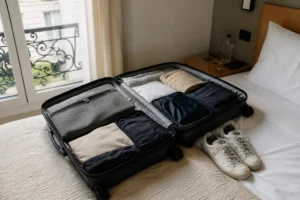
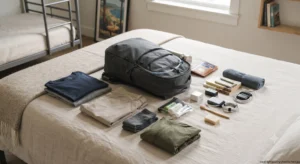
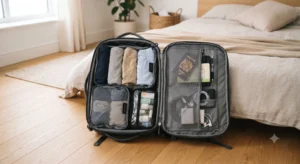
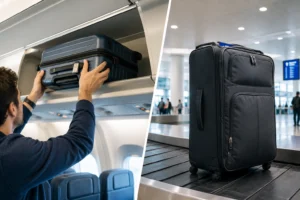
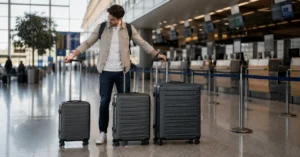
Weight-first approach: Total base weight for 2 weeks: 4.2 kg (9.3 lbs) not including toiletries. That’s carry-on compliant for Thai Airways (56×45×25cm limit) and leaves room for souvenirs.
Packing protocol:
- Lay out everything you think you need
- Remove half
- Add one sarong (doubles as scarf, beach cover-up, temple wrap, emergency towel)
Laundry reality: Most hostels and guesthouses have hand-wash sinks with detergent provided. In tourist zones, laundry services charge by weight, not item. A 2kg load costs ~$3 and returns same-day. (Schedules change — confirm before travel)
Recommendations: Tested Gear for First-Timers
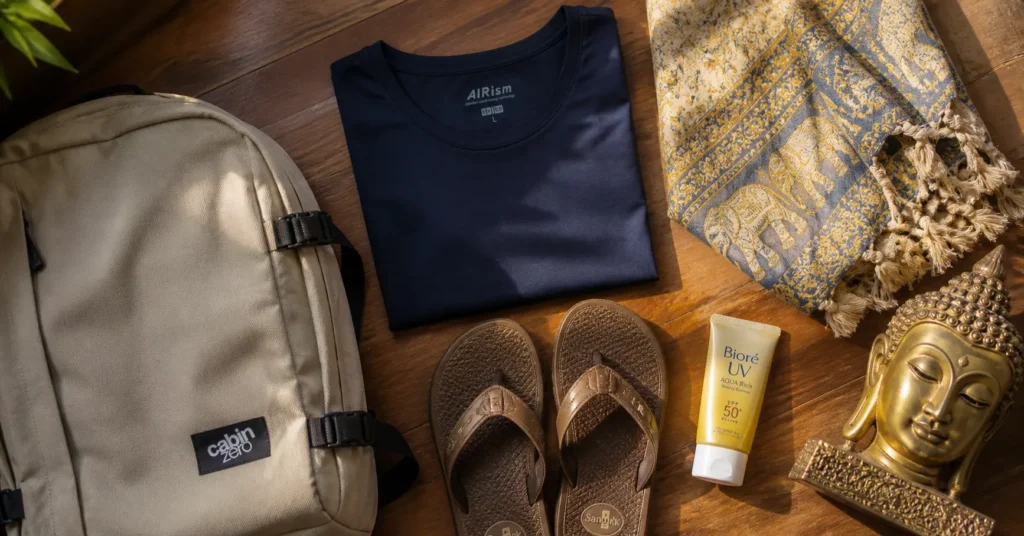
Uniqlo Airism UV Protection Long-Sleeve Shirt ($29.90)
- Who it’s for: First-timers doing temple-heavy itineraries in Bangkok and Chiang Mai
- Why it earns place: UPF 40+ fabric blocks sun without trapping heat; dries in 2 hours vs. cotton’s 8+ hours in humidity
- Honest trade-off: Slim fit runs small—if you’re between sizes or layering over a tank, size up
- Who should choose alternative: If you need more ventilation for trekking in Northern Thailand, choose the Patagonia Capilene Cool Daily Hoody ($45); it breathes better but lacks the UV rating and costs more
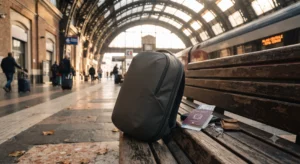
Cabin Zero Classic 44L Backpack ($89)
- Who it’s for: Travelers flying Thai Airways or Bangkok Airways with carry-on only
- Why it earns place: Fits Thai Airways’ 56×45×25cm carry-on limit exactly when packed; weighs 0.9 kg empty
- Honest trade-off: Minimal padding on shoulder straps—uncomfortable for all-day wear with heavy loads
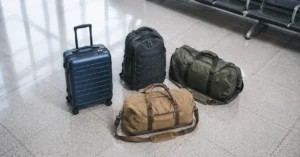
- Who should choose alternative: If you’re doing multi-country Southeast Asia with varied airline rules, the Osprey Farpoint 40 ($160) has better comfort but exceeds Thai Airways’ carry-on dimensions by 3cm when fully packed
Sanuk Yoga Sling Sandals ($65)
- Who it’s for: First-timers walking temple circuits and night markets
- Why it earns place: Removable footbed for easy temple entry; rubber sole grips wet marble floors better than flip-flops
- Honest trade-off: Not supportive for hikes longer than 3km; arch support minimal
- Who should choose alternative: If your itinerary includes jungle trekking in Khao Sok, choose the Merrell Moab 3 Ventilator ($135); it handles mud and elevation but weighs 400g more per foot
Honest negative: Many packing lists recommend a lightweight rain jacket for Thailand’s rainy season. Truth: in 90% humidity, you’ll sweat more inside the jacket than you’d get wet from a 10-minute tropical downpour. Better alternative: pack a $3 disposable poncho from a 7-Eleven when you need one, or use your sarong as a quick head cover. Save the weight. (2025–2026 rates — verify before travel)
FAQ:
Can I wear shorts in Thai temples?
No. Temples require knees and shoulders covered. Shorts must hit below the knee; tank tops are not permitted. Carry a lightweight sarong to wrap over shorts if needed. Some temples rent cover-ups, but lines are long and sizes limited.
What shoes work best for Thailand travel?
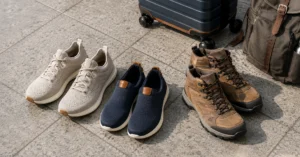
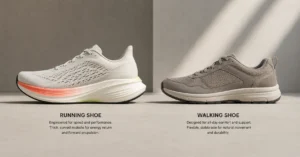
Choose slip-on sandals with rubber soles for temple entry and wet floors. Avoid laced shoes that slow you down at temple checkpoints. For city walking, a lightweight sneaker works; for beaches, flip-flops are fine.
How much should I pack for 2 weeks in Thailand?
Pack for 5–7 days and plan to do laundry once. Total base weight should stay under 5 kg (11 lbs) for carry-on flexibility. Quick-dry fabrics let you wash and rewear items without odor or mildew.
Continue Exploring
- Thailand travel guide : Plan your full itinerary with temple hours, transport tips, and regional weather patterns.
- travel gear essentials : Compare tested packs, tech, and clothing for every type of trip.