The Atlantic does not care about your vacation photos. Standing on the clifftops of Sagres in mid-February, the wind will cut through a light jacket with a ferocity that surprises the unprepared. Most guidebooks paint this 150-kilometer stretch of southern Portugal as a monolith of sun-drenched leisure, but the truth is more fragmented.
The Algarve rewards the traveler who distinguishes between the manicured golf greens of Vilamoura and the salt-crusted fishing docks of Olhão.
This algarve portugal guide is designed for the first-timer who wants to avoid the “British-pub-in-the-sun” traps of central Albufeira and instead find the version of Portugal that smells of grilled sardines and rock salt. We will cover the logistical hurdles of the N125, the actual cost of a meal in 2026, and why your choice of base camp determines whether you have a cultural experience or just a sunburn.
Regional Orientation: Barlavento vs. Sotavento
To navigate the coast, you must understand the divide. The Algarve is split into the Barlavento (the windward west) and the Sotavento (the leeward east).
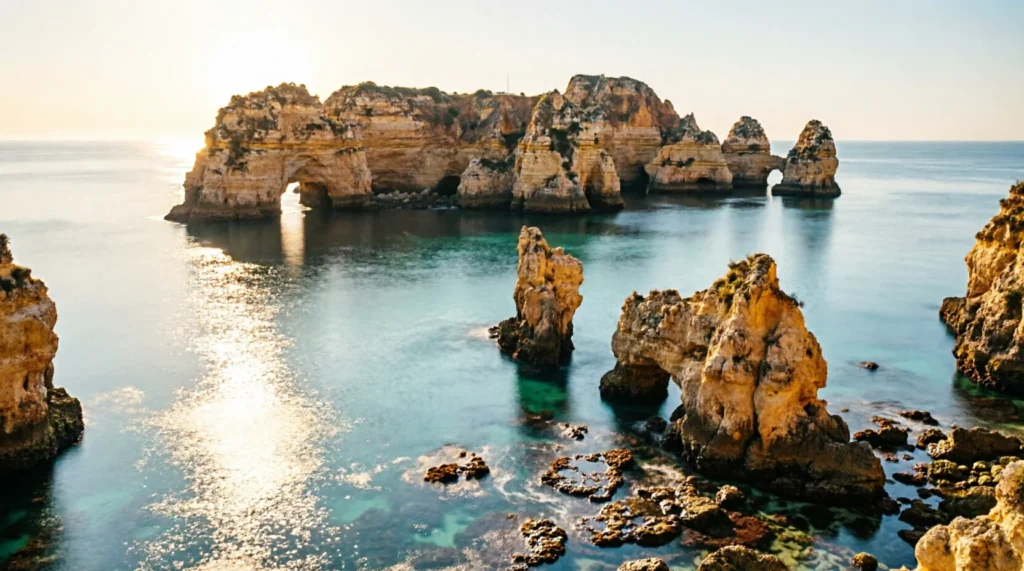
The Barlavento is the Algarve of the postcards: dramatic limestone cliffs, hidden sea caves like Benagil, and the surf-heavy swells of the Atlantic west coast. Lagos is the heartbeat here—vibrant, historic, and increasingly crowded. If you are visiting algarve for the iconic rock formations, you are heading west.
The Sotavento, stretching from Faro toward the Spanish border, is a different world. Here, the cliffs disappear, replaced by the Ria Formosa lagoon system and vast, flat barrier islands like Ilha da Armona. The water is shallower and warmer, and the pace is dictated by the ferry schedules rather than the surf report. If you prefer a 19th-century townhouse in Tavira over a modern resort apartment, go east.
Prioritizing Your Time: The Specifics of Coastal Activity
Most first-timers lose a day to “beach paralysis.” They see 100 options and end up at the one closest to their hotel.
- For the Visuals: Ponta da Piedade in Lagos. Don’t just look from the top. Take the steep stone steps down to the water level. (Schedules change — confirm boat tour availability before travel).
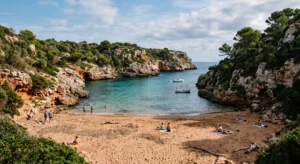
- For the Water: Praia da Marinha. It is consistently ranked globally, which means by 11:00 AM in July, the parking lot is a battlefield. Arrive by 8:30 AM or don’t bother.
- The Honest Disappointment: Benagil Cave. While the “eye” in the roof is striking, the reality is a chaotic swarm of kayaks, paddleboards, and diesel-fuming boats all vying for a three-minute photo op. Alternative: Rent a boat from Ferragudo to explore the quieter sea stacks between Praia dos Caneiros and Carvoeiro. You get the same geology without the mosh pit.
Strategic Base Camps: Where to Stay (and Why)
Where you sleep dictates your transport costs.
- Lagos (The All-Rounder): Best for those without a car. You can walk to four distinct beaches and the train station connects you back to Faro.
- Tavira (The Culturalist): Located in the east, this is the most architecturally preserved town. You’ll need a ferry to reach the beach, but the Roman bridge and 20+ churches offer a depth that resort towns lack.
- Sagres (The Outsider): At the southwestern tip of Europe. It is windy, rugged, and feels like the end of the world. It’s for surfers and those who find the central coast too “polished.”
The Transport Puzzle: Moving Beyond the Airport
Landing at Faro (FAO) is simple, but leaving it requires a plan.
- The Train: The Linha do Algarve is charming and cheap, but it doesn’t hug the coast. The stations for places like Albufeira or Loulé are often several kilometers from the actual town centers.
- Rental Cars: Essential for the Barlavento clifftops. Be warned: the A22 highway uses electronic tolls only. (2025–2026 rates — verify before travel). If your rental doesn’t have a transponder, you will face a bureaucratic nightmare at the post office.
- Rideshares: Uber and Bolt are active but prices surge during the 4:00 PM beach exodus. (Schedules change — confirm before travel).
The Daily Burn: 2025–2026 Budget Realities
The Algarve is no longer the “pennies-on-the-dollar” destination it was a decade ago. It fits firmly in the Southern European tier of $90–$130 per day.
- Coffee & Pastel de Nata: €2.50 at a local pastelaria; €5.00 in a marina.
- Lunch (Prato do Dia): €12–€15 including wine and coffee in non-tourist spots like Guia or Monchique.
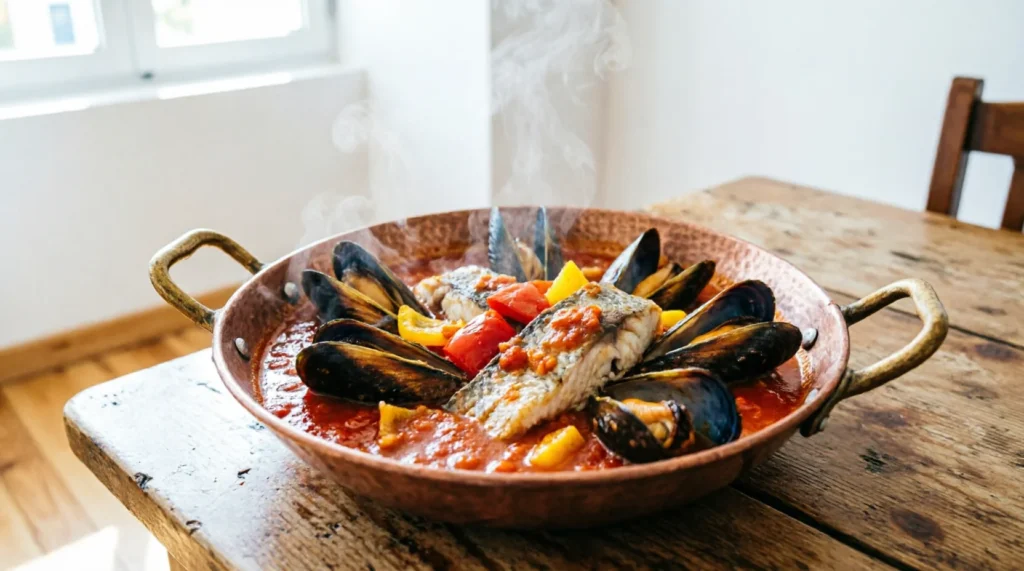
- Dinner: €25–€40 per person for fresh fish (sold by weight/kg) and Vinho Verde.
- Accommodation: Expect €120/night for a decent mid-range hotel in shoulder season (May/September). In August, that same room is €250.
A Deliberate 4-Day Framework
- Day 1: Arrive Faro. Take the train to Tavira. Walk the salt pans and eat Arroz de Lingueirão (razor clam rice).
- Day 2: Train/Drive to Lagos. Sunset at Ponta da Piedade.
- Day 3: Hike the Seven Hanging Valleys Trail. It’s 6km of the best clifftop views in Portugal. Start at Praia da Marinha and end at Vale Centeanes.
- Day 4: Drive to Sagres. Stand at Cape Saint Vincent—the southwesternmost point of Europe—and watch the Atlantic beat against 75-meter cliffs.
The Algarve Fine Print
This algarve travel guide would be incomplete without a warning: the Atlantic is cold. Even in August, the water temperature rarely climbs above 20°C. If you are expecting Mediterranean bathwater, you will be disappointed. Additionally, the N125 is the primary “free” road running east-west. It is notoriously congested and dangerous; use the A22 toll road if you value your time more than €5.
For a broader look at the country, see our [IL → /portugal-travel-guide/ | Portugal travel guide] which covers the transit links between the southern coast and the northern hills.
Frequently Asked Questions About the Algarve
Is the Algarve safe for solo travelers?
The Algarve is remarkably safe, with low violent crime rates. The primary risks are petty theft in crowded tourist hubs like Albufeira and the dangerous Atlantic currents. Never swim at “red flag” beaches, as the undertow near the cliff bases is powerful enough to trap even strong swimmers.
Can I visit the Algarve without a car?
Yes, if you choose your base carefully. Lagos and Faro are the best options for car-free travel, as both are on the rail line and have walkable centers. However, reaching the most famous beaches like Marinha or Benagil will require hiring a private driver or using rideshare apps.
What should I pack for the Algarve?
Even in summer, pack a windbreaker or a heavy sweater for the evenings. The coastal breeze, especially in the western Barlavento, drops the temperature significantly once the sun goes down. Sturdy walking shoes are also mandatory for the uneven, slippery limestone paths along the clifftops.
Continue Exploring:
- Lisbon neighborhood guide — Understand the capital’s layout before you head south.
- Sevilla Spain itinerary — The perfect 3-day addition just two hours across the border from the Algarve.