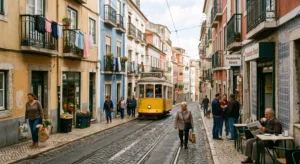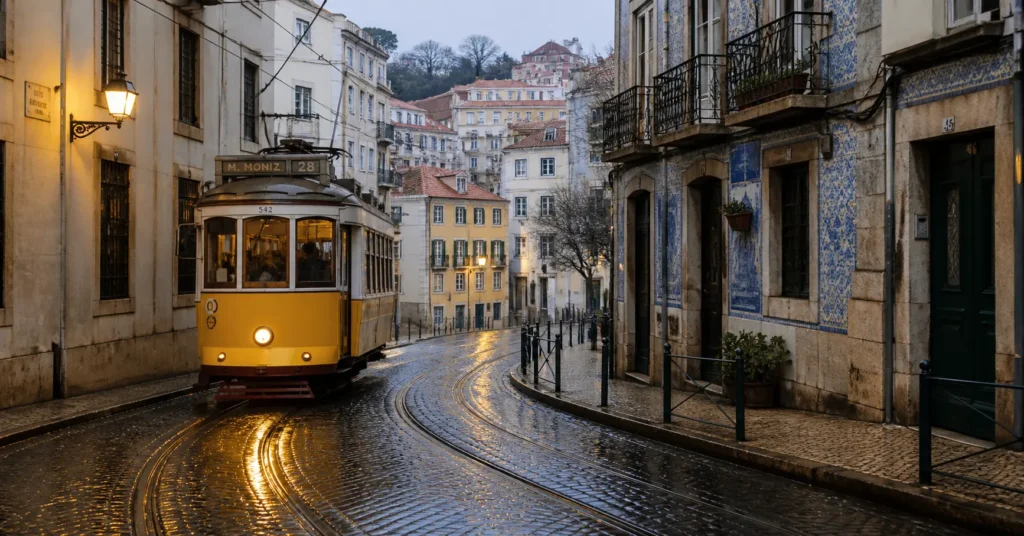
Lisbon at 8:45am in January feels like a city that hasn’t decided to wake up yet. The tram rattles uphill through Alfama, but half the seats are empty, and the only people walking the cobbled street are locals carrying groceries and one café owner dragging out chairs.
I went expecting “off-season Europe.” What I got was something more specific: a country that works in winter—but not evenly.
Portugal in January is mild, affordable by Western Europe standards, and far less crowded than July. But it’s also damp, occasionally grey for days, and some places simply don’t make sense this time of year.
This guide breaks down exactly what works, what doesn’t, and how to plan Portugal in January without wasting time or money.
Weather Breakdown
January is Portugal’s wettest month. That matters more than the temperature.
Lisbon & Alfama mornings
Expect 8–15°C days. Mornings in Alfama before 9am are cold enough for a jacket, especially with the Atlantic wind cutting through narrow streets. I had two completely clear days and three where it drizzled on and off.
The difference is how it feels: sunshine makes Lisbon glow; clouds flatten it.
Porto & the Douro Valley
Porto runs cooler and wetter. Think 5–13°C, with frequent rain. The Douro Valley in January looks stripped back—vineyards without leaves, hills in muted tones.
It’s not the postcard version. But if you like quiet landscapes, it works.
Algarve coast
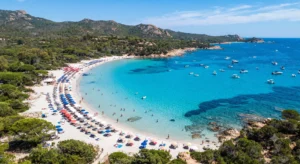
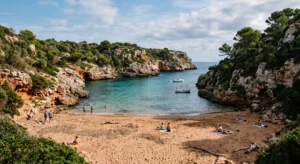
This is where expectations go wrong. Yes, it’s warmer (10–17°C), but it’s not beach weather. The Atlantic is cold, and many beach towns operate at reduced pace.
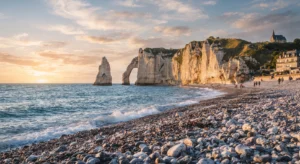
The cliffs around Lagos still justify the trip. Swimming doesn’t.
Crowd Levels
This is where Portugal in January delivers.
Lisbon’s Tram 28? I boarded at Martim Moniz at 9:10am and got a seat without waiting. Try that in June.
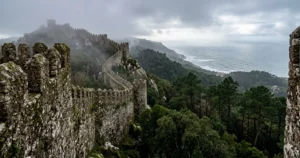
Sintra’s Pena Palace? No two-hour queue. I walked straight in at opening.
Porto’s Ribeira? Evenings feel local, not staged.
The trade-off: shorter opening hours and occasional closures in smaller towns. But for major cities, the reduced crowds are the biggest advantage of winter travel here.
Best Destinations
Lisbon (Alfama before 9am)
This is the best version of Lisbon I’ve experienced. Alfama early morning—before the tour groups—feels like a lived-in neighborhood, not a route.
Walk from Sé Cathedral down toward the river. Stop for coffee where construction workers stop. That’s the version worth seeing.
Porto (Ribeira at dusk)
Porto in January leans atmospheric. By 5:30pm, the light fades and the river reflects the city lights.
It’s quieter, slightly colder, and more grounded than summer. Sit by the Douro with a glass of vinho verde and you’ll understand why people return.
Sintra (January vs August)
Sintra in August is logistical friction—traffic, queues, heat.
In January, it’s manageable. I reached Pena Palace on the first bus of the day and walked in with no wait. The mist rolling over the hills actually improves the experience.
This is one place where winter is objectively better.
Algarve (Lagos & coastal cliffs)
Go for the cliffs, not the beach.
Lagos gives you access to Ponta da Piedade, where the rock formations and walking paths are still accessible. Just don’t expect open beach bars or swimming conditions.
Costs
Portugal sits in the Southern Europe tier: $90–$130/day is realistic for a mid-range traveler.
- Lisbon hotel (central): $80–$140/night
- Porto hotel: $70–$120/night
- Meals: $10–$25 in local spots, $30–$50 in tourist-heavy areas
- Train Lisbon → Porto: ~$30–$50 (Schedules change — confirm before travel)
(2025–2026 rates — verify before travel)
January pushes prices down further. I paid $85/night for a central Lisbon stay that crosses $180 in June.
The gap between local and tourist restaurants is real. A grilled fish lunch in a neighborhood spot cost me €12. The same dish near Praça do Comércio was €22.
Events & Festivals
January is quiet, but not empty.
- Dia de Reis (Jan 6): Celebrated across Portugal with traditional cakes (Bolo Rei).
- Lisbon and Porto host smaller cultural events, but this is not a festival-heavy month.
If your trip depends on events, January will feel slow. If your trip depends on access and space, it works.
What to Pack
Pack for damp, not cold.
- Waterproof jacket (non-negotiable)
- Two layers (sweater + base)
- Comfortable waterproof shoes (cobblestones get slippery)
- Compact umbrella
- Light scarf for wind
I underestimated the rain. The days it showed up, it shaped everything.
Sample Itinerary
Day 1–3: Lisbon
Base in Baixa or Alfama. Explore early mornings. Take Tram 28 before 9:30am.
Day 4: Sintra (Day Trip)
Catch the first train. Head straight to Pena Palace, then Quinta da Regaleira.
Day 5–6: Porto
Train north (~3 hours). Walk Ribeira, cross to Vila Nova de Gaia for wine cellars.
Day 7: Douro Valley (Optional)
Day trip or overnight. Quiet, stripped-back landscapes.
Train connections are efficient across Portugal and usually faster than driving for these routes. (Schedules change — confirm before travel)
Frequently Asked Questions About Portugal in January
Is Portugal worth visiting in January?
Yes—if your priority is fewer crowds and lower costs. Weather is mixed, but cities like Lisbon and Porto still function well.
Does it rain a lot in Portugal in January?
Yes. January is the wettest month. Expect intermittent rain rather than constant downpours, but plan for it daily.
Can you go to the beach in Portugal in winter?
You can visit the coast, but swimming is unlikely. The Atlantic remains cold, and beach infrastructure is limited.
Is everything open in January?
Major cities stay open. Smaller towns and coastal areas may have reduced hours or seasonal closures.
Continue Exploring
- Portugal travel guide: A complete breakdown of regions, routes, and how to structure your first trip.
- Italy in january travel: Compare winter conditions across Southern Europe before you decide.