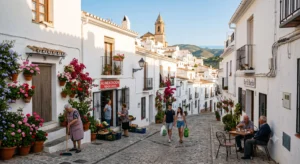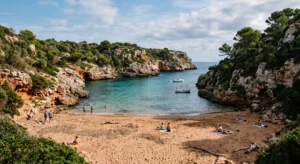
Portugal rewards the visitor who understands that it is not a “sunny version of Spain.” It is a maritime nation with a distinct linguistic identity, a melancholic musical tradition, and a pace of life that resists the frantic efficiency of Northern Europe. If you arrive expecting Spanish schedules or Mediterranean cliches, you will miss the specific gravity of the Portuguese experience.
This portugal travel guide is designed to ground your expectations in reality. It will navigate you through the steep limestone hills of Lisbon, the granite architecture of Porto, and the Atlantic-battered cliffs of the Algarve. While the country is often marketed as a budget destination, the surge in popularity over the last five years has shifted the financial landscape. Planning a trip here requires a balance between the hyper-tourism of Sintra and the quiet, salt-crusted authenticity of the fishing villages that still define the coast.
We cover the logistics of the CP rail system, the regional nuances of Portuguese cuisine, and the honest cost of a 10-day itinerary so you can plan with precision.
Quick Overview: The Three Pillars of Portugal
To understand Portugal, you must view it through three distinct lenses: the capital, the north, and the south.
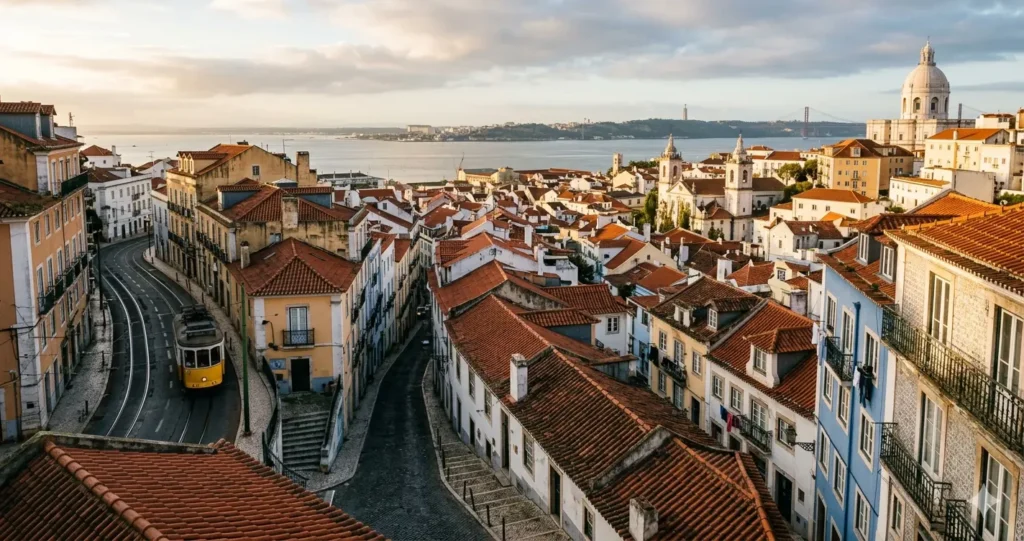
Lisbon is the administrative and cultural heart. It is built on seven hills, and your calves will feel every one of them. It is increasingly international, sometimes to its own detriment, but the neighborhood of Alfama before 9:00 AM still feels like a village within a city.
Porto is more industrious, smaller, and arguably more atmospheric. Built along the Douro River, it is the gateway to the wine country. The granite buildings give it a darker, more medieval aesthetic compared to Lisbon’s white limestone.
The Algarve is the southern coast. It is not one continuous beach but a collection of towns. The central Algarve (Albufeira, Vilamoura) is a dense thicket of resorts that guidebooks often overpraise; for the real Atlantic feel, you must head west toward Sagres or east toward the salt pans of Tavira.
Visa & Entry Notice: Portugal is part of the Schengen Area. Non-EU citizens must adhere to the 90/180-day rule. (Verify at [official source] — rules change without notice).
Top Things to Do: Regional Priorities
Visiting Portugal is an exercise in choosing what to leave out. Do not try to see “the whole country” in a week.
- Lisbon: The Bica and the Baixa. Skip the Santa Justa Lift—the queue is a 90-minute waste of time for a 45-second ride. Instead, walk up to the Miradouro da Senhora do Monte at sunset. You get a better view of the São Jorge Castle and the Tagus River for free.
- Porto: Crossing the Douro. Walk the upper deck of the Dom Luís I Bridge for the iconic view of the Ribeira district. Spend your afternoon in Vila Nova de Gaia—the city across the water—where the Port wine cellars are located.
- Sintra: The Crowded Necessity. Sintra is objectively beautiful and subjectively a logistical nightmare. In August, the humidity and the crowds make the Pena Palace feel like a theme park. If you must go, take the first train from Rossio Station (Lisbon) before 8:00 AM and head straight to the Quinta da Regaleira.
- The Algarve: The West Coast Alternative. If you find the central Algarve too “resort-heavy,” drive to Sagres. The cliffs at Cabo de São Vicente feel like the end of the world, and the wind is fierce enough to keep the casual tourists away.
Where to Stay: Neighborhood Specificity
The “historic center” is a broad term that leads to noisy, overpriced rentals. Be specific about your neighborhood to earn a good night’s sleep.
Lisbon
- Principe Real: Upscale, quieter than Bairro Alto, and home to better independent boutiques.
- Graça: High up the hill, authentic, and less polished. Great for those who don’t mind a hike.
- Avoid: Lower Baixa if you want quiet. It is the most commercialized part of the city and lacks residential soul.
Porto
- Cedofeita: The “art district.” It is far enough from the river to feel local but close enough to walk to the main sights.
- Ribeira: Stunning views but very tourist-dense. Expect to pay a “view tax” on everything from coffee to rent.
The Algarve
- Lagos: The best balance of nightlife, historical charm, and proximity to the famous Ponta da Piedade cliffs.
- Tavira: Located in the East, this is for the traveler who wants Roman bridges and a slower, more traditional Portuguese pace.
Getting Around: Trains, Trams, and Tolls
Portugal’s public transport is excellent between cities but challenging within the rural interior.
The CP Rail System: The Alfa Pendular (fast train) connects Lisbon and Porto in about 2.5 to 3 hours. It is comfortable and reliable. (Schedules change — confirm before travel). If you book 5–8 days in advance, you can often find “Promo Tickets” that cut the price by 40%.
Driving: Only rent a car for the Algarve or the Alentejo. In Lisbon or Porto, a car is a liability. Portuguese motorways (Autoestradas) have an electronic toll system. Ensure your rental has a “Via Verde” transponder, or you will spend your vacation trying to pay tolls at local post offices.
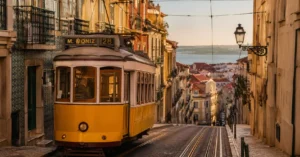
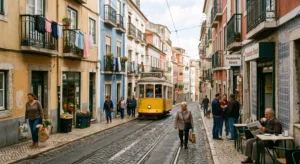
Lisbon Trams: Tram 28 is a rite of passage, but it is also a target for pickpockets. If you want the vintage tram experience without the crush, take Tram 24 from Praça Luís de Camões. It covers similar scenic terrain with half the crowd.
Budget Guide: The Real Cost of Portugal
Portugal is part of the “Southern Tier” of European costs, but inflation in the major hubs is real.
- Daily Budget (2025–2026 rates): $110–$150 per person for a mid-range experience. This includes a boutique guesthouse, two sit-down meals, and museum entries.
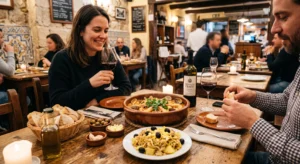
- The “Couvert” Trap: When you sit down at a restaurant, waiters will bring olives, bread, and cheese. These are not free. If you eat them, you pay for them (usually €3–€7 total). If you don’t want them, simply say “No, thank you” and have them removed.
- Dining Out: A Prato do Dia (Plate of the Day) at a local tasca at lunch should cost €9–€12 including a drink and coffee. A dinner in a trendy Lisbon district like Chiado will be €30–€45 per person.
Sample Itinerary: 10 Days from North to South
This route prioritizes the “Big Three” without spending half the trip in transit.
- Day 1–3: Lisbon. Focus on the Alfama district, the Belém Tower (eat the tart at Pastéis de Belém, but prepare for a queue), and a Fado performance.
- Day 4: Sintra. A day trip from Lisbon. Return to the city for dinner.
- Day 5–7: Porto. Take the morning train from Santa Apolónia station. Spend your time in the Bolhão Market and the Douro riverbank. Take a day-trip boat into the Douro Valley if you enjoy wine.
- Day 8–10: The Algarve. Fly from Porto to Faro (1 hour) or take the long train south (6 hours). Base yourself in Lagos to see the sea caves and the Benagil Cathedral.
Pro Tips: Cultural Nuance and Logistics
- The Language: Do not speak Spanish to a Portuguese person unless you have no other choice. While they may understand you, it is culturally insensitive. Learn “Obrigado” (if you are male) or “Obrigada” (if you are female).
- The Shoes: Portugal is paved in Calçada Portuguesa—small, hand-laid limestone cubes. They are beautiful and, when wet, as slippery as ice. Leave your heels and thin-soled sandals at home. You need grip.
- Dinner Time: The Portuguese eat later than Americans but earlier than Spaniards. 8:00 PM is the sweet spot for a dinner reservation.
- Sunday Closures: In smaller towns, many family-run shops and restaurants close on Sundays. Plan your grocery runs and “must-eat” meals accordingly.
Europe Travel Guide : If you are planning a multi-country trip, our comprehensive Europe travel guide provides the essential context for crossing borders and managing regional budgets across the continent.
Frequently Asked Questions About Visiting Portugal
Is Portugal safe for solo travelers?
Yes, Portugal consistently ranks as one of the safest countries in the world. Violent crime is rare. The primary concern in tourist hubs like Lisbon’s Praça do Comércio is petty theft and pickpocketing. Keep your bag in front of you on public transport and avoid leaving phones on cafe tables.
What is the best month for a Portugal vacation planning?
May, June, and September are ideal. You avoid the blistering heat of the Alentejo and the Algarve in August, and the crowds at major landmarks are manageable. October is also pleasant but marks the start of the rainy season in the north (Porto).
Can I use my credit card everywhere in Portugal?
In Lisbon and Porto, yes. However, many smaller shops, rural guesthouses, and traditional tascas have a “Multibanco” minimum (usually €5–€10) or only accept Portuguese debit cards. Always carry at least €40 in cash for emergencies and small purchases.
Continue Exploring
Lisbon Neighborhoods : A deep dive into where to sleep and eat in the capital, from the heights of Graça to the riverside in Santos.
Spain Trip Guide : Expand your Iberian planning with our guide to Spain, highlighting the regional differences between Andalusia and the Portuguese border.