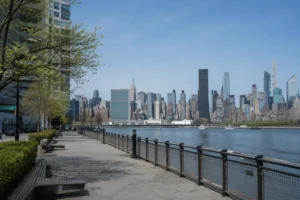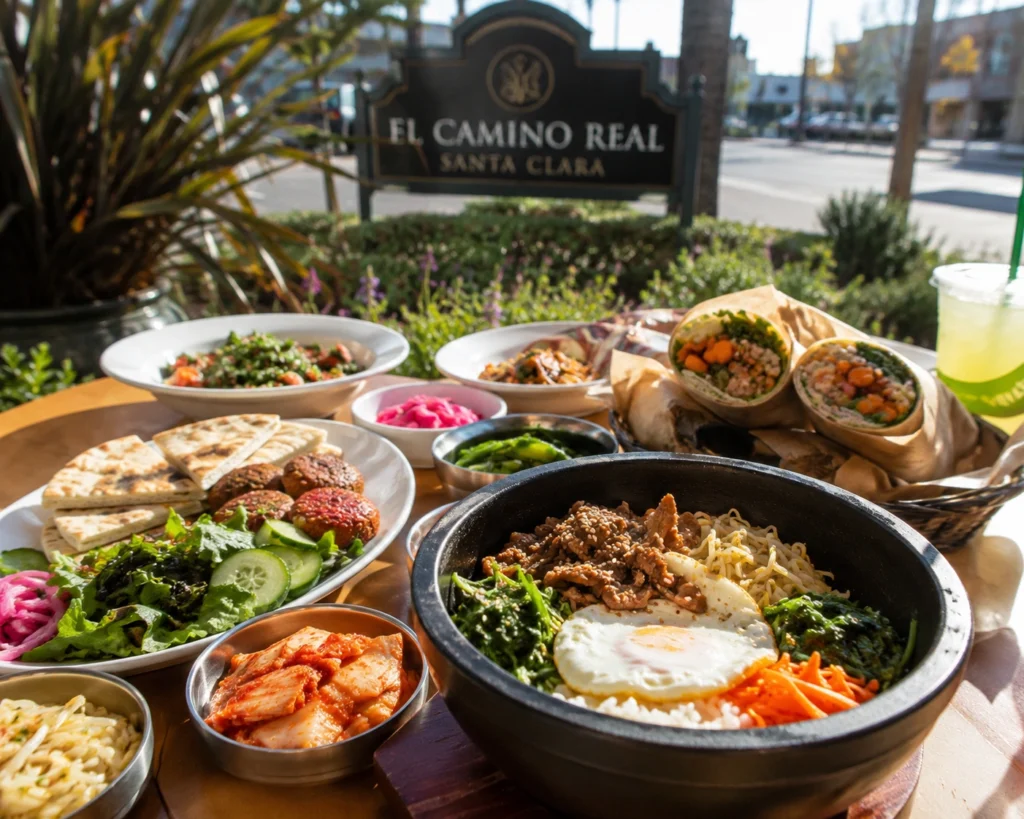
Santa Clara is rarely spoken of as a gastronomic capital. To the outside world, the city is a blur of semiconductor HQs, glass office parks, and sprawling highway interchanges anchored by Levi’s Stadium. Travellers arriving for major international tournaments or tech conferences often expect a culinary wasteland of corporate steakhouses and overpriced stadium concession hot dogs.
That assumption is both lazy and entirely incorrect. Beneath the suburban facade lies one of the most quietly diverse immigrant food ecosystems in Northern California. Decades of migration have built a mosaic of authentic Korean barbecue houses, Middle Eastern bakeries, and family-run Mexican taquerias tucked into unassuming strip malls along El Camino Real.
This guide cuts through the Silicon Valley marketing gloss to give you an honest appraisal of what is actually worth your money, what you should bypass, and how to navigate eating in a city built for cars rather than pedestrians.
Quick Verdict: Is Santa Clara’s Global Food Scene Worth It?
Yes, but only if you abandon conventional expectations of what a “destination dining district” looks like. If you are looking for a walkable, cobblestone old-town square lined with picturesque cafes, Santa Clara will frustrate you. However, if you measure a destination by the authenticity, depth, and sheer variety of its global flavors, it punches far above its weight class.
- Who should go: Curious eaters, cultural explorers, and sports fans who want world-class Korean, Yemeni, and Mexican food without paying San Francisco prices.
- Who should skip: Travellers who refuse to step foot inside a strip mall or those unwilling to take a short rideshare or drive between dining pockets.
- Biggest trade-off: You trade architectural charm and pedestrian convenience for incredible, unpretentious culinary authenticity scattered across suburban strip developments.
Quick Facts
| Information | Details |
| Best time to visit | Spring (April–May) and Autumn (Sept–Oct) for ideal outdoor patio weather. |
| Budget expectations | Casual bites: $8–$15; Mid-tier sit-down: $25–$50; High-end dining: $70+ per person. |
| Best dining areas | El Camino Real corridor, Santana Row, and adjacent San Jose borders (Japantown). |
| Transport reality | A car or rideshare is essential; public transit is viable only for specific rail corridors. |
What Santa Clara’s Dining Scene Is Actually Like
Many travellers find themselves disoriented upon arrival. Santa Clara does not possess a singular historic downtown core where chefs cluster around bustling plazas. Instead, commerce and culture are distributed along major arterial roadways like El Camino Real.
Visitors often notice that the most remarkable food is frequently housed inside architectural spaces that look entirely unremarkable from the outside—standard 1970s commercial strip malls flanked by parking lots. Yet, stepping through those glass doors reveals multi-generational family recipes, wood-fired ovens, and communities fiercely proud of their culinary heritage.
The atmosphere is functional, unpretentious, and driven by locals rather than tourists. If you can look past the asphalt and strip-mall signage, you will find kitchens executing complex regional flavors with rare precision.
What Makes It Worth Your Time
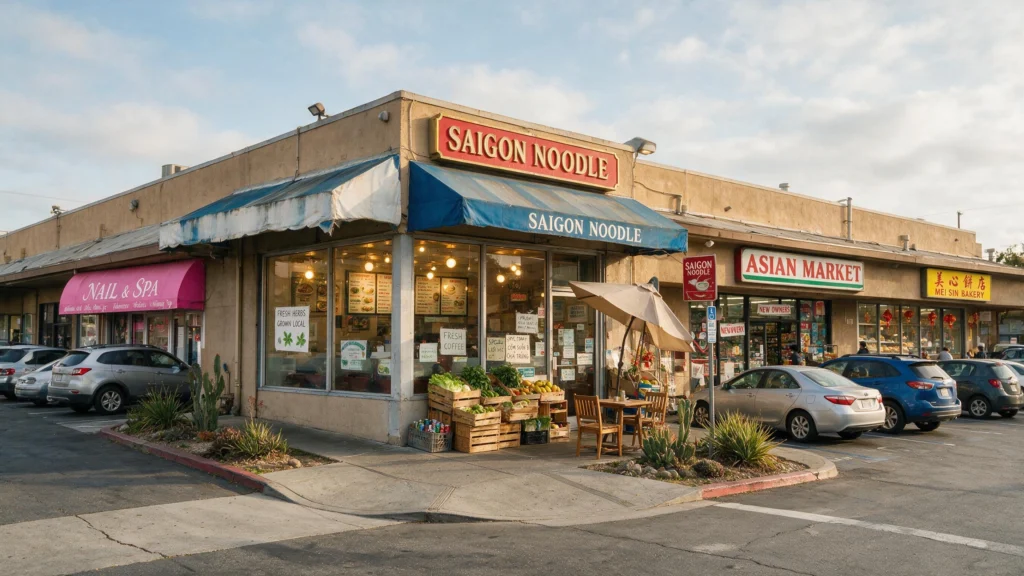
The real justification for exploring Santa Clara’s global cuisine lies in its micro-communities. Initiatives like the regional Global Games Food Trail have helped spotlight what locals have known for years: this is a sanctuary for authentic cross-cultural dining.
For instance, the stretch of El Camino Real features Michelin-recognized Korean establishments serving intricate, family-style banchan and deep, clean broths that rival anything found in larger metropolitan hubs. Move slightly off the main thoroughfare, and you encounter specialty Yemeni cafes serving honeycomb bread drizzled with honey alongside spiced Adeni chai until late into the evening.
These experiences matter because they offer genuine cultural immersion. You aren’t paying a markup for themed decor; you are paying for ingredient integrity, slow-cooked braises, and recipes handed down across decades.
Where To Stay
Choosing where to base yourself dictates how easily you can access good food.
- The Business Corridor (Great America Parkway): Best for event attendees and conference-goers. Hotels here are modern, efficient, and close to Levi’s Stadium, but the immediate dining choices lean heavily toward corporate chains and hotel bistros. You will need transport to find true local flavor.
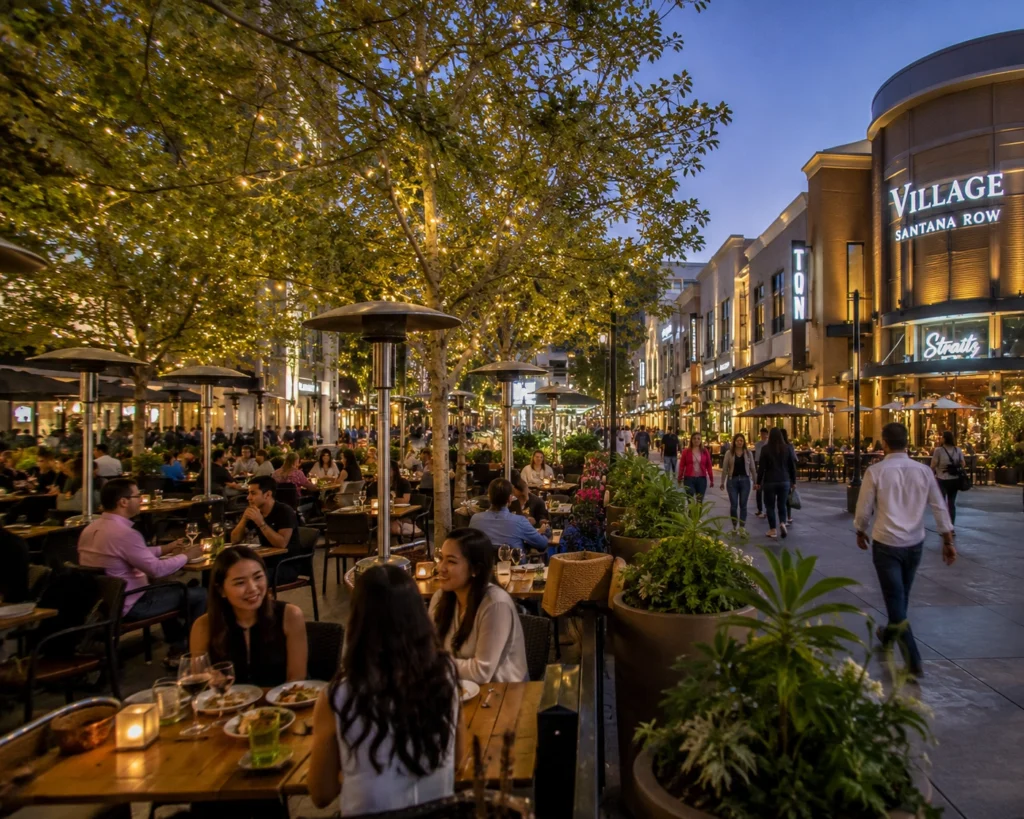
- Santana Row / West San Jose Border: Ideal for travellers who want a lively evening atmosphere. This walkable outdoor lifestyle village features upscale dining, patio cocktails, and vibrant nightlife, though prices skew higher.
- El Camino Real Vicinity: Practical for budget-conscious food explorers who want to step out of their lodgings straight into a dense corridor of authentic Asian and Latin American eateries. Expect functional, motel-style accommodations rather than boutique luxury.
Getting Around
Transport in the South Bay requires deliberate planning. Unlike compact European cities or San Francisco’s grid, Santa Clara’s suburban layout spreads attractions across miles of highway and wide boulevards.
- Rideshares and Rentals: A rental car or frequent rideshare usage is practically mandatory if you plan to sample widely across different neighborhoods. During major stadium events, expect surge pricing and heavy traffic bottlenecks near Great America Parkway.
- Public Transit: The VTA light rail and Caltrain networks connect parts of the South Bay, making stadium commutes manageable if you time your departures correctly. However, relying solely on transit to hop between disparate strip-mall restaurants will severely limit your itinerary. Confirm active timetables before setting out.
What It Really Costs
Dining expenses in Santa Clara reflect its Silicon Valley economic footprint, but with surprising pockets of high value if you avoid tourist traps.
- Budget Option ($10–$20 per person): Classic South Bay staples—such as legendary local donut shops operating since the late 1950s, neighborhood taco trucks, or fresh banh mi and pastries in nearby cultural enclaves—offer exceptional quality for minimal cost. Current rates should be verified locally, but simple meals remain accessible.
- Comfortable Option ($30–$60 per person): Sit-down family-style Korean barbecue, regional Middle Eastern feasts, or casual Mediterranean grills. This tier represents the sweet spot for experiencing Santa Clara’s diverse culinary identity without overspending.
- Premium Option ($80–$150+ per person): Upscale dining found at Santana Row or specialized chef-driven spots in the surrounding region, where you pay for curated wine lists, ambiance, and modern fusion craftsmanship.
What To Skip And What To Do Instead
- Skip: Generic hotel lobby restaurants and the overpriced, mass-produced concession stands immediately outside the stadium gates on event days. They offer poor value, generic menu items, and zero connection to the region’s actual culture.
- Do Instead: Venture one or two miles away from major event hubs into the strip-mall corridors along El Camino Real or book an outdoor table at Santana Row. You will secure fresher food, better service, and a genuine taste of South Bay community life.
Final Recommendation
Santa Clara is not a destination for travellers who want their itinerary handed to them on a silver platter in a picturesque medieval square. It demands a bit of curiosity, a willingness to look past suburban architecture, and the foresight to secure transportation.
For those willing to make that minor effort, the reward is an unpretentious, deeply authentic global food journey that shatters every stereotype of Silicon Valley dining. Choose your base wisely, rent a car, and eat off the main path.
FAQ
Is it necessary to rent a car when visiting Santa Clara for its food scene?
While rideshares work well for single trips, a car gives you the flexibility to explore the strip-mall dining corridors scattered along El Camino Real. Because the South Bay is geographically expansive and built for vehicular traffic, relying entirely on walking is impractical. Verify parking options at your dining destinations beforehand.
Are reservations required for the best restaurants in Santa Clara?
For popular spots along Santana Row or high-end Korean barbecue establishments on El Camino Real, weekend reservations are strongly recommended. Casual bakeries, taquerias, and coffeehouses operate on a walk-in basis, though popular items can sell out early in the day. Always confirm current operating hours before travelling.
How does Santa Clara’s food scene compare to San Francisco?
San Francisco offers dense, walkable culinary neighborhoods with historic dining rooms and high-profile fine dining. Santa Clara and the broader South Bay trade that pedestrian charm for unbeatable immigrant-driven authenticity, offering deep dives into regional Asian, Middle Eastern, and Latin American cuisines often priced more moderately.
Is Santa Clara safe for solo travellers looking to explore food spots at night?
Santa Clara is widely recognized as one of the safest major urban areas in the United States. Standard urban awareness applies, particularly in busy commercial parking lots late at night, but solo diners can navigate the major dining corridors and lifestyle centers with a high degree of comfort.