Organized wine tours around Santiago have a marketing problem. Group tour operators charge anywhere from $150 to $300 USD per person to herd visitors onto minibus schedules, drop them off at mass-production tasting rooms, and hurry them through scripted 45-minute presentations.
The reality? Chile’s primary wine valleys—Maipo, Casablanca, Colchagua, and Aconcagua—are among the easiest in South America to explore completely on your own.
With a rental car, an Uber, or a quick combination of the Santiago Metro and local taxis, you can curate your own tasting lineup, spend hours lingering over a long winery lunch, and save hundreds of dollars in markup fees.
However, doing it self-guided requires understanding how Chilean wine tourism actually functions. Here is how to plan an independent wine trip around Santiago without making costly logistical blunders.
Quick Verdict: Should You Visit Chilean Wineries Without a Tour?
Verdict: Yes. If you prefer lingering over meals, visiting small boutique producers, and moving at your own pace, skipping the group tour is a far superior experience.
- Who Should Do It: Confirmed independent travellers, road-trippers, couples, and groups with a designated driver or those willing to use Uber/hired drivers.
- Who Should Take a Tour: Solo travellers who want to drink without driving, or those who dislike managing online reservations, navigator maps, and driving in foreign cities.
- The Biggest Trade-Off: Chile enforces a strict zero-tolerance drink-driving policy (Ley Emilia). If you choose to self-drive, one person in your party must remain completely sober, or you must hire a local driver.
Quick Facts Block: Self-Guided Wine Selector
| Valley | Distance from Santiago | Best For | Transport Method |
| Maipo Valley | 30 to 60 mins South | Bold Cabernet Sauvignon, historic estates | Metro + Uber, or short rental car drive |
| Casablanca Valley | 60 to 75 mins West | Crisp Sauvignon Blanc, Pinot Noir | Rental car (En route to Valparaíso) |
| Colchagua Valley | 2.5 to 3 hours South | World-class Carmenère & Syrah, luxury stays | Rental car with an overnight stay |
| Aconcagua Valley | 90 mins North | High-altitude red blends | Rental car day trip |
The Self-Guided Reality Check: Rules of the Road
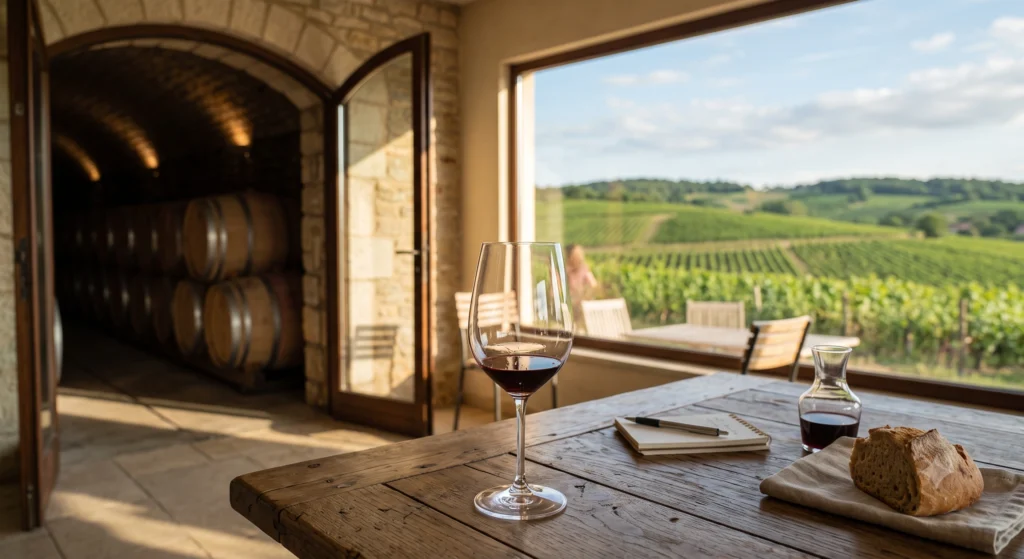
Visiting Chilean wineries on your own works differently than casual tasting rooms in Napa Valley, Australia, or South Africa. You cannot simply pull off the highway, park, and walk up to a bar at every estate.
1. Reservations Are Non-Negotiable (Except at Mega-Estates)
Boutique, high-end wineries (such as Viña El Principal in Alto Maipo) run structured, intimate tours led by agronomists or sommeliers. They require online or email bookings days or weeks in advance. If you show up unannounced at a small estate, the security gate will likely turn you away. Only industrial producers like Concha y Toro maintain drop-in capacity for walk-up tours.
2. The Zero-Tolerance Driving Law
Chile’s Ley Emilia sets the legal blood alcohol content limit at 0.00% for drivers involved in severe accidents, with standard DUI limits at effectively zero (0.03%). Police checkpoints are common on rural winery routes. If you rent a car, rotate designated drivers or use Uber for close-in regions like Maipo.
3. Email Etiquette
If a winery’s online booking engine fails, email them directly in basic Spanish or clear English. Many smaller vineyards accept bookings manually. Pick four or five targets, reach out via email, and build your route around the ones that respond promptly.
Where To Go: Valley Breakdown
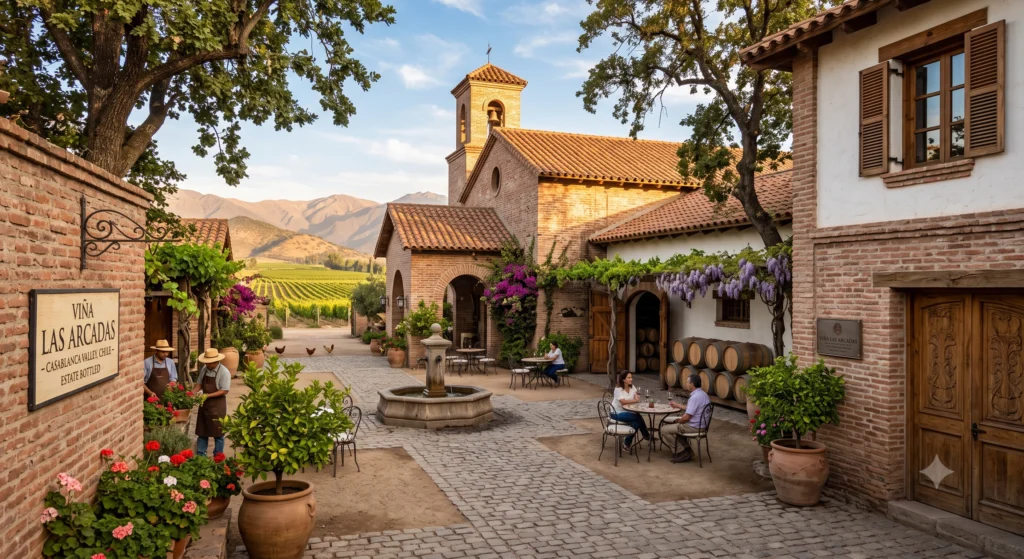
1. Maipo Valley: The Easiest Day Trip
Located directly south of Santiago’s urban edge, Maipo is famous for rich Cabernet Sauvignon and historical 19th-century estates.
- Top Independent Stops:
- Viña El Principal: A high-altitude boutique estate at the base of the Andes. Outstanding Cabernet and Carmenère blends with intimate, sweeping valley views. Reservation mandatory.
- Viña Santa Rita: Offers extensive historical gardens, the Neo-Gothic Casa Real, and an ancient cellar system. Easily accessible via public transport/Uber to Buin.
- Concha y Toro: The largest producer in Latin America. It feels somewhat like a wine theme park, but you can skip the large group tours entirely by simply booking a lunch table at their open-air wine bar.
- How to Do It: Take Metro Line 4 to Plaza de Puente Alto, then take a short 15-minute Uber or local taxi directly to the winery gates.
2. Casablanca Valley: Whites, Cool-Climate Reds & Coast Trips
Situated along Route 68 between Santiago and Valparaíso, Casablanca is cooled by coastal Pacific breezes, making it Chile’s prime region for Sauvignon Blanc, Chardonnay, and Pinot Noir.
- Top Independent Stops:
- Casas del Bosque: Exceptional vineyard dining at restaurant Tanino, accompanied by guided vineyard bike rides and crisp white wine flights.
- Veramonte: Located right off the main highway, making it an ideal 1-hour tasting pitstop if you are driving yourself from Santiago to the coast.
- How to Do It: Rent a car in Santiago and combine 2 Casablanca winery visits with an afternoon or evening in coastal Valparaíso or Viña del Mar.
3. Colchagua Valley: The Full Countryside Escape
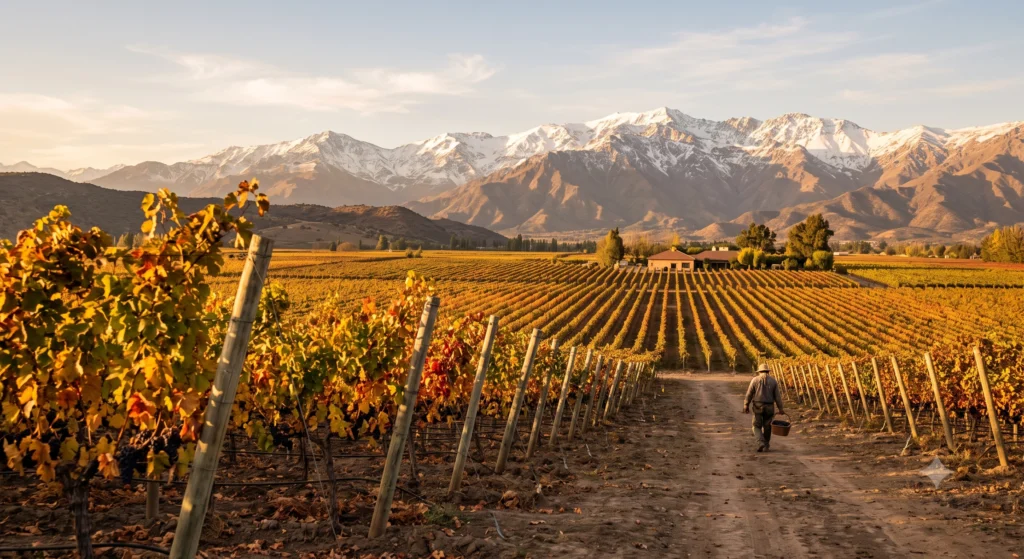
Located nearly three hours south of Santiago, Colchagua is Chile’s answer to the Napa Valley, producing full-bodied Carmenère, Syrah, and Malbec.
- Top Independent Stops:
- Viña Montes: A gravity-fed winery nestled in the Apalta sub-valley, featuring vineyard trails and an open-fire restaurant by chef Francis Mallmann.
- Viña Santa Cruz: Includes a cable car ride up to a hilltop indigenous culture exhibit and a small astronomical observatory.
- How to Do It: Do not try to rush Colchagua as a day trip unless you enjoy six hours of highway driving. Rent a car, drive down in the morning, and spend one or two nights at a guesthouse in Santa Cruz or an estate lodge.
What To Skip And What To Do Instead
- Skip: Paying $200+ USD for an organized day-tour van. You will spend half your day waiting for other tourists at hotel pickups and following rigid group walking lines.
- Do Instead: Rent a car for $40–$60 USD a day, pay the direct $20–$45 USD winery tasting fees online, and retain total control over where you eat and how long you stay.
- Skip: Trying to fit four or five wineries into a single day.
- Do Instead: Stick to two wineries per day, plus a long, multi-course lunch at one of the vineyard restaurants. Quality pacing beats quantity.
- Skip: Visiting only the big commercial names available in every supermarket back home.
- Do Instead: Balance one large historic estate (like Santa Rita) with an independent boutique producer (like Viña El Principal or Bodegas RE).
Final Recommendation
Visiting Santiago’s wine regions independently is straightforward, rewarding, and cost-effective.
- Choose Maipo via Metro/Uber if you are short on time, want minimal driving logistics, and love bold Cabernet Sauvignon.
- Rent a car for Casablanca if you are already planning a coastal trip to Valparaíso and want crisp whites and vineyard lunches.
- Drive to Colchagua for a weekend stay if you want a deeper rural escape surrounded by mountain backdrops and luxury vineyard architecture.
FAQ
Can I visit Maipo Valley wineries using Uber?
Yes. You can take Santiago’s Metro Line 4 south to its terminus (Plaza de Puente Alto) and hail an Uber to nearby wineries like Concha y Toro, Santa Rita, or Pirque estates. Getting an Uber back to the metro station from main wineries is generally reliable during daylight hours.
Do I need to speak Spanish to visit wineries on my own?
No. Nearly all wineries offering organized tastings around Santiago employ fluent English-speaking sommeliers and guides. However, basic Spanish is helpful when communicating with Uber drivers or reading local road signs.
How much money do I save by not taking a tour?
A typical day tour costs $150 to $250 USD per person. By renting a car ($50/day split between passengers) and paying direct tasting fees ($25 to $45 per person), a couple can easily save $200+ USD while enjoying a customized itinerary.
How far in advance should I book winery tastings?
For boutique wineries like Viña El Principal or high-end dining at Casas del Bosque, book 1 to 3 weeks in advance—especially during the peak harvest season (March–April) and summer weekends.