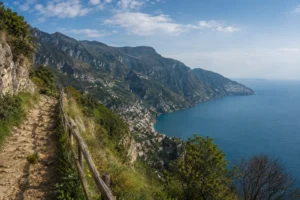
The list of Spain’s “most beautiful towns” is inescapable: whitewashed villages bathed in the sunlight of Andalusia, historic stone paths winding through the hills, seaside villages perched along the Northern coast. They all appear flawless on the internet. However, in reality, some are definitely worth planning a whole trip around, while others would be better off being a side visit.
This is not an attempt to convince you that each and every picturesque street has the potential to be life-transforming. The idea behind this guide is to help you select which attractive Spanish villages are worth visiting according to your time, money, and level of tolerance for crowds.
By the time you’re done here, you’ll know what places are worth the special trip, what are oversold, what the issues are likely to be, and how to pick according to the type of vacation you want.
Quick Verdict: Are Spain’s Most Beautiful Towns Worth It?
Yes — but selectively. Spain’s small towns are at their best when they match your travel style and you visit at the right time.
- Worth prioritising: Frigiliana (Andalucía), Deià/Valldemossa (Mallorca), Albarracín or Aínsa (Aragón), Cudillero (Asturias), Hondarribia (Basque Country), Cadaqués (Costa Brava).
- Consider with caution: Mijas (often too touristy), some white villages as a long checklist, certain coastal gems in August.
- Best for: slow travellers, couples, photographers, road-trippers who enjoy small bases and scenic drives.
- Less ideal for: travellers who need flat, stroller-friendly streets, heavy nightlife, or completely car-free itineraries.
Biggest trade-off: beauty usually comes with hills, cobbles, limited parking, and fewer late-night options. If you accept that, many of these towns are genuinely rewarding.
Quick Facts
| Information | Details |
|---|---|
| Best time to visit | April–June, September–October for most towns; avoid peak August if possible |
| Typical budget (per day, excl. intercity travel) | €70–€100 budget; €120–€200 comfortable; €250+ premium |
| Best areas to base | Andalucía (white villages), Mallorca (Tramuntana), Aragón (Pyrenees/medieval), Costa Brava, northern coast |
| Transport reality | Car strongly recommended for flexibility; some towns reachable by bus/train but with limited schedules |
| Accessibility | Many historic centres are steep and cobbled; limited mobility access in older parts |
What These Towns Are Actually Like
On paper, “beautiful Spanish town” sounds uniform. In practice, they split into clear types.
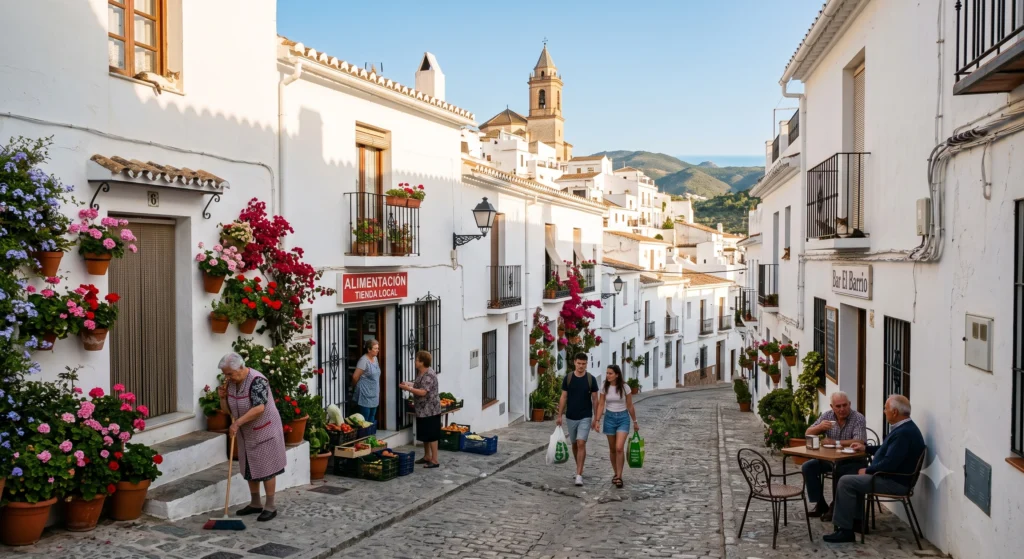
Andalucía’s white villages (pueblos blancos)
Bright houses, geranium-filled balconies, views over valleys or olive groves, and strong sun. They feel slow, traditional, and often very quiet outside high season. Summer heat can be intense; midday is for siesta, not sightseeing. Many are best enjoyed by staying overnight rather than rushing through.
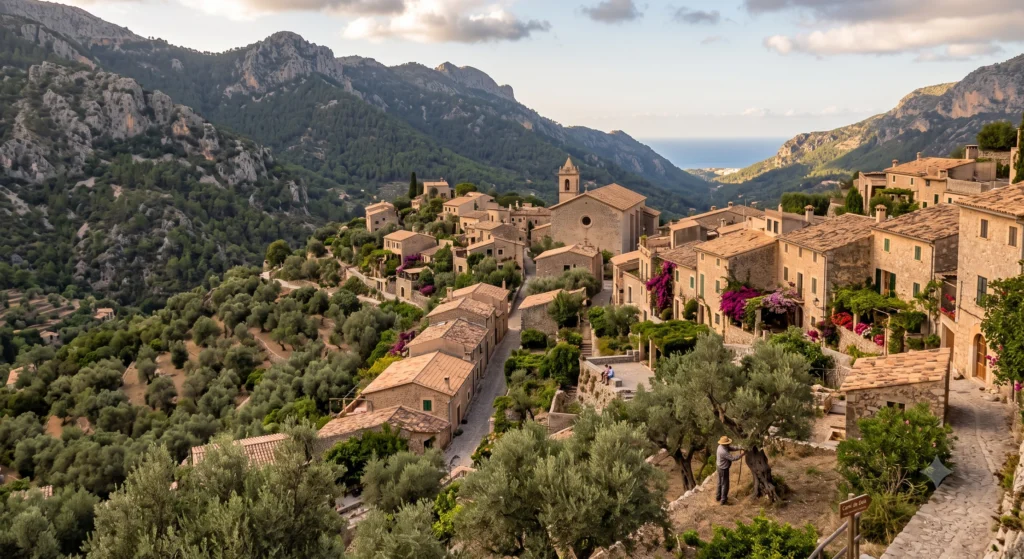
Mallorca’s mountain towns (Deià, Valldemossa)
Stone houses, narrow lanes, and a mix of artists, hikers, and day-trippers from Palma. In summer, streets can feel busy relative to their size, yet away from the main square you’ll find calm corners and excellent views over the Tramuntana mountains and sea.
Inland medieval towns (Albarracín, Aínsa, Santillana del Mar)
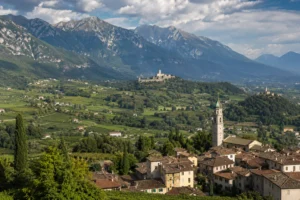
Cobbled streets, old walls, churches, and a strong sense of history. These are often cooler in summer than the south, with more dramatic mountain scenery. Services can be modest; they’re not built for mass tourism, which is part of their appeal.
Northern coastal villages (Cudillero, Hondarribia)
Colourful houses stacked on hillsides above small harbours, greener landscapes, and a strong local food culture. Weather is milder, but rain is more common than in the south. These feel lived-in year-round, not just in summer.
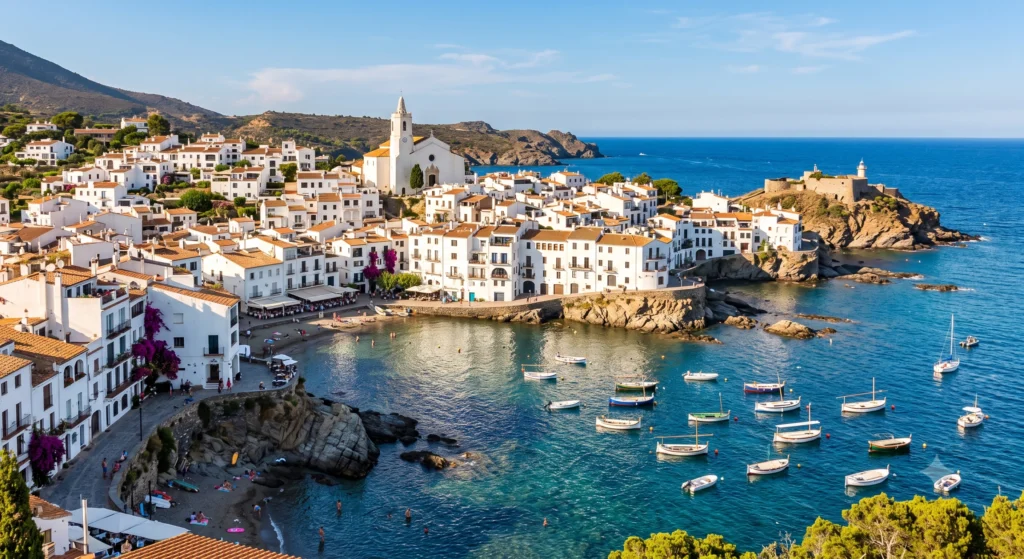
Costa Brava gems (Cadaqués, Tossa de Mar old town)
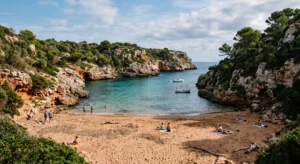
Whitewashed houses, rocky coves, and an artistic, slightly bohemian vibe, especially around Cadaqués. In peak season they can be crowded, but with an overnight stay you can experience mornings and evenings when day-trippers have left.
Across all types, expect:
- Narrow, sometimes steep streets
- Limited parking near historic centres
- Fewer late-night options than big cities
- A slower daily rhythm, especially outside summer
What Makes Them Worth Your Time
These towns are worth it when they:
- Give you a base for slow exploration rather than a rushed photo stop. Staying overnight in a place like Frigiliana, Deià, or Cudillero lets you experience mornings and evenings without the crowds.
- Offer scenery you can’t get in big cities. Mountain views in Aínsa, cliff settings in Ronda-area villages, or harbour scenes in Cudillero provide a different texture to a Barcelona or Madrid trip.
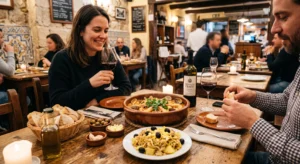
- Let you taste regional food in a local setting. Small taverns and family-run restaurants often serve more regional dishes than generic tourist menus found in heavily touristed zones.
- Fit a specific travel style. If you love photography, walking, and atmosphere over attractions, these towns can be the highlight of your trip.
For many travellers, the value is in building an itinerary around 2–3 well-chosen towns instead of trying to tick off ten “prettiest” spots.
Where To Stay
Andalucía (Frigiliana, white villages near Ronda)
- Stay in the village itself if you want evenings without day-trippers.
- Look for small hotels or casas rurales with terraces and views.
- Expect to pay more in high season and during local festivals.
Mallorca (Deià, Valldemossa)
- Boutique hotels and guesthouses fill quickly in summer; book early.
- Some properties have steep access; check location relative to the centre and parking.
Aragón (Albarracín, Aínsa)
- Rural guesthouses and small hotels in historic buildings are common.
- Winters can be cold; some places reduce services or close certain days off-season.
Northern coast (Cudillero, Hondarribia)
- Mix of small hotels, guesthouses, and apartments.
- Good options for food-focused travellers; many places are close to restaurants and the harbour.
Costa Brava (Cadaqués, Tossa de Mar)
- Options range from simple pensions to design-led small hotels.
- Summer prices spike; consider late spring or September for better value.
General tip: In very small towns, reception hours can be limited. Confirm check-in details and parking arrangements before arrival.
Getting Around
For most of these towns, a car is the smartest option. It gives you:
- Flexibility to visit nearby viewpoints, hikes, and neighbouring villages
- Control over timing (especially important for light, photos, and avoiding crowds)
- Ability to carry luggage up hills where public transport may not reach
Public transport is possible but requires patience:
- Some towns are reachable by a combination of train and regional bus (e.g., Barcelona → bus to Cadaqués; San Sebastián → bus to Hondarribia).
- Schedules can be infrequent, especially evenings and weekends.
- Last buses may leave earlier than you expect, making day trips risky if you linger.
Within the towns:
- Most historic centres are best explored on foot.
- Expect cobbles, steps, and steep sections; wheeled luggage can be awkward.
- Parking is often in designated lots outside the core; blue zones usually mean paid parking.
What It Really Costs
Prices vary by region, season, and how “discovered” a town is.
Budget approach (€70–€100/day):
- Guesthouse or shared room
- Menu del día, tapas, supermarket snacks
- Public transport where possible, or shared car rental
- Free walks, viewpoints, and low-cost activities
Comfortable approach (€120–€200/day):
- Mid-range hotel or private rural house
- Sit-down meals at local restaurants, occasional finer dining
- Small or mid-size rental car, split between 2–4 people
- Paid parking, a few guided experiences or museum entries
Premium approach (€250+/day):
- Boutique hotel or high-end rural property
- Multiple restaurant meals, wine tastings, private tours
- Private transfer or higher-end car rental
- More flexibility with timing and last-minute changes
Popular towns like Deià or Albarracín can shift a “comfortable” budget toward “premium” in peak season due to accommodation prices.
What To Skip And What To Do Instead
Overrated for many travellers:
- Mijas (Málaga) – Often very touristy, with souvenir-heavy streets and crowded viewpoints.
- Better alternative: Frigiliana, which keeps more of a lived-in feel and dramatic setting.
- Doing a long checklist of white villages – After 2–3, they can start to feel similar unless you’re deeply into architecture or photography.
- Better alternative: Choose 1–2 white villages and combine them with something different (e.g., Ronda for cliffs, a coastal town, or a city like Málaga or Granada).
- Coastal “top 10” towns in August – Beautiful but crowded, expensive, and stressful to park.
- Better alternative: Visit the same towns in May, June, or September, or pick less famous neighbours (e.g., smaller Costa Brava villages).
Common mistakes to avoid:
- Treating every “prettiest town” as equal; some are small enough to see in an hour, others deserve 2–3 days.
- Planning ambitious day trips from far away without checking return times.
- Ignoring the hill factor; if you have mobility issues or heavy luggage, some of these towns will be tiring.
Final Recommendation
Spain’s most beautiful towns are worth visiting if you:
- Enjoy walking, atmosphere, and scenery more than big attractions
- Are willing to travel in shoulder seasons and accept slower rhythms
- Can handle hills, cobbles, and limited parking in exchange for charm
They are less ideal if you:
- Need flat, fully accessible streets everywhere
- Want constant nightlife and big-city convenience
- Prefer tightly scheduled, checklist-style itineraries
A smart approach is to pick two or three towns that match your style and build your trip around them, rather than trying to cover every “must-see” village. For many travellers, a combination like Frigiliana + a Mallorca mountain town + one northern coastal village will feel more rewarding than a frantic tour of ten photogenic spots.
Frequently Asked Questions
Which Spanish town is best for first-time visitors?
For a first taste, Frigiliana (Andalucía) or Hondarribia (Basque Country) are strong choices. Both are relatively easy to reach, have good food, clear centres to explore, and a mix of scenery and culture without being overwhelming.
Are Spain’s prettiest towns too crowded?
In July and August, many are busy, especially near main squares and viewpoints. Visiting in shoulder seasons (April–June, September–October) and staying overnight rather than day-tripping significantly improves the experience.
Do I need a car to visit small towns in Spain?
A car is strongly recommended for flexibility and to reach viewpoints and neighbouring villages. Some towns are reachable by bus or train, but schedules can be limited, especially evenings and weekends.
When is the best time to visit these towns?
Late spring and early autumn usually offer the best balance of good weather, open services, and fewer crowds. Mid-summer brings heat in the south and crowds almost everywhere; winter can be quiet but some places reduce hours.
Are these towns better for couples or families?
Many are great for couples and slow travellers who enjoy walking and atmosphere. Families can enjoy them too, but be prepared for hills, cobbles, and fewer child-focused attractions; strollers can be cumbersome in old centres.