If you’re picturing France’s beaches as a single idea — endless Riviera glamour, or silent wild shores — you’ll miss the point. France’s real appeal is variety: you can surf cold Atlantic waves, swim in Mediterranean turquoise, and walk tidal sands beneath medieval towns, all in one country. The trade-off is that “best” depends entirely on what kind of beach trip you want.
This guide focuses on what matters before you book: which coastlines suit different travellers, where crowds and costs are brutal, and which famous beaches are worth the hype — and which to skip.
Quick Verdict: Are France’s Beaches Worth Your Trip?
Yes — if you choose your coastline carefully.
- Best overall for classic beach beauty: Corsica and the quieter corners of the French Riviera.
- Best for surf and long beach walks: Atlantic coast (Landes, Basque Country).
- Best for scenery and history: Normandy and Brittany.
- Who should go: Travellers who want a mix of beach, culture, and food, and who are okay with busy hotspots in summer.
- Who should skip: Anyone expecting uniformly warm, calm, cheap, empty beaches across the country.
- Biggest trade-off: The most photogenic Mediterranean beaches come with crowds, limited parking, and higher prices in peak season.
France’s Coastlines at a Glance
France has three very different coastal personalities.
- Mediterranean (French Riviera, Languedoc, Corsica): Warmest water, most “postcard” beaches, highest summer prices and crowds.
- Atlantic (Bay of Biscay, Landes, Basque, western Brittany): Cooler water, more wind and waves, excellent for surfing and long, uncrowded stretches outside key resorts.
- Channel/North Sea (Normandy, eastern Brittany, northern France): Often brisk and windy; better for dramatic scenery, history, and coastal walks than lazy swimming.
Understanding this split is the first step to choosing the right “France beach trip.”
Mediterranean & Corsica: Turquoise Water, Real Crowds
What this coast is actually like
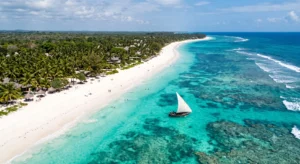
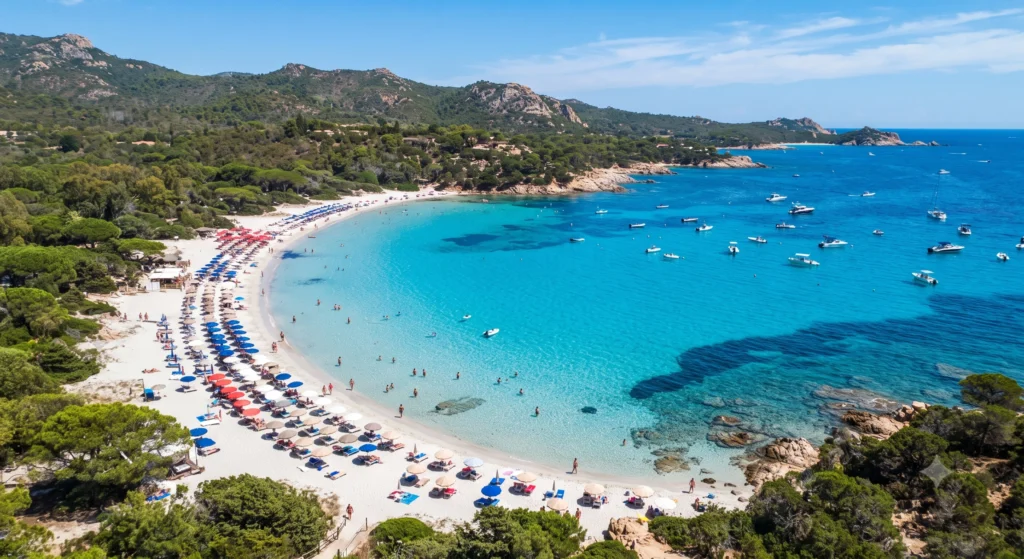
The Mediterranean coast — especially the French Riviera (Côte d’Azur) and Corsica — matches the classic image of French beaches: turquoise water, rocky coves, and a strong social scene.
- French Riviera: Glamorous, densely developed, and busy in summer. Nice, Cannes, Antibes, and Saint-Tropez anchor a coastline packed with beach clubs, restaurants, and pebble or sand beaches. Water is warm by late June, peaking in August and September.
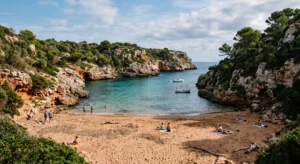
- Corsica: More rugged and less urbanized, with some of the most striking beaches in Europe. The south-east (Palombaggia, Santa Giulia, Rondinara) offers white sand and clear water, but access often means narrow roads and competition for parking.
Most travellers find the Mediterranean ideal if they prioritize:
- Swimming in clear, warm water
- Scenic coves and photo-worthy coastlines
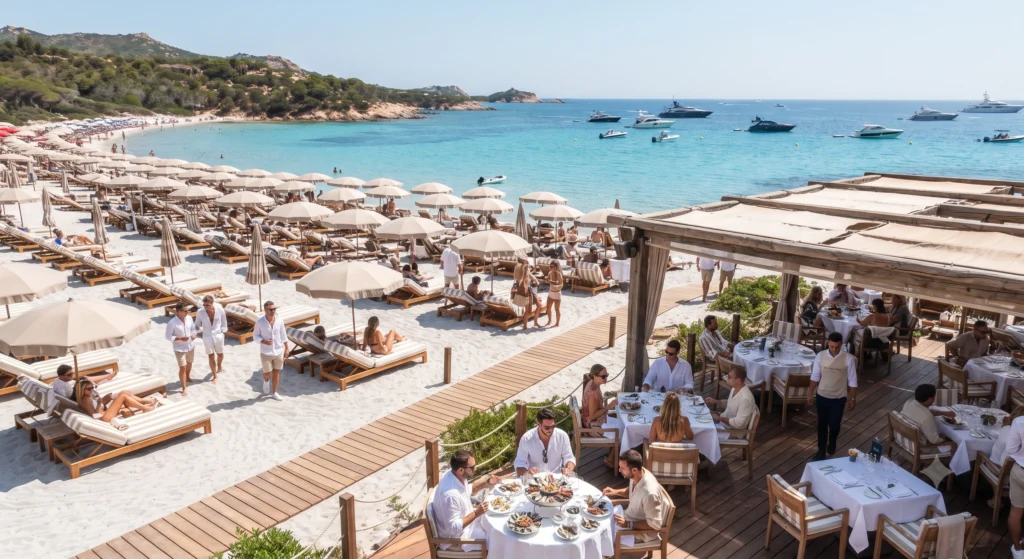
- Beach clubs, people-watching, and evening promenades
The downside:
- Crowds: August is intense, especially around Nice, Cannes, Saint-Tropez, and Corsica’s headline beaches.
- Costs: Beach clubs, sunbed rentals, and food on the sand are expensive.
- Logistics: Parking near popular coves can be a daily battle; public transport helps but doesn’t solve everything.
What makes it worth your time
For many travellers, the Mediterranean is worth it because the combination of water color, coastal scenery, and lifestyle is hard to beat in Europe.
- Palombaggia and Santa Giulia (Corsica) are frequently listed among the best beaches in France for their shallow, turquoise water and fine sand. They’re particularly good for families with young children and for relaxed swimming.
- Plage de Paloma (Saint-Jean-Cap-Ferrat) on the Riviera offers a more contained cove with clear water and a mix of free and paid sections; it’s popular but generally feels more refined than chaotic.
- Beaches around Èze, Villefranche, and Antibes give you a blend of small coves, old towns, and easy access from Nice, making them good bases for a Riviera beach trip.
If your ideal day is: swim in blue water, have a long lunch by the sea, and stroll a chic promenade at sunset, the Mediterranean is the right choice — but plan for June or September to reduce crowds and prices.
Where to stay
- Riviera:
- Nice: best transport links; many beaches are pebbly but you have easy access to other towns by train.
- Antibes, Juan-les-Pins, or Cap d’Ail: slightly calmer than central Nice/Cannes, with good beaches and restaurants.
- Saint-Tropez area: glamorous but expensive; consider nearby towns (e.g., Gassin, Cogolin) for better value.
- Corsica:
- Porto-Vecchio area for south-east beaches (Palombaggia, Santa Giulia).
- Bonifacio for dramatic cliffs plus nearby coves.
- Ajaccio or Bastia as budget-friendlier bases with day-trip potential.
Getting around
- Riviera: Trains along the coast are efficient; local buses reach many beaches. Driving is possible but parking is painful in high season.
- Corsica: A rental car is strongly recommended if you want to reach the best coves on your own schedule.
What it really costs
Indicative patterns (verify current rates before booking):
- Beach access: Many beaches are technically free, but sunbed/umbrella sets at organized sections can cost €20–40+ per day in peak season, more in high-end spots.
- Food: Simple beachside lunch €15–25+ per person; beach club dining significantly higher.
- Accommodation: August Riviera and Corsica prices are premium; moving to shoulder season or staying slightly inland reduces costs substantially.
If you’re on a tighter budget, picnics from local markets and beaches without managed sections are your best tools.
Atlantic Coast: Surf, Space, and Cooler Water
What this coast is actually like
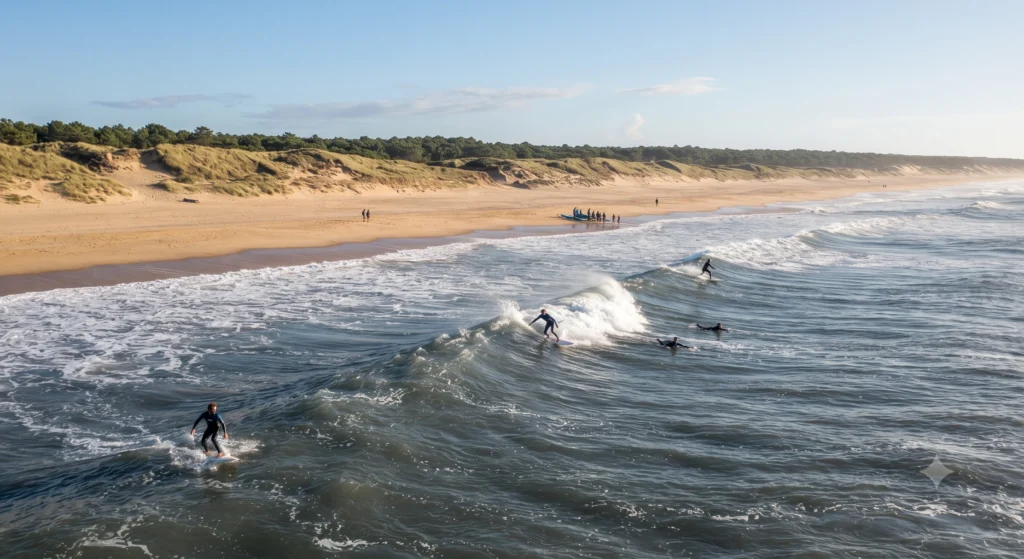
The Atlantic coast — spanning Landes, the Basque Country, and western Brittany — is a different world. Think long sandy beaches, dunes, consistent surf, and water that’s refreshing rather than balmy.
Key characteristics:
- Water temperature: Cooler than the Mediterranean; wetsuits are common for surfing even in summer.
- Waves: Reliable surf, especially around Hossegor, Biarritz, and other Basque/Landes towns.
- Crowds: Still busy in summer, but it’s easier to find uncrowded stretches, especially north or south of the main surf towns.
This coast suits travellers who want:
- Active beach days (surfing, paddleboarding, long walks)
- Wide sandy beaches and big skies
- A more relaxed, less glamorous vibe than the Riviera
It’s less ideal if you want:
- Warm, bathtub-like water
- Calm, protected coves for toddlers without waves
- A “glamorous” beach-club scene
What makes it worth your time
If you enjoy surf culture, long beach walks, and seafood, the Atlantic coast can feel like better value and a more relaxed experience than the Mediterranean.
- La Côte d’Argent (Landes) is known for long, straight beaches and consistent surf; towns like Hossegor and Capbreton are popular with surfers and families who like space.
- Biarritz’s La Grande Plage combines surf, Belle Époque architecture, and a lively town center; it’s one of France’s most famous Atlantic beaches.
- Brittany’s southern coast (e.g., Quiberon, Carnac area) offers a mix of smaller beaches, megalithic sites, and seafood villages.
For surfers, the Atlantic is often the main reason to choose France over other Mediterranean destinations.
Where to stay
- Landes: Surf hostels, mid-range hotels, and rentals in towns like Hossegor, Seignosse, and Capbreton.
- Basque Country: Biarritz (more upscale), Saint-Jean-de-Luz, and Hendaye (more family-friendly, slightly calmer).
- Brittany: Small coastal towns with B&Bs, campsites, and family hotels; good value outside peak weeks.
Getting around
- Train access to Bordeaux and Biarritz, then local buses or car for specific beaches.
- A car is helpful for exploring multiple surf spots and quieter coves.
What it really costs
- Surf lessons and board rental are the main extra costs; group lessons and multi-day packages improve value.
- Food and accommodation are generally more moderate than the Riviera, though Biarritz in August can be pricey.
- Many beaches are free with no paid sections, making day-to-day costs lower.
Normandy & Brittany: Drama, Tides, and History
What this coast is actually like
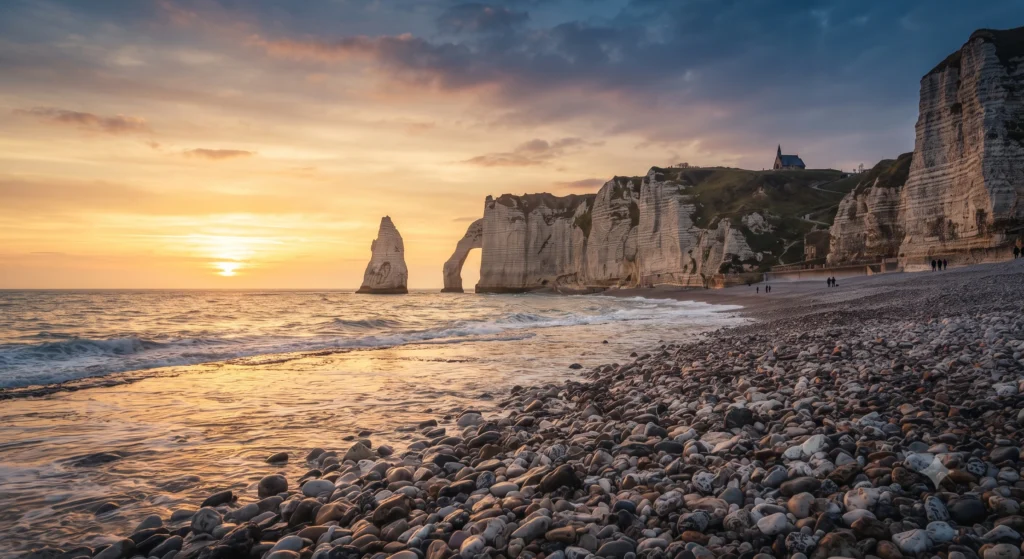
Northern France’s coast is less about classic sunbathing and more about dramatic landscapes, tides, and history. Think chalk cliffs, wide tidal flats, D-Day beaches, and medieval towns.
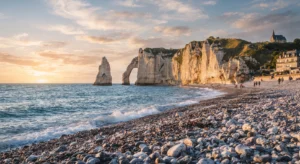
- Normandy: Étretat’s white cliffs and pebble beach, the D-Day landing beaches, and the vast sands around Mont-Saint-Michel.
- Brittany: Rocky inlets, small sandy coves, and long coastal paths; some family-friendly beaches (e.g., around Saint-Malo, Quiberon), but also many rugged, wind-swept spots.
Water is generally too cool for long swims except for hardy swimmers in high summer; the appeal is scenery, history, and coastal walks.
What makes it worth your time
If you’re combining culture, history, and coastal scenery, Normandy and Brittany are excellent.
- Étretat is iconic for its sea arches and cliffs; the beach itself is pebbly and not ideal for classic lounging, but the views are unforgettable.
- D-Day beaches (Omaha, Arromanches, etc.) offer a powerful historical experience combined with wide sands and coastal paths.
- Mont-Saint-Michel bay features dramatic tidal changes; walking the sands at low tide is a highlight, but requires caution and timing.
These coasts are perfect for travellers who want:
- Coastal hikes and photography
- History-focused trips (WWII, medieval towns)
- A mix of beach and city/culture (Rouen, Saint-Malo, Rennes)
They are less suitable if your main goal is warm-water swimming and beach days.
Where to stay
- Normandy: Towns like Deauville, Cabourg, Bayeux, or Saint-Malo (just over the border in Brittany) as bases.
- Brittany: Saint-Malo, Dinard, Quiberon, Carnac for beach access plus charm.
Getting around
- Train to major hubs (Rouen, Caen, Rennes, Saint-Malo), but a car is very helpful for reaching smaller beaches and historical sites.
- Always check tide times before walking on large tidal flats.
What to Skip (and What to Do Instead)
Not every famous beach is worth building your trip around.
Overrated for many travellers
- Main Nice beaches (like Plage Beau Rivage and others along the Promenade des Anglais) if you want soft sand and calm swimming. They’re pebbly, busy, and better for people-watching than classic beach relaxation. A better move: take a short train ride to Villefranche-sur-Mer, Cap-Ferrat, or Antibes for more varied coves.
- Plage de Pampelonne (near Saint-Tropez) if you dislike beach clubs, music, and high prices. The scene suits some, but many families and budget travellers feel squeezed. Consider beaches around Ramuelle, Tahiti, or smaller coves near Gassin for a more relaxed vibe.
- Étretat’s beach as a sunbathing base. It’s stunning, but better as a half-day stop for views, photos, and a coastal walk than as your main “beach holiday” location.
Better alternatives
- If you want turquoise water and sand without the worst Riviera crowds:
- Focus on Corsica’s south-east beaches (Palombaggia, Santa Giulia, Rondinara) in June or September.
- If you want glamour but better value:
- Look at Antibes, Juan-les-Pins, or Cap d’Ail instead of central Nice or Saint-Tropez.
- If you want space and family-friendly beaches on a budget:
- Consider Languedoc (Saintes-Maries-de-la-Mer, Espiguette) or parts of the Landes coast rather than the hottest Riviera spots.
- If you want scenery plus beach time:
- Combine Normandy or Brittany with a short hop south, rather than expecting all-in-one in the north.
Final Recommendation: Where to Focus Your Beach Days
France’s “best beaches” question doesn’t have one answer, but it does have a clear framework:
- For classic Mediterranean beauty and warm water:
- Prioritize Corsica and the less hyper-central Riviera coves.
- Go in June or September if you can.
- For surf, wide sands, and a relaxed vibe:
- Choose the Atlantic coast (Landes, Basque, parts of Brittany).
- For drama, history, and coastal walks:
- Build a trip around Normandy and Brittany, accepting cooler water and more focus on scenery than swimming.
If this is your first beach-focused trip to France, a strong, balanced plan is:
- 5–7 days on the Mediterranean/Corsica for warm-water beach time.
- 3–4 days on the Atlantic for surf or long walks.
- Or, if you prefer culture: 3–4 days in Normandy/ Brittany plus a longer stay in the south.
France’s beaches are worth your time — as long as you choose the coastline that matches the kind of traveller you are.
FAQ
Which region has the best beaches in France for families?
For families, the shallow, turquoise waters and sandy shores of Corsica’s south-east (Palombaggia, Santa Giulia) and parts of the Languedoc and Landes coasts are excellent. They offer space, gentle swimming, and plenty of nearby amenities. The Riviera also has family-friendly spots, but they get very crowded in August; aim for June or September and choose beaches slightly outside the main tourist hubs.
Are France’s beaches free, or do you have to pay?
Most beaches are technically free to access, but many popular stretches have paid sections for sunbeds and umbrellas, especially on the Riviera and Corsica. You can usually find free areas nearby, though they may be more crowded or less serviced. Bring your own towel and plan picnics to keep costs down.
When is the best time to visit France’s beaches to avoid crowds?
June and September are generally the sweet spots: warm enough for swimming on the Mediterranean, with fewer crowds and lower prices than July–August. On the Atlantic, late June through September offers the best balance of decent water temperature and manageable crowds. Avoid French school holidays if possible, especially mid-July to late August.lonelyplanet+1
Is the water warm enough for swimming on all French coasts?
No. The Mediterranean has the warmest water, especially from late July to September. The Atlantic is cooler and better for surfing than long, lazy swims. Normandy and Brittany are often too cold for extended swimming except for hardy swimmers in high summer; they’re better for scenery and coastal activities.
Do I need a car to enjoy France’s best beaches?
It depends on the region. On the Riviera, trains and buses can reach many beaches, though a car helps for smaller coves. In Corsica, a car is strongly recommended to access the best beaches efficiently. On the Atlantic and in Normandy/ Brittany, a car gives far more flexibility for exploring multiple spots and avoiding crowded hubs.