Africa is a continent of 54 distinct nations, thousands of cultural groups, and ecosystems that range from Saharan sand seas to alpine rainforests and fringing coral reefs. Yet, travellers continually make the mistake of asking: “Where is the best place to go in Africa?”
That question is impossible to answer without first asking: What kind of trip are you actually paying for?
The country that wins for a seamless family holiday with young children is rarely the best choice for an intrepid mountain trek. The region that delivers sweeping, cinematic wildlife migrations often comes with extreme logistics friction and price tags that shock first-timers.
To make a smart financial and practical choice with your vacation days, you need to match your travel profile to the specific operational strengths of each country. Here is how the continent breaks down when you strip away the tourist board marketing.
Quick Verdict: Which African Country Fits Your Travel Style?
Verdict: There is no single “winner,” but clear regional champions emerge depending entirely on your primary travel goal.
- For the Ultimate All-Rounder: South Africa. It is the only country on the continent that consistently ranks near the top across every travel style—offering world-class land safaris, coastal drives, low-malaria family options, and urban dining at a fraction of East African logistics costs.
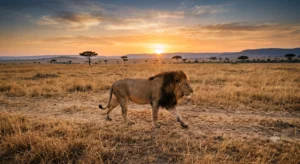
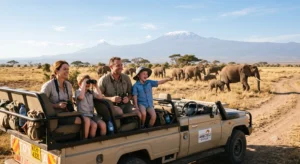
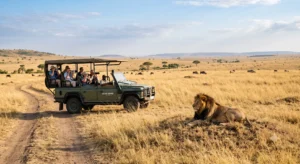
- For Classic, High-Density Land Safaris: Tanzania and Kenya. Unmatched for sheer mammal volume, wide-open savanna vistas, and the Great Migration, but you pay a premium in park fees and light-aircraft transfers.
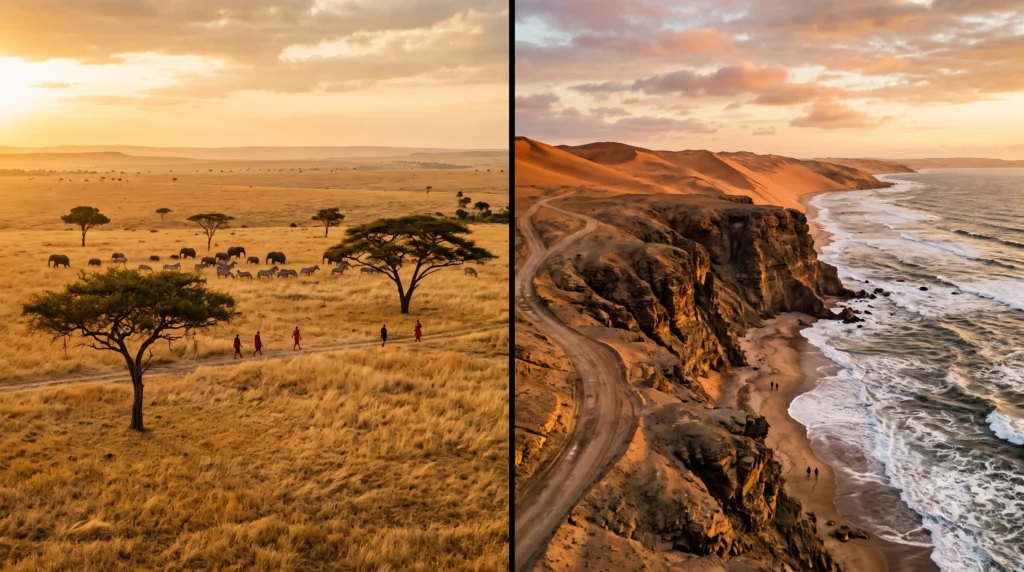
- For Active Adventure & Non-Safari Travel: Morocco. Dominates for high-altitude trekking, desert crossings, deep historical urban immersion, and culture without the need for a game drive.
- For Marine Life & Island Isolation: Seychelles and Mauritius. The Indian Ocean island nations punch drastically higher than mainland coastlines for marine conservation, reef quality, and water visibility.
Quick Facts: Pan-African Trip Selector
| Travel Style | Top Country Pick | Key Advantage | Primary Trade-Off |
| Classic Land Safari | Tanzania | Enormous wildlife volume & protected acreage | High lodge costs & heavy seasonal park fees |
| Family Holiday | South Africa | Malaria-free reserves, paved roads, direct flights | Less “untamed” feel than remote bush camps |
| Active Adventure | Morocco | Trekking, desert routes, zero safari fatigue | No big game or classic bush wilderness |
| Marine & Coast | Seychelles | Pristine coral reefs, strict marine protection | Premium island pricing & limited nightlife |
| Honeymoon / Romance | Kenya | Intimate tented camps & seamless bush-to-beach | Complex internal flight transfers |
What Travel in Africa Is Actually Like
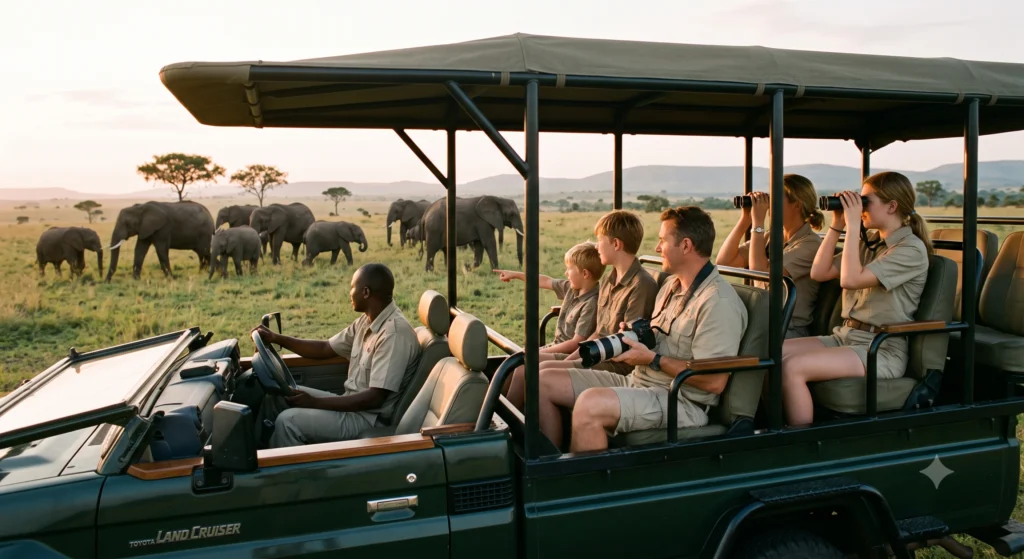
Travel across Africa varies wildly depending on infrastructure design. Understanding these three operational models prevents severe travel frustration:
- The High-End Fly-In Model (East Africa & Botswana): You fly into a primary hub (Nairobi, Kilimanjaro, or Maun) and immediately board small, 12-seater light aircraft to unpaved bush airstrips. You stay in remote, full-board tented camps where every movement is guided. It is intimate, quiet, and deeply immersive—but logistically rigid and very expensive.
- The Infrastructure & Self-Drive Model (South Africa & Namibia): Excellent highway networks, accessible rental cars, commercial domestic flights, and a mix of public national parks and private reserves. You can drive yourself through world-class wildlife zones or hire local guides without being trapped in exclusive lodge bubbles.
- The Overland & Cultural Circuit Model (North & West Africa): Centrally focused on historic cities, public rail, mountain passes, and coastal routes. You spend your time navigating medinas, mountain trails, and local markets rather than tracking game in open 4x4s.
Best Countries by Travel Style
1. Land Safari: The Wildlife Heavyweights
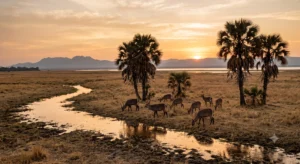
If your primary goal is seeing the Big Five, vast herds, and active predator hunts, the choice comes down to density and landscape scale.
- Tanzania: Home to roughly 40% of its land set aside for conservation. The Serengeti and Ngorongoro Crater offer unmatched wildlife volume.
- The Reality Check: It is busy during peak migration months, and park fees are steep.
- Wildcard Pick — Botswana: While it holds fewer total species than Tanzania, its high-value, low-density model in the Okavango Delta provides an exclusive, water-based safari experience with almost zero vehicle crowds.
2. Family Holidays: Managing Friction and Health
Planning a multi-generational trip or travelling with young children shifts priorities to health logistics, child-friendly accommodation, and varied day-to-day activities.
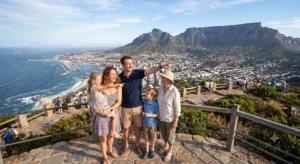
- South Africa: The clear winner. Private reserves in the Eastern Cape and Madikwe offer malaria-free Big Five game viewing, eliminating the need for prophylactic medication for young kids. Pair this with Cape Town’s beaches, easy paved driving, and diverse dining, and family stress drops to near zero.
- Wildcard Pick — Kenya: Excellent if your children are older and want the “Lion King” experience. Many conservancies around the Masai Mara offer specialized educational bush-craft programs led by local Maasai guides.
3. Active Adventure: Going Beyond the 4×4 Jeep
Sitting in a game-viewing vehicle for six hours a day can feel restrictive for active travellers.
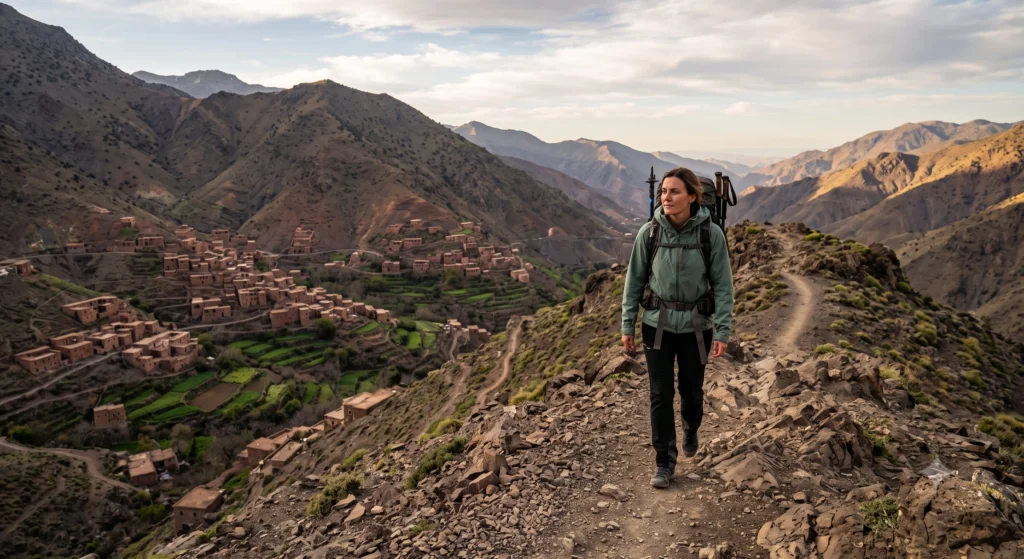
- Morocco: North Africa’s adventure hub. Home to the High Atlas Mountains—including Mount Toubkal, the highest peak in North Africa at 4,167 metres—as well as Saharan dune field expeditions and Atlantic surfing around Essaouira.
- Namibia: Unmatched for self-drive desert exploration, sandboarding, and hiking the stark, ancient landscapes of Sossusvlei and the Fish River Canyon.
4. Marine Safaris & Coastal Life
Plunging into the ocean requires clear distinction between mainland beaches and protected island marine reserves.
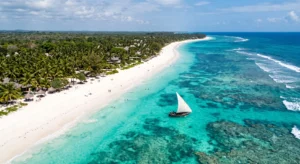
- Seychelles: A global benchmark for marine conservation. The granite and coral islands offer pristine reefs, protected sea turtle nesting sites, and giant tortoise sanctuaries with strict environmental caps on tourism footprint.
- Mozambique (Mainland/Archipelago): Offers wild Indian Ocean coastline, whale shark encounters, and dugong protection in the Bazaruto Archipelago, though coastal travel logistics require patience.
What To Skip And What To Do Instead
- Skip: Trying to see “Africa” in a single two-week trip. Combining Kenya, Cape Town, and Victoria Falls in 10 days leads to spending half your vacation inside international airports and regional transit lounges.
- Do Instead: Focus on one geographic cluster. Pair South Africa’s safari regions with its coast, or combine Kenya’s Masai Mara with the Mozambican or Swahili coastline.
- Skip: Assuming private luxury lodges are the only way to do a safari.
- Do Instead: Consider South Africa’s SANParks network (such as Kruger National Park rest camps) or Namibian self-drive routes for high-grade wilderness exposure at a fraction of private lodge rates.
Final Recommendation
Before you search for flights, define your non-negotiables:
- Choose South Africa if you want variety, low logistical friction, great food, and maximum value across a single trip.
- Choose Tanzania or Kenya if a sweeping, cinematic savanna safari is your non-negotiable lifetime dream and you have the budget to support fly-in logistics.
- Choose Morocco if you want rich culture, mountain trekking, and vibrant markets without stepping foot on a game drive vehicle.
- Choose Seychelles or Mauritius if your idea of wilderness is underwater reefs and secluded island ecology.
FAQ
Which African country is best for a first-time visitor?
South Africa is widely considered the easiest starting point. It features excellent road infrastructure, direct international flight connections, malaria-free safari options, and a high standard of medical and travel facilities alongside world-class wildlife.
Is East Africa or Southern Africa better for a safari?
East Africa (Tanzania, Kenya) excels in open, sweeping landscapes and massive herd migrations. Southern Africa (South Africa, Botswana, Greater Kruger) excels in varied terrain, high rhino populations, exclusive private conservancies, and better self-drive or budget-friendly options.
How far in advance should I book an African trip?
For high-season safaris (July to October) or specialized experiences like gorilla trekking in Rwanda/Uganda, book 9 to 12 months in advance. Popular camps and limited park permits fill up quickly.
Are light-aircraft flights necessary for African travel?
In countries like Botswana, Tanzania, and Zambia, small internal flights are often the only practical way to reach deep bush camps. In South Africa, Namibia, and Morocco, ground transport and standard commercial flights work perfectly fine.