Rome exhausts people for two reasons: they try to see too much, and they stay in the wrong area. The city is layered rather than efficient. Ancient ruins sit beside scooter traffic, priests move past football shirts, and dinner rarely starts before 8pm. You don’t “complete” Rome in four days. You learn its rhythm enough to stop fighting it.
My worst Rome decision was booking a hotel beside Termini Station because the price looked good. The room saved €45 a night. The trade-off was spending every evening in a neighbourhood with fluorescent souvenir shops, mediocre pizza, and none of the atmosphere people actually fly to Rome for. By the second night I was taking taxis back from Trastevere because I didn’t want the day to end around Termini.
Four days is enough for a first trip if you stop trying to tick off every ruin in the empire. This Rome travel guide focuses on what actually earns your time, where to stay, how to move around the city without frustration, and the mistakes that quietly waste half a trip.
Quick Overview: The Rome Most First-Timers Miss
| Category | What You Need to Know |
|---|---|
| Ideal Trip Length | 4 days minimum |
| Best Area to Stay | Centro Storico or Trastevere |
| Daily Budget | €140–€350/day per person (2025–2026 rates — verify before travel) |
| Airport Transfer | Leonardo Express train: €14 one-way |
| Best Time to Visit | October or late April |
| Biggest Mistake | Overbooking attractions |
| Walking Reality | Expect 18,000–25,000 steps daily |
| One Thing Worth Booking Early | Colosseum + Roman Forum timed entry |
The 5 Things That Actually Make Rome Worth the Flight
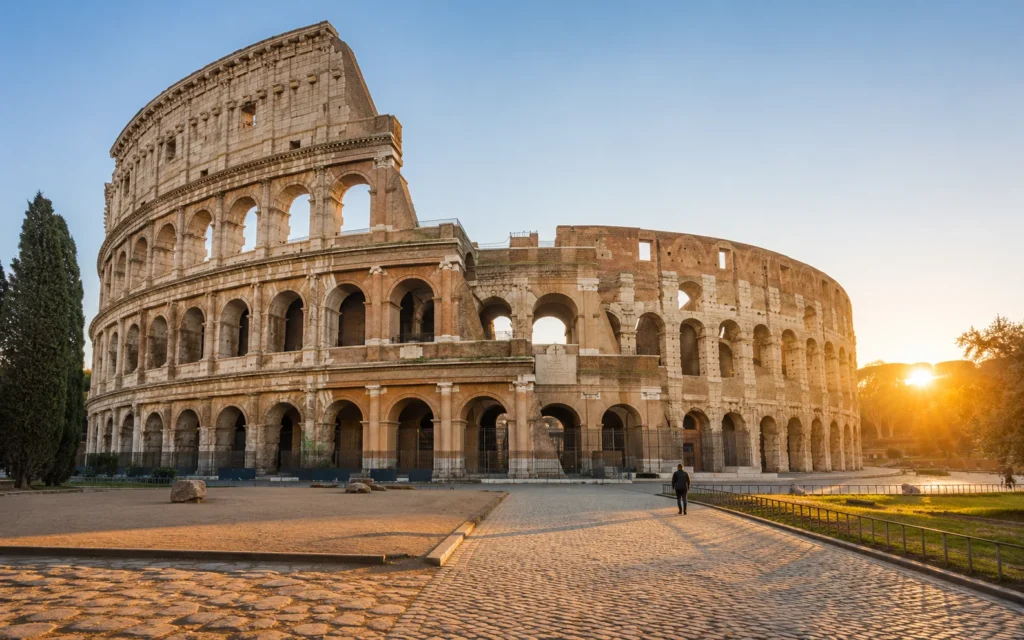
Rome works when you treat it like a city with ancient ruins inside it — not an outdoor museum. People who enjoy Rome usually build their day around one major sight, one neighbourhood, and long meals. People who hate Rome try to “do” six landmarks before lunch.
The Colosseum still lands emotionally despite the crowds. Go at opening time. Not 10am. Not “early-ish.” Opening time. By 8:17am you’ll still hear tour guides setting up microphones instead of 40 overlapping explanations about gladiators. Entry starts around €18 excluding guided tours (2025–2026 rates — verify before travel).
Then there’s the Pantheon. And this is the pivot most first-timers don’t expect: the exterior feels familiar because you’ve seen it your entire life online. The interior doesn’t. The light through the oculus changes the entire building every few minutes. Stand still for ten minutes instead of photographing it immediately.
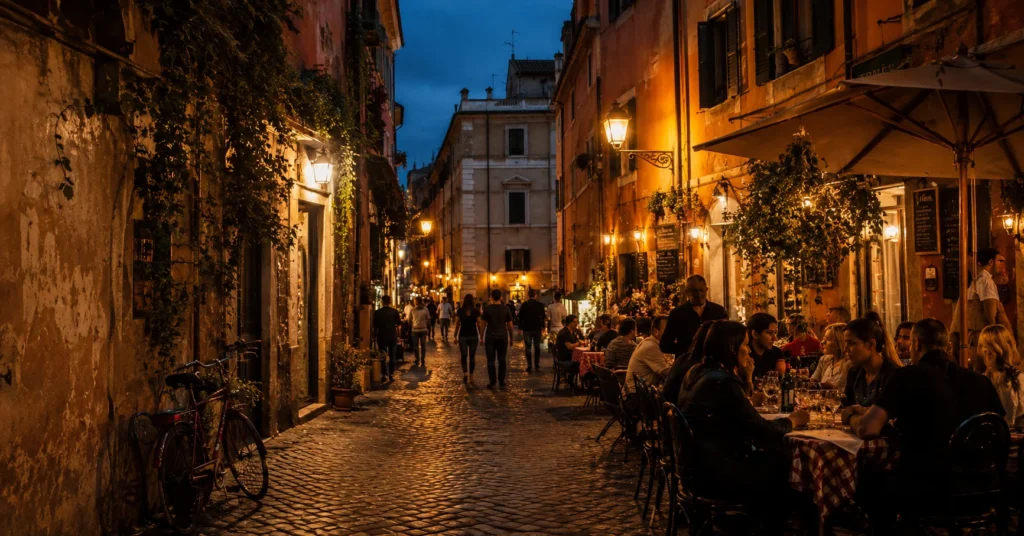
Trastevere earns an evening. Not because it’s “authentic” — parts of it absolutely know they are being photographed — but because Rome after dark changes personality there. Laundry hangs above wine bars. Vespas squeeze through alleys designed centuries before engines existed. And around 9:40pm, the dinner tables finally fill properly.
Skip the Vatican Museums on a free-entry Sunday. Completely. The queue becomes crowd endurance rather than cultural experience. Pay for a timed ticket on a weekday morning instead.
And the thing nobody says clearly enough: Rome’s best moments are often between the landmarks. Turning onto a random piazza at 7:12am. Hearing delivery scooters over empty cobblestones. Ordering espresso at the counter for €1.30 and realising Italians finish it in three sips and leave.
Where to Stay in Rome Without Spending Half Your Trip in Transit
Centro Storico makes the most sense for first-timers. You can walk to the Pantheon, Piazza Navona, Trevi Fountain, and most evening restaurants without relying on transport. Hotels cost more — expect €220–€350 for solid mid-range properties in October (2025–2026 rates — verify before travel) — but you gain hours back every day.
Trastevere suits people who care more about evenings than logistics. The restaurant scene is better. The atmosphere improves after sunset. But public transport connections are weaker, so you’ll walk more or use taxis at night.
Monti sits between the Colosseum and Termini and works well if you want balance. It feels calmer than the historic centre without isolating you from it. Also, some of Rome’s better small wine bars sit here rather than beside the major monuments.
Don’t stay near Termini unless you have a very early train. The area is functional, not enjoyable. Rome is expensive enough already. Saving money on the hotel only to spend your evenings commuting back into the city centre feels like buying cheaper theatre tickets behind a pillar.
Italy travel guide helps if Rome is only one stop on a longer route through Florence, Venice, or the Amalfi Coast.
Getting Around Rome: Metro, Walking, Taxis, and the Mistake Most People Make
You’ll walk more in Rome than expected because many major sights cluster closer together than the metro map suggests. The distance from the Pantheon to Trevi Fountain is roughly 11 minutes on foot. Piazza Navona to Campo de’ Fiori takes about 9 minutes. The city rewards walking because the interesting part is usually between destinations.
The metro exists mainly to connect outer districts and the Vatican area. It has only three lines. Useful, but nowhere near Paris or London scale.
Taxis are reasonable inside central Rome if you use them strategically. A late-night ride from Trastevere to Centro Storico often lands around €12–€18 depending on traffic (2025–2026 rates — verify before travel). Use official white taxis or apps like Free Now. Ignore anyone approaching you inside stations.
Here’s the mistake: scheduling too many timed entries across opposite sides of the city. Rome traffic looks manageable on maps. Then a delivery truck blocks a lane near Piazza Venezia and suddenly your “15-minute transfer” becomes 38 sweaty minutes power-walking through crowds.
Cluster your days geographically. Vatican one day. Ancient Rome another. Central piazzas another. Rome punishes zigzagging.
(Schedules change — confirm before travel)
What a Rome Trip Actually Costs in 2025
| Tier | Daily Spend | What You Get |
|---|---|---|
| Budget | €140–€180 | Simple hotel, pizza al taglio lunches, public transport |
| Mid-Range | €220–€350 | Central hotel, sit-down dinners, museum entries, taxis |
| Worth-the-Splurge | €500+ | Boutique hotels, private guides, rooftop dining |
Accommodation drives most of the cost. Food doesn’t have to. A Roman pasta dish like cacio e pepe or carbonara usually costs €12–€18 at good neighbourhood restaurants, while espresso remains one of Western Europe’s cheapest daily rituals.
The tourist-trap rule is simple: if a restaurant beside the Pantheon displays laminated photos of food, keep walking. I ignored this once after a long afternoon and paid €24 for a pasta that tasted reheated. Two streets away, near Via dei Coronari, dinner improved dramatically for less money.
Book major attractions before arrival. Especially the Colosseum and Vatican Museums. Last-minute tickets either disappear or push you into overpriced third-party tours.
A 4-Day Rome Itinerary That Doesn’t Feel Like a Checklist
Day 1: Historic Centre and the Rhythm Shift
Start with Piazza Navona, the Pantheon, and Trevi Fountain early before the crowds compress the streets. Then slow down. Long lunch. Coffee standing at the bar. Evening in Trastevere.
Day 2: Ancient Rome Properly
Do the Colosseum, Roman Forum, and Palatine Hill together because they share context physically and historically. Allocate at least five hours. Less than that and you’ll spend the entire visit glancing at the clock.
Day 3: Vatican City and Prati
Book the Vatican Museums at opening time. Then move into Prati for lunch instead of eating directly beside St Peter’s Square where prices climb and quality drops. Try suppli or artichokes if they’re in season.
Day 4: The Rome That Breathes
Use the final day for Monti, Testaccio, or simply repeating the area you liked most. Rome improves once pressure disappears. The best afternoon I had there involved no landmarks at all — just sitting outside a café near Campo de’ Fiori while a delivery driver argued theatrically over parking for twelve full minutes.
That’s Rome too.
Pro Tips That Save You Hours in Rome
Book attraction tickets directly through official sites whenever possible. Third-party resellers often add €15–€40 per ticket for minimal benefit.
Carry cash for smaller cafés. Many accept cards now, but some still dislike low-value tap payments for coffee.
Dinner before 7:30pm usually means eating beside other tourists. Rome wakes up late.
And wear proper shoes. Not fashion-week city-break shoes. Actual walking shoes. The cobblestones around Centro Storico punish thin soles by day two.
The blunt verdict: skip trying to do a day trip to Florence from Rome on a four-day visit. You’ll lose the shape of the city entirely. Rome needs unstructured time more than another checklist item.
Frequently Asked Questions About Rome
How many days do you actually need in Rome?
Four days works well for a first trip. Three feels rushed once you include the Vatican and Ancient Rome properly. Five gives breathing room, especially if you enjoy slower meals and neighbourhood wandering instead of stacking landmarks.
Is Rome expensive compared to the rest of Italy?
Yes — especially accommodation in central areas. Hotels in Centro Storico often cost 25–40% more than equivalent stays in Bologna or Naples. Food remains relatively manageable if you avoid restaurants directly beside major sights.
What’s the best month for visiting Rome?
October balances weather, daylight, and crowd levels best. Late April also works well. August is difficult unless you tolerate heat and reduced local activity. Some smaller family-run businesses close for holidays during mid-August.
Should you buy attraction passes in Rome?
Usually no. Most first-timers won’t visit enough included attractions to justify the cost. Buy direct entry tickets for the specific sites you care about instead of building your schedule around a pass.
Continue Exploring
- Italy travel guide helps place Rome into a wider first-time Italy route with realistic pacing between cities.
- Amalfi Coast travel guide works well if you want a slower coastal contrast after Rome’s density and pace.