Spain is definitely one of those places that seems like a dream country on paper: amazing artwork, incredible coasts, walkable cities, and a food culture that really does exist within the everyday life of people there. However, at the same time, all of this has made Spain difficult to travel through without wasting money and time.
It is certainly not meant to be an exhaustive list of all attractions that there could be. Rather, the purpose of this guide is to help you make the right choices regarding the attractions that should be prioritized, those that are exaggeratedly praised, and other options that may exist instead.
Quick Verdict: Is Spain Worth It?
Recommendation: Yes, Spain is absolutely worth visiting, but not as a “tick-every-box” country tour.
- Who should go: Culture lovers, foodies, architecture fans, beachgoers who want variety, hikers, and city-break travellers.
- Who should skip (or rethink): Anyone hoping for a cheap, uncrowded, or “off the grid” trip in July–August; travellers who try to cover the whole country in one week.
- Biggest trade-off: Spain’s highlights are spread out and seasonally intense. You gain incredible variety, but you must choose regions and seasons carefully to avoid heat, crowds, and rushed travel days.
Quick Facts
| Information | Details |
|---|---|
| Best time to visit | April–June, September–October for most regions |
| Typical budget (per day) | Budget €60–90; Comfortable €120–180; Premium €250+ |
| Best base for first-timers | Barcelona + Andalusia (Seville/Granada) or Madrid + Basque Country |
| Getting around | High-speed AVE trains between major cities; buses and regional trains for smaller towns; car useful for rural areas and some coastlines |
Current rates and schedules should be checked before booking, especially for trains and popular attractions.
What Spain Is Actually Like
Spain is not a single “vibe.” It’s several countries in one, each with its own pace, food, and landscape.
- Catalonia and Barcelona feel cosmopolitan and design-focused, with heavy tourism in the centre but creative neighbourhoods beyond the main drag.
- Madrid is intense, late-night, and museum-heavy, with a more local feel once you move beyond Puerta del Sol.
- Andalusia (Seville, Granada, Córdoba) is the romantic, Moorish-influenced south: stunning architecture, strong flamenco culture, and punishing summer heat.
- Basque Country (San Sebastián, Bilbao) is greener, more expensive, and food-obsessed, with a different language and strong regional identity.
- Coastal Spain ranges from package-resort strips to quiet fishing villages and rugged coves; the experience changes dramatically depending on where and when you go.
Many travellers find that the biggest mistake is treating Spain like a checklist. A week trying to hit Barcelona, Madrid, Seville, Granada, and the coast usually means more time in train stations and traffic than actually enjoying anywhere.
What’s Actually Worth Your Time
1. Alhambra, Granada
The Alhambra consistently ranks as one of the most rewarding experiences in Spain, and for good reason. It’s a vast palace-fortress complex with intricate Islamic architecture, courtyards, and gardens, set against the Sierra Nevada.
- Why it matters: It’s rare to find a site that’s both historically significant and visually stunning without feeling like a theme park.
- Who will love it: History buffs, architecture lovers, photographers, anyone who enjoys slow exploration.
- Catch: Tickets sell out weeks or months in advance in high season; once you have a time slot, you must arrive on time.
- Practical tip: Book the earliest available entry to avoid the worst heat and crowds. Budget at least 3–4 hours.

2. Sagrada Família + Park Güell, Barcelona
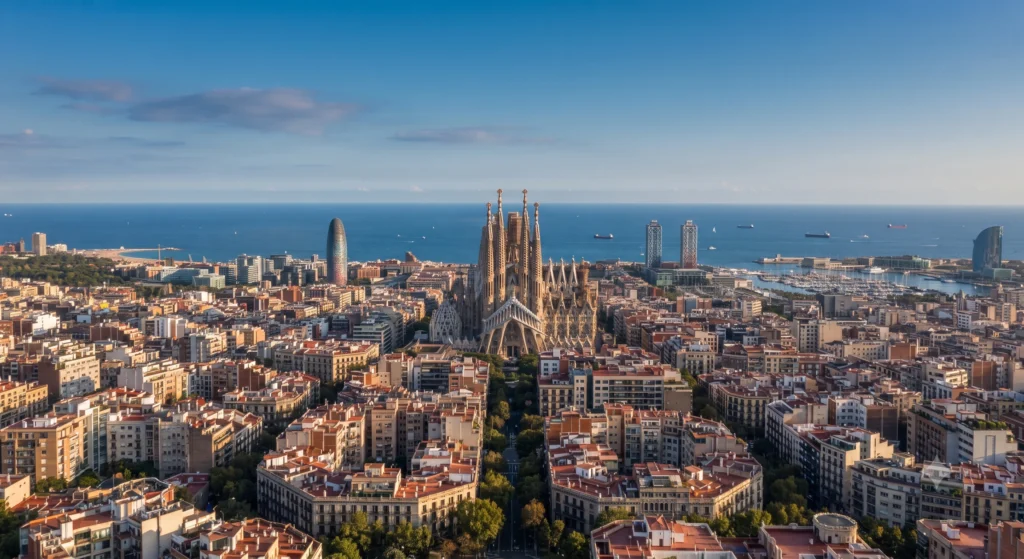
Antoni Gaudí’s work defines Barcelona’s image, and the two most famous sites are the Sagrada Família basilica and Park Güell.
- Sagrada Família: The interior is the real draw—light through stained glass, organic forms, and a sense of scale that photos don’t capture. The tower climb adds a view but is not essential for everyone.
- Park Güell: The monumental zone has the famous mosaic bench and “gingerbread” structures, but much of the park is free and less crowded.
- Who will love it: Architecture fans, first-time visitors, people who enjoy iconic sights.
- Catch: Both sites are heavily booked; without advance tickets you may miss out or join long queues. The area around Park Güell can feel touristy.
- Practical tip: For Sagrada Família, choose a time slot early in the day or late afternoon. For Park Güell, consider entering the free areas if you’re on a tight budget or short on time.
[source: official Sagrada Família and Park Güell sites; information verified: booking requirements and general visitor experience]
3. Prado and Reina Sofía Museums, Madrid
Madrid’s art scene is serious. The Prado holds Velázquez, Goya, and other European masters, while the Reina Sofía includes Picasso’s Guernica and major modern art.
- Why it matters: These are world-class collections that justify a trip on their own for art lovers.
- Who will love it: Art enthusiasts, people who enjoy museums, travellers who prefer city breaks over beaches.
- Catch: They’re large; trying to “do” both in one day is exhausting.
- Practical tip: Pick one museum per day and focus on a few key works rather than sprinting through everything.
4. Pintxos in San Sebastián
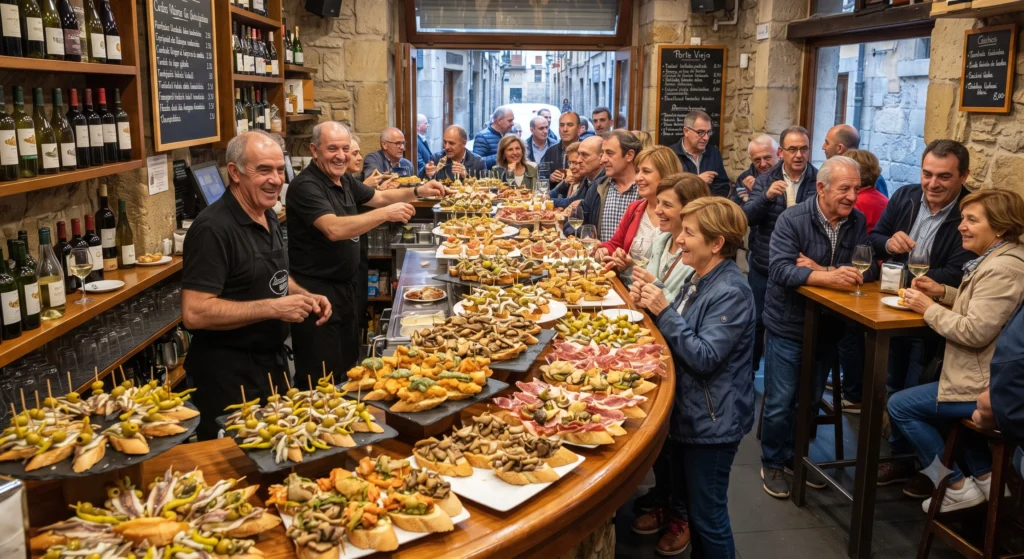
The Basque tradition of pintxos (small snacks served on bread, often on a bar counter) is one of the most enjoyable food experiences in Spain.
- Why it matters: It’s social, affordable if you’re careful, and gives you a real sense of local life.
- Who will love it: Foodies, people who like bar-hopping, travellers who enjoy evening strolls followed by food and drinks.
- Catch: It’s easy to overspend by ordering too many premium pintxos; the old town gets crowded in peak season.
- Practical tip: Follow locals: look for bars with a mix of residents and visitors, and ask which items are house specialties.
5. Costa Brava and Andalucía’s Quieter Beaches
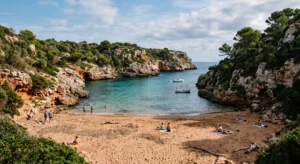
Spain’s coastline is vast, but the experience varies wildly. The Costa Brava offers rocky coves, clear water, and coastal walks, while Andalucía’s Costa de la Luz and protected areas like Cabo de Gata provide wide, less-developed beaches.
- Why it matters: You can find both lively resort towns and genuinely peaceful spots if you’re willing to move a bit away from the main strips.
- Who will love it: Beachgoers who want options, hikers who like coastal paths, people who don’t need a “perfect” sandy expanse.
- Catch: The most famous beaches get packed in summer; access to some coves requires walking or driving on rough roads.
- Practical tip: For a calmer experience, aim for late spring or early autumn, and look for beaches that require a short walk or drive.
Where to Stay
Your base matters more in Spain than in many countries because travel times can be long.
- Barcelona: Stay in the Gothic Quarter, El Born, or Gràcia for character and walkability; avoid the busiest parts of Las Ramblas for sleeping.
- Madrid: Centro, Sol, and Malasaña are central and lively; La Latina is great for food; Chamberí offers a more local feel.
- Seville: Santa Cruz, Triana, and the area near the cathedral are convenient; expect heat in summer.
- Granada: The Albaicín is atmospheric but hilly; the centre is more practical for most travellers.
- San Sebastián: The old town (Parte Vieja) is ideal for pintxos; Gros is calmer and near the beach.
Accommodation prices spike in summer and during major events; book early for better rates and locations.
Getting Around
- Trains: The AVE high-speed network connects Madrid–Barcelona, Madrid–Seville, and other major routes quickly, but prices rise as you get closer to the travel date. Regional trains and buses serve smaller towns. [source: Renfe; information verified: general network structure]
- Buses: Often cheaper than trains for secondary routes; good for reaching smaller coastal towns.
- Car: Useful for rural Andalusia, some coastal areas, and national parks; less necessary in big cities where parking is expensive and traffic heavy.
- Metro: Efficient in Madrid and Barcelona; a good option for airport transfers and getting around the main sights.
Schedules and prices can change; always confirm before travel.
What It Really Costs
Spain can be budget-friendly, but it’s no longer the bargain destination it once was, especially in high season and in major cities.
- Budget option: Hostels or budget hotels, tapas and menús del día, public transport, free walking tours, and focusing on free attractions (parks, beaches, some churches).
- Comfortable option: Mid-range hotels or apartments, a mix of casual and sit-down meals, paid entry to major sights, occasional taxis or rideshares.
- Premium option: Boutique hotels, fine dining, private guides, and premium experiences like tower climbs or special tours.
Lifestyle differences matter more than chasing exact prices: two people eating only in tourist squares will spend far more than two people mixing local bars and markets, even in the same city.
What to Skip and What to Do Instead
Overrated or Misused
- Las Ramblas (Barcelona) for dining and shopping: It’s fine for a stroll, but restaurants here are often overpriced and aimed at tourists.
- Better alternative: Eat and explore in the Gothic Quarter, El Born, or Gràcia.
- Generic “flamenco shows” in tourist zones: Big, dinner-plus-show venues in central areas often feel staged and pricey.
- Better alternative: Smaller venues in Seville’s Triana neighbourhood or reputable tablaos in Madrid that focus on the music and dance rather than the套餐.
- Crowded resort beaches in August: Think Lloret de Mar, parts of the Costa del Sol: packed, noisy, and very hot.
- Better alternative: Smaller coves on the Costa Brava, or beaches in Almería’s Cabo de Gata natural park if you’re in the south.
Skip Unless It’s a Specific Goal
- Day trips that cram three towns into one day: They look efficient on paper but leave you exhausted and seeing very little.
- Better alternative: Choose one or two towns per day and stay longer in each.
- Visiting major attractions without booking ahead: You may end up wasting a day queuing or missing out entirely.
- Better alternative: Plan your “must-see” list in advance and book key tickets early, especially for the Alhambra and Sagrada Família.
Final Recommendation
Spain is worth your time if you approach it with clear priorities. For a first trip, consider:
- 7–10 days: One region plus one city (e.g., Barcelona + Costa Brava; Madrid + Toledo + a southern city; Basque Country + a short city break).
- 10–14 days: Two regions max (e.g., Barcelona + Andalusia; Madrid + Basque Country + a bit of northern coast).
Choose Spain if: you want a mix of culture, food, architecture, and coastline, and you’re willing to plan around seasons and book key experiences in advance.
Consider another destination (or a different season) if: your main goal is a quiet, cheap beach holiday in July–August, or you insist on seeing “everything” in one week.
FAQ
How many days do I need to see the best things to do in Spain?
For a meaningful trip, plan at least 7–10 days focused on one or two regions, not the whole country. A week trying to cover Barcelona, Madrid, Seville, Granada, and the coast will leave you mostly in transit. Most travellers get more value from a slower itinerary with fewer bases.
Is Spain expensive compared to other Western European countries?
It’s generally cheaper than France, the UK, or Scandinavia, but major cities and coastal resorts in high season can be surprisingly pricey. Food and transport can still be good value if you avoid tourist traps and travel outside peak months.
Do I need to book Alhambra and Sagrada Família tickets in advance?
Yes, especially between April and October. Alhambra tickets often sell out weeks ahead, and Sagrada Família time slots fill quickly. Without advance booking, you risk missing out or wasting time queuing.
When is the best time to visit Spain for good weather and fewer crowds?
Late spring (April–June) and early autumn (September–October) offer warm weather with fewer crowds than July–August. The north is milder year-round; the south can be extremely hot in summer.
Is one week enough for Spain?
One week is enough for a focused trip (e.g., Barcelona + nearby coast, or Madrid + Seville + Granada), but not for “all of Spain.” Prioritise a region and accept that you’ll leave things for a future visit.