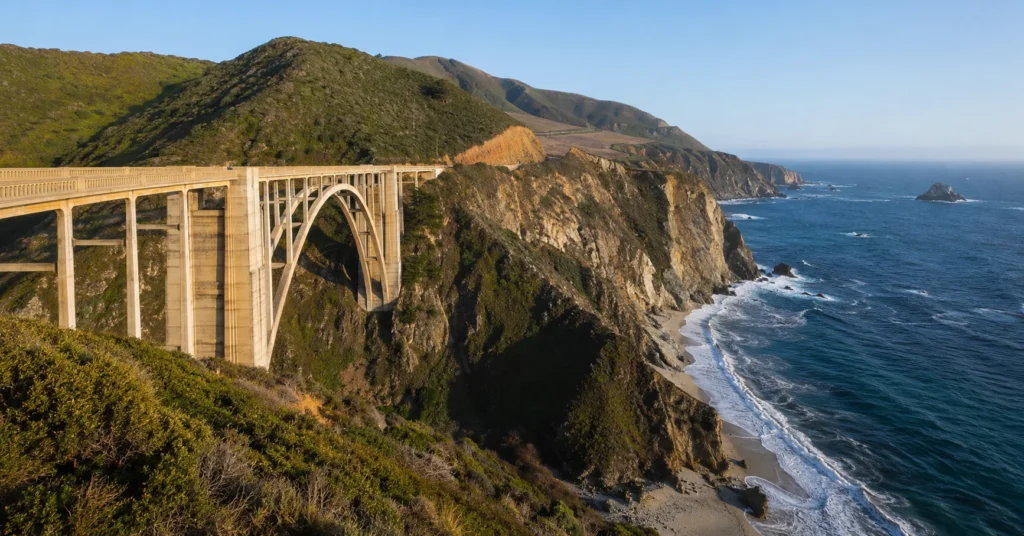
California breaks travellers who treat it like a single, cohesive destination. The most critical mistake you can make during california vacation planning is underestimating the sheer physical scale of the Golden State. Driving from San Francisco down to San Diego covers over 500 miles (804km) of highway—a journey that takes longer than driving from London to Edinburgh or New York to Boston.
This definitive california travel guide is built specifically for first-timers who want an honest, realistic blueprint that trades glossy brochure fantasies for actual logistics, real costs, and specific regional trade-offs.
The California Core Metrics
| Trip Style | Daily Budget (Mid-Range) | Best Transit Option | Minimum Recommended Days | Primary Bottleneck |
| Coastal Road Trip | $250–$350 | Rental Car | 10 Days | Highway 1 rockslides and winter washouts |
| Major City Explorer | $300–$450 | Rideshares & Walkable Hubs | 7 Days | Severe morning and evening highway gridlock |
| National Parks Route | $200–$300 | SUV or Standard Car | 8 Days | Seasonal reservation codes and snow closures |
Which Type of Trip Are You Taking? The California First-Timer Framework
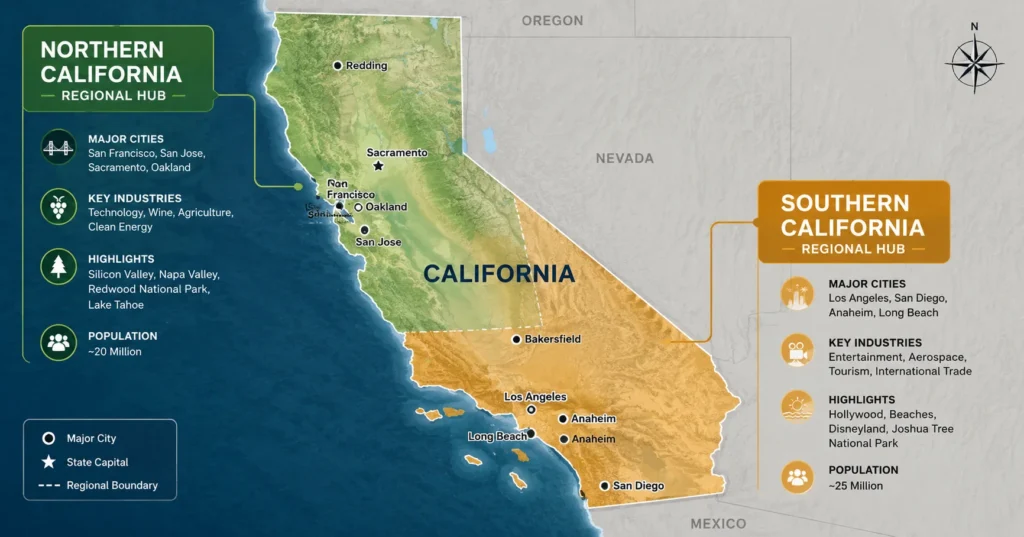
Your entire itinerary depends on a fundamental choice: are you hunting for rugged granite peaks and ancient forests in Northern California, or sun-baked beaches and sprawling urban centers in Southern California? Trying to pack both into a single one-week trip is a recipe for a miserable vacation spent staring at brake lights on Interstate 5. You must pick a lane based on what you actually want out of your limited time off.
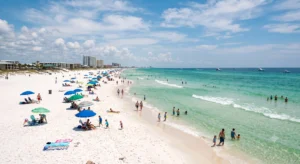
North of San Luis Obispo, the state rewards travellers who value dramatic, windswept landscapes, cool marine air, and artisanal food hubs. The culture here revolves around early morning trail departures, cold-water coastlines, and historic wooden architecture. South of that line, the state shifts into a car-centric, sun-soaked playground defined by wide sandy beaches, heavy industrial concrete, and immense entertainment complexes.
Your trip type dictates your packing strategy, your choice of vehicle, and your daily operating budget. A national parks focus means preparing for freezing high-altitude mountain temperatures, while a southern beach loop requires navigating urban parking garages that cost upwards of $60 a night. Identify your primary travel priority first, then let the geography handle the rest of the layout.
Quick Overview: The Real Geography You Need to Understand
The state breaks down into five distinct zones, each operating like a miniature country with its own microclimate, seasonal hazards, and transit realities. Understanding these borders is the key to successful visiting california prep.
                  [ NORTHERN CALIFORNIA ]
         (San Francisco, Napa Valley, Redwood Coast)
                              |
                              v
                  [ CENTRAL COASTLINE ]
            (Big Sur, Monterey, Santa Barbara)
                              |
                              v
                  [ SOUTHERN CALIFORNIA ]
             (Los Angeles, San Diego, Malibu)
                              |
                              v
               [ THE SIERRA NEVADA MOUNTAINS ]
               (Yosemite, Lake Tahoe, Mammoth)
                              |
                              v
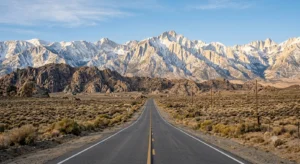
                     [ INLAND DESERTS ]
            (Death Valley, Joshua Tree, Palm Springs)
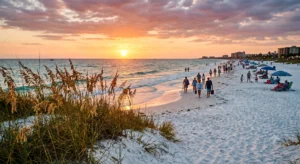
The coastline is not universally warm. If you jump into the Pacific Ocean in San Francisco during July, the 55°F (13°C) water temperature will shock your system within seconds. The warm, swimmable beach culture you see in movies exists exclusively south of Santa Barbara.
Mountain passes completely dictate interior travel. The Tioga Pass entrance into Yosemite sits at 9,943 feet (3,031m) and remains blocked by thick snowbanks from November until late May or early June each year. If your california trip guide ignores these altitude realities, you risk hitting dead ends that add 5 hours of driving around the mountain range to reach your destination.
Top Things to Do on a California Vacation: What’s Worth It and What to Skip
Most tourism boards fill their pages with expensive traps designed to harvest dollars from unsuspecting first-timers. To experience the real character of the state, you must be cutthroat about where you spend your time and energy.
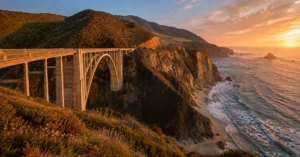
- The Pacific Coast Highway (Highway 1): Genuinely worth every dollar of your rental car fee. The stretch between Carmel-by-the-Sea and San Simeon is a masterwork of cliffside engineering, hanging directly above crashing waves. Drive it from north to south so you are in the lane closest to the ocean pull-outs.
- Yosemite Valley: The scale of the granite monoliths like El Capitan is impossible to capture in a photograph. However, visiting in July or August means sharing the valley floor with 20,000 other people, causing three-hour delays for park shuttle buses. Go in May for roaring waterfalls or October for crisp air and zero crowds.
- The San Francisco Waterfront: Skip Fisherman’s Wharf and Pier 39 entirely—they are loud, overpriced corridors of cheap souvenir shops and frozen seafood chains. Instead, walk three miles west along the Embarcadero to the Ferry Building. Here, you can eat fresh oysters from Tomales Bay and artisanal local cheeses alongside residents who actually live in the city.
Where to Stay: Named Zones and True Nightly Costs
Accommodation will be the largest single expense on your balance sheet. Prices fluctuate wildly based on neighborhood boundaries and seasonal demand.
Northern California Hubs
In San Francisco, stay in Hayes Valley or Pacific Heights for quiet streets, local boutique shopping, and low crime rates. Avoid booking cheap hotels in the Tenderloin or mid-market properties directly on Market Street; these zones suffer from intense urban decay and safety issues that will ruin your evening walks. Expect to pay $220–$350 a night for a clean, mid-range three-star hotel room.
Southern California Neighborhoods
When visiting Los Angeles, do not book a hotel in “Downtown LA” or “Hollywood” assuming they are central tourist bases. Hollywood is a gritty, concrete transit zone miles from the ocean, and Downtown empties out into quiet sidewalks after business hours. Stay in Santa Monica near 3rd Street Promenade or West Hollywood along Sunset Boulevard. These neighborhoods are highly walkable, safe, and put you within striking distance of the coast or major restaurants. Mid-range boutique properties cost $250–$400 a night.
Central Coast and Mountain Escapes
For a classic road trip stopover, stay in the downtown core of San Luis Obispo or Monterey near Cannery Row. These coastal towns offer excellent walkability and classic California motel architecture updated with modern interiors for $180–$280 a night. If you are heading into Yosemite, try to secure a canvas tent cabin inside Curry Village a year in advance.
If those are booked solid, look at properties along Highway 140 in El Portal—avoid staying in Mariposa or Oakhurst if you want to avoid a 60-minute commute to the park gates every morning.
Getting Around: The Car Reality and Real Driving Times
Outside of downtown San Francisco, a car is not optional. The state was built around the automobile, and its landscapes require private transport to navigate efficiently.
Choosing the right rental car requires balancing fuel economy with mountain capability. A standard compact car handles the coastal highways perfectly, but if you plan to climb into the Sierra Nevada during late autumn or winter, state law mandates carrying tire chains in your trunk. Ensure your rental agency permits this before driving into high elevations.
Never trust an empty-road GPS estimate when planning routes through major metropolitan zones. Los Angeles traffic turns a 15-mile (24km) drive from Santa Monica to Downtown into a brutal 90-minute crawl between 7:30am and 9:30am, and again from 3:30pm to 6:30pm. Plan your transit blocks during the mid-day window (11am to 2pm) or late evening to keep your sanity intact.
[ REAL WORLD DRIVING TIMES — TRAFFIC ADJUSTED ]
* San Francisco to Los Angeles (via Interstate 5):   6 hours (Fast, boring, flat farmland)
* San Francisco to Los Angeles (via Highway 1 Coast): 10-12 hours (Two days of active driving)
* Los Angeles to San Diego (via Interstate 5):        2.5 hours (Can hit 4 hours on Friday afternoon)
* San Francisco to Yosemite Valley (via Highway 120): 4 hours (Longer on summer weekends)
Budget Guide: The Three Real Tiers of California Travel
The United States is an expensive destination, and California carries a premium tax on fuel, food, and lodging. You must plan for these structural expenses before departure.
<GenerateWidget height="600px">
{/* Reason: Interactive budget estimator that lets first-timers adjust days and travel styles to see realistic daily totals across accommodation, transport, and dining. */}
json
{
  "widgetSpec": {
    "height": "600px",
    "prompt": "**Objective:** Create an interactive California Trip Budget Estimator for first-time visitors. \n **Data State:** Use realistic 2025-2026 California rates. Base costs: Fuel $5.20/gallon, average tax 8.25%, mandatory tipping 18-20% for table service. \n **Strategy:** Form Layout. \n **Inputs:** Number of Days (slider, 3-21 days), Travel Tier (dropdown: Budget, Mid-Range, Splurge), Transport Mode (dropdown: Public Transit/Rideshare, Compact Rental, SUV Rental), Group Size (number input, 1-4 people). \n **Visuals/Behavior:** Dynamically compute and display a granular cost breakdown including: Lodging total, Food & Beverage, Fuel/Transit, Attraction Fees (like National Park passes or museum entries), and Hidden Costs (parking fees, hotel resort fees). Show a prominent total trip cost gauge at the bottom with explicit warnings about local valet parking fees ($40-$70/night in SF/LA) when rental cars are selected."
  }
}
Budget Tier: $120–$180 per day
This tier requires staying in hostel dorms (available in San Francisco, Santa Monica, and San Diego) or budget highway motels well outside city centers. You will eat exclusively from taco trucks, farmers markets, and fast-casual chains like In-N-Out Burger (where a double-cheeseburger meal costs under $10). Transit means relying on Amtrak trains between major city centers or sharing rideshare costs with travel partners.
Mid-Range Tier: $250–$350 per day
The standard sweet spot for most independent planners. This budget covers clean three-star hotels, a compact rental car with fuel, entry fees for state and national parks ($35 per park), and a mix of casual diner breakfasts and sit-down dinners at neighborhood bistros. A typical sit-down dinner with a glass of local wine runs $40–$60 per person before tip.
Splurge Tier: $500+ per day
This budget unlocks historic boutique hotels along the cliffs of Big Sur, premium SUV rentals, full-service fine dining at Michelin-starred destinations in Napa Valley, and private guided excursions through the wine country or coastal surf reserves.
Sample Itinerary: The Perfect 10-Day First-Timer Coastal Loop
This linear route balances city culture with iconic coastal scenery, minimizing empty highway miles while keeping drive stages under four hours per day.
1.San Francisco Arrival and Neighborhood Exploration:Days 1-2.
Arrive at SFO. Do not pick up your rental car yet—you will waste $50 a night on hotel parking. Use the BART train to enter the city. Spend these days exploring the historic cable car lines, walking through the Mission District for world-class burritos, and catching the sunset from Alamo Square park.
2.Pick Up Car and Drive via Monterey to Big Sur:Days 3-4.
Collect your rental car from a downtown depot. Drive south along Highway 1 to Monterey. Visit the Monterey Bay Aquarium ($50 entry fee) and spend the next morning driving through the redwood groves and dramatic coastal cliffs of Big Sur, staying overnight in a rustic cabin or coastal lodge.
3.Paso Robles Wine Country and Santa Barbara:Days 5-6.
Continue south past San Simeon (home to Hearst Castle). Cut inland slightly to taste local Rhone-style wines in Paso Robles, then drive down to the Spanish-colonial town of Santa Barbara. Walk along Stearns Wharf and eat fresh sea urchin at the harbor.
4.The Sprawl of Los Angeles:Days 7-8.
Drive into the Los Angeles basin via Malibu on Highway 101. Base yourself in Santa Monica. Spend Day 7 walking the beach path to Venice, and Day 8 exploring the world-class art collections at the Getty Center (Entry is free, but parking costs $25 per car).
5.Coastal San Diego and Departure:Days 9-10.
Drive 2.5 hours south along the coast to San Diego. Explore the historic wooden balance of Balboa Park and eat authentic street tacos in Barrio Logan. Depart via San Diego International Airport (SAN), avoiding the need to drive 5 hours back up north.
Pro Tips: Hidden Costs, Tipping Etiquette, and Local Nuances
Navigating the local economy requires understanding several unwritten rules that can quickly catch international visitors off guard.
The Realities of Tipping and Taxes
The price you see on a menu or a hotel website is never the price you actually pay. California sales tax adds roughly 8.25% to 10.25% to every transaction depending on the city limits. When dining at any sit-down restaurant with table service, tipping is mandatory. You must add 18% for standard service and 20% for excellent service to the final bill.
Furthermore, look closely at the bottom of your receipt—many restaurants in San Francisco and Los Angeles now add a 3% to 5% local health mandate surcharge that does not count as the server’s tip.
Hidden Accommodation and Valet Fees
Hotels in major cities and resort destinations like Palm Springs frequently hide mandatory “resort fees” or “destination amenities fees” that range from $25 to $55 per night. These are added to your checkout bill automatically and cover basic items like Wi-Fi or fitness center access. If you have a car in San Francisco or Los Angeles, almost all urban hotels operate exclusively via valet parking, charging an extra $50 to $70 per night to store your vehicle.
Wildfire and Smoke Awareness
Wildfire season runs from June through October and is an essential factor in california vacation planning. Intense blazes can break out in forested regions instantly, causing heavy smoke to settle into valleys hundreds of miles away. Download the AirNow app on your phone before arrival. If the Air Quality Index (AQI) climbs above 150, outdoor hiking becomes dangerous to your lungs; have a flexible indoor museum backup plan ready if the sky turns a hazy orange.
Frequently Asked Questions About California
How many days do you need for a first trip to California?
You need a minimum of 10 days to cover a basic linear route between San Francisco and Los Angeles via the coast. Trying to add Yosemite or San Diego in less than two weeks results in spending your entire vacation behind a windshield instead of experiencing the destination.
When is the worst time to visit California for a road trip?
July and August are the most difficult months due to intense summer crowds, high hotel surcharges, and wildfire risks that can ruin outdoor plans. Furthermore, coastal areas experience heavy morning fog known as June Gloom that blocks ocean views until late afternoon.
Is public transport an option for a California vacation?
No. While you can navigate San Francisco using BART and cable cars, exploring the rest of the state, including Los Angeles, the Pacific Coast Highway, and Yosemite, requires a rental car. Public transit options outside major city centers are slow and highly limited.
Continue Exploring
- USA travel guide — Check out our structural breakdown of the national highway grid, entry visas, and border protocols before booking your flights.
- Southwest road trip itinerary — Learn how to connect the California deserts seamlessly with the red rock canyons of Utah and Arizona.