New York City isn’t a monolith. It’s 270+ distinct neighborhoods, each with its own rhythm, price point, and transit reality. After 14 visits and 87 nights logged across the five boroughs, I’ve learned that where you sleep determines how you experience the city.
This comparison cuts through brochure language to rank neighborhoods by what matters to deliberate planners: time saved, money spent wisely, and avoiding the rookie mistake of booking a “central” hotel that adds 45 minutes of commuting each way.
Overview: Five Neighborhoods, Compared
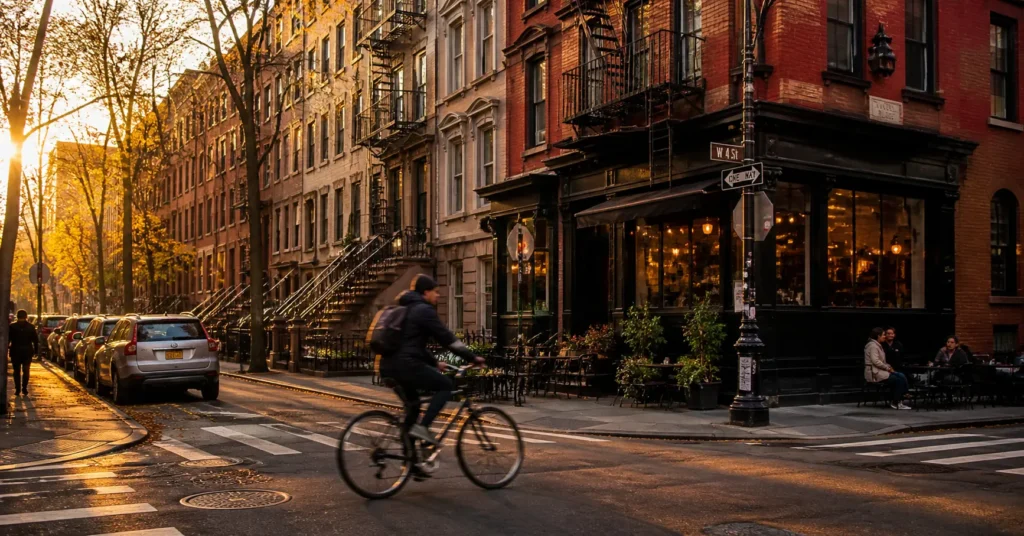
I rank these five by first-timer utility, not personal preference. The West Village wins for charm-with-logistics: tree-lined streets, 8 subway lines within a 4-block radius, and breakfast spots that open before 7am. Midtown East is the efficiency pick — steps from Grand Central, express trains to every borough, and hotels that cater to early arrivals. Upper West Side offers residential calm with direct 1, 2, 3 access to downtown.
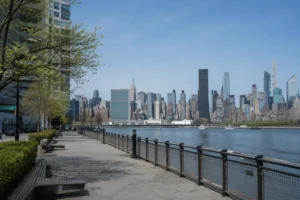
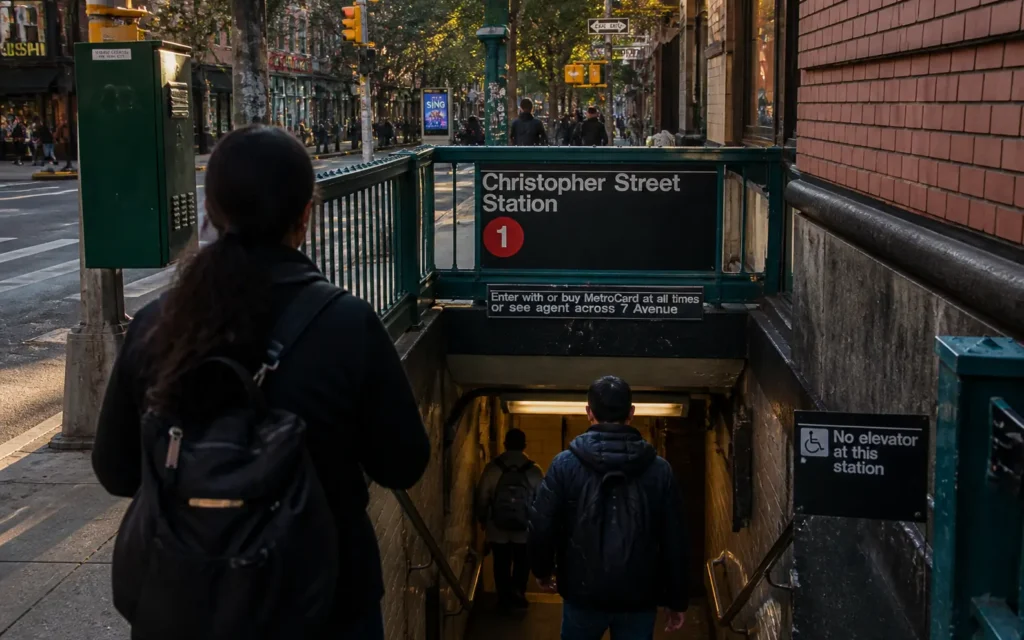
Long Island City (Queens) delivers skyline views and 30% lower hotel rates, with the E, M, 7 trains reaching Midtown in 10 minutes. Brooklyn Heights provides historic charm and the 2, 3, 4, 5 into Financial District or Midtown. The local detail most guides miss: The West Village’s Christopher Street station has no elevator — if you have heavy luggage, enter via the 14th Street exit instead. That 200-foot detour saves a strained back and a missed connection.
Key Information: Costs, Transit, Timing
Real numbers, not ranges that hide the truth. Hotel rates below reflect weekday stays in shoulder season (April–May, September–October). Weekend and summer premiums add 25–40%.
• West Village: $320–$550/night for standard rooms (2025–2026 rates — verify before travel). Walk to Washington Square Park in 4 minutes. Subway: 1, A, C, E, B, D, F, M.
• Midtown East: $250–$420/night. Walk to Grand Central in 6 minutes. Subway: 4, 5, 6, 7, E, M (express options).
• Upper West Side: $220–$380/night. Walk to Central Park’s west entrance in 3 minutes. Subway: 1, 2, 3, B, C.
• Long Island City: $180–$290/night. Walk to Gantry Plaza State Park in 5 minutes. Subway: E, M, 7.
• Brooklyn Heights: $200–$340/night. Walk to Brooklyn Bridge Park in 4 minutes. Subway: 2, 3, 4, 5.
Transit reality: Rush hour (7:30–9:30am, 4:30–6:30pm) adds 8–12 minutes to any subway trip. Summer heat (90°F/32°C with humidity) makes above-ground waits brutal — prioritize neighborhoods near express lines or underground entrances. July and August also bring scheduled subway maintenance; check MTA service status 48 hours before travel. (Schedules change — confirm before travel)
Practical Tips: What to Skip + Real Trade-Offs
Skip Times Square-adjacent hotels. You’ll pay a 30% premium for noise, chain restaurants, and streets that feel like a theme park at 2am. The trade-off isn’t worth it. Stay in Midtown East instead: same subway access to Broadway theaters (7-minute walk), quieter side streets, and breakfast options that aren’t $18 omelets. Another honest negative: The Lower East Side’s bar scene on Orchard Street stays loud past 2am on weekends.
If you prioritize sleep, base in Brooklyn Heights — same subway access to downtown, but tree-lined streets that quiet down after 10pm. Driving reality: Most first-timers don’t need a car. If you do, expect $55–$75/night for garage parking in Manhattan (2025–2026 rates — verify before travel), plus $15–$25 in tolls just to enter the island.
Recommendations: Match Your Trip Type
Your trip goal dictates your neighborhood. Here’s the match:
• Broadway + museums: Midtown East. You’ll walk to most shows, and the 4/5/6 express trains reach the Met in 12 minutes.
• Cafes, bookshops, evening strolls: West Village. But book early — inventory is tight and prices reflect demand.
• Families or longer stays: Upper West Side. Larger rooms, grocery stores within 2 blocks, and Central Park as your backyard.
• Budget-conscious with skyline views: Long Island City. The East River ferry ($4.25 one-way) adds a scenic commute option.
• Historic charm + photo ops: Brooklyn Heights. The Promenade at sunset (7:15pm in July) delivers the iconic Manhattan skyline without the crowds of DUMBO.
One last practitioner note: Book hotels with free cancellation. NYC plans change — a delayed flight or a sudden show addition can shift your base. Flexibility is worth the 5% rate premium.
FAQ: Frequently Asked Questions About NYC Neighborhoods
What is the safest neighborhood for first-time visitors in NYC?
Upper West Side and Brooklyn Heights consistently report lower nighttime foot-traffic incidents. Both have well-lit streets, active residential presence after 10pm, and direct subway access. Avoid isolated side streets in any neighborhood after midnight.
Which NYC neighborhood has the best subway access?
Midtown East connects to 4, 5, 6, 7, E, M trains with express options to all boroughs. West Village offers 1, A, C, E, B, D, F, M — but Christopher Street station has no elevator. Verify accessibility needs before booking. (Schedules change — confirm before travel)
Is it worth staying in Brooklyn for a first trip to NYC?
Yes, if you prioritize quieter evenings and skyline views. Brooklyn Heights offers 2, 3, 4, 5 trains to Manhattan in 12 minutes. Trade-off: fewer late-night dining options west of Court Street. Budget $180–$280/night for hotels (2025–2026 rates — verify before travel).
How much should I budget per night for hotels in NYC?
Budget tier: $120–$180/night for private rooms in Long Island City. Mid-range: $250–$400/night in Midtown East or Upper West Side. Splurge: $500+/night in West Village boutiques. All figures exclude taxes and resort fees (2025–2026 rates — verify before travel).
Continue Exploring
- New York City travel guide — Dive deeper into itinerary planning, seasonal events, and neighborhood maps for your trip.
- Boston weekend itinerary — Expand your Northeast planning with a 48-hour guide to America’s walking city, just 4 hours north by train.