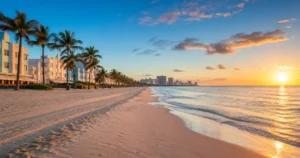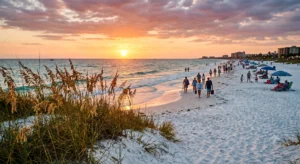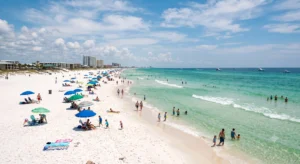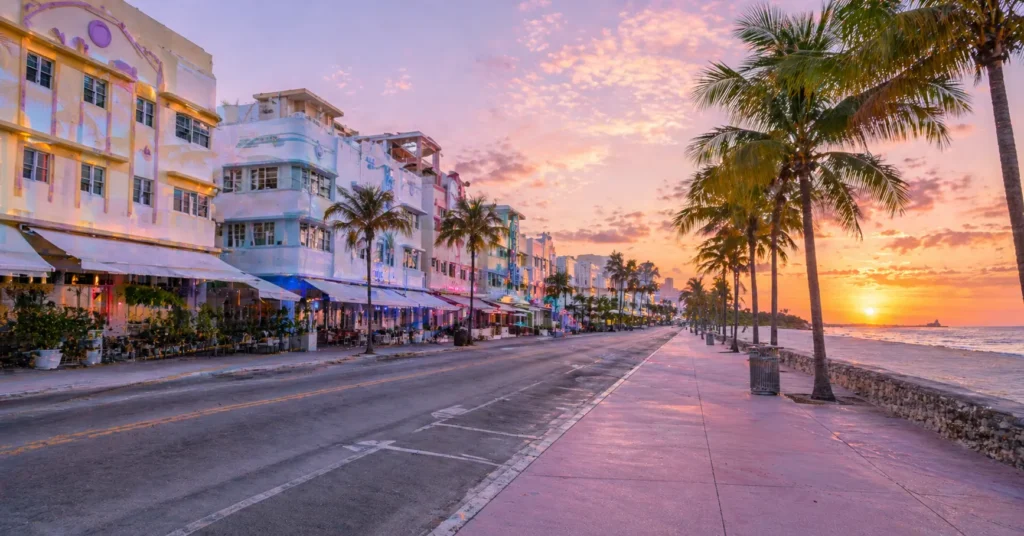
South Beach at 7 AM on a Tuesday in early March: the Art Deco hotels glow pink in the sunrise, the beach is empty, and you can actually hear the ocean. Three hours later, that same stretch of sand is packed with spring breakers, the pool bars are blasting music, and your $350-a-night room suddenly feels like a bargain compared to the $600 you’d pay next week.
I’ve visited Florida in March six times — twice during peak spring break chaos, four times strategically avoiding it. The difference between a great trip and a miserable one comes down to three decisions: where you go, when exactly you go, and what you’re willing to skip.
This post gives you the unvarnished truth about Florida in March: regional temperatures (not averages), crowd calendars, real costs, and the specific zones to avoid if you’re not here for the party.
Overview
March is Florida’s most complicated month. The weather is nearly perfect statewide — warm enough for beaches, cool enough for theme parks, dry enough for outdoor everything. But it’s also when 1.2 million college students descend on the state for spring break, concentrated in specific zones during specific weeks.
The state splits into three distinct experiences:
South Florida (Miami, Fort Lauderdale, Keys) sees the heaviest spring break traffic, particularly South Beach and Fort Lauderdale Beach. Hotel rates jump 40–60% during peak weeks. The Keys escape most of the chaos but see price increases.
Central Florida (Orlando, Tampa, Gulf Coast) balances families and college crowds. Orlando theme parks hit peak capacity. The Gulf Coast beaches (Clearwater, St. Pete) fill but remain family-friendly.
North Florida & Panhandle (Jacksonville, Panama City Beach, Pensacola) is ground zero for spring break. Panama City Beach alone hosts 500,000 visitors during March. If you’re not here for the party, go elsewhere.
Key Information
Temperature by Region
Florida’s 400-mile length creates real temperature variation:
Panhandle (Pensacola, Panama City Beach): 58–72°F (14–22°C). Ocean water: 64°F (18°C) — brisk for swimming. Evenings require a jacket.
North Atlantic Coast (Jacksonville, St. Augustine): 60–75°F (15–24°C). Ocean water: 66°F (19°C). Warmest midday, coolest mornings.
Central Florida (Orlando, Tampa, Gulf Coast): 62–80°F (17–27°C). Ocean/Gulf water: 70°F (21°C). Ideal theme park weather — warm but not humid.
South Florida (Miami, Fort Lauderdale): 68–82°F (20–28°C). Ocean water: 75°F (24°C). Beach-perfect. Humidity starts creeping up late month.
Florida Keys: 72–84°F (22–29°C). Ocean water: 77°F (25°C). Warmest region, best snorkeling conditions.
Water temperatures matter: anything below 70°F (21°C) feels cold without a wetsuit. The Panhandle and North Coast are technically “beach weather” but the ocean will shock you.
Crowd Levels & Cost Premium
March is peak season. Here’s what that means:
Crowd Intensity by Zone:
- South Beach: 9/10 (peak weeks: March 7–28)
- Panama City Beach: 10/10 (entire month)
- Orlando Theme Parks: 8/10 (spring break + Easter overlap)
- Fort Lauderdale Beach: 8/10
- Keys: 6/10 (busy but manageable)
- Sanibel/Captiva: 5/10
- Gulf Coast (Naples, Sarasota): 6/10
Cost Premium: Hotel rates are 30–50% higher than February, with spring break weeks (typically March 7–28, 2026) seeing 60–100% spikes in party zones. A South Beach hotel that costs $200/night in February jumps to $350–400/night in mid-March.
Rental cars: book 60+ days ahead. Prices double during peak weeks, and availability vanishes. (2025–2026 rates — verify before travel)
Spring Break Dates 2026
Most college spring breaks cluster in three weeks:
- Week 1: March 7–14
- Week 2: March 14–21 (PEAK)
- Week 3: March 21–28
High school breaks vary by district but often fall mid-March. If you can travel March 1–6 or March 29 onward, you’ll dodge the worst crowds while keeping the good weather.
Practical Tips
Where to Go (and Where to Avoid)
Go Here:
Sanibel Island — The barrier island southwest of Fort Myers escaped spring break radar. The beaches are shell-collector paradise, the pace is slow, and hotel rates are only 20% above winter norms. Drive time from Fort Myers airport: 45 minutes.
The Florida Keys — Key Largo through Key West see visitors but not the spring break hordes. Ocean temperatures hit 77°F (25°C), perfect for snorkeling. Book waterfront rooms in Islamorada for the best value. (Schedules change — confirm before travel)
Naples — Southwest Gulf Coast sophistication. The beaches are wide, the sunsets are legendary, and the crowd skews 50+. Hotel rates are high year-round, so March’s 25% premium stings less.
St. Augustine — America’s oldest city balances history and beach. The crowds are manageable, temperatures hit 75°F (24°C), and you get culture plus coast.
Avoid Here:
Panama City Beach — Unless you’re 22 and here to party, skip it. The city hosts 500,000 spring breakers. Beach clubs blast music until 2 AM. Your “relaxing beach vacation” becomes a survival exercise.
South Beach (March 7–28) — The epicenter. Ocean Drive becomes a pedestrian circus. Hotels charge $500+ for rooms that cost $250 in April. The scene is exactly what you’ve seen in movies — which is the problem.
Daytona Beach — NASCAR’s spring break. The beach allows driving, which means you’re sharing sand with trucks. The party atmosphere rivals Panama City.
What to Pack
March weather is deceptively variable:
- Daytime: Shorts, t-shirts, tank tops (70–80°F / 21–27°C statewide)
- Evenings: Light jacket or sweater (temps drop to 60–65°F / 15–18°C)
- Swimwear: Essential everywhere, but ocean comfort varies by region
- Sunscreen: SPF 30+ minimum. The sun is stronger than it feels.
- Sunglasses & hat: Non-negotiable
- Rain jacket: Unlikely but possible — afternoon showers start late month
- Comfortable walking shoes: Theme parks, historic districts, nature trails
Skip the heavy winter gear, but don’t assume it’s summer. The 20-degree swing between day and night catches people off-guard.
Daily Budget Breakdown
Budget Traveler: $120–150/day
- Hostel or budget motel: $60–80
- Meals (grocery store + cheap eats): $35–45
- Activities (beaches, free attractions): $15–20
- Transport (gas or transit): $10–15
Mid-Range Traveler: $250–350/day
- Hotel/Airbnb: $150–220
- Meals (mix of casual + one nice dinner): $70–90
- Activities (attractions, tours): $30–40
- Transport (rental car or rideshare): $25–35
Luxury Traveler: $500+/day
- Upscale hotel/resort: $300–500+
- Meals (fine dining + room service): $150–200
- Activities (private tours, water sports): $50–100
- Transport (premium rental or private driver): $50+
March’s peak pricing hits accommodations hardest. Food and activities stay relatively stable.
Recommendations
Best Bets for March
For Families: Naples or Sanibel Island. The beaches are safe, the crowds are manageable, and you’re not dodging beer pong tournaments. Drive time from major airports is reasonable (Fort Myers for both).
For Couples: The Keys, specifically Islamorada or Marathon. You get warm water, excellent restaurants, and none of South Beach’s chaos. Book a waterfront room with a kayak included.
For Solo Travelers: St. Augustine. Walkable historic district, friendly vibe, beach access, and you won’t feel out of place whether you’re 25 or 65.
For Theme Park Fans: Orlando, but go March 1–6 or after March 29. If you’re stuck in peak weeks, buy Express Passes — they’re expensive but worth it when wait times hit 90 minutes.
What to Skip (and Do Instead)
Skip: South Beach during peak spring break weeks (March 7–28) unless you want the party scene.
Do Instead: Stay in Coconut Grove or Coral Gables. You’re 15 minutes from South Beach but sleeping in neighborhoods where locals actually live. Hotel rates are 30% lower, and you won’t hear bass thumping until 3 AM.
Skip: Panama City Beach if you’re not here for spring break.
Do Instead: Drive 90 minutes east to St. George Island. Same white sand, same Gulf water, 10% of the crowds. The island is 28 miles long with 46 miles of beaches. You’ll actually find space to spread out.
Skip: Orlando theme parks during spring break week without a strategy.
Do Instead: Arrive at park opening (usually 8–9 AM), hit the headliners first, take a 2–4 PM break when crowds and heat peak, then return for evening hours. Or buy Genie+ / Express Pass — yes, it’s $30–80 per person per day, but it’s the difference between riding 8 attractions and riding 4.
FAQ
Is March a good time to visit Florida?
March offers excellent weather across Florida with temperatures ranging from 60–80°F (15–27°C), but it’s also peak spring break season. The Panhandle and Keys see fewer crowds than South Beach or Orlando. Expect hotel rates 30–40% higher than February.
When is spring break in Florida 2026?
Most college spring breaks fall between March 7–28, 2026. High school breaks vary by district but cluster in mid-March. Panama City Beach, South Beach, and Daytona Beach see peak crowds during these three weeks.
What should I pack for Florida in March?
Pack light layers: shorts and t-shirts for daytime (70–80°F / 21–27°C), but bring a light jacket for evenings when temperatures drop to 60–65°F (15–18°C). Include swimwear, sunscreen, and sunglasses. Rain is rare but possible.
How much does it cost to visit Florida in March?
Budget travelers: $120–150/day. Mid-range: $250–350/day. Luxury: $500+/day. March is peak season, so expect 30–40% higher hotel rates than winter months. (2025–2026 rates — verify before travel)
Can you swim in the ocean in Florida in March?
Yes, but comfort depends on location. South Florida and the Keys have water temperatures of 75–77°F (24–25°C) — comfortable for most. The Panhandle and North Coast run 64–66°F (18–19°C) — brisk without a wetsuit. Central Florida Gulf Coast sits around 70°F (21°C).
Continue Exploring
Florida travel guide — Our complete guide to the state covers every region, from the Panhandle’s white-sand beaches to the Keys’ coral reefs, with detailed itineraries and local insights.