Most lists of the “best family vacation spots in the world” read like destination brochures. They promise endless sunshine, magical moments, and seamless memories—while conveniently ignoring 14-hour flight times, jet lag, heatwaves, food refusal, and the staggering logistics of hauling strollers over unpaved roads.
The truth is simple: there is no single “perfect” family destination. A trip that feels like a dream for parents with energetic teenagers can easily turn into an exhausting nightmare for a family traveling with a toddler and a stroller.
At TravelDiaryy, we don’t believe in hype. We evaluate global destinations on trade-offs: what a place actually costs, how easy it is to get around, how local cultures treat children, and where your money buys genuine peace of mind versus unnecessary friction.
Before you book expensive international flights, here is our candid editorial breakdown of four top family destinations on Earth—and how to choose the right one for your crew.
Quick Verdict: Which Destination Matches Your Family?
If you need a quick answer to narrow your focus, match your primary travel goal below:
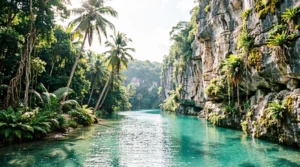
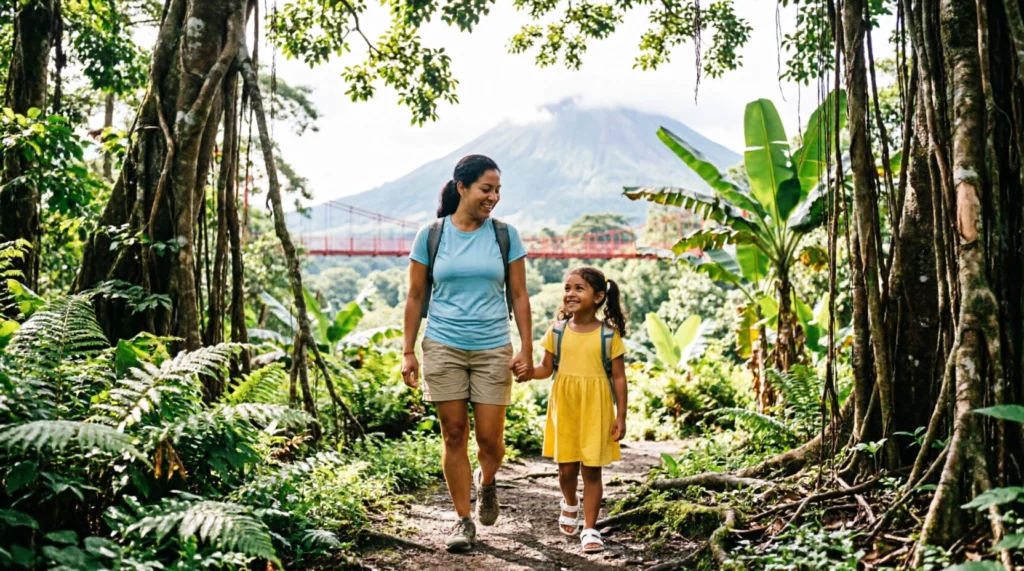
- Choose Costa Rica if: You want active outdoor adventures, guaranteed wildlife encounters (sloths, monkeys, toucans), and a relaxed atmosphere where nobody cares if your kids are wearing muddy hiking boots at dinner.
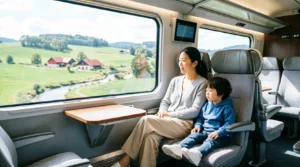
- Choose Japan if: You value pristine cleanliness, unmatched public safety, hyper-efficient bullet trains, and a culture filled with pop-culture magic, interactive digital museums, and kid-approved food.
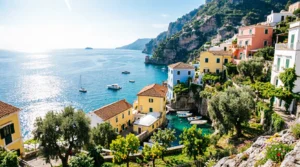
- Choose Italy if: You want walkable historical cities, effortless dining that every child loves (pizza, pasta, gelato), and a culture that genuinely adores and welcomes children everywhere.
- Choose South Africa if: You want a transformative, bucket-list wildlife safari paired with stunning coastal drives—without paying East African private-charter prices or worrying about malaria zones.
Quick Comparison of the World’s Top Family Spots
| Destination | Ideal Kid Age | Primary Vibe | Transit Style | Budget Index (Family of 4) |
| Costa Rica | 5 – 15 years | Rainforests, volcanoes, beaches | Private shuttles / 4×4 car | Moderate to High ($3.2k–$6k/wk) |
| Japan | 6 – 17 years | Futuristic cities, tradition, pop-art | High-speed rail / Subway | Moderate ($3.5k–$7k/wk) |
| Italy | 4 – 14 years | Ancient history, plaza living, food | High-speed train between hubs | Moderate ($3.0k–$5.5k/wk) |
| South Africa | 8 – 17 years | Big-Five safaris, coastal drama | Domestic flights + Rental car | High ($4.5k–$9k/wk) |
The TravelDiaryy Reality Check: How to Choose Without Regret
When planning a major international family vacation, parents frequently fall into three classic traps:
- The “Bucket-List” Overreach: Choosing a destination based entirely on where adults have always wanted to go, ignoring whether a 4-year-old can handle 8-hour driving days or multi-course 9:00 PM dinners.
- The Speed-Demon Itinerary: Trying to see three countries or four major regions in ten days. You end up spending 40% of your precious vacation packing suitcases, checking out of hotels, and sitting in airport waiting lounges.
- Ignoring the “Friction Index”: Forgetting to evaluate basic logistical friction—like whether you can easily buy milk, whether sidewalks accommodate strollers, or whether public restrooms are clean and accessible.
+-----------------------------------------------------------------------+
|                      THE FAMILY TRAVEL FRICTION TEST                  |
|                                                                       |
|  [ TRANSIT ]      --> Are transfers under 3 hours long?                |
|  [ FOOD ]         --> Can your child find a safe, simple meal?        |
|  [ DOWNTIME ]     --> Is there a pool, park, or beach within 15 mins? |
+-----------------------------------------------------------------------+
Deep-Dive Destination Breakdown
1. Costa Rica: Best for Outdoor Thrills & Wildlife
Costa Rica is one of the few places on Earth where nature does the heavy lifting for parents. You don’t need to lecture your kids about history or bribe them through art galleries—they are naturally engaged when sloths are hanging from trees directly above their breakfast table.
What Works
- Active Nature: Walking across suspended canopy bridges, swimming in natural volcanic hot springs (like EcoTermales or Tabacón), and wildlife spotting in Manuel Antonio National Park.
- Wholesome, Easy Food: Local cuisine is simple and unpretentious. Gallo Pinto (rice and beans), grilled chicken, fresh mangoes, sweet plantains, and fresh fruit smoothies (batidos) are universally popular with young eaters.
- Casual Expectations: There is no pressure to dress up. Resort and lodge cultures are relaxed, accommodating, and accustomed to muddy shoes and wet swimsuits.
The Reality Check
- Driving Is Slow and Stressful: Distances on a map look short, but winding two-lane mountain roads, unpaved tracks, and heavy truck traffic mean a 90-kilometer drive can easily take three hours. Avoid self-driving after dark due to poor lighting and un-signposted hazards.
- Activities Add Up Fast: Guided night walks, canopy zip-line tours, white-water rafting, and national park entrance fees carry Western prices ($50 to $130 per person per activity).
2. Japan: Best for Clean Infrastructure, Culture & Safety
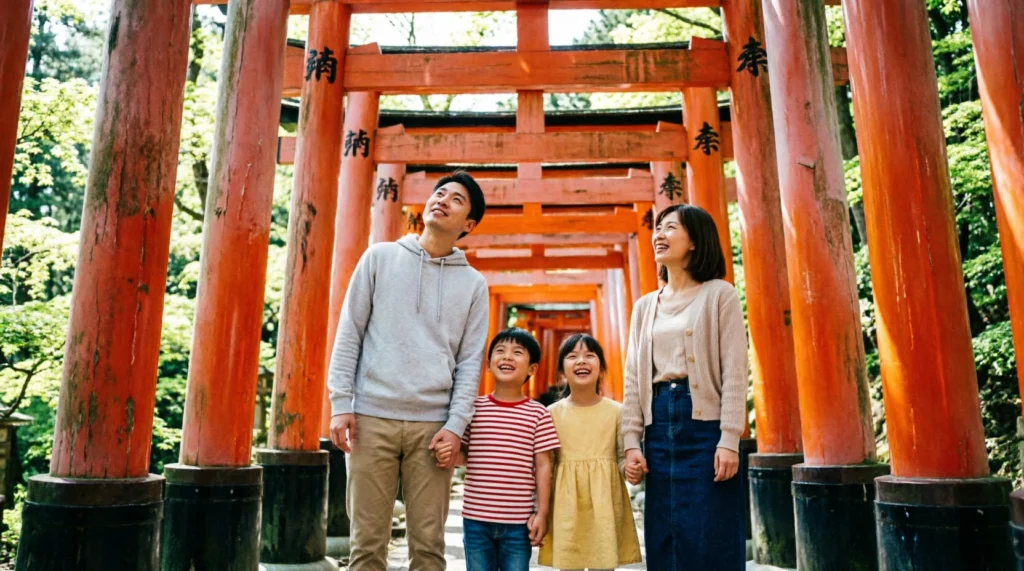
Japan offers a unique blend of ancient tradition and futuristic play, supported by public infrastructure so efficient and safe that parents can instantly relax.
What Works
- Unmatched Safety & Convenience: Japan is widely considered one of the safest nations in the world. Convenience stores (Konbini like 7-Eleven, Lawson, and FamilyMart) are on every corner, serving fresh, cheap, high-quality meals (egg salad sandwiches, rice balls, steamed buns) that rescue busy sightseeing mornings.
- Sensory Highlights for Kids: From riding bullet trains (Shinkansen) at 320 km/h to exploring the immersive digital world of teamLab Planets in Tokyo, the country feels like stepping into the future.
- Pop-Culture Immersion: Tweens and teens who love anime, Nintendo, Studio Ghibli, or gaming will find Tokyo and Osaka endlessly captivating.
The Reality Check
- Physical Exhaustion: You will walk between 12,000 and 18,000 steps per day. Navigating multi-level train stations with heavy strollers or tired kids requires patience.
- Compact Living: Standard Japanese hotel rooms are significantly smaller than North American or European counterparts. Booking dedicated “Family Rooms” or larger international properties well in advance is essential.
3. Italy: Best for Hands-On History & Walkable Living
Italy treats family life as the center of society. Children are welcomed warmly in restaurants, plazas, and shops, making parents feel instantly comfortable.
What Works
- Everyday Delights: Food is rarely an issue. Pizza, fresh pasta, gelato, and focaccia mean even picky eaters dine well.
- Living History: The Colosseum in Rome, the medieval towers of San Gimignano, and the canals of Venice feel like real-life adventures rather than dry history lessons.
- The “Piazza Effect”: In the evenings, Italian squares (piazze) fill with local families. Kids can run around safely while parents enjoy an outdoor espresso or glass of wine nearby.
The Reality Check
- Cobblestones and Stairs: Pushing strollers over uneven stone streets in Rome or carrying luggage up steep bridges in Venice requires physical effort.
- Summer Heat: Southern Europe in July and August sees heatwaves exceeding 38°C (100°F). Historic buildings frequently lack high-capacity air conditioning, making shoulder seasons (May/June or September/October) far superior.
4. South Africa: Best for Bucket-List Safaris & Coastal Drama

For families with school-age kids or teenagers, South Africa delivers an extraordinary combination of wild nature, world-class coastal scenery, and exceptional value once you land.
What Works
- Malaria-Free Safari Reserves: Regions like the Eastern Cape (e.g., Kariega or Shamwari) and Madikwe Game Reserve offer luxury, malaria-free game drives specifically tailored for families, complete with dedicated junior ranger programs.
- Unbeatable Ground Value: While long-haul flights are expensive, high-end dining, boutique lodging, and local activities in South Africa cost 30% to 50% less than equivalent experiences in Europe or North America.
- Diverse Landscapes: Pair a wild safari with Cape Town’s vibrant harbor, visit the penguin colony at Boulders Beach, and drive the dramatic Garden Route coast.
The Reality Check
- Long Transit Times: Reaching South Africa requires long flights (11 to 16 hours from Europe or North America). It is best suited for trips of 10 days or longer to justify the travel time.
- Safety & Guided Logistics: While main tourist corridors (Cape Town V&A Waterfront, Winelands, Private Game Reserves) are secure and well-managed, self-navigating unfamiliar urban areas at night is not recommended. Rely on private transfers or reputable rental companies.
Destinational Matchmaking: Matching Destinations to Kid Ages
Selecting a destination that aligns with your children’s developmental stage is the single most effective way to prevent vacation stress.
1.Toddlers & Preschoolers (Ages 2–5):Focus on low-friction logistics and easy beach wades.
Top Pick: Naxos (Greece) or Copenhagen (Denmark). Avoid intense multi-city sightseeing. Choose flat, walkable cities with world-class parks (like Copenhagen) or shallow, calm sandy beaches (like Naxos in Greece). Keep transit days under 2 hours.
2.Early & Mid-Childhood (Ages 6–11):Emphasize hands-on activities, wildlife, and simple history.
Top Pick: Costa Rica or Italy. Kids at this age have the physical stamina for walking days and love tangible, active experiences—like spotting sloths in cloud forests, making fresh pizza in Florence, or climbing medieval castle towers.
3.Tweens & Teens (Ages 12+):Prioritize autonomy, high-tech culture, and bucket-list landscapes.
Top Pick: Japan or South Africa. Older kids want engaging environments, stunning photography opportunities, pop culture, or real adventure. Riding Japanese bullet trains, exploring Tokyo’s gaming districts, or spotting lions on a South African safari creates lifelong memories.
Accommodation & Transit Rules That Save Your Budget
1. The 3-Night Minimum Stay Rule
Never stay fewer than three nights in a single location on an international family vacation. Moving hotels every one or two nights forces you into a constant loop of packing, checking out, waiting for transit, and checking in.
+-----------------------------------------------------------------------------------+
|                       ITINERARY PACING: HUB VS. HOPPING                           |
|                                                                                   |
|  ISLAND / CITY HOPPING (Exhausting)                                               |
|  [City A: 2 Nights] --> [Transit Day] --> [City B: 2 Nights] --> [Transit Day]    |
|  *Result: 40% of vacation spent handling luggage and check-in logistics.          |
|                                                                                   |
|  THE HUB & SPOKE BLUEPRINT (Low-Stress)                                           |
|  [Base Hub: 6-7 Nights] ===> Easy 45-min Day Trips on Alternate Days              |
|  *Result: You pack/unpack once. Kids enjoy familiar home-base routines.           |
+-----------------------------------------------------------------------------------+
2. Choose Apartments for Stays Over 4 Days
Booking a two-bedroom apartment or aparthotel (with a kitchen and in-unit washing machine) dramatically improves your trip:
- Breakfast Savings: Preparing simple breakfasts at home saves $30 to $60 daily compared to hotel buffets.
- Lighter Packing: Having laundry facilities allows you to pack half as many clothes, eliminating heavy luggage burdens during airport and train transfers.
- Living Space: Parents have a separate living room to relax in after young kids go to sleep at 8:00 PM.
What to Skip and What to Do Instead
To maximize your family’s energy and budget, avoid these common traps in favor of smarter alternatives:
- Skip: The 5-City Whirlwind Tour
- Why: Rushing through five major cities in ten days leaves everyone exhausted and jet-lagged.
- Do Instead: Pick one central base and take easy regional day trips by train or short drive.
- Skip: Unshaded Monument Queues in Mid-Day Heat
- Why: Waiting in 2-hour lines in 35°C (95°F) heat leads directly to child meltdowns.
- Do Instead: Reserve pre-booked timed-entry skip-the-line tickets for early morning (9:00 AM) or late afternoon, reserving mid-day hours for air-conditioned museums, shady parks, or pool time.
- Skip: Generic Isolated Mega-Resorts
- Why: Staying inside a gated resort complex where every meal is a generic buffet deprives your children of genuine cultural connection.
- Do Instead: Stay in walkable local neighborhoods or authentic eco-lodges near national parks, immersing your family in local life.
Final Editorial Recommendation
The key to a successful family trip isn’t picking the location with the most sights—it’s picking the location that matches your family’s current rhythm, energy levels, and interests.
Take the time to evaluate logistical friction, flight times, and local weather before committing your hard-earned vacation days. Focus on one or two beautiful regions, keep your daily schedule light, and protect time for simple, unstructured moments.
Whether it’s watching a sloth move slowly through the Costa Rican canopy, eating fresh gelato in a sunny Italian piazza, or riding a bullet train past Mount Fuji in Japan, the best family vacation is the one where everyone actually has time to enjoy being together.
FAQ
How far in advance should we book a major international family vacation?
For top destinations like Japan (cherry blossom season) or Costa Rica (dry winter season), book accommodation and major activity passes 6 to 9 months in advance. Long-haul international flights generally offer the best value between 4 and 7 months before departure.
What is the easiest way to handle international jet lag with young kids?
Immediately switch to the local time zone upon boarding your flight. Encourage sleep during local night hours, push through the first afternoon at your destination with outdoor sunlight and light walking, and avoid long mid-day naps on Day 1.
Is it better to rent a car or use public transit when traveling with kids internationally?
In major European hubs and Japanese cities, public high-speed rail and subways are significantly faster, safer, and cheaper than driving. Renting a vehicle is only recommended for rural, spread-out destinations like Costa Rica, the South African coast, or the Tuscan countryside.