Asia is home to the most dynamic food cultures on Earth, but booking a culinary vacation based purely on social media reels is a quick route to disappointment.
A viral 90-minute queue in Tokyo often yields an average bowl of ramen. A famous night market in Bangkok can easily turn out to be overpriced and tailored for mild Western palates. Meanwhile, an unassuming alleyway vendor in Penang or a quiet subterranean basement in Taipei might deliver the most memorable meal of your life for under five dollars.
If you are planning a trip around what you eat, you don’t need exaggerated praise. You need to know which cities match your budget, how uncomfortable you are willing to get for a great meal, and where your money goes furthest. Here is an editor’s reality check on Asia’s top food cities.
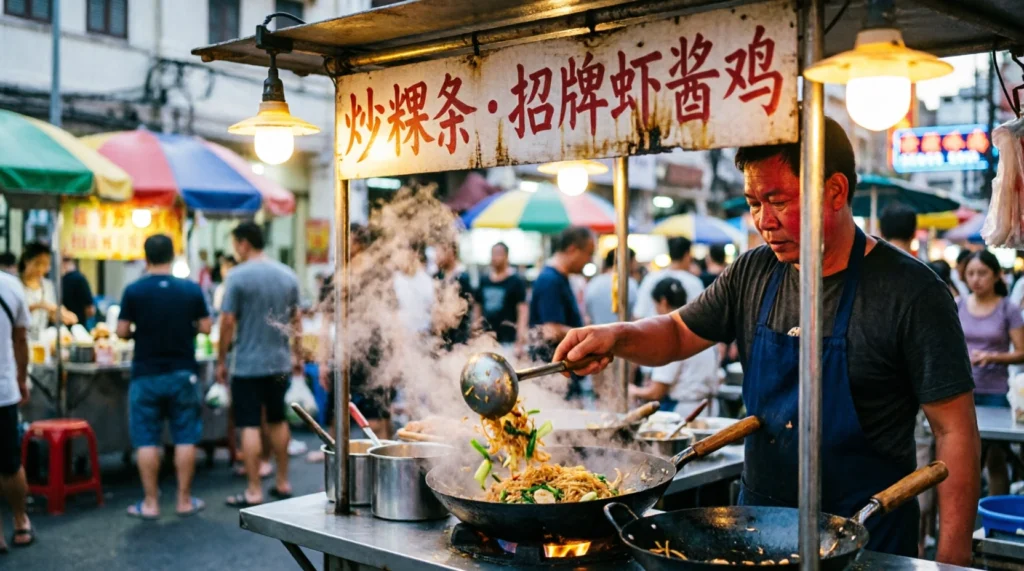
Bangkok night markets: High heat, bold flavors, and non-stop energy.. Source: World Travel Chef –
Quick Verdict: Which Asian Food City Should You Choose?
- Choose Bangkok if you want fiery, complex flavors, unbeatable value, and don’t mind heat, traffic, and chaotic street side dining.
- Choose Tokyo if you prioritize hyper-specialization, culinary perfectionism, spotless hygiene, and exceptional service—and have the budget to match.
- Choose Osaka if you want Tokyo’s quality in a more relaxed, outgoing atmosphere centered around casual comfort food.
- Choose Penang if you want an extraordinary blend of Malay, Chinese, and Indian hawker traditions in a walkable, budget-friendly historic town.
- Skip ultra-hyped viral stalls everywhere if your time is limited. The 2-hour wait is almost never twice as good as the family stall three doors down with no line.
Quick Facts Comparison
| City | Primary Food Style | Average Daily Meal Budget | Comfort Level | Best For |
|---|---|---|---|---|
| Bangkok | Street food, spicy woks, regional curries | $20 – $40 USD | Low to Moderate | Bold flavor seekers & budget travellers |
| Tokyo | Specialized counter dining, ramen, sushi, izakaya | $60 – $150+ USD | High | Detail-oriented diners & luxury foodies |
| Osaka | Casual street snacks, savory pancakes, street stalls | $45 – $90 USD | High | Casual eaters & late-night snackers |
| Penang | Multi-ethnic hawker stalls, Nyonya, noodle soups | $15 – $35 USD | Moderate | Value hunters & heritage food lovers |
| Taipei | Night market small bites (Xiaochi), beef noodle soup | $25 – $50 USD | Moderate to High | Snacking enthusiasts & night owls |

What These Food Cities Are Actually Like
Bangkok: Unmatched Intensity, Variable Comfort
Bangkok is relentless. The city smells of toasted garlic, crushed bird’s eye chillies, charcoal smoke, and exhaust fumes. Eating here is an active sport.
You will sit on low plastic stools on crowded sidewalks while motorbikes zoom past inches away. The reward? Deep, multi-layered dishes where sour, sweet, salty, and burning heat hit all at once.
However, Bangkok street dining can be physically taxing. Open-air stalls in humidity can wear down even hardened travellers, and gastrointestinal adjustments are real if you aren’t careful about ice and water sources.
Tokyo: Precision and Extreme Specialization
Tokyo does not operate on casual street hawking; its food culture happens indoors, underground, and behind unmarked sliding doors.
In Tokyo, chefs dedicate four decades to mastering a single dish—whether it is tonkatsu, tempura, or shoyu ramen. The baseline standard of food in Tokyo is arguably the highest in the world; even a grab-and-go egg salad sandwich from a 7-Eleven is a culinary revelation.
The compromise? Space is tight, English is limited outside tourist hubs, reservation systems for top spots can feel impossible to navigate, and top-tier dining gets expensive quickly.
Penang: Asia’s Greatest Hawker Capital
Located on Malaysia’s northwest coast, Penang’s UNESCO-listed capital, George Town, is a living food museum. Here, Chinese, Malay, and Indian culinary streams have blended over centuries to create dishes like Char Kway Teow (smoky stir-fried rice noodles) and Asam Laksa (tart, spicy fish noodle soup).
Penang offers an easy pace. You can walk through heritage streets, jumping from an Indian banana leaf rice house to a Hokkien noodle stall within 200 meters. It is exceptionally cheap, incredibly friendly, and far less overwhelming than Bangkok.
Where To Stay for Foodies
Location dictates your eating efficiency in big Asian cities. Staying 40 minutes away on transit means missing out on morning markets or late-night supper runs.
- Bangkok: Stay near BTS Asok / MRT Sukhumvit for easy rail access to both street food pockets (Yaowarat Chinatown, Ban Tad Thong) and high-end dining.
- Tokyo: Stay in Shinjuku or Ueno. Shinjuku places you steps from late-night izakayas and noodle bars; Ueno offers quick access to classic street markets like Ameyoko and the historic dining of Asakusa.
- Penang: Stay inside the George Town Heritage Zone (near Chulia Street or Armenian Street). Everything is within a 15-minute walk or a brief Grab ride.
What To Skip And What To Do Instead
1. Skip the Viral Instagram Stalls
- The Problem: Social media creates artificial demand. A stall featured on TikTok often develops 2-hour queues, inflated prices, and rushed service.
- Better Alternative: Eat where local office workers line up at 12:30 PM. In cities like Bangkok, Tokyo, and Taipei, a high turnover of local diners guarantees fresh ingredients and authentic seasoning.
2. Skip Massive Tourist-Tailored Night Markets
- The Problem: Venues like Bangkok’s Jodd Fairs or tourist-dense strips of Osaka’s Dotonbori often serve standardized, watered-down dishes at double the local price.
- Better Alternative: Head to neighborhood markets. In Bangkok, visit Or Tor Kor Market for pristine regional ingredients or Ban Tad Thong for local student food stalls. In Taipei, swap Shilin Night Market for Raohe or Ningxia Night Market.
What It Really Costs
Planning a food budget in Asia requires understanding where value lies.
BUDGET TIER (Penang, Bangkok, Taipei)
• Street meals / Hawker bowls: $2.00 – $5.00 USD
• Casual sit-down restaurants: $7.00 – $15.00 USD
• Expected daily food spend: $20.00 – $40.00 USD

MID-RANGE TIER (Osaka, Singapore, Casual Tokyo)
• Ramen bowls / Izakaya meals: $8.00 – $20.00 USD
• Mid-tier restaurant dinner: $25.00 – $50.00 USD
• Expected daily food spend: $50.00 – $100.00 USD

PREMIUM TIER (High-End Tokyo & Singapore)
• High-end Omakase / Tasting menus: $150.00 – $350+ USD per person
• Fine dining lunch sets: $50.00 – $100.00 USD
Final Recommendation: How to Pick Your Trip
- For First-Timers Wanting Comfort & Quality: Go to Tokyo or Osaka. The food quality is flawless, public transit is flawless, and food safety is never a concern.
- For Adventurous Eaters on a Budget: Go to Bangkok. Nothing matches the raw energy, fiery spice, and sheer variety of Thailand’s street food scene.
- For the Ultimate Value & Heritage Blend: Go to Penang. It is relaxed, highly affordable, visually stunning, and arguably offers the highest concentration of delicious hawker dishes per square mile in Asia.
FAQ
Is street food in Asia safe for Western stomach sensitivities?
Generally yes, provided you choose vendors with high turnover where food is cooked hot to order in front of you. Stick to bottled water, avoid raw seafood at cheap open-air stalls, and ensure eating utensils are dry before using them.
Do I need to make dining reservations months in advance for Tokyo?
Only for high-end omakase sushi, Michelin-starred establishments, or viral venues. Thousands of incredible ramen shops, izakayas, and tonkatsu counters operate strictly on walk-ins or simple ticketing machines at the door.
How much cash should I carry for food in Southeast Asia?
Small cash bills are essential for street hawkers in Bangkok, Penang, and Taipei. While shopping malls and sit-down restaurants accept credit cards, local street stalls almost exclusively operate on cash or local QR payments.