If you have ever typed “10 day Italy route” or “1 week in Europe” into a search engine, you have almost certainly landed on Earth Trekkers. Run by an American family that spent years travelling the globe, the site has built one of the internet’s most widely read collections of detailed European travel blueprints.
Their guides are polished, hyper-specific, and visually compelling. They tell you which train to take at 8:30 AM, which museum slot to book at 1:00 PM, and where to pause for lunch. For overwhelmed travellers facing a 10-day vacation window, these pre-packaged schedules feel like a lifeline.
However, executing someone else’s dream trip on paper is very different from living it on the ground. Moving across three European countries in seven to ten days requires stamina, military-style time management, and zero logistical friction. Before you copy-paste an Earth Trekkers route into your booking engines, you need to understand what these fast-paced plans actually demand from your energy, budget, and peace of mind.
Quick Verdict: Are Earth Trekkers Europe Itineraries Worth Following?
Yes—if you treat them as menu options rather than strict daily schedules.
Earth Trekkers itineraries are exceptionally well-researched for high-energy travellers who want to maximize every single hour of a short vacation. They excel at routing logic and practical transit logistics between major European hubs.
Skip following them rigidly if: You dislike tight time slots, travel with young children, or burn out quickly when changing hotels every 48 hours.
The Biggest Trade-Off: You gain a impressive checklist of world-famous sights, but you trade away spontaneous discoveries, leisurely meals, and physical rest.
Quick Facts: Earth Trekkers Routing Framework
| Feature | Editorial Assessment |
| Typical Trip Lengths | 7 Days (1 Week), 10 Days (Most Popular), 14 Days (2 Weeks). |
| Pacing Intensity | Moderate-Fast to Aggressive (frequent 12-hour sight-packed days). |
| Best Transportation Model | Point-to-point high-speed rail (e.g., Eurostar, Trenitalia, ÖBB). |
| Accommodation Strategy | Short-stay central city hotels located near primary train hubs. |
What Following These Itineraries Is Actually Like
Earth Trekkers routes are designed around efficiency. A typical 10-day route—such as their popular Amsterdam–Brussels–Paris or Rome–Florence–Venice plans—is built around morning transit hops and afternoon sight stacks.
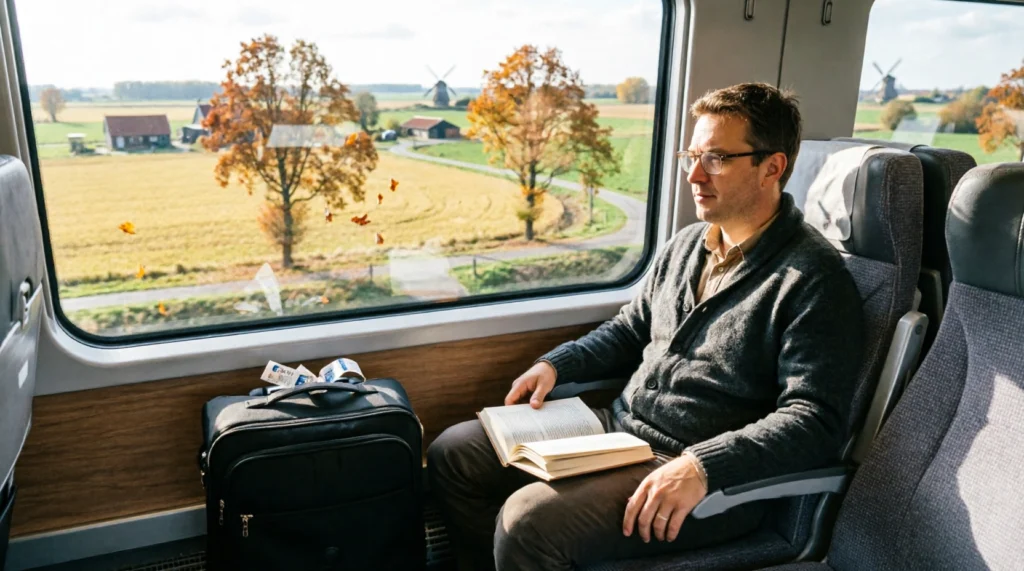
On the ground, this means your days start early. You will find yourself checking out of a hotel at 7:30 AM, navigating a busy rail terminal, riding a high-speed train for two to three hours, dropping bags at a new front desk, and heading straight to a ticketed museum entry by 2:00 PM.
Daily Pacing Breakdown: The Standard Earth Trekkers Model

07:00 AM ── Hotel Checkout & Transit to Train Station
08:30 AM ── High-Speed Intercity Rail Transfer
11:30 AM ── Arrival, Luggage Drop & Quick Lunch
01:00 PM ── Headline Landmark / Museum Slot #1
04:00 PM ── Historic Center Walking Route / Sight #2
07:30 PM ── Dinner near City Center
When everything runs smoothly, the high-speed connectivity of Western Europe makes this feel thrilling. You cover immense geographic and cultural ground in a single week.
However, these schedules allow almost zero margin for error. A missed rail connection, a delayed luggage check, or a sudden downpour can cascade into a missed timed-entry ticket at the Louvre or the Colosseum. Furthermore, logging 18,000 to 22,000 steps daily on hard cobblestones takes a cumulative physical toll by Day 6 that no postcard view can entirely hide.
What Makes These Guides Worth Your Time
Despite the intense pace, Earth Trekkers’ Europe content offers distinct advantages over generic travel guides:
1. Superior Transit Routing Logic
Unlike automated itinerary generators, Earth Trekkers plans take physical geography and train corridors seriously. Their routes follow logical linear paths—such as London to Paris via Eurostar, or Munich to Vienna via ÖBB—avoiding backtracking and wasted travel hours.
2. Time-Stamped Daily Structures
For first-time visitors intimidated by booking systems, their guides explain exactly how to combine sights within a single day without running across town continuously. They group nearby attractions logically by neighborhood.
3. Clear Visual Context
Because the authors have personally traveled these routes, their photos and practical notes reflect real conditions—such as line lengths, hill inclines, and viewing angles—giving readers realistic expectations of what key sites look like on a typical afternoon.
Where The Model Struggles: The Hidden Costs of Fast Pacing
While the routing logic is sound, the operational assumptions can catch travellers off guard.
1. The “Travel Day” Illusion
A two-hour train ride sounds short on paper. In practice, packing bags, checking out, transit to the station, waiting on the platform, the ride itself, exiting the destination station, finding your new hotel, and storing luggage takes closer to five full hours. Calling a transit day a “half-day of sightseeing” often leads to exhaustion.
2. Financial Premium on Short Notice
Fast-moving itineraries require locked-in tickets. High-speed rail fares (such as Eurostar or Italian Frecciarossa) skyrocket when booked late, and popular attractions require pre-booked timed entries weeks in advance. Flexibility is lost when every step is tied to a reservation.
What It Really Costs: Fixed vs. Flexible Pacing
Executing a multi-city 10-day European route incurs specific financial commitments.
| Expense Category | Fast Multi-City Route (e.g., 3 Cities) | Regional Base-Camp Route (1-2 Cities) |
| Intercity Transit | High (€180–€350 for express trains) | Low (€40–€90 regional transit) |
| Accommodation | Premium (1-3 night central hotel rates) | Moderate (Weekly apartment discounts) |
| Attraction Fees | High (€150–€250 timed ticket stacks) | Selective (€60–€120 mixed sights) |
| Dining Strategy | High (Convenience-focused tourist hubs) | Moderate (Neighbourhood markets + dining) |
Note: Transit tariffs and entry prices vary by season; always verify current rates directly with operators before finalizing your budget.
What To Skip And What To Do Instead

Skip: Trying to Fit 4 Cities into 7 Days
- Why: Itineraries attempting to link London, Paris, Brussels, and Amsterdam in a single week turn a vacation into an endurance test. You spend more time in stations and lobbies than in neighborhoods.
- Do Instead: Cap a 7-day trip at two major cities maximum (e.g., London & Paris or Paris & Amsterdam) linked by a single fast train.
Skip: The “Three-Capital” Nordic Sprint
- Why: Routes linking Copenhagen, Stockholm, and Oslo in 10 days rely heavily on short-haul flights or long ferry legs. The constant airport transit eats up daylight hours without providing true regional depth.
- Do Instead: Pick one Scandinavian country and combine its capital city with a single regional nature district (such as Oslo + the Flåm rail region).
Skip: Over-Booking Timed Museum Tickets
- Why: Scheduling three timed-entry museums in one day creates a stressful countdown clock that dictates your entire schedule.
- Do Instead: Book one anchor ticket per day (preferably the first slot in the morning). Leave the remaining hours open for unstructured neighborhood exploration.
Final Recommendation: How to Use Earth Trekkers Wisely
Use Earth Trekkers itineraries as a baseline if:
- You are visiting Europe for the first time and need a proven starting framework.
- You enjoy energetic, highly organized days and want to see iconic landmarks.
- You are comfortable booking train tickets and museum entries months in advance.
Modify or slow down their routes if:
- You view travel as a break from rigid schedules and alarm clocks.
- You prefer lingering over lunch, sitting in local parks, or wandering residential streets.
- You are travelling with young children or multi-generational family members.
The Smartest Adjustment: Take an Earth Trekkers 10-day itinerary and cut out one destination city entirely. Distribute those extra days across the remaining bases. You will retain their excellent routing logic while gaining the breathing room that makes a European vacation genuinely enjoyable.
FAQ
Are Earth Trekkers’ train recommendations accurate for Western Europe?
Yes. Their transport guides accurately reflect major European rail corridors, such as Eurostar between London, Paris, and Amsterdam, or Trenitalia between Italian capitals. However, train schedules and ticket prices change, so always confirm exact departures directly on official rail operator apps before travel.
Is a 10-day multi-city Europe trip too exhausting for families?
It depends on your kids’ ages and travel experience. For teenagers, fast-paced multi-city routes work well because the constant shift in scenery keeps them engaged. For families with younger children, changing hotels every two nights creates significant packing and nap-schedule friction.
Can I follow these itineraries using a Eurail Pass?
Yes, but remember that high-speed trains in countries like France, Italy, and Spain require mandatory seat reservations on top of your Eurail Pass. These seat reservation fees can add up and must be booked early during peak seasons.