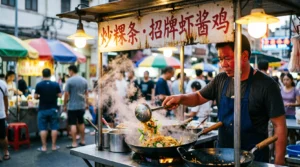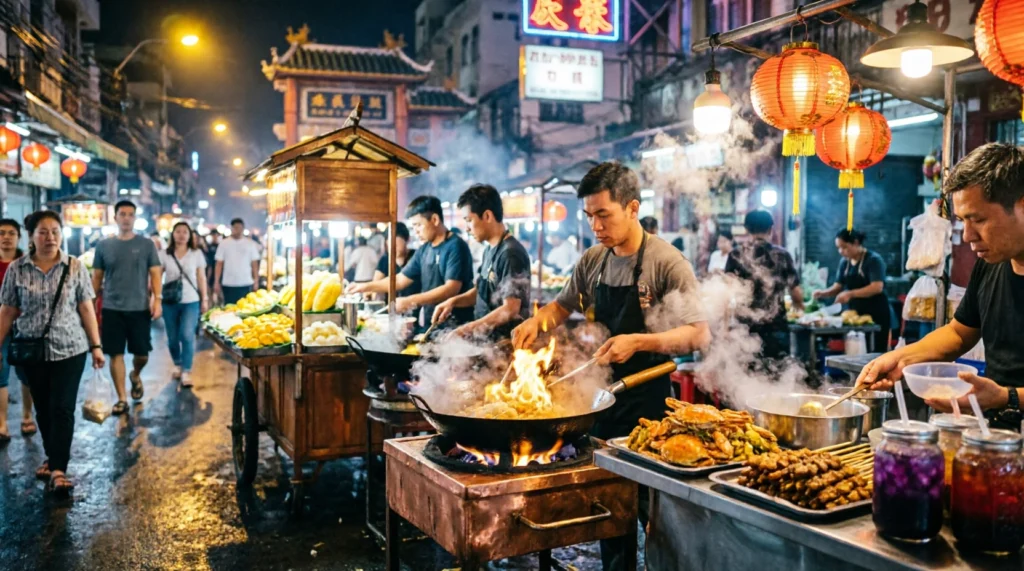
When top international chefs talk about where they go to eat, they rarely talk about white-cloth dining rooms or sterile hotel buffets. They talk about energy. They talk about third-generation noodle stalls, regional spice markets, and cities where food isn’t just a leisure activity—it is the central pulse of daily life.
Narrowing down the “best” food destination in Asia is an impossible task for a simple reason: a bowl of hand-pulled noodles in Shanghai serves a completely different culinary purpose than a tray of fiery chaat on a Mumbai sidewalk.
When Lonely Planet asked Asia’s leading chefs—including Michelin-starred visionaries like Chef Pichaya “Pam” Soontornyanakij of Potong in Bangkok—to name their personal culinary capitals, four distinct cities rose to the top: Bangkok, Shanghai, Hong Kong, and Mumbai.
Here is an editor’s decision-making guide to what these four chef-favorite cities actually feel like on the ground, what is worth paying for, and how to choose the right one for your vacation time and wallet.
Quick Verdict: Which Culinary Capital Is Worth Your Vacation Days?
- Choose Bangkok if you want an unbeatable range of explosive street food, multi-generational family stalls, and world-class modern Thai dining—all at an exceptional price point.
- Choose Shanghai if you want to explore the massive diversity of Mainland China’s regional cuisines inside one polished, cosmopolitan metropolis.
- Choose Hong Kong if you prioritize legendary Cantonese roasting mastery, delicate dim sum heritage, and ultra-efficient urban dining.
- Choose Mumbai if you are an adventurous eater looking for bold, aromatic street chaat, iconic coastal seafood curries, and unmatched local energy.
Quick Facts Comparison
| City | Culinary Philosophy | Daily Meal Budget | Comfort & Safety | Best For |
|---|---|---|---|---|
| Bangkok | Street-level intensity, sweet/sour/spicy balance | $20 – $60 USD | Moderate | Spice lovers & budget-to-luxury diners |
| Hong Kong | Precision Cantonese roasting, dim sum, tea houses | $50 – $130 USD | High | Traditionalists & dim sum enthusiasts |
| Shanghai | Regional mainland melting pot, rich dumplings, braises | $35 – $90 USD | High | Explorers of regional Chinese flavors |
| Mumbai | Layered street chaat, Irani cafés, coastal curries | $15 – $40 USD | Moderate | Adventurous palates & budget travelers |

What These Food Cities Are Actually Like
Bangkok: The Uncontested Street Capital
As Chef Pam notes, Bangkok is a melting pot where Thai and Chinese culinary traditions collide. It is a city where you can step out of a Michelin-starred dining room like Nusara or Potong and immediately find a 70-year-old street stall serving world-class pink Yen Ta Fo noodles right on the sidewalk.
- The Reality: Eating on Bangkok’s streets is glorious, but it can be exhausting. Humidity, heavy motor traffic, and rudimentary plastic-stool seating are part of the deal. If you need pristine air-conditioned comfort for every meal, stick to indoor food halls like Or Tor Kor Market.
Hong Kong: Masterful Precision and Tea House Heritage
Hong Kong’s dining scene is defined by extreme density and decades of culinary discipline. From the crackling skin of roast goose at Central institutions like Yung Kee to bustling morning yum cha halls, the baseline quality of food here is astonishingly high.
- The Reality: Space is at a premium. Expect shared tables (table-sharing is standard), brisk service that borders on blunt, and higher meal prices than Southeast Asian capitals. You pay for unmatched ingredient sourcing and technical precision.
Shanghai: Mainland China’s Tasting Room
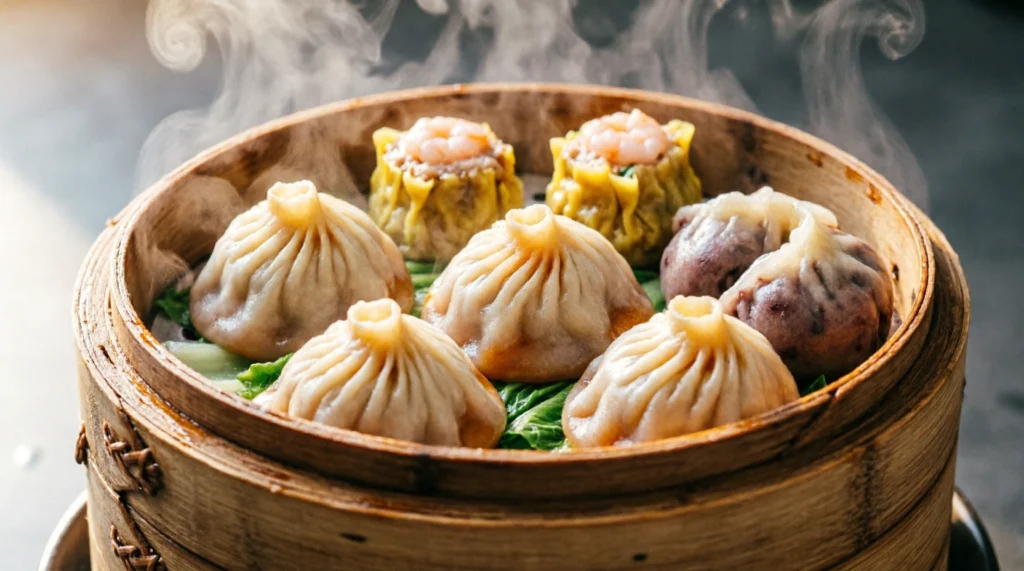
Shanghai isn’t just about local Shanghainese food (like sweet soy-braised pork or soup dumplings); it acts as the culinary showcase for all of China. Chefs like Scott Bao point out that living in Shanghai allows you to sample Sichuan, Hunan, Yunnan, and Cantonese cooking prepared by masters from those home provinces.
- The Reality: The city is huge, and navigating local neighborhood eateries requires a translation app if you don’t speak Mandarin. However, the reward is an unmatched variety of doughs, noodles, and regional stews.
Mumbai: A Sensory Explosion of Street Chaat
Mumbai is a masterclass in texture and spice. From crunchy pani puri on Girgaon Chowpatty beach to buttery pav bhaji and fragrant coastal Mangalorean seafood curries, Mumbai feeds millions of commuters on the move every single hour.
- The Reality: Gastrointestinal caution is required for non-locals. Stick to hot, freshly cooked food from vendors with massive queues, and strictly avoid unboiled tap water or unverified ice.
What To Skip And What To Do Instead
1. Skip the Viral 2-Hour Social Media Queues
- The Problem: Algorithm-driven hype frequently turns modest street stalls into overcrowded tourist circuses where quality plummets under volume stress.
- Better Alternative: Walk two blocks in any direction. In cities like Bangkok, Hong Kong, or Shanghai, an unhyped family-run stall filled with neighborhood seniors or office workers will almost always yield a better, more relaxed meal.
2. Skip Overpriced Tourist Night Market Strips
- The Problem: Night markets catering exclusively to foreign tour groups often feature inflated prices and toned-down, generic seasoning.
- Better Alternative: Seek out fresh morning wet markets (like Bangkok’s clean Or Tor Kor Market) or residential evening eating streets where locals actually shop and dine after work.
What It Really Costs
Understanding how far your money stretches across these chef-selected capitals is crucial before booking flights.
BUDGET LEVEL: MUMBAI & BANGKOK STREET
• Local street dish / Noodle bowl: $1.50 – $4.00 USD
• Casual neighborhood restaurant meal: $5.00 – $12.00 USD
• Expected daily food budget: $20.00 – $40.00 USD

MID-RANGE LEVEL: SHANGHAI & HONG KONG CASUAL
• Dim sum lunch / Shanghai dumpling meal: $12.00 – $25.00 USD
• Sit-down regional dinner with drinks: $30.00 – $60.00 USD
• Expected daily food budget: $60.00 – $110.00 USD

PREMIUM LEVEL: FINE DINING & CHEF TASTING MENUS
• Modern Asian tasting menu (e.g., Potong, Nusara): $120.00 – $250+ USD per person
• High-end roast goose / Seafood banquets: $80.00 – $180.00 USD per person
Final Recommendation
- Choose Bangkok if you want the absolute highest diversity of flavor—from 2-dollar street noodles to award-winning modern Thai gastronomy.
- Choose Hong Kong or Shanghai if you prefer ultra-clean infrastructure, world-class public transit, and a focus on regional Chinese culinary heritage.
- Choose Mumbai if you want a vibrant, deeply rewarding sensory adventure that costs very little cash but rewards high curiosity.
FAQ
Is street food in Bangkok and Mumbai safe for first-time visitors?
Yes, provided you observe basic precautions. Eat at high-turnover stalls where food is cooked scorching hot right in front of you. Always drink bottled water and skip raw salads or unverified ice in informal street setups.
Do I need to book top-tier chef restaurants in Asia months ahead?
For award-winning venues like Potong or Nusara in Bangkok, yes—reservations open weeks to months in advance. However, classic institutions like Hong Kong roast goose houses or Shanghai dumpling shops operate mostly on walk-ins or short line waits.
How do I overcome language barriers when ordering street food in Shanghai or Bangkok?
Pointing at freshly cooked ingredients or displaying photo menus on your phone works universal magic. Translation apps with live camera modes make reading wall menus seamless.