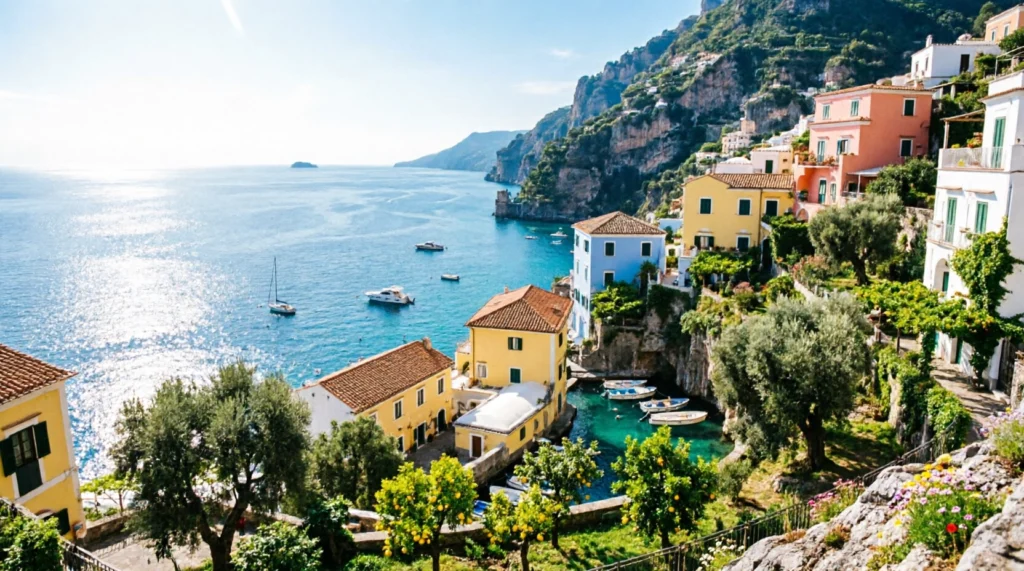
If you read glossy travel brochures or scroll through social media, every famous journey in Europe sounds like an flawless fairy tale. You are told to drive the winding cliffs of the Amalfi Coast, catch the Northern Lights from a heated glass igloo, and glide past Swiss glaciers on a panoramic train, all with serene smiles and zero complications.
The reality of travel is messier.
An stunning coastal road can easily turn into a two-hour gridlock behind a tour bus. A famous sunset spot can be so choked with cruise passengers that you cannot turn around. A multi-thousand-dollar Arctic trip can be spent staring at stubborn, overcast clouds.
At TravelDiaryy, we do not exist to sell you postcards. We exist to help you protect your limited budget and precious annual leave. Beautiful places can still be wildly inconvenient, and famous trips can suffer from terrible value if you approach them blind.
Here is our candid editorial evaluation of nine classic European “bucket list” journeys: what they actually feel like on the ground, what they cost, what mistakes ruin them, and how to execute them like a seasoned traveler.
Quick Verdict: Which European Bucket-List Trips Are Worth Booking?
If you only have two minutes before opening your flight booking app, here is our editor’s raw breakdown:
- Unquestionably Worth It: The Swiss Alpine Rail Network (incredible efficiency and scenery) and Iceland’s Ring Road (unmatched geological variety).
- Worth It, But Only in the Shoulder Season: The Amalfi Coast (May or September only) and Santorini/Greek Cyclades (avoid July–August entirely).
- High-Risk / Weather-Dependent: Lapland Northern Lights (extraordinary when solar activity aligns, but devastating if clouds linger; requires at least 4–5 nights).
- The Overrated Trap: Renting a car to drive the Amalfi Coast or rushing through five Greek islands in seven days.
Quick Decision Matrix
| Trip / Destination | Best Time to Go | Minimum Days Needed | Realistic Daily Budget (Mid-Range) | The Main Trade-Off |
|---|---|---|---|---|
| Amalfi Coast (Italy) | May or Sept–Oct | 4–5 Days | €300 – €500 | Incredible views vs. severe traffic and expensive parking. |
| Swiss Alps Rail | Jan–March or June–Sept | 5–7 Days | €350 – €600 | Peerless scenery vs. high baseline costs for food and lodging. |
| Arctic Lapland | Dec–March | 4–5 Days | €300 – €550 | Magical winter activities vs. weather-dependent Aurora sightings. |
| Greek Cyclades | May–June or Sept | 7–10 Days | €200 – €400 | Iconic architecture vs. heavy summer cruise ship crowds. |
| Scottish Highlands | May–June or Sept | 6–8 Days | £180 – £320 | Dramatic glens vs. midges and narrow single-track roads. |
| French Riviera | May–June or Sept | 5–7 Days | €250 – €450 | Belle Époque elegance vs. crowded private beaches. |
| Christmas Markets | Late Nov – Dec 22 | 4–5 Days | €180 – £350 | Unbeatable holiday charm vs. weekend evening crowd logjams. |
| Camino de Santiago | May–June or Sept | 7–30 Days | €50 – €110 | Deep mental reset vs. physical fatigue and basic accommodations. |
| Iceland Ring Road | June–August (Full Loop) | 10–12 Days | €280 – €480 | Unreal natural landscapes vs. unpredictable gale-force weather. |
1. The Amalfi Coast, Italy: Vertiginous Beauty vs. Coastal Gridlock
What It Is Actually Like
The stretch of coast between Salerno and Sorrento is undeniably dramatic. Pastel houses cling to vertical limestone cliffs, lemon trees perfume the terraces, and the Tyrrhenian Sea glimmers below.
However, the narrow, single-lane SS163 road that connects these villages was built for 19th-century horse carriages, not thousands of modern tour buses and rental cars. In July and August, driving here is a test of patience, with bumper-to-bumper traffic and parking fees reaching €10 to €15 per hour.
What Is Worth Paying For
- Public Ferries & Private Water Taxis: Approaching Positano, Amalfi, and Ravello from the sea gives you the breathtaking views you actually came for without sitting in a hot bus exhaust plume. Ferry tickets between towns cost €10–€20.
- A Day in Ravello: Perched high above the sea, Villa Cimbrone and Villa Rufolo offer quieter, far more contemplative gardens and views than crowded Positano beachheads.
What To Skip & What To Do Instead
- SKIP: Renting a car. Alternate-day number plate rules operate in peak season, and navigating tight cliff turns while dodging scooters causes needless anxiety.
- DO THIS INSTEAD: Base yourself in Sorrento or Salerno. Both cities have direct train links (Sorrento via Circumvesuviana/Campania Express, Salerno via High-Speed Rail) and frequent ferry services to all major coastal towns at a fraction of the hotel cost.
2. The Swiss Alps Scenic Rail: Engineering Triumph at a Premium Price
What It Is Actually Like
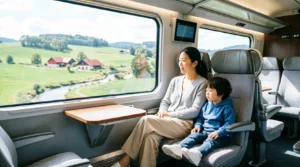
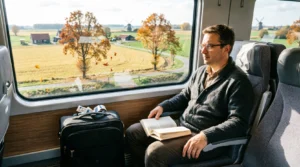
Riding the Glacier Express between Zermatt and St. Moritz or taking the Bernina Express over the Bernina Pass is a masterclass in slow travel. You glide through panoramic glass-roofed carriages across stone viaducts, snow-draped alpine passes, and mountain gorges. The train travels at an average speed of 24 mph—it is explicitly designed for staring out the window, not getting somewhere fast.
What Is Worth Paying For
- The Swiss Travel Pass or Half Fare Card: Buying individual point-to-point train tickets in Switzerland will quickly drain your budget. A Swiss Travel Pass covers unlimited regional trains, boats, buses, and offers heavy discounts on high-alpine cable cars.
- The Bernina Express Regional Train Alternative: The official express trains require mandatory seat reservation fees (€40–€49 extra).
What To Skip & What To Do Instead
- SKIP: Booking 2nd Class standard Glacier Express in mid-summer without seat reservations. Window glare can be intense, and carriages get quite warm under glass roofs.
- DO THIS INSTEAD: Take the local regional trains running on the exact same tracks. They run more frequently, require no seat reservations, and feature windows that open—allowing photographers to capture glare-free photos of the Landwasser Viaduct.
3. Arctic Lapland & The Northern Lights: Magically Serene or Cold ?
What It Is Actually Like
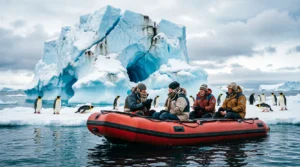
Stepping into Arctic silence, riding a dog sled through snow-covered pine forests, and sleeping in a heated cabin is a genuine bucket-list experience. But the main headline—the Aurora Borealis—is an unpredictable solar phenomenon framed by local weather. Clouds are the ultimate enemy. You can spend thousands of dollars on a glass igloo resort in Rovaniemi only to stare at blank gray fog for four nights straight.
What Is Worth Paying For
- Small-Group Guided Aurora Hunts: Mobile guides equipped with weather radar will drive 100+ kilometers across borders to clear sky pockets, increasing your odds far beyond sitting at your resort.
- Husky Sledding in Wilderness Reserves: Genuine, non-commercialized sled rides through wild terrain offer deep immersion in Arctic nature.
What To Skip & What To Do Instead
- SKIP: Spending your entire budget on commercial “Santa Claus Village” glass igloos. They are often crammed together near road lights, compromising privacy and night-sky darkness.
- DO THIS INSTEAD: Head further north away from light pollution. Consider Abisko (Sweden)—known for its microclimate “blue hole” that keeps skies clear—or Kilpisjärvi (Finland) for rustic, high-latitude stays. Allocate at least 4 to 5 nights in the Arctic zone to hedge against cloud cover.
4. Greek Island Hopping: Cycladic Dreams vs. Mass Cruise Tourism
What It Is Actually Like
The Cyclades offer incredible contrasts: stark white architecture, cobalt-blue domes, wind-swept cliffs, and clear Aegean waters. However, Santorini and Mykonos have become victims of their own fame. During peak summer, up to five massive cruise ships unload over 15,000 visitors daily into Oia’s narrow pedestrian alleyways. What should feel like a romantic Mediterranean moment can feel like waiting in line at an amusement park.
What Is Worth Paying For
- Caldera-View Stay in Imerovigli or Firostefani: If you want that iconic Santorini view, stay in Imerovigli. It sits higher on the cliff, enjoys the same breathtaking caldera panoramas, but receives a fraction of Oia’s day-tripper foot traffic.
- Renting a Small Vehicle on Quiet Islands: Exploring remote coves in Naxos or Milos by car unlocks quiet, pristine beaches far from beach club loudspeakers.
What To Skip & What To Do Instead
- SKIP: Packing 4 or 5 islands into a 7-day itinerary. Summer ferries are frequently delayed by strong Meltemi winds, and packing/unpacking every 36 hours turns a vacation into logistical work.
- DO THIS INSTEAD: Choose two contrasting islands per week. Pair an iconic scenic hub (like Santorini for 2 nights) with a larger, ground-to-table food island like Naxos or a geological wonderland like Milos.
5. The Scottish Highlands & Isle of Skye: Wild Atmosphere vs. Campervan Congestion
What It Is Actually Like
Glencoe’s towering mountain passes, the dramatic Quiraing on the Isle of Skye, and ancient ruined castles make the Scottish Highlands feel mythic. The driving experience, however, requires careful preparation. Main arteries like the A82 and the North Coast 500 (NC500) see heavy traffic in July and August, dominated by slow-moving campervans on single-track roads with narrow passing places. Add the notorious Highland midge (biting midges), and mid-summer can test anyone’s patience.
What Is Worth Paying For
- Quality Waterproof Outerwear: Highland weather changes rapidly—you can experience sunshine, driving rain, and gale-force winds in a single hour. Good gear makes the difference between enjoying a coastal hike and shivering in your car.
- Pre-Booked Dining on Skye: The island’s best seafood restaurants and pubs have limited seating. If you do not book weeks ahead, you may end up eating gas station sandwiches for dinner.
What To Skip & What To Do Instead
- SKIP: Attempting the entire NC500 loop in less than 5 days. You will spend 8 hours a day staring at a steering wheel without time to actually hike or explore.
- DO THIS INSTEAD: Visit in May, June, or September. The daylight hours are long, rainfall is statistically lower, the midges are less active, and road traffic is manageable. Explore lesser-visited gems like the Argyll Coast or Cairngorms National Park.
6. The French Riviera (Côte d’Azur): Old-World Glamour vs. Rocky Realities
What It Is Actually Like
The coastline from Cannes through Nice to Menton has captivated artists, royalty, and filmmakers for over a century. The Belle Époque architecture is gorgeous, the food markets are vibrant, and the coastal rail line makes moving between towns effortless.
The common shock for first-timers? The famed beach in Nice consists of large, uncomfortable grey pebbles (galets), not powdery white sand, and paying €40–€80 per day for a beach lounger at private clubs is standard practice.
What Is Worth Paying For
- TER Regional Coastal Trains: The train runs along the coastline, connecting Nice, Villefranche-sur-Mer, Monaco, and Menton in 10 to 30 minutes for just a few Euros per ticket.
- Visiting the Hilltop Village of Èze: Perched 1,400 feet above the Mediterranean, the Exotic Garden at the top of Èze offers unmatched panoramic views over the Riviera.
What To Skip & What To Do Instead
- SKIP: Staying in expensive, isolated resort enclaves without public transit access. Driving between Cannes and Monaco in mid-summer traffic can take hours.
- DO THIS INSTEAD: Base yourself in central Nice. It offers diverse restaurant options, cultural museums (Matisse, Chagall), affordable mid-range boutique hotels, and seamless train access to every coastal village along the Riviera.
7. Christmas Markets of Central Europe: Festive Magic vs. Evening Crowds
What It Is Actually Like
Walking through historic plazas in Vienna, Prague, or Strasbourg under winter lights, sipping spiced mulled wine (Glühwein), and smelling roasted chestnuts is a quintessential European winter experience. The festive ambiance is genuine, but weekend evenings can be overwhelming. Popular markets like Prague’s Old Town Square or Vienna’s Rathausplatz get so densely packed on Saturday nights that simply walking past stalls requires moving at a slow crawl.
What Is Worth Paying For
- Handcrafted Wooden & Ceramic Ornaments: Skip mass-produced plastic trinkets and look for artisan stalls marked with regional craft certifications.
- A Night at the Opera or Concert in Vienna: Experiencing classical music in historic venues like Karlskirchen or the Musikverein completes the holiday winter charm.
What To Skip & What To Do Instead
- SKIP: Visiting flagship city-center markets between 5:00 PM and 8:00 PM on Friday or Saturday.
- DO THIS INSTEAD: Visit stalls on weekday mornings or early afternoons when locals shop, lines for warm food are short, and craft vendors have time to talk. Venture beyond capital cities to mid-sized market hubs like Olomouc (Czech Republic) or Graz (Austria) for authentic charm without mass crowds.
8. Camino de Santiago, Spain: Transformative Journey vs. Trail Congestion
What It Is Actually Like
Walking the ancient pilgrimage route across northern Spain to Santiago de Compostela is less of a traditional holiday and more of a personal reset. Crossing rolling vineyards, historic stone bridges, and rural Galician countryside offers a slow pace rarely found in modern life. However, the popularity of the Camino Francés—especially the final 100 kilometers from Sarria—means summer trails can feel crowded, and securing beds in basic municipal hostels (albergues) can create an unnecessary “bed race” anxiety.
What Is Worth Paying For
- Luggage Transport Services: For €6–€10 per stage, local transport services will transfer your main bag to your next stop, leaving you with only a light daypack for walking.
- Private Rooms in Rural Casas Rurales: Alternating between communal pilgrim hostels and charming private country estates ensures proper sleep and physical recovery.
What To Skip & What To Do Instead
- SKIP: Walking the Sarria-to-Santiago section in July or August. Heat along the central plains (Meseta) can be dangerous, and trails are overly busy.
- DO THIS INSTEAD: Walk the Camino Portugués Coastal Route or choose shoulder months (May, June, or September). You will enjoy cooler ocean breezes, beautiful coastal scenery, and a more relaxed pace.
9. Iceland’s Ring Road: Geological Wonders vs. Rapid Weather Shifts
What It Is Actually Like
Driving Route 1 (the Ring Road) around Iceland takes you past thunderous waterfalls (Skógafoss, Seljalandsfoss), massive glaciers, black sand beaches, and steaming geothermal valleys. It is one of the world’s truly epic road trips. However, Iceland’s weather is notoriously unpredictable. Severe winds can swing car doors open off their hinges, ash storms can scrub paint, and gravel roads require constant driver concentration.
What Is Worth Paying For
- Comprehensive Rental Car Insurance: Ensure your rental covers gravel protection, sand/ash protection, and wind door damage. Repairs in Iceland are exceptionally expensive.
- Guided Glacier Hikes & Ice Cave Tours: Never step onto a glacier without a certified local guide equipped with crampons and ice axes.
What To Skip & What To Do Instead
- SKIP: Trying to drive the full 1,332 km Ring Road in under 7 days. You will spend your entire trip driving without time to relax in geothermal baths or hike.
- DO THIS INSTEAD: If you have 5 to 7 days, limit your itinerary to the South Coast and Snæfellsnes Peninsula. If you want to do the complete Ring Road, allocate at least 10 to 12 days in summer to allow for weather delays and slow-paced exploration.
Final Recommendation: How to Choose Your Bucket-List Trip
Every single trip on this list has earned its reputation for a reason. The secret to a successful European vacation is not avoiding famous places—it is matching the trip to your preferred travel style and choosing the right season.
- Choose Switzerland or Iceland if you love raw nature, incredible infrastructure, and do not mind a higher baseline travel budget.
- Choose the Amalfi Coast or Greek Islands if you want Mediterranean views, rich food, and warm waters—provided you travel in May or September and rely on water transport.
- Choose Lapland or the Christmas Markets if you love winter environments, provided you build in flexible schedules for weather.
- Choose the Camino or Scottish Highlands if you thrive on slow travel, outdoor activity, and atmospheric landscapes.
Protect your vacation investment by respecting local logistics, avoiding peak summer crowds where possible, and prioritizing quality experiences over ticking off endless checklists.
FAQ
What is the single best month to visit southern European bucket-list destinations like Amalfi or Santorini?
September is widely considered the absolute best month. The Mediterranean Sea is at its warmest after absorbing summer heat, peak tourist crowds have cleared out, accommodation prices drop by 20% to 40%, and restaurants operate with a more relaxed atmosphere.
How far in advance should I book major European bucket-list trips?
For peak destinations like Santorini, the Amalfi Coast, or Lapland glass igloos, book 6 to 9 months in advance to secure reasonable accommodation rates and prime locations. Scenic trains like the Glacier Express allow seat reservations 90 days before departure.
Is it better to rent a car or take public transit in Europe?
It depends entirely on the region. In countries with world-class rail (Switzerland, France, Italy, Austria), trains and ferries are faster, cheaper, and stress-free. In sparsely populated outdoor destinations (Iceland, Scottish Highlands, rural Lapland), renting a car is essential for reaching trailheads and scenic vistas.
What is the biggest budget mistake travelers make on dream European trips?
Over-indexing on rapid movement. Packing four countries or five islands into ten days drains budgets through constant transport costs, last-minute ticket surcharges, and dining at overpriced transit hubs, while leaving visitors fatigued rather than refreshed.