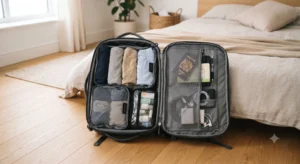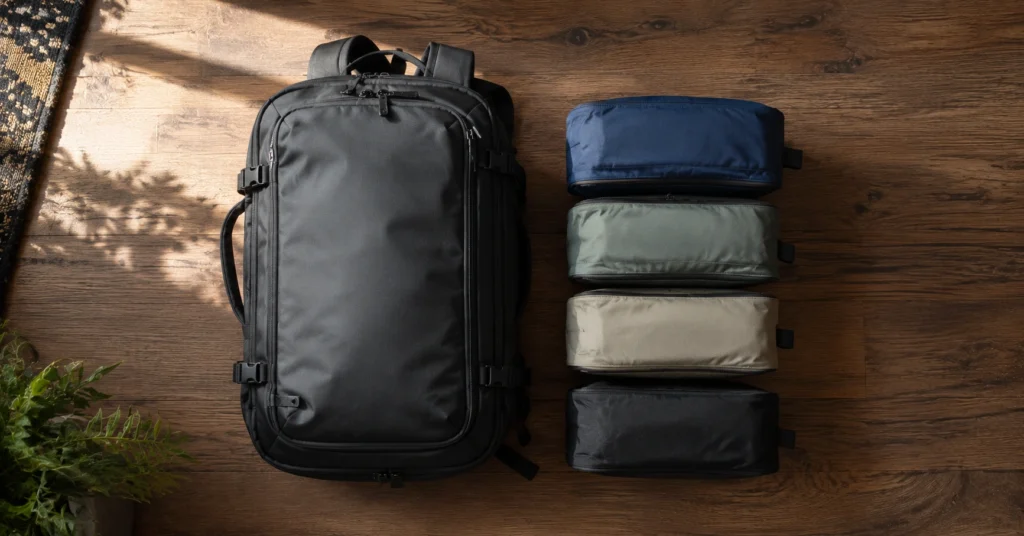
Compression bags work, but not the way most gear brands claim in their promotional videos. They do not reduce the physical mass of your clothing; they simply eliminate the trapped air between fabric layers to shrink total volume by roughly 30% to 40%.
The trap is simple: reclaiming that empty space inside your pack allows you to easily load more clothes, turning a compact bag into a heavy brick that will fail strict airline scales. This review examines the top-performing systems on the market, detailing which styles hold their seal and which ones fail under structural tension.
Verdict Table: The Best Compression Bags for Travel Compared
Before analyzing the physical mechanics of fabric compression, use this verified data table to compare the specific models tested across actual costs, target travel profiles, and real structural trade-offs.
| Product | Price | Best For | Key Limitation | Verdict |
| Peak Design Compression Cube (Medium) | $45 | Heavy-duty durability & daily access | High entry cost per individual pouch | The benchmark for long-term carry-on travelers who abuse gear. |
| Eagle Creek Pack-It Isolate (Medium) | $22 | Ultra-lightweight packing constraints | Translucent fabric requires careful zipper alignment | Best option for strict 7kg regional flight limits. |
| Gonex Compression Set (3-Piece) | $24 | Budget organization in hardshell suitcases | Non-branded zippers slip under high compression | Decent value for casual itineraries, but do not overstuff. |
| Spacesaver Vacuum Variety (8-Pack) | $27 | Long-term winter moves & bulky outerwear | Eradicates daily mobility; massive wrinkling | Ideal for seasonal relocations, useless for fast-moving tours. |
How Air Extraction Changes the Volume of Your Travel Pack
The entire premise of using the best compression bags travel systems offer rests on a single physics reality: your clothes are mostly air. When you load wool knits, cotton t-shirts, or fleece sweaters into a standard bag, you are occupying valuable cubic centimeters with air pockets trapped between the textile fibers. Compression packing bags use mechanical leverage—either via heavy-duty dual-zipper tracks or plastic one-way pressure valves—to exhaust that air, flattening the items into dense, space-saving blocks.
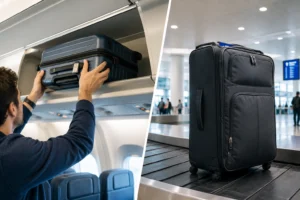
However, the extra room you gain can quickly compromise your transit logistics. During a multi-week stint testing gear across Europe, I used a 30-liter carry-on pack that easily slid into budget airline sizing bins. By using high-pressure cubes, I squeezed five extra shirts into the main compartment. The bag still looked thin enough to pass, but at the gate check-in, it tipped the scales at 10.4kg. If you fly budget regional airlines frequently, this dense packing habit will result in a forced checked-bag fee of $55 or more at the counter.
Choosing Between Zippered Systems and True Vacuum Bags for Travel
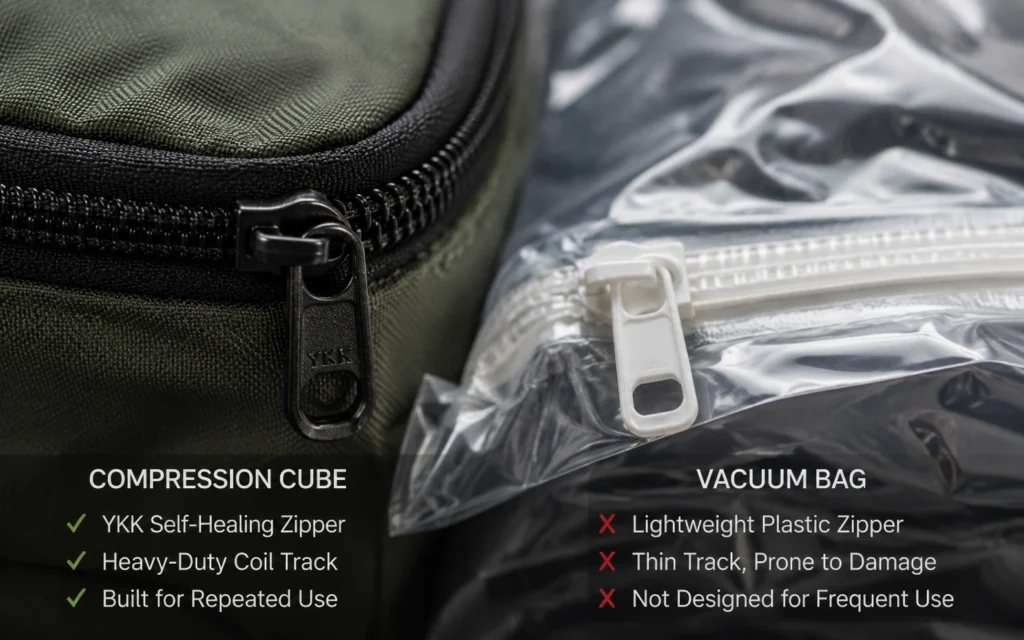
Deciding between zippered expansion cubes and vacuum bags travel configurations comes down to how often you intend to unpack during your itinerary. Zippered cubes employ a secondary perimeter zipper that tracks around the sidewall of the bag. You pack the pouch normally, close the main zipper, and then force the compression zipper shut to mechanically crush the contents.
They are highly mobile, allowing you to open the cube, extract a fresh shirt, and reseal the unit in under twenty seconds without requiring any external tools.
True vacuum bags travel designs use airtight plastic walls and a plastic slider seal. Air is removed either by rolling the bag from the top to force air out through specialized bottom slits or by connecting a small plastic hand pump to a circular top valve. This method achieves a much flatter profile than zippered cubes, but it turns your wardrobe into an unyielding, rock-hard brick.
It also introduces a massive operational penalty: every single opening requires a complete resealing process, and the intense air extraction leaves natural fibers like cotton and linen deeply wrinkled.
The Best Compression Bags for Travel: Detailed Field Evaluations
Peak Design Compression Packing Cube (Medium)
This individual medium-sized cube costs $45 (2025–2026 pricing — verify before purchase). It targets the dedicated, minimalist traveler who relies on a single carry-on backpack for multi-month itineraries and demands gear that survives heavy physical strain.
The feature that justifies this high investment is the proprietary 70D nylon-poly shell material, which stretches slightly under tension but refuses to tear when stuffed with dense wool layers. The primary compression track uses an oversized, abrasion-resistant zipper that glides smoothly around radiused corners, preventing the tracking alignment errors common in cheaper alternatives. It also features a dedicated internal divider wall to isolate clean clothes from damp laundry as your trip unfolds.
The real trade-off here is the base weight and the price point. At 110 grams empty, the heavy-duty zipper tracks and internal divider structure add noticeable mass to your kit before you even fold a shirt. If your travel style requires hitting ultra-strict weight targets on remote flights, this added fabric might cost you flexibility. For those situations, the Eagle Creek alternative is a smarter choice.
Eagle Creek Pack-It Isolate Compression Cube (Medium)
This ultralight compression pouch is priced at $22 (2025–2026 pricing — verify before purchase). It is built for lightweight packing enthusiasts who need to optimize every single gram to comply with uncompromising cabin weight thresholds.
The cube earns its place in a travel kit through its incredibly thin, translucent ripstop polyester construction. Weighing only 36 grams, it delivers a clean 35% volume reduction without adding structural bulk to your backpack layout. The material is treated with an antimicrobial zinc finish that actively inhibits the growth of odor-causing bacteria from worn workout gear.
The honest limitation is that this paper-thin material has no self-supporting structure. When you attempt to zip the compression track shut, the flimsy fabric walls fold inward, frequently catching on the zipper teeth. You must carefully use your index finger as a shield to block the internal clothing edges from jamming the track every time you close it. If you lack the patience for careful handling, look toward a sturdier option like the Gonex set.
Gonex Compression Packing Cubes (3-Piece Set)
This three-piece multi-size set is available for $24 (2025–2026 pricing — verify before purchase). It serves casual holiday makers who want to organize a standard checked suitcase into clean categories without spending a fortune on high-end niche brands.
The set provides a varied modular layout that lets you partition underwear, t-shirts, and trousers into distinct blocks. The exterior nylon fabric is water-resistant, protecting your clean wardrobe from accidental toiletry spills inside your main bag.
The primary weakness lies in the zipper construction and the top panel design. Gonex utilizes non-branded zippers that feel loose and prone to skipping teeth when pulled around corners under maximum load. Furthermore, the inclusion of a mesh ventilation strip across the upper face means that while the cube breathes well, high-pressure compression forces the fabric to bulge awkwardly through the mesh opening, reducing the overall space-saving efficiency. If you need a absolute, uniform flat profile for a tight backpack compartment, invest in a fully sealed system.
Spacesaver Vacuum Storage Bags (8-Pack Variety)
This multi-pack of assorted plastic vacuum sleeves retails for $27 (2025–2026 pricing — verify before purchase). It is designed specifically for long-term relocations, seasonal winter sports trips, or vehicle-based expeditions where raw spatial maximization outweighs the need for daily mobility.
The system uses a thick, heavy-gauge plastic film and a dual-line slider track that creates a reliable barrier against air entry, maintaining its compressed state for months at a time without leaking. It is highly effective at shrinking oversized down jackets, ski pants, and heavy blankets down to a fraction of their natural size.
The clear downside is the total destruction of daily travel flexibility. To extract a single pair of socks, you must unseal the entire plastic housing, which completely ruins the vacuum effect for the rest of the contents. You then have to spend several minutes manually kneeling on the bag to roll the air out or assemble the included hand pump to restore the vacuum seal. For fast-paced urban travel or weekend hops, this routine is far too slow and frustrating.
Practical Zipping Methods to Avoid Seam and Fabric Failure
To prevent blowing out the perimeter seams of your compression gear on your first night abroad, you must alter how you fold your clothing. Avoid rolling your garments into tight, sausage-like shapes. Rolled clothes create dense, unyielding ridges that concentrate high pressure on localized sections of the zipper track, causing the teeth to separate. Instead, utilize a flat-folding square pattern that spreads the fabric mass uniformly across the entire base area of the cube.
Practitioner Pro-Tip: When sealing any high-tension compression cube, never rely on raw pulling force to close the track. Instead, place your hand flat on top of the cube and press down with your full body weight to pre-compress the clothing layers, then use your other hand to smoothly guide the zipper pull around the perimeter.
If you are looking to audit your base wardrobe before investing in specialized storage systems, read our blueprint on how to pack light to remove unnecessary items from your inventory. To see how these organization cubes integrate into a complete, professional travel kit, review our comprehensive travel gear pillar resource.
Frequently Asked Questions About Best Compression Bags Travel
Do compression bags permanently damage or wrinkle clothes?
Compression bags do not permanently ruin fabrics, but they cause deeper wrinkling than traditional loose packing methods. Because air is completely removed from the chamber, clothing layers are pressed against one another under continuous mechanical pressure. To limit creasing, prioritize packing synthetic travel fabrics, and avoid putting structured linen items inside high-pressure storage.
Can you use travel vacuum bags without access to an electric pump?
Yes, most travel-focused vacuum sleeves feature one-way air escape valves at the bottom edge. This allows you to close the top plastic zip slider and then slowly roll the bag from top to bottom using your hands or knees to push the trapped air out through the base vents without needing an external pump.
Are compression packing cubes better than standard travel cubes?
Compression cubes are superior if your primary constraint is limited physical space, such as packing a strict under-seat carry-on bag. Standard packing cubes are a better choice if you are traveling with a large hardshell suitcase where total volume is not an issue, as they keep garments crisper and offer quicker access.
Continue Exploring
- learning how to pack light: Discover the exact packing methods required to downsize your wardrobe footprint before you buy specialized gear.
- travel gear pillar: Examine our complete, field-tested equipment matrix to build a cohesive, reliable baggage system for international transit.