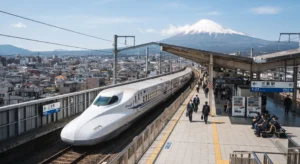
Japan’s marketing machine loves to present its national parks as effortless wilderness retreats—just jump on a Shinkansen, step off into a pristine forest, and soak in a quiet hot spring.
The reality is more complicated.
Japan’s 34 national parks cover nearly 11% of the country, but they operate very differently from national parks in North America or Australia. Many are sprawling regional zones containing working towns, toll roads, and massive resort complexes right alongside protected alpine crests.
If you choose the wrong park—or time your visit poorly—you might spend five hours in transit only to find yourself shuffled into a crowded souvenir mall surrounded by idling tour buses.
If you have two weeks in Japan, spending two or three days in the natural environment can transform your trip. However, every park involves distinct trade-offs in travel time, transportation costs, and seasonal weather windows. Here is what you need to know before locking a nature itinerary into your travel plans.
Quick Verdict: Which National Park Should You Pick?
- Choose Fuji-Hakone-Izu if you have limited time (1–2 days from Tokyo) and want iconic postcard vistas alongside hot springs, and do not mind heavy tourist crowds.
- Choose Nikko if you want a balance of mountain scenery, waterfalls, and UNESCO-world-heritage shrine architecture within a three-hour train journey from Tokyo.
- Choose Daisetsuzan (Hokkaido) if you want true, wide-open mountain wilderness, quiet trails, and serious alpine hiking, and are willing to rent a car.
- Choose Yakushima if you want ancient, subtropical moss forests that feel entirely disconnected from modern Japan, and can allocate a dedicated 3- to 4-day island detour.
- Skip Fuji-Hakone-Izu if you expect isolated, quiet backcountry hiking—it is one of the most developed and heavily visited park zones in Asia.
Quick Decision Guide
| Park | Travel Time from Major Hub | Best For | Transport Effort | Budget Level |
| Fuji-Hakone-Izu | 1.5–2.5 hours (Tokyo) | Mt. Fuji views, Onsen resorts | Easy (Trains + Regional Buses) | Moderate to High |
| Nikko | 2–2.5 hours (Tokyo) | Shrines, waterfalls, fall foliage | Easy to Moderate | Moderate |
| Daisetsuzan | 1.5h flight + 2h drive (Hokkaido) | True alpine wilderness, hiking | Hard (Car Rental recommended) | Moderate |
| Yakushima | 2h flight/ferry (via Kagoshima) | Ancient moss forests, trekking | Hard (Flight/Ferry + Local Bus) | High |
1. Fuji-Hakone-Izu National Park: The Iconic Trade-Off
Fuji-Hakone-Izu is Japan’s most visited national park, primarily because it sits right in Tokyo’s backyard. It encompasses Mount Fuji, the Five Lakes region (Kawaguchiko), the volcanic valley of Hakone, and the coastal Izu Peninsula.
The Reality on the Ground
Do not come here expecting solitude. Hakone operates more like an extended, outdoor resort district than a backcountry reserve. The famous “Hakone Loop”—a sequence of mountain railways, cable cars, ropeways, and lake boats—is a highly polished transit circuit. On peak weekends, queueing for the Hakone Ropeway can take over an hour, and Lake Ashi sightseeing boats are frequently packed to capacity.
Furthermore, Mount Fuji is notoriously shy. Cloud cover hides the peak for more than 60% of summer days. Many day-trippers travel two hours from Tokyo only to stare at a wall of grey mist.
What Is Worth Paying For
- Overnight Onsen Stay in Hakone or Kawaguchiko: Day trips force you into peak travel windows alongside thousands of tour buses. Staying overnight at a traditional ryokan allows you to experience the natural hot springs and view the lake areas during the quiet early morning hours.
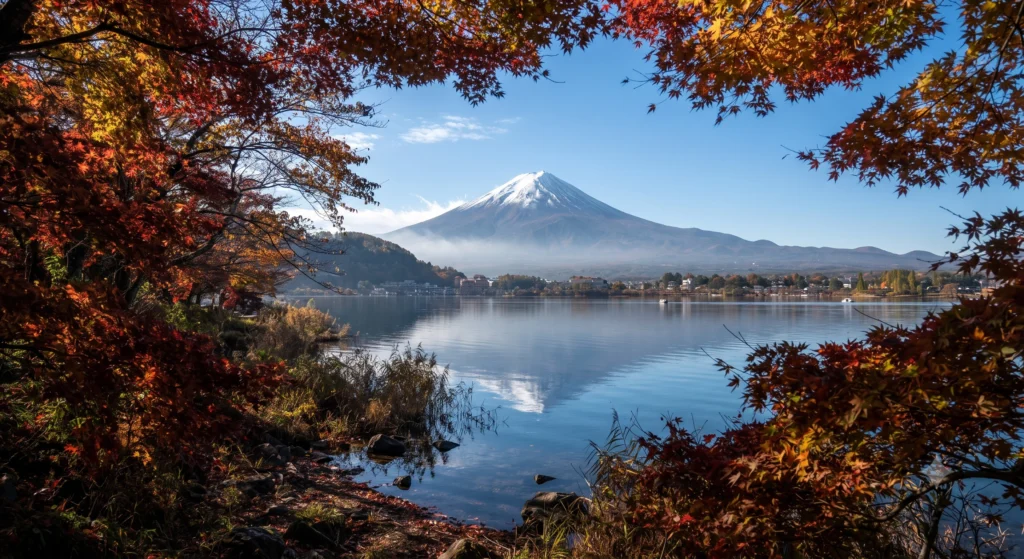
- Fuji Five Lakes (Kawaguchiko) over Hakone for views: If seeing Mt. Fuji is your absolute priority, Kawaguchiko sits directly at the northern base, offering far more reliable vantage points than Hakone.
What to Skip
- The Hakone Sightseeing “Pirate Ship”: It is a heavily commercialized ferry across Lake Ashi. Unless you need it to connect transit points, it offers little value beyond a crowded deck.
- Climbing Mt. Fuji as a “Bullet Climb”: Rushing up Mount Fuji overnight without sleeping at a mountain lodge leads to severe altitude sickness, exhaust fumes on the trail, and sheer physical misery. If you do not have reservations for a mountain hut, view the mountain from below instead.
2. Nikko National Park: Cultural Heritage Meets Volcanic Valleys
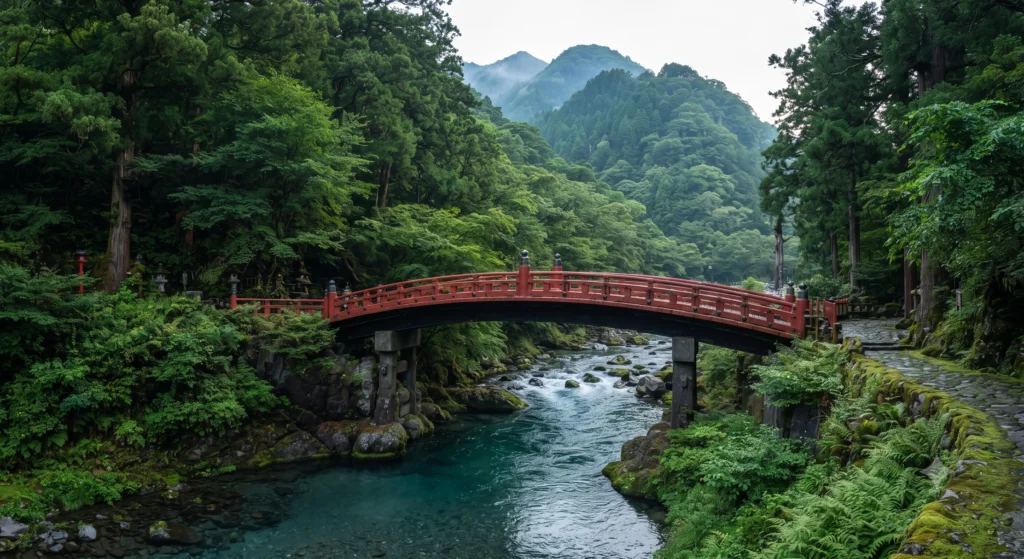
Located in Tochigi Prefecture north of Tokyo, Nikko offers a rare blend of deeply historical cultural architecture integrated into a rugged mountain landscape of lakes, marshes, and waterfalls.
What It Is Actually Like
Nikko splits neatly into two distinct sections: Town/Shrine Area and Okunikko (Highlands).
The lower area houses the lavishly decorated Toshogu Shrine, set amidst massive cryptomeria cedar trees. It is beautiful, historic, and frequently crowded. However, if you take the winding Irohazaka slope road up to Okunikko, the landscape shifts dramatically into the high-altitude Lake Chuzenji, Kegon Falls, and the high-moorland marsh of Senjogahara.
Practical Planning Tips
- Beware the Autumn Traffic Trap: Nikko is world-famous for its fall colors (late October to early November). During peak foliage weekends, the single mountain access road (Irohazaka) becomes gridlocked. A 40-minute bus ride can easily take 3 to 4 hours.
- Hike the Senjogahara Marshland Trail: This flat, wooden boardwalk trail connects Ryuzu Falls to Akanuma through a vast alpine marshland. It is easily accessible, far less crowded than Toshogu Shrine, and provides exceptional mountain views.
3. Daisetsuzan National Park: Real Alpine Wilderness in Hokkaido
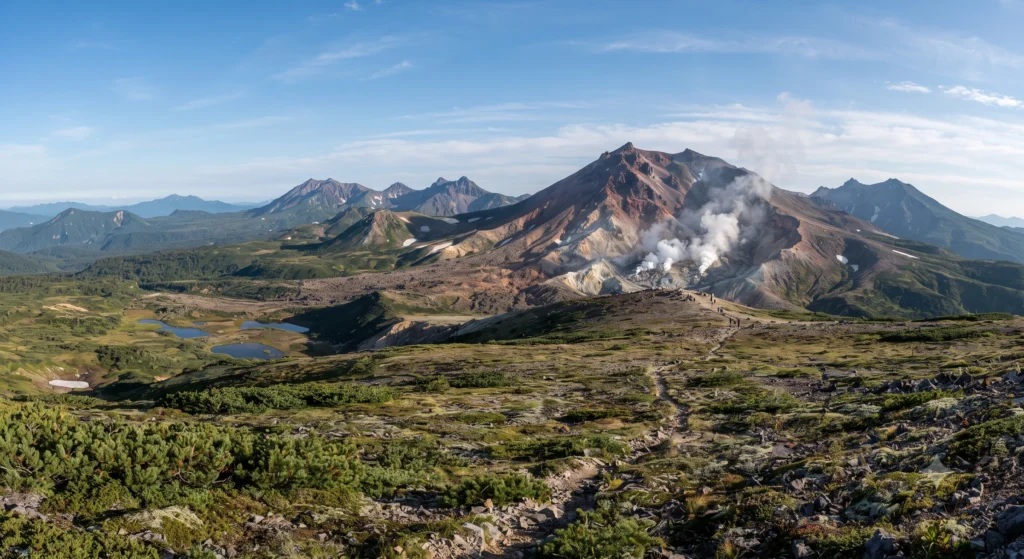
At over 2,200 square kilometers, Daisetsuzan is Japan’s largest national park. Located in the mountainous heart of Hokkaido, locals refer to it as Kamui Mintara—“The Playground of the Gods.”
Why It Justifies the Effort
If you want dramatic volcanic craters, wide alpine plateaus, wild brown bears, and vast expanses of tundra, this is where you go. Unlike the heavily developed parks near Tokyo, Daisetsuzan feels massive and raw. In summer (July to August), the alpine meadows bloom with wildflowers; by mid-September, it displays Japan’s earliest autumn colors.
The Trade-Offs
- Transportation Friction: Public transport within Daisetsuzan is sparse. While ropeways operate at Asahidake and Sounkyo, exploring beyond the cable car stations requires long-distance driving or relying on limited regional bus schedules. Renting a car at Asahikawa Airport is strongly recommended.
- Weather & Safety Requirements: Weather changes abruptly above the treeline. Hikers must carry proper cold-weather gear, map navigation tools, and bear bells, even during mid-summer months.
4. Yakushima National Park: Subtropical Ancient Rain Forests
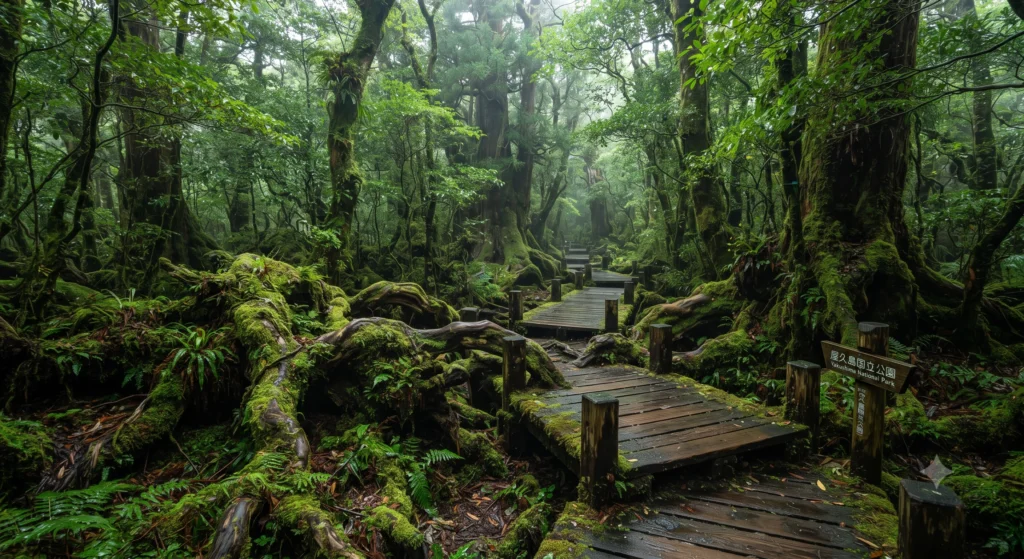
Located off the southern coast of Kyushu, Yakushima is an isolated, mountainous island famous for its ancient Yakusugi (Japanese cedar) trees—some estimated to be over 2,000 years old—and its dense, moss-draped primeval forests that inspired Studio Ghibli’s Princess Mononoke.
The Reality of Visiting
Yakushima is not a quick day trip; it requires a dedicated commitment of time and money. Weather dictates everything here. The island’s interior experiences torrential rainfall year-round (“it rains 35 days a month,” according to local lore). Heavy rainfall frequently cancels coastal ferries and causes mountain trail closures.
Smart Itinerary Choices
- Shiratani Unsuikyo vs. Jomon Sugi: The popular trek to Jomon Sugi (the island’s oldest cedar) is a grueling, 10- to 12-hour round-trip hike along a flat old logging railway followed by steep wooden steps. For many, the shorter 3- to 4-hour hike through Shiratani Unsuikyo Ravine is vastly superior—it contains the densest, most evocative moss forests without the monotonous railway slog.
What It Really Costs
Planning a nature trip in Japan requires budgeting for transport legs that sit outside standard city subway networks.
- Budget Option (¥8,000 – ¥12,000 / day): Overnight local bus travel or regional discount passes (e.g., Nikko Pass), staying in budget hostels or mountain huts (yamagoya), purchasing trail lunches at convenience stores.
- Comfortable Option (¥25,000 – ¥45,000 / day): Express train transfers (Limited Express/Shinkansen), staying at mid-tier onsen ryokan or mountain hotels with breakfast and dinner included, regional bus combination passes.
- Premium Option (¥60,000+ / day): Private rental car or taxi transfers, luxury hot-spring ryokan with private in-room baths (rotenburo) and multi-course kaiseki dining.
Common Mistakes to Avoid
- Relying Solely on the JR Pass: Many regional buses operating inside national parks (such as the Fujikyuko buses around Fuji or the Tobu buses in Nikko) are private networks not covered by the standard Japan Rail Pass. Always budget for local transit passes.
- Underestimating Trail Times: Mountain trails in places like Yakushima or Daisetsuzan are rougher and steeper than manicured urban park paths. Always verify trail conditions with local visitor centers before departing.
- Overpacking for Mountain Transit: Lugging large suitcases onto mountain ropeways or narrow regional buses is exhausting. Use Japan’s luggage forwarding services (Takkyubin) to send main bags ahead to your next city hotel, carrying only a daypack into the national park.
Final Recommendation
If you have limited time on a standard Golden Route itinerary (Tokyo–Kyoto–Osaka), Nikko or Fuji-Hakone-Izu (overnight stay) offer the highest return on investment without throwing off your travel schedule.
If you have previously visited Japan, or if your priority is serious wilderness hiking away from urban crowds, invest your vacation days in Daisetsuzan or Yakushima. Just prepare for the additional travel logistics and variable weather.
FAQ
Is a day trip from Tokyo to Fuji-Hakone-Izu worth it?
A day trip is doable but risky. Transit takes 2–2.5 hours each way, leaving little time to explore. If cloud cover blocks Mt. Fuji, you spend five hours traveling for little reward. Staying overnight significantly improves your chances of clear views and a relaxed experience.
Do I need a car to visit Japan’s national parks?
For Fuji-Hakone-Izu and Nikko, public trains and regional buses work well. However, for vast northern parks like Daisetsuzan in Hokkaido, renting a car saves hours of transit time and provides access to remote trailheads and quiet hot springs.
When is the best month to visit Japanese national parks for autumn foliage?
Autumn colors move from north to south and higher to lower elevation. Daisetsuzan peak colors arrive in mid-to-late September. Nikko and high-elevation Hakone peak between mid-October and early November. Lower-elevation lake areas around Fuji peak in mid-to-late November.
Are trail signs in Japan’s national parks available in English?
Major national parks (Fuji, Nikko, Yakushima) feature clear trail signage in both Japanese and English, alongside map boards at main intersections. However, carrying offline GPS maps (such as Yamap or Maps.me) is essential when hiking in remote backcountry zones like Daisetsuzan.