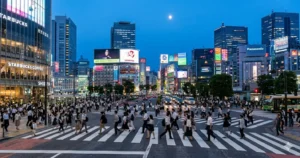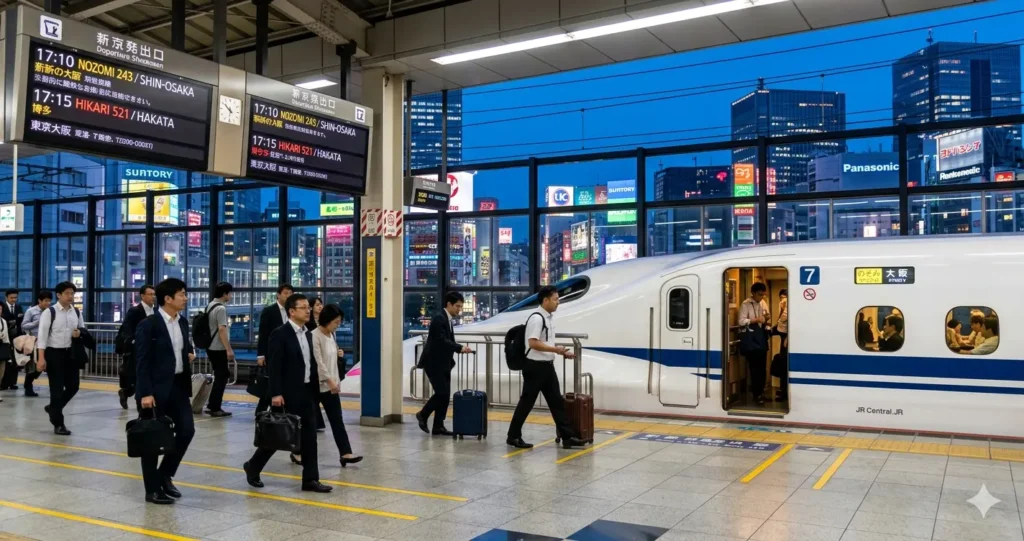
Tokyo has 13 million people and runs like a mechanism. Trains arrive within 30 seconds of the scheduled time. Nobody eats while walking. The noise level in a busy restaurant is often lower than a quiet café in London. Understanding this before you arrive means you stop mistaking the social order for coldness. It is not coldness; it is an entirely different social contract designed to make high-density living functional.
This japan travel guide is built to bridge that gap, providing the logistical clarity you need to navigate one of the world’s most organized societies without feeling like a gear out of place.
We will cover the exact costs for the 2025–2026 season, the cultural rules that actually matter on the ground, and a 14-day route that balances the neon of Shinjuku with the silence of the Japanese Alps.
The Social Contract: Understanding Japanese Etiquette
The biggest mistake first-timers make is assuming that “politeness” in Japan looks like western friendliness. It doesn’t. It looks like omotenashi—the art of anticipating needs while maintaining boundaries.
When you enter a shop, you will be greeted with a loud “Irasshaimase!” You aren’t expected to reply; a small nod is plenty. On the subway, the silence is intentional. Taking a phone call on a train is considered deeply disruptive. If you have trash, carry it with you. Public bins were largely removed decades ago, and yet the streets remain spotless because citizens take their waste home.
In temples and shrines, the rules are specific. At a temizuya (purification fountain), use the ladle to wash your left hand, then your right, then a small amount of water in your palm to rinse your mouth. Never drink directly from the ladle. These are not just suggestions for tourists; they are the baseline for participation in public life.
Essential Japan Vacation Planning: When to Go
Timing your visit determines whether you see the country or just a wall of other people’s umbrellas.
- Cherry Blossom (Sakura): Late March to early April. It is crowded, expensive, and accommodation in Kyoto books out six months in advance.
- The Rainy Season (Tsuyu): June to July. Expect consistent humidity and daily rain. If you visit now, go to Hokkaido, which largely escapes the monsoon pattern.
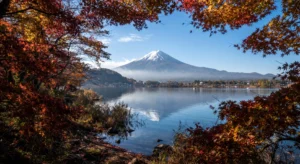
- Autumn Colors (Koyo): November. In my opinion, this is the superior version of the cherry blossom season. The weather is crisp, and the maples in Nikko and Kyoto turn a deep, reliable crimson.
- Winter: Late December to February. Perfect for the ski hills of Niseko or the onsens of Hakone.
Avoid “Golden Week” (late April to early May) at all costs. It is a cluster of national holidays where the entire domestic population travels at once. Flights and trains will be at capacity.
The Realistic Budget: Costs for 2025–2026
The $50-a-day Japan trip is a relic of the past. While the Yen has fluctuated significantly, inflation in service costs means you need a grounded financial plan.
| Tier | Daily Budget (USD) | What it covers |
|---|---|---|
| Budget | $80 – $110 | Hostels/capsules, convenience store (Konbini) meals, local transit. |
| Mid-Range | $180 – $250 | Business hotels, two sit-down meals, one regional train trip. |
| Luxury | $500+ | Luxury Ryokans, fine dining (Kaiseki), private tours. |
A bowl of high-quality ramen in a Shinjuku basement remains one of the world’s great bargains at ¥900 to ¥1,200. Conversely, a taxi ride across Tokyo can easily cost $60. Stick to the subways.
Top Destinations
Most people land in Tokyo, take the bullet train to Kyoto, and leave. They miss the texture of the country.
Tokyo is a collection of villages. Spend a morning in Yanaka to see “Old Tokyo” before heading to the chaos of Shibuya. Kyoto is the cultural heart, but the “overtourism” is real. To escape it, go to the Fushimi Inari shrine at 6:00 am or after 9:00 pm.
For your “one stop beyond,” head to Kanazawa. It is often called the “Little Kyoto” but feels significantly more lived-in. The Kenroku-en garden is one of the three finest in the country, and the Nagamachi samurai district is remarkably preserved.
Where to Stay: From Ryokans to Business Hotels
Accommodation in Japan is about efficiency.
- Business Hotels (e.g., APA, Dormy Inn): These are the backbone of visiting japan. Rooms are small—sometimes just 12 square meters—but they are impeccably clean and usually located within a three-minute walk of a major station. Expect to pay $80–$130 per night.
- Ryokans: These are traditional inns. You sleep on futons on tatami mats. A stay usually includes a multi-course dinner and breakfast. It is an experience, not just a bed.
- Capsule Hotels: Great for a one-night novelty, but the lack of soundproofing makes them a poor choice for a full week.
Honest Negative: Many western travelers find “Western-style” beds in mid-range Japanese hotels to be incredibly firm—almost like sleeping on a yoga mat over plywood. If you have back issues, check hotel reviews specifically for mattress quality. A genuine alternative is to stay in international chains like Hilton or Marriott, though you will pay a 40% premium for that extra cushion.
Getting Around: The JR Pass Math and Local Transit
In late 2023, the price of the Japan Rail (JR) Pass increased by nearly 70%. The old advice of “just buy a pass” is now dead.
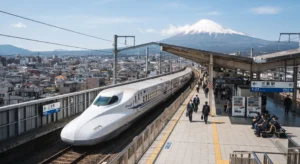
To make a 7-day pass worth the cost in 2026, you generally need to travel from Tokyo to Hiroshima and back within that window. If you are only doing a one-way trip from Tokyo to Osaka, it is significantly cheaper to buy individual Shinkansen tickets.
For local travel, get an IC Card (Suica or Pasmo). You can add these to your Apple or Google Wallet instantly. You tap in and out of every train and bus, and you can even use the balance to buy coffee at vending machines
A 14-Day Sample Itinerary for First-Timers
This route provides the maximum variety with minimum backtracking.
- Days 1–4: Tokyo. Base yourself in Shinjuku or Ueno. Spend one day in the neon, one day in the parks, and one day on a day trip to Kamakura or Nikko.
- Days 5–6: Hakone. Use the “Hakone Free Pass.” Take the ropeway over the volcanic vents of Owakudani and stay in a ryokan with a view of Mt. Fuji.
- Days 7–10: Kyoto. Use this as your base for Nara (the deer park). Walk the Philosopher’s Path at sunrise to avoid the tour groups.
- Days 11–12: Osaka. The food capital. Go to Dotonbori at night for Takoyaki and Okonomiyaki. It is louder and grittier than Tokyo, and the people are notably more talkative.
- Days 13–14: Kanazawa or Hiroshima. End with history or gardens before taking the Shinkansen back to Tokyo for your flight.
The Practical Checklist: Data, Cash, and Apps
Japan is no longer a cash-only society, but you still need physical Yen for small shrines, temple entrance fees, and some older ramen shops.
- eSIM: Use Airalo or Ubigi. Physical SIM cards are a hassle to register in Japan.
- Google Maps: The transit directions are flawless. It tells you exactly which platform to stand on and which exit is closest to your destination.
- Google Translate: The “Camera” function is essential for reading menus in smaller towns where English versions don’t exist.
- Power: Japan uses the same two-prong plugs as the USA, but they do not have the third grounding pin. If your laptop charger has three prongs, you will need an adapter.
Frequently Asked Questions
Do I need to tip in Japan?
No. In fact, tipping can be confusing or even offensive to staff. The price on the bill is the price you pay. If you leave extra cash on the table, a server will likely chase you down the street to return it, assuming you forgot your change.
Can I travel to Japan with tattoos?
While the stigma is fading, many public onsens (hot springs) still ban tattoos due to their historical association with organized crime. If you have ink, look for “tattoo-friendly” onsens or book a ryokan with a private “kashikiri” bath to avoid any issues.
Is English widely spoken in Japan?
In major hubs like Tokyo and Osaka, signs are in English and most hospitality staff speak the basics. However, in smaller towns or local izakayas, English is rare. Learning “Sumimasen” (Excuse me/Sorry) and “Arigato” (Thank you) goes a long way.
How do I use the luggage forwarding services?
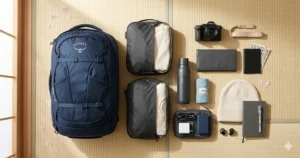
Takkyubin (luggage forwarding) is the secret to a stress-free japan trip guide. For about $15–$20 per bag, your hotel can ship your suitcase to your next destination overnight. This allows you to travel between cities with just a small backpack, avoiding the struggle of fitting large bags onto crowded subways.