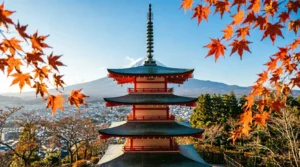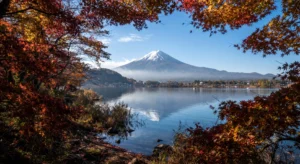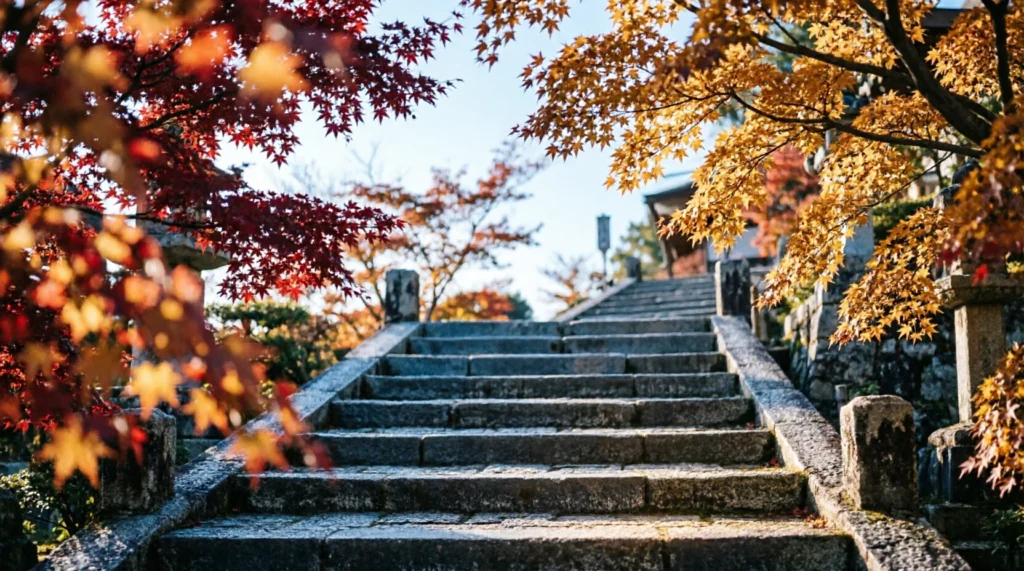
japan in november delivers the most reliable fall foliage window of the year without the humidity of summer or the cold bite of December. Temperatures run 10–18°C across the Kanto and Kansai regions. Rainfall drops to roughly 40mm for the month. You will get clear sightlines, stable daylight hours, and foot traffic that stays 30–40% below April’s cherry blossom surge.
I have tracked the koyo front southward along the Chuo Line every November since 2021. The pattern is mechanical: Tokyo’s ginkgo trees turn uniformly gold between November 15 and 20. Kyoto’s maples peak November 20–25. This post gives you the exact routing, booking windows, transport math, and on-the-ground adjustments required to build a functional November itinerary. You will leave knowing where to go, when the leaves actually turn, and how to navigate the crowds without guessing.
Overview
November sits between Japan’s summer typhoon window and its winter chill. The atmospheric pressure stabilizes after the autumn equinox, which produces dry, high-pressure systems across Honshu. This is not guesswork. The Japan Meteorological Agency’s decade-long averages show November averages 15.4°C in Kyoto and 16.1°C in Tokyo. Daylight runs from 6:15 AM to 4:40 PM. Pack layers that move between outdoor temple courtyards and heavily heated indoor spaces.
visiting japan november requires a shift in pacing compared to spring. Cherry blossom season forces you into tight reservation windows and price surges. Fall spreads the demand. You will find hotel availability in central Tokyo and Kyoto at baseline rates if you book 60 days out. The leaves move predictably from north to south. Start in Sendai or Nikko during the first week of November. Shift to Tokyo mid-month. Close in Kyoto or Nara during the final week. The progression holds across decades. Adjust by 48 hours if a cold front drops temperatures below 5°C before mid-month. Temperature accelerates chlorophyll breakdown.
Booking your accommodations early matters more than your train tickets. (2025–2026 rates — verify before travel). Standard business hotels in Tokyo’s Shinjuku and Otemachi districts run ¥9,000–¥14,000 per night. Traditional ryokan stays in the Arashiyama outskirts or Gion require ¥22,000–¥38,000 per night including two meals. Street food runs ¥600–¥1,100 per meal. Restaurant dinners average ¥2,500–¥4,500. Transport and entry fees add roughly ¥1,500–¥2,000 daily. Budget for a practical baseline of $65–$95 per day excluding international flights.
Key Information
Entry rules for most Western passport holders remain straightforward. Citizens of the US, Canada, UK, EU, Australia, and New Zealand receive 90-day visa-free entry. Bring your passport, a confirmed return ticket, and accommodation details for the first three nights. Immigration officers may ask for your itinerary. Keep it accessible. Verify at [official source] — rules change without notice.
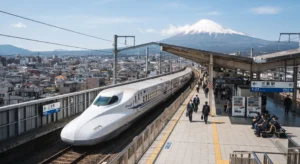
Transport routing in November runs at full capacity, but you will avoid the standing-room crush of spring. The Tokaido Shinkansen runs Tokyo to Shin-Osaka in 2 hours 30 minutes on Nozomi trains. Reserve window seats on the right side for a direct view of Mount Fuji between Mishima and Shin-Fuji stations. The window appears roughly 40 minutes after departure. (Schedules change — confirm before travel). The nationwide JR Pass breaks down at 7 days: ¥29,650. A Tokyo–Kyoto roundtrip costs approximately ¥29,000. The math rarely favors the national pass unless you are adding Hiroshima or Hakodate. Buy point-to-point Suica or Pasmo IC cards for local transit. Load them with ¥5,000–¥8,000 at arrival terminals. They work on trains, buses, and convenience stores.
The most reliable negative in November travel centers on temple crowding in western Kyoto. Arashiyama Bamboo Grove and Kinkaku-ji fill with tour groups between 10:00 AM and 3:00 PM. The bottleneck forms on the main stone path. Step away from the central corridor. Cross the Togetsukyo Bridge and follow the north bank of the Katsura River toward Otagi Nenbutsu-ji temple. The 20-minute walk reduces foot traffic by 60%. Alternatively, book a 6:45 AM entry at Tofuku-ji’s Tsutenkyo Bridge. The morning light hits the valley maples at a 30-degree angle, which produces accurate color contrast without lens flare. Arrive by 7:00 AM. The gates open at 8:30 AM for general admission, but early access permits sell out 30 days prior.
Practical Tips
November demands a specific packing and reservation strategy. Start with footwear. Temple visits involve gravel paths, stone steps, and wooden verandas that require frequent shoe removal. Slip-on sneakers or leather loafers outperform lace-heavy boots. Pack thin merino wool socks. You will remove your shoes 8–12 times daily in smaller shrines and traditional restaurants.
Temperature shifts require modular clothing. Mornings start at 8–10°C. Afternoons climb to 17–18°C. Evenings drop back to 9–11°C. Carry a windproof mid-layer jacket. Leave heavy winter coats at home. Indoor heating in Tokyo department stores and Kyoto temples runs aggressive. You will overheat in 15 minutes if your outerwear does not unzip cleanly.
Reserve restaurant seating 30 days in advance for November dinner slots. The Michelin guide drops in early November, which triggers immediate booking spikes for listed locations. Smaller izakaya and soba shops operate on walk-in basis. Queue formation starts at 5:30 PM in Kyoto’s Kiyamachi district. Join the line. Waiting 40 minutes secures a seat without a reservation fee.
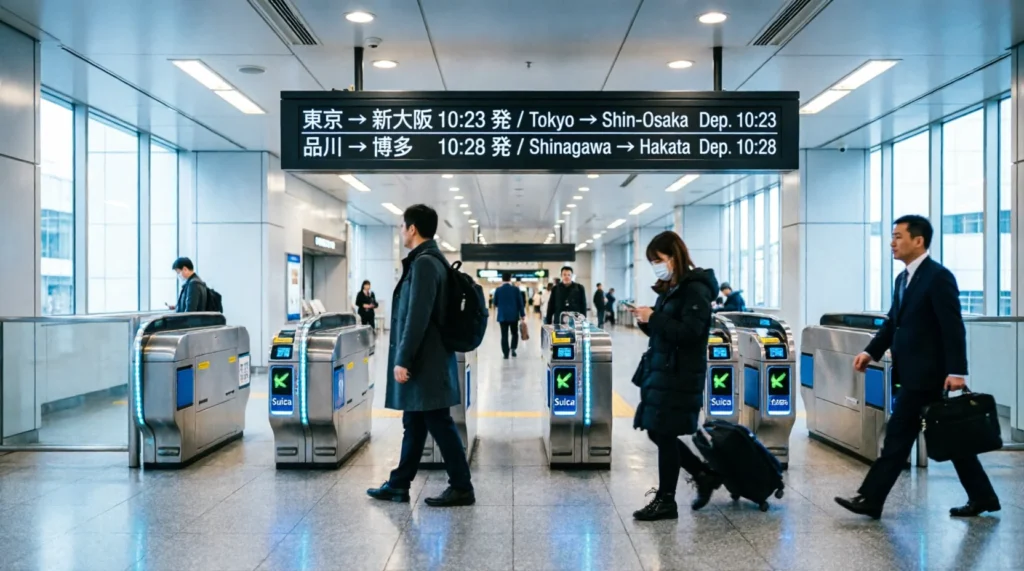
IC card logistics simplify November routing. The nationwide rollout of IC interoperability means your Suica, Pasmo, or ICOCA works in every major city. Load cash at 7-Eleven ATMs or station green windows. Keep the card near your phone or wallet’s top compartment. You will scan it 12–18 times daily. Tap precisely. Scanning hesitation delays the gate for the person behind you. The system runs on synchronized movement. Respect the flow.
Recommendations
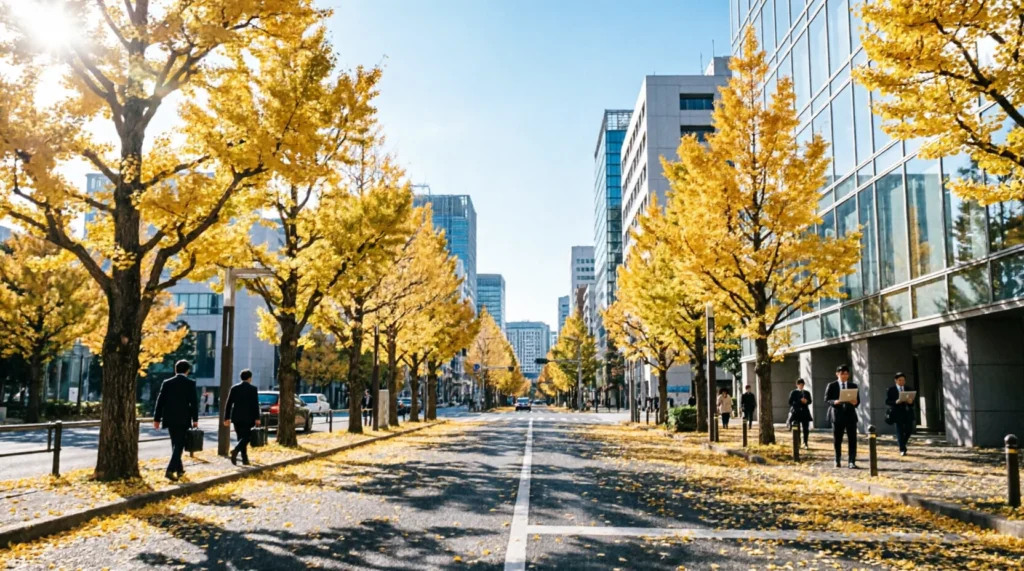
A functional 9-day routing for visiting japan november moves south with the leaf front while minimizing backtracking. Fly into Tokyo Narita or Haneda. Spend nights 1–3 in Tokyo. Base yourself in the Ginza or Nihonbashi district. Both sit on multiple subway lines and keep you out of the Shinjuku pedestrian surge. Day 2 covers the Meiji Jingu Gaien ginkgo avenue. The trees turn uniformly yellow around November 12–16. Walk the path at 7:00 AM. The avenue clears by 9:30 AM as tour buses arrive.
Shift to Hakone on day 4. Take the Romancecar train from Shinjuku at 9:15 AM. Arrive by 11:00 AM. The mountain air drops 4°C below Tokyo baseline. Book a ryokan with a private outdoor bath. The November humidity stays low, which makes open-air soaking comfortable. Day 5 moves you to Kyoto via the Hikari Shinkansen from Odawara. Total transit time: 3 hours 15 minutes including Hakone local transfers.
Spend nights 5–7 in Kyoto. Base yourself near Karasuma Oike Station. You gain access to two subway lines and bypass the crowded Kyoto Station corridor. Day 5 covers Philosopher’s Path. The canal maples peak between November 18 and 22. Day 6 covers Higashiyama. Route from Kiyomizu-dera down to Maruyama Park. Stop at Kodai-ji temple for evening illumination shows. The 2025–2026 projection runs November 15 through December 5. (Schedules change — confirm before travel). Day 7 covers Nara. Take the Kintetsu Limited Express from Kyoto Station at 8:30 AM. Arrive by 9:10 AM. The deer park clears early. The temple circuit at Kofuku-ji and Todai-ji runs efficiently before 11:00 AM.
Return to Osaka for nights 8–9. The Dotonbori and Shinsaibashi districts operate late. November dinner reservations at local sushi counters run ¥3,500–¥6,000 per person for omakase. Book through hotel concierges 45 days out. The final transit out runs from Kansai International Airport. The Haruka Express reaches the terminal in 75 minutes. (2025–2026 rates — verify before travel).
This routing minimizes hotel swaps, aligns with the actual koyo progression, and places you in neighborhoods that absorb foot traffic efficiently. Adjust by 48 hours if regional weather shifts the leaf schedule. Monitor the Japan Meteorological Agency’s color forecast weekly starting October 25.
Frequently Asked Questions About Japan in November
How accurate is the autumn leaf forecast?
The Japan Meteorological Agency updates koyo progression weekly starting late September. Accuracy holds within a 3-day window for urban centers. Mountain elevations shift 4–5 days earlier. Check the official Kanto and Kansai regional pages every Tuesday for revised projections.
Do temples charge extra for November illumination shows?
Yes. Evening entry runs ¥1,000–¥1,500 per person compared to ¥500–¥800 for daytime admission. The illumination period runs November 15 through early December at Kodai-ji, Kiyomizu-dera, and Nanzen-ji. Purchase tickets on-site or through official temple booking portals 14 days in advance.
Can I see snow in Japan in November?
No. Honshu’s lowland regions remain snow-free through December. Light flurries occasionally fall in Nikko and Hakone’s upper elevations during late November cold snaps. Ground accumulation does not occur in Tokyo, Kyoto, or Osaka until late January.
What time does public transportation start running in November?
First trains depart between 5:00 AM and 5:30 AM in Tokyo and Osaka. Kyoto’s subway opens at 5:45 AM. Last trains run between 11:45 PM and 12:15 AM. Night buses fill the gap until 5:00 AM. Keep a backup taxi app installed for late returns from temple districts.
Are ATMs accessible for international cards in November?
Yes. 7-Eleven, Lawson, and FamilyMart ATMs accept Visa, Mastercard, and UnionPay 24 hours daily. Japan Post Bank ATMs operate until 7:00 PM in central branches. Carry ¥10,000 in cash for rural temple donations, small restaurants, and onsen entry fees. Card terminals are not universal outside major transit hubs.
CONTINUE EXPLORING
- Japan travel guide and complete routing strategies → Expand your November framework with full-country transit maps, regional IC card coverage, and long-stay neighborhood selection criteria.
- Tokyo seasonal dining and winter reservation protocols → Transition into December and January dining windows, including year-end kaiseki booking rules and street food availability shifts.