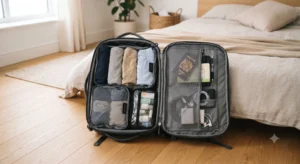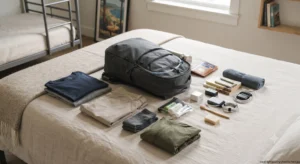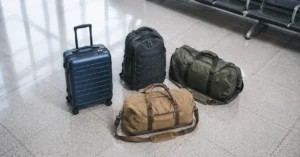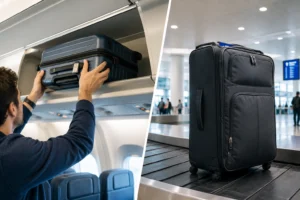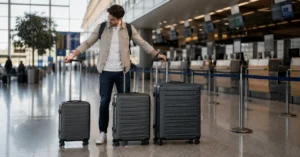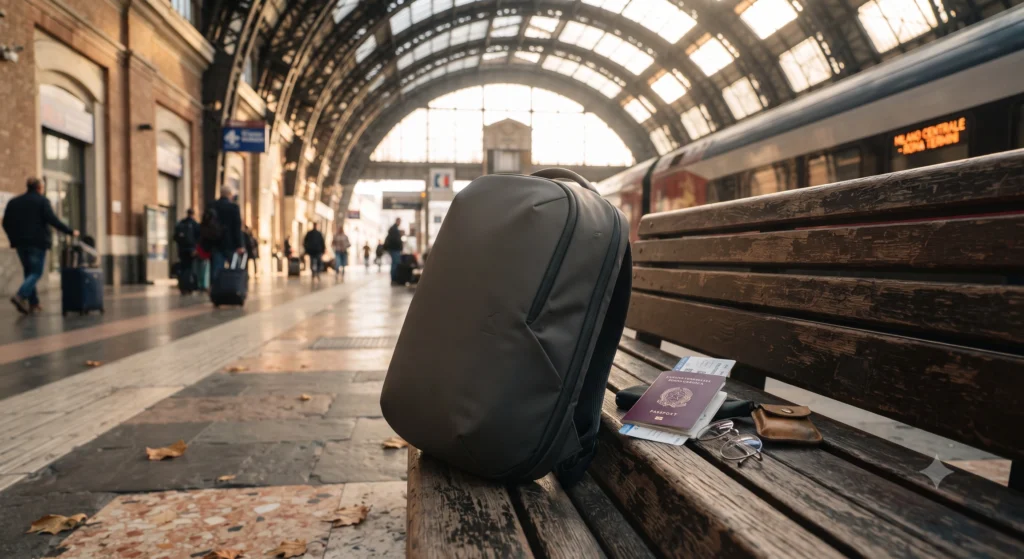
Yes, absolutely. Trading a checked behemoth for a single overhead-compliant bag changes your entire travel experience from a logistical logistical marathon into an agile adventure.
- Who should do it: Anyone changing locations more than twice, taking regional flights, or navigating historic cities with cobblestones, stairs, and narrow transit corridors.
- Who should skip it: Travellers with strict professional costume requirements (e.g., multi-day gala attendance, formal business conferences), medical equipment needs, or those who prefer private door-to-door car transfers everywhere.
- Biggest trade-off: You will wash clothes in a sink or drop them at a local laundry service every 5 to 7 days, and you must accept wearing the same rotation of clothes in your photos.
Quick Facts
| Information | Details |
| Ideal Bag Size | 30L to 40L (Maximum carry-on limits) |
| The Magic Rule | Pack for 7 days, regardless of trip length |
| Biggest Trap | “Just-in-case” items and excess footwear |
| Primary Skill | Embracing sink-wash or local laundromats |
| Financial Benefit | Zero checked baggage fees, no lost luggage risk |
What Packing Light Is Actually Like
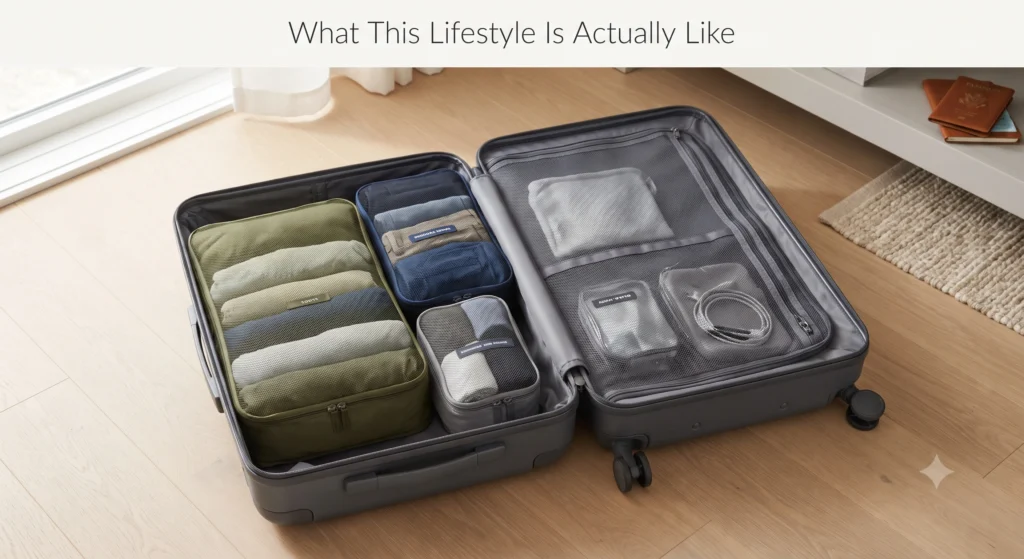
The biggest misconception about packing light for a two-month or six-month journey is that you are constantly running out of things to wear. The reality is far more mundane: you wear the exact same rotation of clothes you wear at home during a typical week, just adjusted for climate.
When you travel light, the psychological weight lifts long before you clear security. There is no standing at baggage carousels watching bags circle for twenty minutes while wondering if yours got routed to a different hemisphere. There is no dragging a 25-kilogram rolling suitcase up four flights of unlit European stairwells because the boutique hotel’s elevator is broken.
Instead, you move at the speed of transit. You catch the subway without breaking a sweat, slide your bag under your seat on a crowded train, and step out onto the pavement ready to explore immediately.
The frustration is minor—accepting that you will hand-wash a pair of socks in a hotel sink or drop a small bag of laundry off at a corner shop once a week. Once you accept that chore as a routine part of travel rather than an interruption, the lifestyle becomes addictive.
The Capsule Wardrobe Reality: What Actually Matters
Most packing lists fail because they treat travel as a fashion runway where every day requires a unique aesthetic statement. Real travel is messy, active, and repetitive.
To survive months on the road out of a single bag, your wardrobe must follow the rule of interchangeable modularity. Every top must match every bottom.
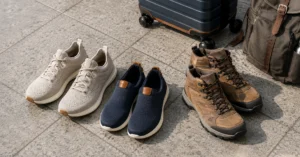
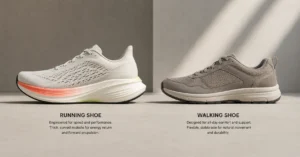
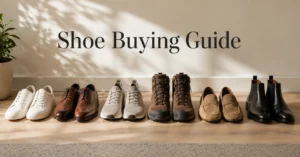
- The Shoe Trap (Bring 2, Max 3): Shoes are the heaviest, bulkiest items in any luggage ecosystem. Never pack three pairs of shoes for “different occasions.” Pack one pair of comfortable walking shoes you wear on the plane, one lightweight pair of sandals or casual slip-ons, and—if your destination demands it—a specialized pair for hiking or formal dining. That is it.
- Fabric Selection Over Brand Names: Avoid 100% heavy cotton for everything. Merino wool and synthetic performance blends dry overnight, resist odors for days, and weigh a fraction of traditional fabrics. A single merino t-shirt can be worn three days in a row without retaining body odor, drastically cutting down your total item count.
The Logistics of Movement: Trains, Planes, and Cobblestones

The true test of a packing list happens fifty meters outside a transit station.
Rolling suitcases are brilliant on smooth airport linoleum and modern asphalt. They become absolute liabilities on historic European cobblestones, ancient dirt paths in Southeast Asia, gravel driveways, or snowy pavements. The small wheels jam, the plastic handles rattle, and lifting them over turnstiles or onto packed commuter trains turns into a physical ordeal.
A well-fitted 35-liter backpack distributes weight across your spine and hips, keeping your hands completely free. You can climb stairs, slip through narrow train aisles without smashing into passengers, and board crowded buses without causing a traffic jam in the doorway. If you are taking regional budget airlines in Europe or Asia, keeping your bag under standard carry-on dimensions shields you from predatory gate-check fees that often exceed the cost of the ticket itself.
What To Skip and What To Do Instead
Travellers sabotage their own luggage capacity by packing for their fantasies rather than their realities. Here are the choices you should immediately eliminate:
- Skip: Full-size styling tools (hair dryers, straighteners).
- Do Instead: Use what the accommodation provides, or embrace natural hair textures. If styling is non-negotiable, buy a compact dual-voltage travel mini tool or accept that humidity will win anyway.
- Skip: The “formal event” outfit packed just in case you stumble into an upscale gala.
- Do Instead: Bring one versatile, lightweight piece (like a smart dark layer or a simple dress) that pairs with your walking shoes. If a truly black-tie event arises, you can improvise or rent locally—though 99% of travellers never face this scenario.
- Skip: Heavy guidebooks and physical paper novels.
- Do Instead: Digitize your reading with an e-reader and rely on offline maps or lightweight digital guides. Weight accumulates in small increments until your shoulders pay the price.
- Skip: Umbrella.
- Do Instead: Buy a cheap, disposable poncho on arrival if it rains, or rely on a lightweight packable rain shell that doubles as a windbreaker.
Final Recommendation
Packing light is not a badge of honor or an aesthetic challenge for social media; it is a tool for logistical sanity.
If your travel style involves unpacking in a single luxury resort for two weeks and taking private airport transfers, a massive suitcase won’t hurt you. But if your trip involves multiple destinations, public transit, walking through historic neighborhoods, or the desire for ultimate flexibility, downsize immediately.
Pack for seven days, embrace the local laundromat, leave the “just in case” items at home, and buy your freedom one kilogram at a time.
FAQ
Is a 40L backpack really enough for a multi-month trip?
Yes. Whether you are travelling for two weeks or six months, you wash clothes at the same interval (every 5 to 7 days). The volume of clothing required for a week is identical to the volume required for a year, provided you maintain access to laundry facilities along your route.
What do I do about heavy winter coats when packing light?
Wear your bulkiest items—your heaviest jacket, boots, and thickest sweater—on the flight. Planes are notoriously cold anyway, and wearing your heavy gear through security eliminates the single biggest space-wasting obstacle in your bag.
How do I handle laundry while staying in hostels or hotels?
Look for accommodations with guest washing machines, or use local wash-and-fold services found in nearly every city worldwide (often costing less than $10–$15 per load). For undergarments and socks, a quick five-minute sink wash with travel soap liquid keeps you going between full loads.
Won’t people notice if I wear the same clothes in all my photos?
Strangers on the street will never notice, and the people back home looking at your photos care about where you are, not whether your jacket changed. If variety is deeply important to you, vary your accessories, scarves, or hats rather than packing entirely separate outfits.