Building a wardrobe shouldn’t feel like solving a puzzle with missing pieces.
Yet that’s exactly where most people start. They buy a shirt because it’s on sale. Then a pair of shoes because someone recommended them. Then another jacket because the first one didn’t work with anything else they own. Six months later, the closet is full, getting dressed still takes too long, and half the purchases rarely leave the hanger.
The problem usually isn’t spending too little. It’s buying without a system.
A wardrobe that works isn’t the one with the most clothes. It’s the one where most items work together, fit properly, survive regular wear, and suit your actual lifestyle. Someone working in an office five days a week needs a different wardrobe from someone working remotely. Someone living in Singapore needs different fabrics than someone living in Canada.
This clothing buying guide is designed for first-timers who want a practical framework rather than fashion jargon. You’ll learn what to buy first, what to avoid, how much to spend, and how to build a wardrobe that works for years rather than weeks.
Quick Overview: The Five Things Every Clothing Purchase Must Pass
Before buying any clothing item, run it through these five checks.
| Factor | What to Check | Why It Matters |
|---|---|---|
| Fit | Shoulders, waist, length, mobility | Poor fit ruins expensive clothing |
| Fabric | Material composition and weight | Determines comfort and lifespan |
| Use Case | Where you’ll actually wear it | Prevents unused purchases |
| Maintenance | Washing and care requirements | Affects long-term ownership |
| Value | Cost per wear | Better indicator than price alone |
The biggest mistake beginners make is focusing on style before fit.
A $30 shirt that fits perfectly will almost always look better than a $300 shirt with shoulder seams hanging halfway down your arms. Clothing works from the body outward. Everything starts there.
What a Good Wardrobe Rewards — And What It Punishes
A functional wardrobe rewards consistency.
When most pieces work together, getting dressed becomes automatic. You spend less time deciding and less money correcting previous purchases. The benefits compound over time.
Poor wardrobes punish impulse buying.
Many people own three black jackets and no versatile trousers. Others have ten graphic T-shirts but nothing suitable for a dinner reservation or work meeting. The issue isn’t quantity. It’s imbalance.
One of the easiest ways to spot wardrobe imbalance is to count unworn items. If something hasn’t been worn in twelve months, it probably solved a fantasy problem rather than a real one.
That realization is uncomfortable. It’s also useful.
The goal isn’t maximum variety. The goal is maximum usefulness.
What to Know Before You Buy Any Clothing
Start with your lifestyle.
Write down where your clothes need to perform during a normal month. Work. Social events. Travel. Exercise. Daily errands.
Most first-time wardrobe builders skip this step and immediately start shopping.
Don’t.
A person working from home may spend 70% of their clothing budget on pieces that support everyday comfort. Someone attending client meetings three times a week may need structured shirts, trousers, and shoes before buying casual pieces.
Then look at climate.
Fabric matters more than many people realize.
Cotton
Cotton remains one of the easiest fabrics for beginners.
It is breathable, relatively affordable, easy to wash, and available across nearly every price tier. Standard cotton T-shirts generally work well in mild and warm climates.
Limitation: Cotton absorbs moisture and dries slowly.
Linen
Linen performs exceptionally well in hot weather.
A quality linen shirt allows significantly more airflow than most cotton alternatives. It wrinkles quickly, but that’s part of the fabric’s character rather than a flaw.
Best for:
- Hot climates
- Summer travel
- Casual and smart-casual wear
Wool
Many people think wool is only for winter.
That’s incorrect.
Merino wool can regulate temperature effectively across multiple seasons. Lightweight merino shirts often resist odor better than cotton and pack exceptionally well for travel.
Limitation: Higher cost and more careful washing requirements.
Synthetic Fabrics
Polyester, nylon, and performance blends dominate activewear.
They dry quickly, resist shrinking, and often outperform natural fabrics during exercise.
Limitation: Lower breathability and potential odor retention over time.
The Experiences Worth Building Your Wardrobe Around
Forget trends.
Build around situations.
The most practical wardrobes usually cover four categories:
Everyday Clothing
This category handles most wear.
Think:
- Well-fitting T-shirts
- Casual shirts
- Dark jeans
- Chinos
- Lightweight outerwear
These pieces should receive the highest budget allocation because they’ll generate the most wears.
Work Clothing
Requirements vary dramatically.
Some workplaces require tailoring. Others allow premium casual clothing.
Buy only what your environment actually demands.
Not what social media suggests it demands.
Travel Clothing
Travel exposes weaknesses quickly.
A shirt that wrinkles badly after two hours in a backpack becomes frustrating after a week-long trip.
Look for:
- Easy-care fabrics
- Neutral colors
- Layering compatibility
- Fast drying materials
Special Occasion Clothing
This category often receives too much budget.
A suit worn twice annually shouldn’t consume the same spending as clothes worn twice weekly.
Match spending to frequency of use.
Where Most First-Timers Waste Money
The most expensive clothing mistake isn’t buying expensive clothing.
It’s buying too much too early.
A common pattern looks like this:
Week one:
- Five shirts
- Three jackets
- Four pairs of shoes
Month three:
Half of them remain unworn.
Instead, build slowly.
Purchase one category at a time and wear it extensively before adding more.
You’ll learn:
- Preferred fits
- Fabric preferences
- Maintenance tolerance
- Real lifestyle requirements
And those lessons are worth far more than another sale purchase.
How to Build a Wardrobe in the Right Order
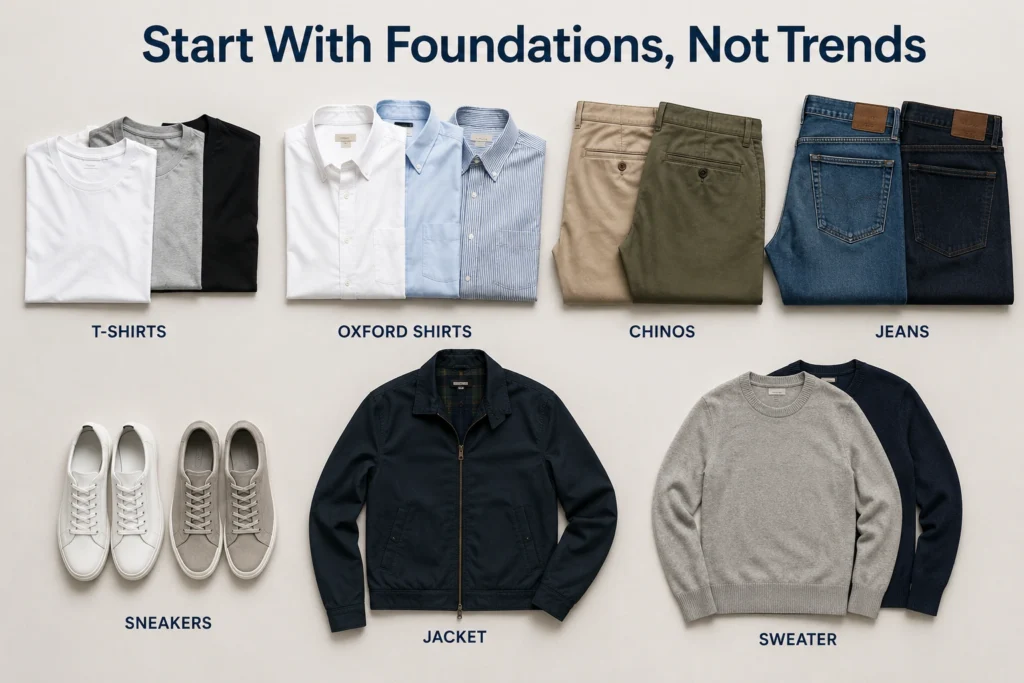
The order matters.
Start with foundations before specialty items.
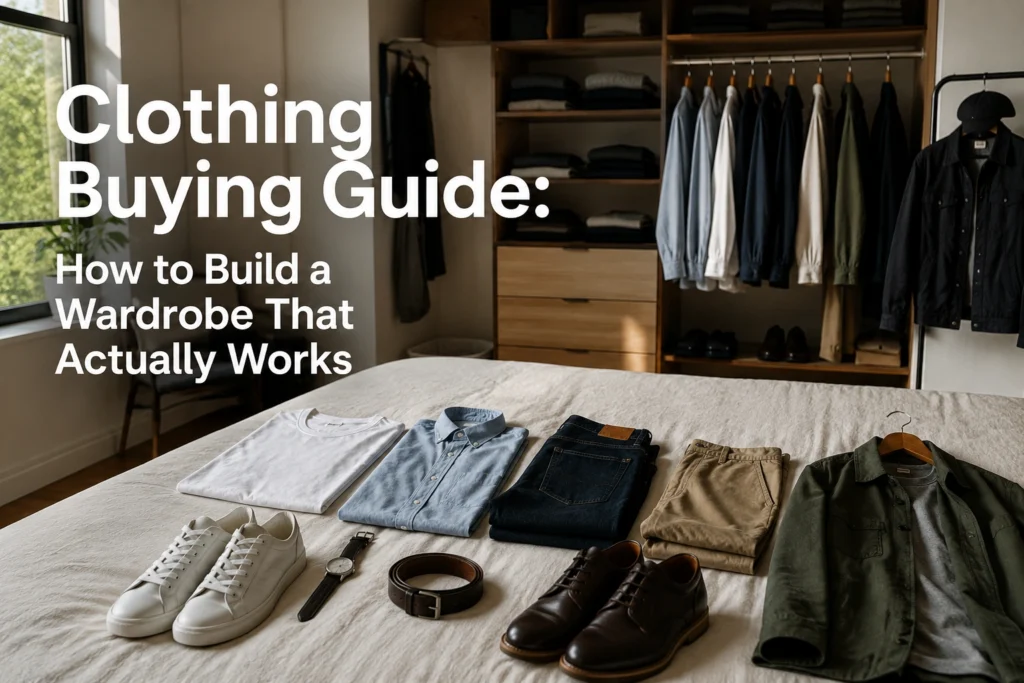
Step 1: Buy Everyday Basics
Begin with:
- 5–7 T-shirts
- 2–3 casual shirts
- 2 pairs of jeans
- 2 pairs of chinos
- 1 lightweight jacket
Neutral colors make mixing easier.
Navy, grey, white, olive, and black work for most people.
Step 2: Add Footwear
Most wardrobes function well with:
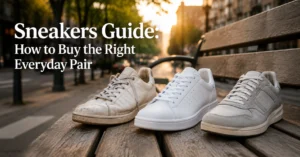
- Clean white sneakers
- Casual leather shoes or boots
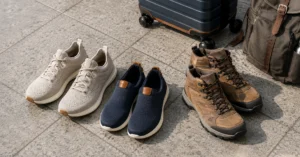
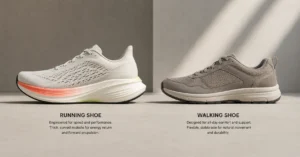
- Athletic shoes
Three pairs cover most situations.
Not ten.
Step 3: Add Layering Pieces
Layering creates variety without requiring large wardrobes.
Examples include:
- Overshirts
- Cardigans
- Lightweight sweaters
- Casual jackets
A single overshirt often creates more outfit combinations than three additional T-shirts.
Step 4: Fill Lifestyle Gaps
Only after regular use should you identify missing categories.
Maybe you need:
- Travel clothing
- Formalwear
- Outdoor gear
- Seasonal pieces
Let experience reveal gaps.
Don’t guess.
What It Actually Costs: Three Budget Tiers
| Tier | Budget | What It Gets You |
| Budget | $300–600 | Functional starter wardrobe |
| Mid-Range | $800–1,500 | Better fabrics, improved durability |
| Worth-the-Splurge | $2,000+ | Premium materials and construction |
(2025–2026 rates — verify before purchase)
Budget Tier
Focus on fit.
A perfectly fitted budget garment usually outperforms a poorly fitted premium one.
Expect:
- Cotton basics
- Entry-level denim
- Synthetic outerwear
Mid-Range Tier
This is where value often peaks.
You’ll find:
- Better fabric weights
- Improved stitching
- More consistent sizing
- Better durability
For many buyers, this tier represents the sweet spot.
Worth-the-Splurge Tier
Premium pricing should deliver measurable benefits.
Examples:
- Full-grain leather
- High-quality merino wool
- Premium Japanese denim
- Better construction methods
Higher prices without better materials aren’t value.
They’re marketing.
Common Clothing Buying Mistakes — And What to Do Instead
Buying the Wrong Size
Many people wear clothing one size too large.
A shirt should follow your shape without restricting movement.
When trying on clothing:
- Raise your arms
- Sit down
- Walk around
Movement reveals problems quickly.
Ignoring Fabric Labels
Always check composition.
A shirt that looks identical online may perform completely differently because of fabric choice.
Shopping Only During Sales
Discounts can create false urgency.
A bad purchase at 50% off remains a bad purchase.
Buying for a Future Version of Yourself
This happens constantly.
People buy clothes for lifestyles they don’t actually live.
Buy for today’s reality.
Adjust later if life changes.
Prioritizing Trends Over Function
Trends move quickly.
Fit, fabric, and versatility last longer.
Choose accordingly.
Clothing Recommendations for First-Time Wardrobe Builders
If you’re starting from scratch, prioritize versatility.
Best Starter T-Shirt
Material:
- 100% cotton
- Mid-weight fabric
Fit:
- Regular fit
Use:
- Everyday wear
Maintenance:
- Machine washable
Best Starter Shirt
Material:
- Oxford cotton
Fit:
- Regular or slim depending on body shape
Use:
- Casual and business-casual settings
Maintenance:
- Easy ironing
Best Starter Trousers
Material:
- Cotton twill chinos
Fit:
- Straight or tapered
Use:
- Work, travel, social settings
Maintenance:
- Machine washable
Best Starter Jacket
Material:
- Cotton or lightweight synthetic blend
Fit:
- Room for layering
Use:
- Three-season wear
Maintenance:
- Low maintenance
These categories provide more flexibility than highly specialized fashion purchases.
Frequently Asked Questions About Clothing Buying
How many clothes does a beginner actually need?
Most people can function comfortably with 25–40 core wardrobe pieces excluding underwear, sleepwear, and athletic clothing. The exact number matters less than versatility. A smaller wardrobe with interchangeable pieces usually performs better than a larger collection of disconnected items.
What fabric should beginners choose first?
Cotton is usually the safest starting point. It’s affordable, breathable, easy to maintain, and available across nearly every clothing category. As experience grows, adding linen, wool, and performance fabrics becomes easier.
Should I buy cheap clothes or save for better ones?
Focus on fit first, quality second. A well-fitting affordable garment often delivers more value than an expensive piece with poor proportions. Once fit preferences become clear, upgrading quality becomes easier and safer.
How often should I replace clothing?
Replacement depends on wear frequency rather than age. Everyday basics may need replacement after one to three years of heavy use, while occasional pieces can last significantly longer with proper care.
What’s the biggest mistake first-time buyers make?
Buying too much too quickly. Most wardrobe problems come from excessive purchasing before understanding personal preferences, fit requirements, and real lifestyle needs.
Continue Exploring
- Complete Fashion Buying Guide: If clothing is only one part of your shopping plan, this guide expands into shoes, bags, luggage, and accessories with the same practical framework.
- Building a Smarter Fashion Budget: Understanding where to spend and where to save helps every clothing purchase work harder over time.