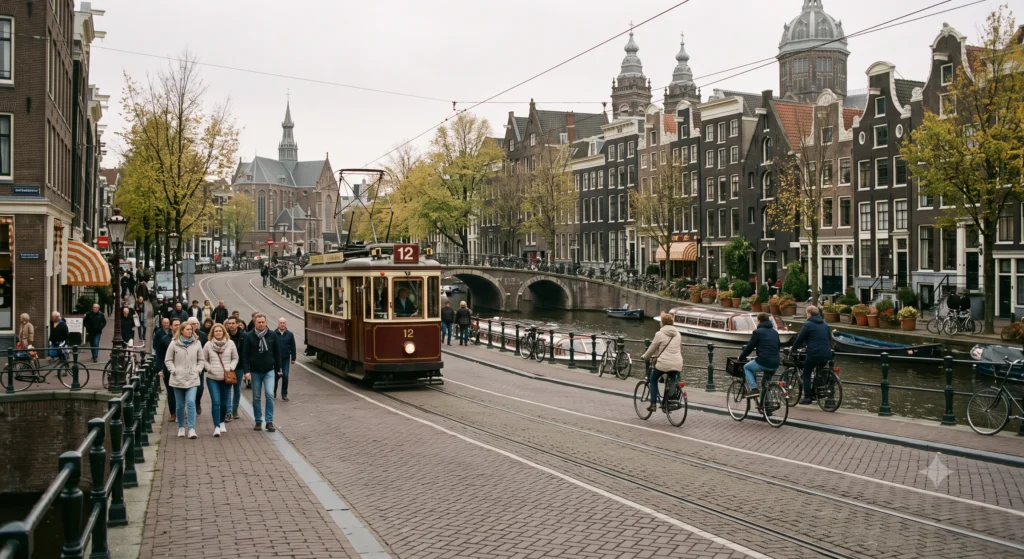
Europe is not one destination. It is a continent of fast train links, wildly different prices, and trip styles that can change completely from one border to the next. That is what makes it exciting, but also what makes it easy to plan badly.books.google+1
The most common mistake is assuming Europe is one neat, interchangeable experience. In reality, the trip feels different depending on whether you are chasing museums, beaches, alpine scenery, food, or a multi-country rail route. If you understand that before booking, you are already ahead of most first-time visitors.books.google+1
Quick Verdict: Is Europe Worth It?
Yes, Europe is worth it for travellers who want variety, strong transport connections, and the chance to combine culture, food, history, and scenery in one trip. It is especially good for people who enjoy moving around and comparing places rather than staying in one resort-style destination.books.
It is less ideal for travellers who want the cheapest possible holiday or a trip with very little planning. The biggest trade-off is that Europe rewards smart timing and realistic routing; otherwise, it can feel expensive, crowded, and rushed.books.
Quick Facts
| Information | Details |
|---|---|
| Best time | Shoulder seasons are usually the best balance of weather, crowds, and value books. |
| Budget | Costs vary sharply by country and season, with peak summer usually more expensive books. |
| Best style | City breaks, rail trips, beach routes, food trips, and mixed itineraries |
| Transport | Trains, ferries, and short flights make multi-stop travel practical. |
| Best fit | Travellers who want flexibility and variety books. |
What Makes It Worth Your Time
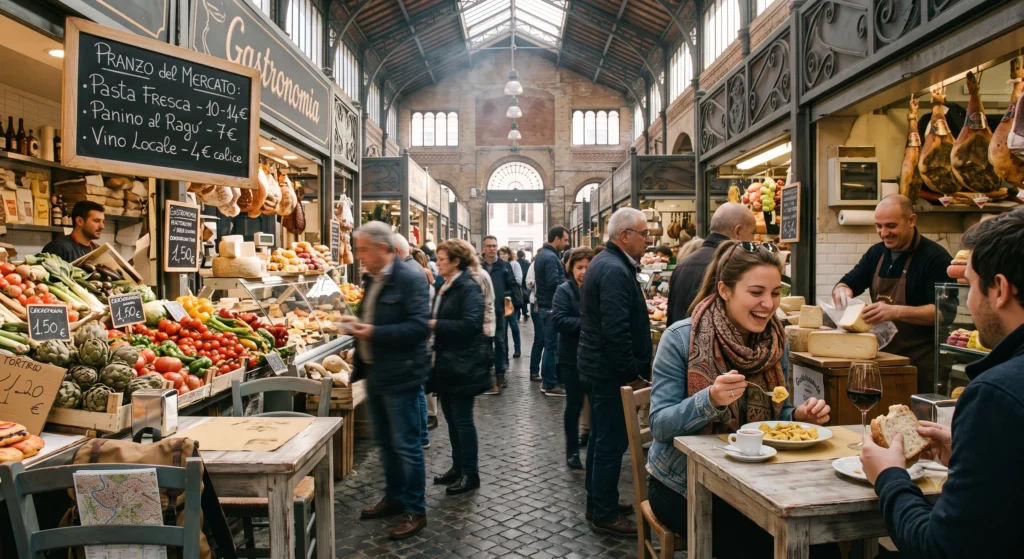
Europe is worth the effort because it gives you real range without requiring long-haul complexity between every stop. You can move from museums to coastlines to mountains faster than in most continents, which is why so many itineraries feel packed but still manageable.
The strongest trips usually have a clear theme. A food-focused trip, a history-heavy route, or a slow rail journey often feels more satisfying than trying to “do Europe” in one sweep. That matters because the continent is full of famous places, but not all of them deserve equal time.
Another reason Europe works so well is that the travel experience changes by season. Summer can be lively and photogenic, while shoulder season often gives you a better balance of comfort and cost. That flexibility makes Europe one of the easiest places to tailor to your budget and energy level.
Best Time To Go
Lonely Planet’s Europe planning materials emphasize that the continent shines throughout the year, but the right time depends on budget and what you want to do. That is the right way to think about it.books.\
Spring and autumn are usually the safest bets for most travellers because they soften the crowds and often improve value. Summer still makes sense for beaches, festivals, and school-holiday trips, but it is the easiest time to overspend and overbook.books.\
Winter is not a bad choice if your plan is urban, cultural, or Christmas-market-focused. It can be a smart way to save money, provided you accept colder weather and shorter daylight hours in many places.
Getting Around
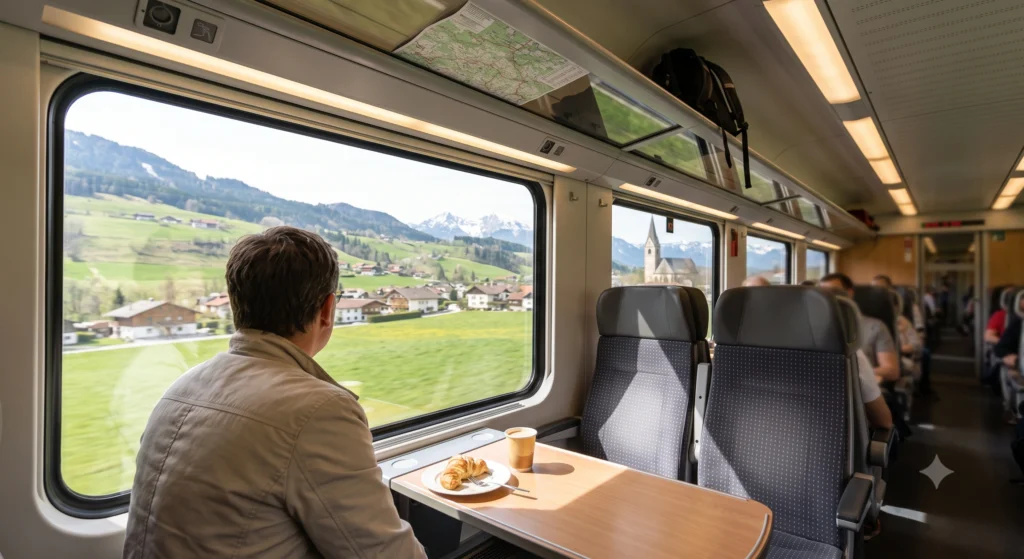
Getting around Europe is one of its biggest strengths. Lonely Planet highlights how quickly you can move between destinations by train, ferry, or short flight, which makes mixed-country itineraries very practical. That convenience is a major reason Europe remains so popular for first-time international travel.
Still, fast transport can tempt travellers into overplanning. Just because you can reach another city quickly does not mean you should add it. A better trip usually means fewer stops, more time in each place, and less energy spent on platforms, airports, and hotel check-ins.
For most travellers, rail is the best way to keep the trip relaxed in regions where connections are strong. In other cases, short flights can make sense, but the real goal is not speed alone; it is preserving your time and avoiding a route that feels like constant transit.
What It Really Costs
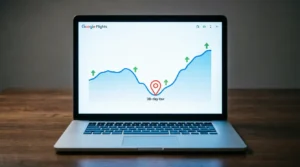
Europe can be affordable or expensive depending on where and when you go. That sounds obvious, but it is the main lesson many travellers ignore until prices rise during peak dates.
If you want a better-value trip, shoulder season is usually the smartest compromise because it often reduces crowd pressure and helps with overall trip cost. Budget trips also work better when you choose one region instead of crossing multiple expensive cities too quickly.
The expensive version of Europe is easy to create accidentally: famous cities, peak summer, too many transfers, and central hotel locations booked late. The cheaper version is more realistic: one region, slower pace, shoulder-season timing, and more attention to local transport.books.
What To Skip
Skip the idea that a Europe trip must include as many countries as possible. That style often looks impressive on paper and feels exhausting in practice. The continent is better when you leave room for slower days.
Also skip famous places purely because they are famous. Lonely Planet’s own content frames Europe as a continent of hidden discoveries and varied trip styles, which is a better planning mindset than chasing a checklist. Many travellers enjoy the popular spots, but the smarter move is to ask whether the place fits your interests, budget, and season.
Another thing to skip is the assumption that every month works equally well for every destination. Europe is broad enough that weather, crowd levels, and seasonal costs matter a lot, so one trip plan cannot suit every region.books.
Better Alternatives
If your budget is tight, pick one country or one small cluster of destinations instead of trying to cover the continent. That creates a better balance between time, money, and actual enjoyment.
If you want comfort without paying top summer rates, travel in shoulder season and choose cities or regions with strong rail connections. If you want a beach holiday, target coastal areas specifically instead of building a general Europe itinerary and hoping the weather works out.
If you care most about atmosphere, food, or history, build the trip around that single priority. Europe is strongest when it is specific, not vague.
Final Recommendation
Europe is absolutely worth booking, but only if you plan it with discipline. It suits travellers who want variety, culture, good transport links, and the freedom to shape the trip around a clear theme.books.
It is not the best choice for anyone who wants to see everything at once or assumes famous places will automatically be the best value. The smartest Europe trip is usually smaller, slower, and timed for better weather and better prices.books.
FAQ
Is Europe expensive to visit?
It can be, especially in peak season and in famous cities. Costs vary widely by country and month, so the best approach is to choose your route carefully and avoid assuming one Europe budget fits all.
When is the best time to visit Europe?
For most travellers, shoulder season is the safest answer because it often gives a better balance of weather, crowds, and value. Europe is year-round, but the right month depends on whether you want beaches, cities, or winter travel.
Should I visit multiple countries on one trip?
Yes, but only if you keep the route realistic. Europe’s transport links make multi-country travel easy, but too many stops quickly turn a vacation into a transfer schedule.
What kind of traveller gets the most out of Europe?
Travellers who enjoy choice do best here. Europe works especially well for people who want to mix food, history, scenery, and city time without committing to one single travel style.books.google+1