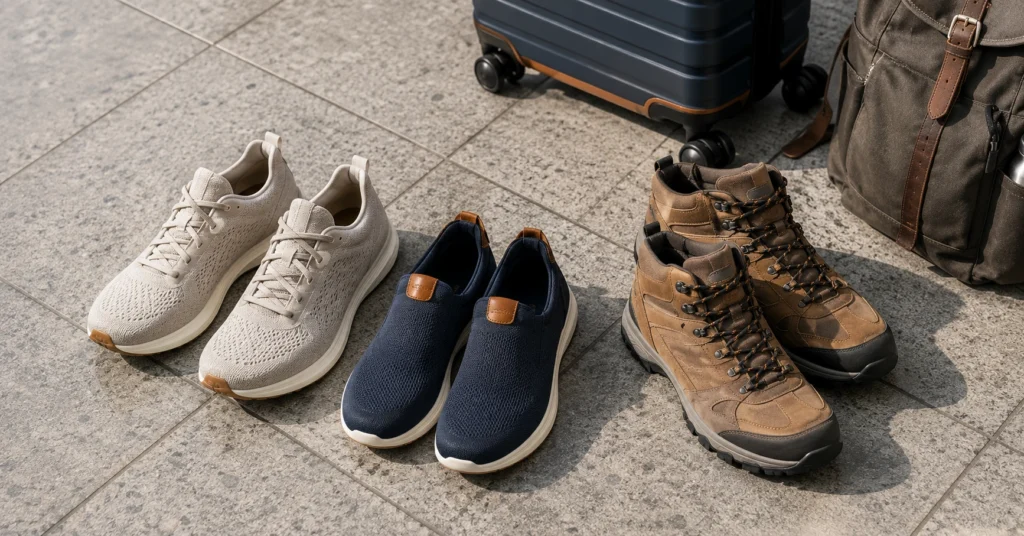
Your feet swell by half a size during a long-haul flight. That pair of shoes that fit perfectly at home will pinch by the time you land in Rome. I learned this after day three in Barcelona, when blisters turned every block into a negotiation. The shoes looked right in the store. They felt fine for the twenty-minute test walk. But eight hours of cobblestones and museum floors exposed what the salesperson didn’t mention: zero arch support and a break-in period I didn’t have.
Best travel shoes aren’t about finding the perfect pair. They’re about matching the right shoe to your specific trip — city walking versus mountain trails, summer heat versus winter rain, two weeks versus two months. This guide breaks down what actually matters: materials that breathe, cushioning that lasts, and prices that reflect real value. You’ll learn which shoes survive daily wear, which ones die after six months, and what to avoid entirely.
Quick Facts: Travel Shoes at a Glance
| Factor | What to Know |
|---|---|
| Break-in period | 2–3 weeks minimum; wear 30–60 min daily before travel |
| Sizing | Size up by half; feet swell during flights and long walking days |
| Weight limit | Keep each shoe under 400g (14 oz) to reduce fatigue |
| Price sweet spot | $120–$150 delivers best durability-to-cost ratio |
| Material priority | Full-grain leather or technical synthetic uppers; avoid mesh for mixed terrain |
| Replacement timeline | Replace after 500–800 km (300–500 miles) of walking |
| Pack limit | Maximum 2 pairs for trips under 2 weeks; 3 pairs for longer trips |
(2025–2026 rates — verify before travel)
What Travel Actually Does to Your Feet (And Your Shoes)
Travel punishes shoes in ways daily wear never does. You’re not just walking more — you’re walking on surfaces your shoes weren’t designed for, carrying extra weight in your pack, and dealing with climate shifts that warp materials.
Cobblestones in Prague flex shoes laterally in ways pavement never does. Sand and salt water corrode adhesives. Humidity in Southeast Asia breaks down foam cushioning twice as fast as dry climates. After two weeks in monsoon season, I watched the sole of a $160 shoe delaminate because the manufacturer used water-based glue instead of solvent-based.
The honest truth: most shoes sold as “travel shoes” are just marketing. What matters isn’t the label — it’s construction quality, material choice, and whether the shoe matches your actual itinerary.
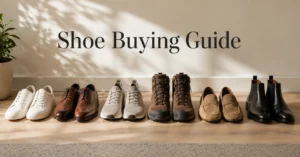
The Four Types of Travel Shoes (And Which One You Need)
Not every trip needs the same shoe. A weekend in Copenhagen demands different footwear than trekking in Patagonia. Here’s what each type actually does.
Walking Sneakers
Best for: City breaks, museum-heavy itineraries, paved surfaces, day trips on maintained trails
What they do: Walking sneakers prioritize cushioning and all-day comfort on flat or gently sloped surfaces. They’re lighter than boots, more supportive than running shoes, and designed for 15,000+ step days.
Material reality: Look for full-grain leather or dense synthetic uppers. Mesh breathes well but tears on rough surfaces and offers zero water resistance. A leather walking sneaker costs $20–$40 more upfront but lasts three times longer.
Fit profile: Snug heel, roomy toe box (thumb’s width of space), medium arch support. Your heel shouldn’t slip when walking downhill.
Price range: $90–$180
Maintenance: Wipe clean after wet days; condition leather every 3–4 months; replace insoles every 6 months
Real limitation: Poor traction on wet rocks or muddy trails. The rubber compounds prioritize comfort over grip.
Trail Shoes
Best for: Mixed terrain, light hiking, variable weather, cobblestones and uneven surfaces
What they do: Trail shoes add aggressive tread patterns, reinforced toe caps, and lateral support that walking sneakers lack. They handle rocks, roots, and slippery surfaces without sacrificing all-day comfort.
Material reality: Technical synthetic uppers with mesh panels for breathability. Many include waterproof membranes (Gore-Tex or equivalent), which add $30–$50 to the price but prevent wet feet in rain.
Fit profile: Slightly roomier than walking sneakers to accommodate thicker socks. Toe box must allow toe splay on descents.
Price range: $110–$200
Maintenance: Brush off mud after each use; air dry away from direct heat; reapply DWR (durable water repellent) coating every 3–4 months
Real limitation: Heavier than walking sneakers (typically 350–450g per shoe). Overkill for pure city travel.
After 600 km of walking across Scotland and Iceland, my trail shoes showed sole wear but zero upper damage. The same distance in walking sneakers would have destroyed the mesh.
Slip-Ons and Loafers
Best for: Airport transit, casual dinners, warm climates, backup shoe option
What they do: Slip-ons solve the security line problem and give your feet a break from laced shoes. They’re not primary walking shoes — they’re strategic relief.
Material reality: Leather or suede uppers age well; canvas is lighter but stains easily. Avoid synthetic “vegan leather” — it cracks after six months.
Fit profile: Should fit snugly without laces. If your heel slips, they’re too big. If they pinch, they’re too small. There’s no adjustment mechanism.
Price range: $60–$150
Maintenance: Leather needs conditioning; suede needs brushing and waterproofing; canvas can be machine-washed
Real limitation: Zero arch support in most models. Don’t plan 10,000-step days in slip-ons unless they’re specifically designed for walking.
Lightweight Boots
Best for: Variable weather, winter travel, destinations with mixed urban/rural activities, trips requiring dressier footwear
What they do: Lightweight boots bridge the gap between sneaker comfort and boot protection. They handle rain, cold, and rough terrain while looking appropriate in restaurants.
Material reality: Full-grain leather or leather-synthetic hybrids. Waterproof membranes are standard in quality models. Insulation varies — some are lined for winter, others are unlined for three-season use.
Fit profile: Room for thick socks in winter models; standard fit for three-season boots. Ankle support should prevent rolling without restricting movement.
Price range: $140–$250
Maintenance: Condition leather monthly during heavy use; waterproof regularly; store with boot trees to maintain shape
Real limitation: Heavier than other options (450–600g per boot). Overkill for warm-weather city trips.
How to Buy Travel Shoes: A First-Timer’s Checklist
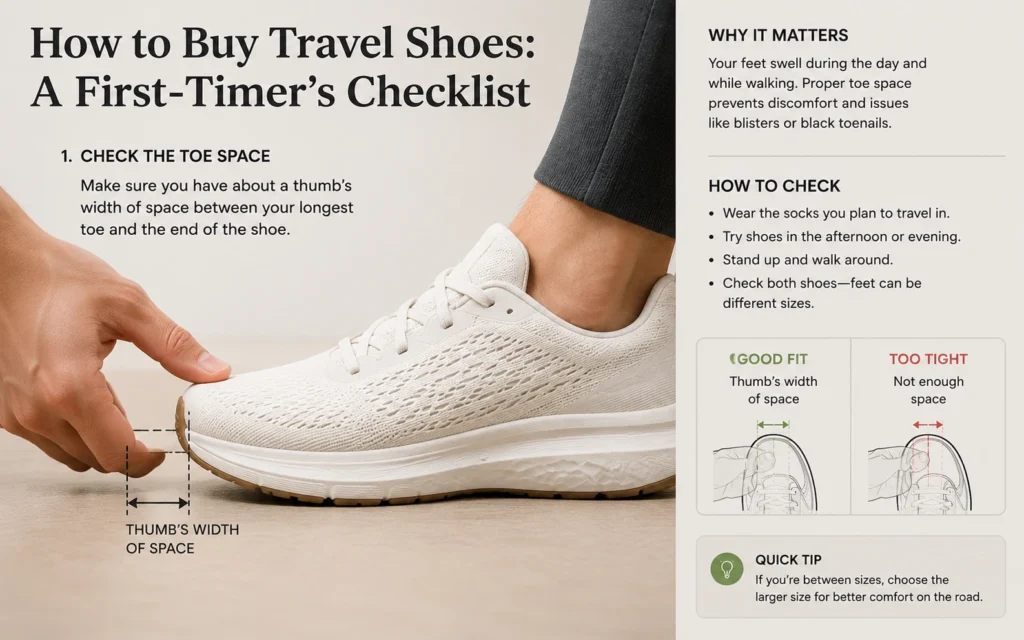
Buying travel shoes isn’t like buying everyday shoes. The stakes are higher — a wrong choice ruins trips. Follow this checklist.
Fit and Sizing
Shop in the afternoon. Your feet swell throughout the day. Shoes that fit at 9 AM will be tight by 3 PM. Travel amplifies this — long flights and walking days add another half size of swelling.
Size up by half. If you’re normally a US 9, buy 9.5 for travel. You can add an insole to fill extra space; you can’t stretch a shoe that’s too small.
Test on an incline. Most stores have a ramp. Walk uphill and downhill. Your heel shouldn’t slip on the descent. Your toes shouldn’t jam on the ascent.
Wear your travel socks. If you plan to wear wool hiking socks, bring them to the store. Cotton dress socks and wool socks have different thickness.
Materials That Matter
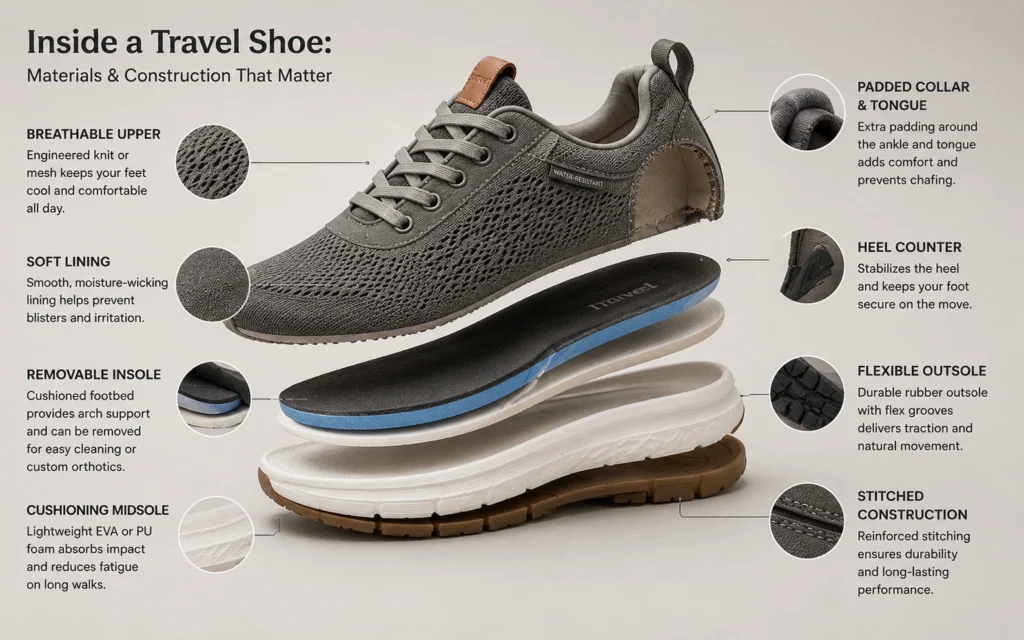
Upper material: Full-grain leather lasts longest but requires break-in time. Technical synthetics are lighter and break in faster but may not last as long. Mesh is lightest but tears easily and offers no water resistance.
Lining: Leather lining breathes better than synthetic. Unlined shoes are lightest but may cause blisters during break-in.
Insole: Removable insoles let you add custom orthotics or replace worn cushioning. Fixed insoles are lighter but can’t be upgraded.
Outsole rubber: Vibram or equivalent brands offer superior grip and durability. Generic rubber compounds wear faster and slip on wet surfaces.
Break-In Period
Two weeks minimum. Wear your new shoes for 30–60 minutes daily. Start with short walks around your neighborhood. Progress to longer sessions.
Simulate travel conditions. If you’ll be walking on cobblestones, find uneven surfaces. If you’ll carry a pack, wear it during break-in walks.
Never debut on day one. Plan lighter activities for your first two travel days. Let your feet adjust to the shoes in a low-stakes environment.
Pack blister prevention. Even with proper break-in, bring blister plasters (Compeed or equivalent). They’re insurance, not a crutch.
Climate and Terrain
Hot/humid climates: Prioritize breathability. Mesh uppers work here because you’re less likely to encounter rough terrain. Look for moisture-wicking linings.
Cold/wet climates: Waterproof membranes are non-negotiable. Insulation depends on temperature — unlined for above 5°C (41°F), insulated for below.
Mixed urban/rural: Trail shoes or lightweight boots handle both. Walking sneakers fail on muddy paths; heavy boots look out of place in cities.
Pure city travel: Walking sneakers or slip-ons. You don’t need aggressive tread for pavement.
Budget Tiers: What You Get at Each Price Point
Price doesn’t always equal quality, but in travel shoes, cheap costs more long-term. Here’s what each tier delivers.
Comparison insight with realistic limitation
| Tier | Price Range | What You Get | What You Sacrifice | Lifespan |
|---|---|---|---|---|
| Budget | $60–$90 | Basic cushioning, synthetic uppers, generic rubber outsoles | Durability, breathability, arch support, water resistance | 3–6 months of regular travel use |
| Mid-range | $100–$170 | Quality leather or technical synthetic, branded outsoles (Vibram or equivalent), removable insoles, some water resistance | Premium materials, advanced cushioning tech, lightweight construction | 12–18 months of regular travel use |
| Premium | $180–$280 | Full-grain leather, Gore-Tex or equivalent waterproofing, advanced cushioning (memory foam, gel, or proprietary tech), lightweight construction | Diminishing returns — marginal comfort gains for significant price increase | 24–36 months of regular travel use |
The honest verdict: Mid-range shoes deliver 90% of premium performance at 60% of the cost. Unless you’re traveling 200+ days per year, skip the premium tier.
What budget shoes hide: The $70 shoe uses water-based glue that fails in humidity. The insole compresses after 200 km. The synthetic upper cracks in cold weather. You’ll replace it twice while the mid-range shoe keeps going.
When premium makes sense: You have foot issues requiring specific support. You’re backpacking for six months straight. You need a shoe that transitions from trail to fine dining without looking out of place.
Five Mistakes That Ruin Travel Shoes (And How to Avoid Them)
Mistake 1: Buying shoes online without trying them on
Sizing varies by brand. A US 10 in Nike isn’t a US 10 in Clarks. Width matters too — some brands run narrow, others wide.
Fix: Try shoes in-store first, even if you buy online later. Note the exact size and width. Read reviews for sizing notes.
Mistake 2: Choosing style over function
That minimalist sneaker looks perfect in photos. It has zero arch support and paper-thin soles. After day two, your feet will hate you.
Fix: Test for support. Press the insole — does it spring back or stay compressed? Bend the shoe — does it flex at the ball of the foot or in the middle? Twist it — does it resist or collapse?
Mistake 3: Ignoring weight
A 600g shoe feels fine for a 20-minute store walk. It’s exhausting after 20,000 steps. Every 100g per shoe adds up over a travel day.
Fix: Weigh shoes before buying. Anything over 450g (16 oz) per shoe is heavy for travel. Lightweight trail shoes exist — seek them out.
Mistake 4: Packing only one pair
Your shoes get wet. They need 24–48 hours to dry completely. Without a backup, you’re stuck wearing damp shoes or buying replacements at tourist prices.
Fix: Pack two pairs minimum. One primary walking shoe, one secondary option (slip-on, sandal, or lighter sneaker). Rotate them every other day to extend lifespan.
Mistake 5: Not checking the return policy
You buy shoes two weeks before travel. They feel fine at home. Day one of your trip reveals a pressure point that causes blisters.
Fix: Buy from retailers with 30–60 day return policies, even on worn shoes. REI, Zappos, and Backcountry offer generous returns. Test shoes indoors on carpet before committing.
Specific Recommendations by Use Case
These aren’t “best overall” picks. They’re specific solutions for specific trips.
For City Walking (15,000+ steps/day on pavement)
Primary: Walking sneaker with leather upper, $120–$150
- Look for: Removable insole, cushioned midsole, rubber outsole with flex grooves
- Avoid: Mesh uppers, minimal cushioning, flat soles
Secondary: Slip-on loafer, $80–$120
- Look for: Leather construction, some arch support, non-slip sole
- Avoid: Canvas, zero support, smooth soles
For Mixed Terrain (cities + light hiking)
Primary: Trail shoe with waterproof membrane, $130–$180
- Look for: Vibram or equivalent outsole, reinforced toe cap, Gore-Tex or similar
- Avoid: Mesh-only uppers, aggressive tread if 80% city use
Secondary: Lightweight walking sneaker, $90–$130
- Look for: Breathable upper, moderate cushioning
- Avoid: Heavy boots, sandals without support
For Variable Weather (rain, cold, mixed conditions)
Primary: Lightweight boot with waterproofing, $150–$220
- Look for: Full-grain leather, insulated or unlined based on temperature, quality lacing system
- Avoid: Synthetic-only construction, cheap zippers, heavy weight
Secondary: Water-resistant sneaker, $100–$150
- Look for: Treated leather or synthetic, sealed seams
- Avoid: Mesh, canvas, untreated materials
For Warm Climates (beach + city combination)
Primary: Breathable walking shoe, $90–$140
- Look for: Mesh or perforated upper, moisture-wicking lining, quick-dry materials
- Avoid: Leather (traps heat), waterproof membranes (unnecessary)
Secondary: Sandal with arch support, $50–$100
- Look for: Contoured footbed, adjustable straps, non-slip sole
- Avoid: Flat flip-flops, plastic construction, no arch support
Frequently Asked Questions About Best Travel Shoes
How many pairs of shoes should I pack for travel?
Pack two pairs maximum for trips under two weeks: one primary walking shoe and one secondary option (slip-on, sandal, or dress shoe). For trips over two weeks, three pairs is the practical ceiling. More than that wastes luggage space and weight. Your primary pair should handle 80% of your activities. The second pair covers the remaining 20% — formal dinners, beach days, or backup if your primary pair gets wet.
Should I size up for travel shoes?
Size up by half a size if you’re buying shoes specifically for travel. Your feet swell during long flights and extended walking days — typically by half a size to a full size. Buy your travel shoes in the afternoon when your feet are naturally at their largest. If you’re between sizes, always choose the larger option. You can add an insole to take up extra space; you can’t stretch a shoe that’s too small.
What’s the minimum break-in period for travel shoes?
Two weeks minimum, three weeks ideal. Wear your new travel shoes for at least 30–60 minutes daily before your trip. Start with short walks, then progress to longer sessions. Never wear brand-new shoes on day one of a trip — blisters will derail your plans. If you can’t break them in before travel, pack blister plasters and plan lighter walking days for the first 48 hours.
Are expensive travel shoes worth the cost?
Up to a point. Shoes in the $100–$180 range offer the best value for most travelers. Below $80, you sacrifice durability and support. Above $200, you’re paying for marginal gains or brand prestige. The sweet spot: $120–$150 for quality leather or technical synthetic uppers, proper cushioning, and replaceable insoles. A $140 shoe that lasts three years costs less per wear than a $60 shoe that dies after six months.
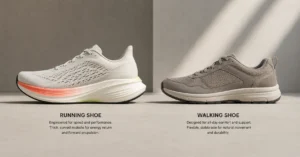
Can I use running shoes for travel?
Running shoes work for travel if your itinerary is 80% paved surfaces and city walking. They excel at cushioning and breathability but lack lateral support and durability for mixed terrain. The mesh uppers tear easily on rocks or rough surfaces. If you’re sticking to cities and well-maintained paths, running shoes are fine. For anything involving cobblestones, trails, or variable weather, choose a dedicated walking or trail shoe instead.
Continue Exploring
- Fashion Buying Guide: What to Pack and What to Skip Once you’ve chosen your shoes, you need to know what else belongs in your luggage. This guide breaks down clothing, accessories, and gear with the same honest specificity — real prices, material quality, and what actually earns its place in your bag.
- Packing Light Checklist: The 20-Pound Travel Wardrobe Shoes are just one piece of the packing puzzle. Learn how to build a complete travel wardrobe under 20 pounds, with specific item recommendations and weight breakdowns that prove you don’t need to sacrifice style for mobility.