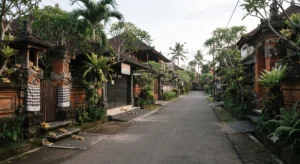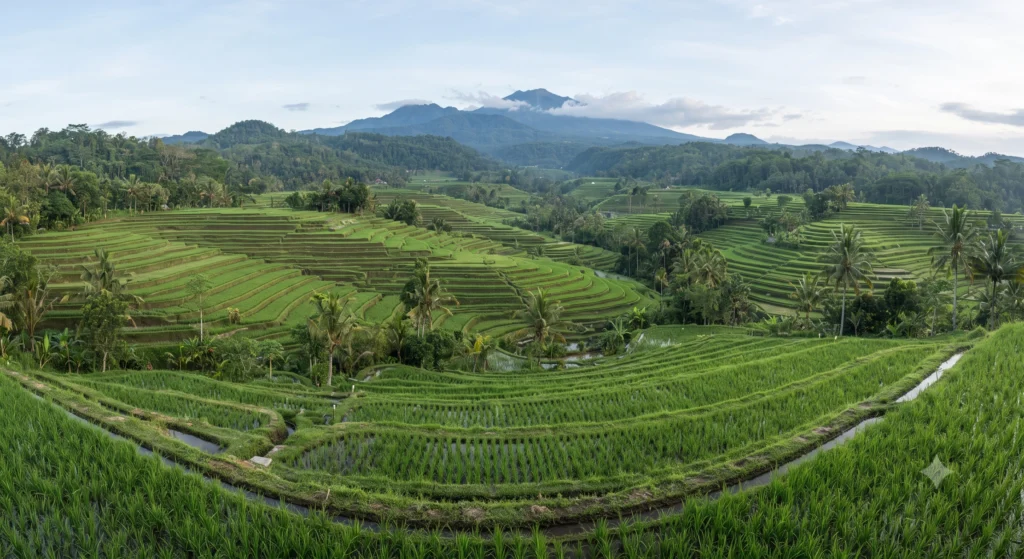
It takes exactly one day in Bali to realise the postcard is only half the story. If you are researching a 10-day trip, you have likely seen the carefully curated images: empty white-sand beaches, mystical temples reflecting in still water, and serene rice paddies. The reality is that Bali is a densely populated, rapidly developing island where traffic dictates your schedule more than your ambition does.
But beneath the congestion and the hours-long queues for Instagram photos, an exceptional trip is entirely possible. A 10-day window is the absolute sweet spot for Bali. It provides just enough time to experience the limestone cliffs of the south, the cultural gravity of the centre, and the cooler, quiet highlands of the north without feeling constantly in transit.
This is what you should know about spending 10 days on the island, what experiences genuinely justify the effort, and which famous stops you should comfortably skip.
Quick Verdict: Is a 10-Day Bali Itinerary Worth It?
Yes, but only if you plan geographically. Attempting to cross the island daily will ruin your trip. Ten days is ideal for dividing your time between two bases—typically the southern coast (Uluwatu) and the cultural heart (Ubud)—with strategic day trips outward.
- Who should go: Travellers who want a diverse mix of surfing, incredible food, dramatic landscapes, and culture, and who have the budget to hire a private driver to mitigate transit stress.
- Who should skip: Visitors looking for an undiscovered, deserted island experience, or those who expect seamless public transport and highly walkable resort towns.
- Biggest trade-off: You are trading ease of movement for sheer variety. Getting between beautiful places takes patience.
Quick Facts Block
- Best time: May to September. The dry season offers the best beach conditions and safer roads.
- Budget: Highly flexible. Mid-range travellers can expect comfortable private villas for a reasonable cost, while coastal beach clubs match Western pricing.
- Best area: Split your stay. Allocate 3 to 4 days in Uluwatu (beaches/cliffs) and 5 to 6 days in Ubud (jungle/culture/waterfalls).
- Transport: Private driver or ride-hailing apps (Grab/Gojek). Scooter rentals are only for heavily experienced riders.
What This Trip Is Actually Like
A classic 10-day route usually begins in the south (Uluwatu, Seminyak, or Canggu) before moving inland to Ubud, with potential excursions to the eastern temples, northern waterfalls, or the offshore island of Nusa Penida.
The pace can feel aggressive if you try to see every waterfall and temple on the map. You will spend more time in a car than you anticipate; a 30-kilometre journey can easily take two hours in peak traffic. However, the contrast you get in return is remarkable.
In 10 days, you will transition from drinking cocktails on limestone cliffs overlooking world-class surf breaks to hiking through misty jungle ravines in the north. The island caters incredibly well to visitors—the hospitality is genuine, the villa designs are beautiful, and the food scene is exceptional.
What Makes It Worth Your Time
Bali’s value lies in its layering of culture and geography. Uluwatu offers a distinct, rugged beauty that the flatter, more congested beaches of Kuta cannot match. Places like Balangan Beach or Melasti provide golden sands and spectacular cliff backdrops.
Inland, the northern highlands (Bedugul and Munduk areas) remain remarkably peaceful. Exploring the Sekumpul or Banyumala waterfalls offers the jungle immersion that most people hope to find in Ubud town (but rarely do, due to the crowds). A 10-day timeframe allows you to push past the heavy tourist corridors of the south and reach the regions where the island’s original charm remains intact.
Where To Stay
For a 10-day trip, do not change hotels more than twice, or you will lose a full day to packing and transit.
- Uluwatu (South): Ideal for your first 3 to 4 days. It is close enough to the airport but far removed from the chaotic sprawl of Kuta. Stay here for ocean views, surf culture, and high-quality cafes.
- Ubud (Centre): Base yourself here for the remaining 5 to 6 days. It acts as the perfect launching pad for exploring the north and east. Look for accommodation slightly outside the main town centre (which is plagued by gridlock) to secure the quiet, jungle-facing villas the area is famous for.
Getting Around
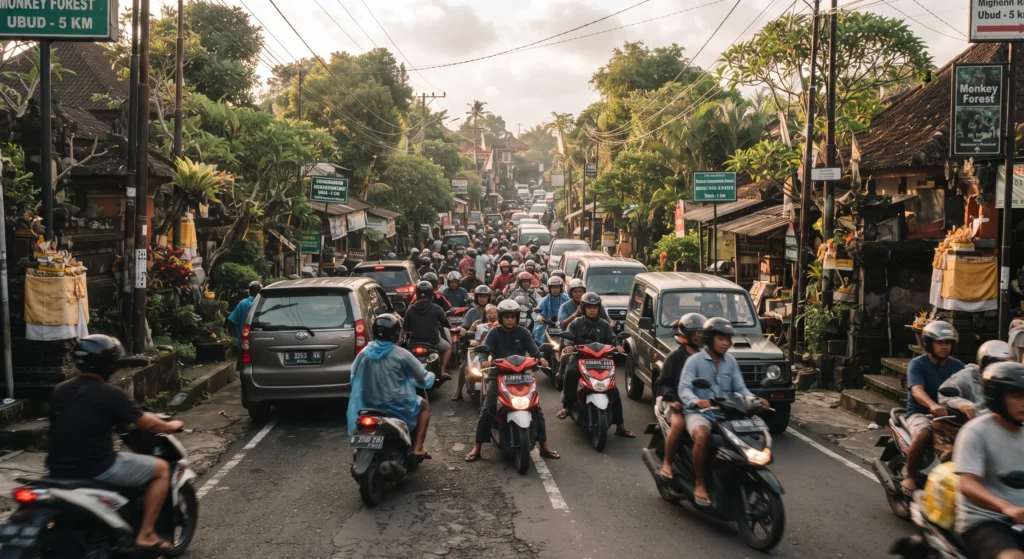
This is the single most important decision of your trip. Public transport is practically non-existent. Renting a car to drive yourself is highly discouraged due to the chaotic traffic rules and narrow, winding roads.
For day trips, hiring a private driver is the smartest investment you can make. It is affordable by Western standards (often under $50 USD for a full day) and removes the immense stress of navigating. Ride-hailing apps like Grab and Gojek are excellent for short trips, though they face bans in certain local taxi-controlled zones.
Scooters offer ultimate freedom and bypass traffic, but Bali is not the place to learn. If you do not have a motorcycle license and significant experience, do not risk it. Medical facilities treat tourist scooter injuries daily.
What It Really Costs
Bali accommodates almost any budget, but the “ultra-cheap” Bali of the early 2000s is mostly gone in the popular zones.
- Budget: Hostels and local warungs are widely available. You can eat well for very little if you stick to local Indonesian dishes.
- Comfortable Option: This is where Bali shines. You can rent stunning private villas with pools and eat at exceptional mid-tier international restaurants for a fraction of what it would cost in Europe or North America.
- Premium Option: Luxury resorts in Nusa Dua or clifftop clubs in Uluwatu will charge prices comparable to Sydney, London, or Los Angeles.
Current rates should be checked before booking, but travellers frequently notice that their money goes much further on accommodation here than in almost any other global destination.
What To Skip And What To Do Instead
Overrated: The Lempuyang Temple “Gates of Heaven” Visitors often travel three hours each way, only to wait another two hours in a queue for a staged photo where a guide holds a mirror under your phone to create a fake water reflection.
- Do this instead: Visit Besakih Temple (the Mother Temple) or Kehen Temple. They offer magnificent traditional architecture, genuine spiritual significance, and far fewer crowds.
Overrated: A Day Trip to Nusa Penida Ferries can be chaotic, the island’s roads are notoriously poor, and you will spend the day trapped in a convoy of vans rushing to Kelingking Beach for a quick, crowded photo.
- Do this instead: Spend at least one or two nights on Nusa Penida to see it early in the morning before the day-trippers arrive, or skip it entirely and spend your time exploring the quiet northern highlands of Bali.
Overrated: The Tegallalang Rice Terraces Because of its proximity to Ubud, it has become a theme park of giant tourist swings, rented flowing dresses, and aggressive vendors.
- Do this instead: Dedicate half a day to the Jatiluwih Rice Terraces. It is a UNESCO World Heritage site, vastly larger, breathtakingly beautiful, and quiet enough that you can actually hear the wind through the crops.
Final Recommendation
A 10-day trip to Bali is absolutely worth the investment of flights and time, provided you manage your expectations regarding traffic and crowds. It is the perfect trip for those who appreciate high-quality accommodation, dramatic scenery, and rich culture, and who don’t mind spending time in a car to find it.
If you want to lay on one beach for a week and walk seamlessly between your hotel and quiet restaurants, look elsewhere. But if you want a dynamic, visually stunning itinerary, split your time between the southern cliffs and the northern jungles, hire a reliable driver, and avoid the Instagram queues.
FAQ
Do I need a visa for Bali?
Most nationalities can obtain a Visa on Arrival (VOA) at the airport or apply for an e-VOA online before departure. Visa rules change frequently, so verify requirements with official Indonesian immigration sources before travelling.
Is Bali safe for tourists?
Yes, violent crime against tourists is very low. A common challenge is petty theft (like phone snatching in nightlife areas) and scooter accidents. Drink bottled water to avoid stomach issues and secure your valuables in crowded areas.
How much cash should I bring?
Cards are accepted at most hotels, established restaurants, and beach clubs. However, you will need Indonesian Rupiah (IDR) for smaller warungs, local markets, temple donations, and tipping. ATMs are widely available across the island.