Spain has some of Europe’s most impressive beaches, but they are not all the same experience. A quiet cove in Menorca feels completely different from a crowded resort beach in Mallorca. The dramatic northern coastline of the Basque Country offers a different kind of beauty from the warm Mediterranean waters of the Balearic Islands.
The biggest mistake travellers make is choosing a beach based only on photographs.
A beach can look perfect online and still disappoint because of crowds, difficult access, expensive parking, or unrealistic expectations. Another beach that receives less attention may offer a better experience simply because it fits your travel style.
This guide looks beyond the postcard view. It explains which beaches in Spain are genuinely worth visiting, who they are best for, what compromises you should expect, and where you might find better alternatives.
Quick Verdict: Are Spain’s Beaches Worth Visiting?
Yes — but choose carefully.
Spain is one of Europe’s best beach destinations because it offers variety rather than just beautiful coastline.
The best choices depend on what you want:
Choose Spain’s islands if you want:
- crystal-clear water
- scenic coves
- relaxed beach days
- memorable landscapes
Choose mainland beaches if you want:
- easier transport
- culture combined with the coast
- better food experiences
- more affordable options
Consider avoiding the most famous beaches in July and August if your ideal holiday means space, quiet mornings, and reasonable prices.
The biggest trade-off is simple:
The most famous beaches are famous for a reason, but they are also where you are most likely to experience crowds and higher costs.
For many travellers, Spain’s best beach experiences come from choosing a slightly less obvious location.
Quick Facts: Spain Beach Travel
| Information | Details |
|---|---|
| Best time | May–June and September–October |
| Best for fewer crowds | Menorca, northern Spain, smaller coastal towns |
| Most famous areas | Mallorca, Ibiza, Costa Brava, Costa del Sol |
| Budget expectation | Moderate to expensive in peak summer |
| Best transport choice | Rental car for remote beaches |
| Biggest mistake | Visiting only famous beaches during August |
The Best Beaches in Spain Worth Your Time
1. Playa de Ses Illetes, Formentera
Best for: Crystal-clear water and a Caribbean-style beach experience
Formentera’s Ses Illetes is often considered one of Spain’s most beautiful beaches, and the attention is understandable.
The water is unusually clear, the sand is bright, and the shallow sea creates the kind of landscape many travellers expect from far more distant tropical destinations.
What makes it special is not just the beach itself but the feeling of being somewhere slower. Compared with neighbouring Ibiza, Formentera feels calmer and less focused on nightlife.
However, this is also one of Spain’s beaches where expectations need managing.
During peak summer, it can become extremely busy. The same beauty that attracts travellers also creates the biggest problem: everyone wants to experience it.
Worth it if:
- you value scenery over convenience
- you are visiting outside peak season
- you want a memorable beach day
Think twice if:
- you dislike crowds
- you are travelling on a strict budget
- you expect a completely untouched beach
Better alternative:
Some quieter beaches in Menorca can provide a similar natural experience with fewer visitors.
2. Cala Macarella and Cala Macarelleta, Menorca
Best for: Travellers who want beautiful beaches without Ibiza’s energy
Menorca is often the better choice for travellers who want the beauty of the Balearic Islands without the party reputation.
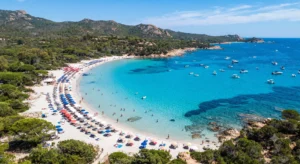
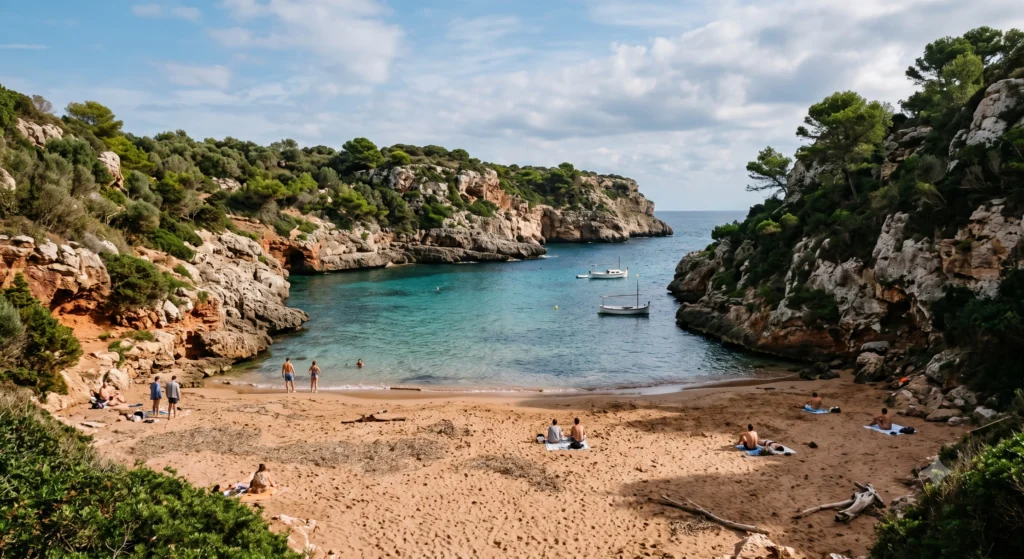
Cala Macarella and nearby Cala Macarelleta are among the island’s most famous beaches, known for turquoise water, rocky surroundings, and pine forests.
The appeal is the setting.
These are not just places to swim. The journey is part of the experience. Many of Menorca’s best beaches require walking, hiking, or careful planning, which naturally keeps them feeling more remote.
That also creates the main inconvenience.
Visitors who expect to park directly beside every beach may find Menorca frustrating. Some beaches involve walking routes, limited parking, or arriving early to secure a spot.
For many travellers, that effort is exactly what makes them worthwhile.
Worth it if:
- you enjoy nature
- you do not mind walking
- you prefer quieter islands
Less suitable for:
- travellers looking for easy resort access
- people with limited mobility
- visitors who want nightlife nearby
Better alternative:
Stay near Ciutadella or Mahón and explore multiple beaches rather than choosing only one famous spot.
3. Playa de Bolonia, Andalusia
Best for: A natural beach experience away from resort development
Many visitors heading to southern Spain focus on the Costa del Sol, but Playa de Bolonia offers something very different.
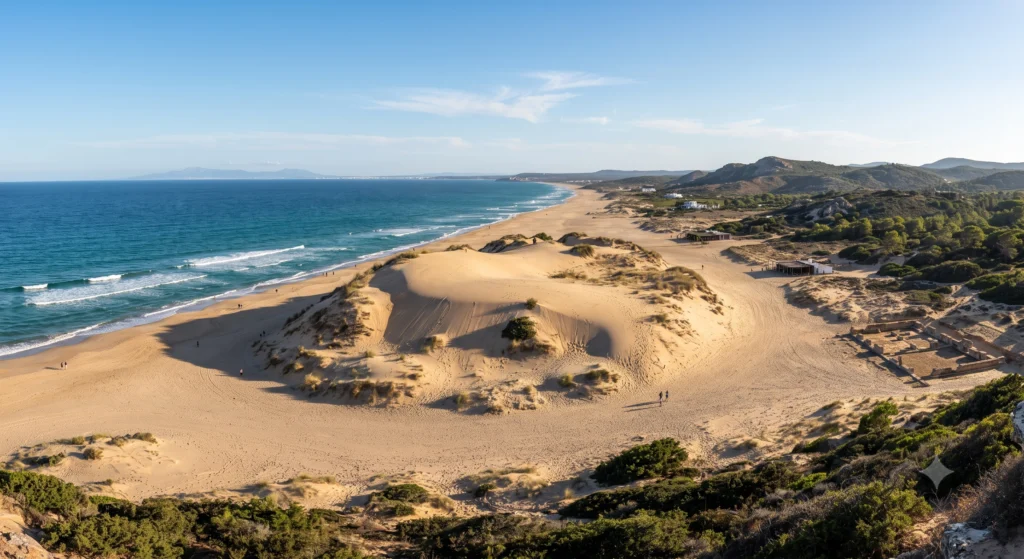
Located near Tarifa in Cádiz province, Bolonia combines a wide sandy beach with dramatic dunes and views across the Strait of Gibraltar.
Its appeal comes from feeling less manufactured.
You will not find the same type of large resort infrastructure common in other coastal areas. Instead, the experience is more about nature, swimming, walking, and enjoying the landscape.
The wind can be a factor.
This area is famous among wind sports enthusiasts, and conditions can change quickly. On some days, the beach feels perfect; on others, strong winds make relaxing difficult.
Worth it if:
- you want scenery and space
- you prefer natural beaches
- you enjoy exploring beyond the beach towel
Not ideal for:
- travellers wanting calm water every day
- luxury resort experiences
Better alternative:
Nearby Cádiz offers a stronger combination of beach, history, and local food.
4. La Concha Beach, San Sebastián
Best for: Combining city culture with a beach holiday
La Concha is different from Spain’s typical beach destinations.
This is not a remote island beach surrounded by untouched nature. It is an urban beach located in one of Spain’s most attractive cities.
That is exactly why many travellers love it.
You can spend the morning swimming, walk along the promenade, eat exceptional food in the afternoon, and explore the city in the evening.
The compromise is that it does not offer the wild coastal feeling found elsewhere.
During summer, it gets busy. The water is also cooler compared with Mediterranean beaches.
But if your ideal trip combines food, culture, and the sea, few beaches in Spain offer a better balance.
Worth it if:
- you want more than a beach holiday
- you enjoy restaurants and city life
- you prefer walkable destinations
Skip it if:
- your priority is warm tropical-style water
Better alternative:
Explore nearby Basque coastal villages for quieter beaches and dramatic scenery.
5. Playa de Muro, Mallorca
Best for: Families and travellers who want convenience
Mallorca has beaches for almost every type of traveller, but Playa de Muro stands out because it solves practical problems.
The beach is long, sandy, and easier to access than many famous island coves. The shallow water makes it popular with families, while the surrounding accommodation options make planning simpler.
The downside is that convenience attracts crowds.
Travellers looking for a hidden beach atmosphere may find it too developed, especially during summer.
This is not the beach you choose for isolation.
It is the beach you choose when you want a comfortable holiday where transport, restaurants, and facilities are easy.
Worth it if:
- travelling with children
- you want convenience
- you prefer organised beach holidays
Less suitable for:
- adventure travellers
- people searching for remote landscapes
Better alternative:
Explore smaller coves in Mallorca’s northwestern areas for more dramatic scenery.
Beaches That Are Often Overrated
Ibiza’s Most Famous Beaches
Ibiza is internationally famous, but many travellers arrive expecting every beach to feel like a hidden Mediterranean paradise.
That is rarely the reality.
Some beaches are beautiful, but popularity has changed the experience. Prices can be high, beach clubs dominate certain areas, and summer crowds can reduce the sense of escape.
Ibiza is excellent for travellers who want:
- nightlife
- stylish restaurants
- luxury experiences
It may disappoint travellers searching for:
- peaceful nature
- affordable beach days
- quiet coastal villages
A smarter approach is exploring less famous parts of the island rather than staying only near the most popular spots.
Costa del Sol Resort Beaches
The Costa del Sol works very well for many travellers, especially those wanting:
- sunshine
- easy hotels
- family facilities
- straightforward holidays
But travellers expecting untouched Spanish coastline may feel disappointed.
Many areas are highly developed, with apartment blocks, busy promenades, and a strong tourism industry.
That does not make them bad.
It simply means the experience is different.
For some visitors, convenience matters more than authenticity.
Better Alternatives: How to Choose the Right Spanish Beach
If You Want Quiet Beaches
Consider:
- Menorca
- Galicia
- Asturias
- smaller Costa Brava villages
These places usually reward travellers willing to explore beyond the obvious locations.
If You Have Only a Few Days
Do not spend your entire trip travelling between beaches.
Choose one coastal base.
Good options:
- San Sebastián for food and culture
- Cádiz for history and beaches
- Mallorca for variety
- Menorca for relaxed island travel
If You Are Travelling on a Budget
Avoid the peak summer island rush.
Better choices:
- mainland coastal towns
- shoulder season travel
- apartments outside major tourist areas
Spain can be affordable, but the most famous beach locations become expensive quickly in July and August.
If You Want the “Postcard Spain” Experience
The closest matches are usually:
- Formentera
- Menorca
- Costa Brava coves
- parts of the Canary Islands
But remember:
The more perfect the photograph looks, the more important timing becomes.
A beautiful beach at 8am in May and the same beach at 2pm in August can feel like completely different destinations.
The Best Beaches in Spain Worth Your Time
1. Playa de Ses Illetes, Formentera
Best for: Crystal-clear water and a Caribbean-style beach experience
Formentera’s Ses Illetes is often considered one of Spain’s most beautiful beaches, and the attention is understandable.
The water is unusually clear, the sand is bright, and the shallow sea creates the kind of landscape many travellers expect from far more distant tropical destinations.
What makes it special is not just the beach itself but the feeling of being somewhere slower. Compared with neighbouring Ibiza, Formentera feels calmer and less focused on nightlife.
However, this is also one of Spain’s beaches where expectations need managing.
During peak summer, it can become extremely busy. The same beauty that attracts travellers also creates the biggest problem: everyone wants to experience it.
Worth it if:
- you value scenery over convenience
- you are visiting outside peak season
- you want a memorable beach day
Think twice if:
- you dislike crowds
- you are travelling on a strict budget
- you expect a completely untouched beach
Better alternative:
Some quieter beaches in Menorca can provide a similar natural experience with fewer visitors.
2. Cala Macarella and Cala Macarelleta, Menorca
Best for: Travellers who want beautiful beaches without Ibiza’s energy
Menorca is often the better choice for travellers who want the beauty of the Balearic Islands without the party reputation. Cala Macarella and nearby Cala Macarelleta are among the island’s most famous beaches, known for turquoise water, rocky surroundings, and pine forests.
The appeal is the setting.
These are not just places to swim. The journey is part of the experience. Many of Menorca’s best beaches require walking, hiking, or careful planning, which naturally keeps them feeling more remote.
That also creates the main inconvenience.
Visitors who expect to park directly beside every beach may find Menorca frustrating. Some beaches involve walking routes, limited parking, or arriving early to secure a spot.
For many travellers, that effort is exactly what makes them worthwhile.
Worth it if:
- you enjoy nature
- you do not mind walking
- you prefer quieter islands
Less suitable for:
- travellers looking for easy resort access
- people with limited mobility
- visitors who want nightlife nearby
Better alternative:
Stay near Ciutadella or Mahón and explore multiple beaches rather than choosing only one famous spot.
3. Playa de Bolonia, Andalusia
Best for: A natural beach experience away from resort development
Many visitors heading to southern Spain focus on the Costa del Sol, but Playa de Bolonia offers something very different. Located near Tarifa in Cádiz province, Bolonia combines a wide sandy beach with dramatic dunes and views across the Strait of Gibraltar.
Its appeal comes from feeling less manufactured.
You will not find the same type of large resort infrastructure common in other coastal areas. Instead, the experience is more about nature, swimming, walking, and enjoying the landscape.
The wind can be a factor.
This area is famous among wind sports enthusiasts, and conditions can change quickly. On some days, the beach feels perfect; on others, strong winds make relaxing difficult.
Worth it if:
- you want scenery and space
- you prefer natural beaches
- you enjoy exploring beyond the beach towel
Not ideal for:
- travellers wanting calm water every day
- luxury resort experiences
Better alternative:
Nearby Cádiz offers a stronger combination of beach, history, and local food.
4. La Concha Beach, San Sebastián
Best for: Combining city culture with a beach holiday
La Concha is different from Spain’s typical beach destinations.
This is not a remote island beach surrounded by untouched nature. It is an urban beach located in one of Spain’s most attractive cities.
That is exactly why many travellers love it.
You can spend the morning swimming, walk along the promenade, eat exceptional food in the afternoon, and explore the city in the evening.
The compromise is that it does not offer the wild coastal feeling found elsewhere.
During summer, it gets busy. The water is also cooler compared with Mediterranean beaches.
But if your ideal trip combines food, culture, and the sea, few beaches in Spain offer a better balance.
Worth it if:
- you want more than a beach holiday
- you enjoy restaurants and city life
- you prefer walkable destinations
Skip it if:
- your priority is warm tropical-style water
Better alternative:
Explore nearby Basque coastal villages for quieter beaches and dramatic scenery.
5. Playa de Muro, Mallorca
Best for: Families and travellers who want convenience
Mallorca has beaches for almost every type of traveller, but Playa de Muro stands out because it solves practical problems.
The beach is long, sandy, and easier to access than many famous island coves. The shallow water makes it popular with families, while the surrounding accommodation options make planning simpler.
The downside is that convenience attracts crowds.
Travellers looking for a hidden beach atmosphere may find it too developed, especially during summer.
This is not the beach you choose for isolation.
It is the beach you choose when you want a comfortable holiday where transport, restaurants, and facilities are easy.
Worth it if:
- travelling with children
- you want convenience
- you prefer organised beach holidays
Less suitable for:
- adventure travellers
- people searching for remote landscapes
Better alternative:
Explore smaller coves in Mallorca’s northwestern areas for more dramatic scenery.
Beaches That Are Often Overrated
Ibiza’s Most Famous Beaches
Ibiza is internationally famous, but many travellers arrive expecting every beach to feel like a hidden Mediterranean paradise.
That is rarely the reality.
Some beaches are beautiful, but popularity has changed the experience. Prices can be high, beach clubs dominate certain areas, and summer crowds can reduce the sense of escape.
Ibiza is excellent for travellers who want:
- nightlife
- stylish restaurants
- luxury experiences
It may disappoint travellers searching for:
- peaceful nature
- affordable beach days
- quiet coastal villages
A smarter approach is exploring less famous parts of the island rather than staying only near the most popular spots.
Costa del Sol Resort Beaches
The Costa del Sol works very well for many travellers, especially those wanting:
- sunshine
- easy hotels
- family facilities
- straightforward holidays
But travellers expecting untouched Spanish coastline may feel disappointed.
Many areas are highly developed, with apartment blocks, busy promenades, and a strong tourism industry.
That does not make them bad.
It simply means the experience is different.
For some visitors, convenience matters more than authenticity.
Better Alternatives: How to Choose the Right Spanish Beach
If You Want Quiet Beaches
Consider:
- Menorca
- Galicia
- Asturias
- smaller Costa Brava villages
These places usually reward travellers willing to explore beyond the obvious locations.
If You Have Only a Few Days
Do not spend your entire trip travelling between beaches.
Choose one coastal base.
Good options:
- San Sebastián for food and culture
- Cádiz for history and beaches
- Mallorca for variety
- Menorca for relaxed island travel
If You Are Travelling on a Budget
Avoid the peak summer island rush.
Better choices:
- mainland coastal towns
- shoulder season travel
- apartments outside major tourist areas
Spain can be affordable, but the most famous beach locations become expensive quickly in July and August.
If You Want the “Postcard Spain” Experience
The closest matches are usually:
- Formentera
- Menorca
- Costa Brava coves
- parts of the Canary Islands
But remember:
The more perfect the photograph looks, the more important timing becomes.
A beautiful beach at 8am in May and the same beach at 2pm in August can feel like completely different destinations.
Where to Stay for Spain’s Best Beaches
Choosing where to stay matters almost as much as choosing the beach itself.
A common mistake is booking accommodation based only on the beach name. A famous beach may look perfect on a map but still leave you dealing with long drives, expensive restaurants, limited transport, or crowds every day.
The better question is:
What kind of beach holiday do you actually want?
Mallorca
Best for: First-time visitors, families, and travellers wanting variety
Mallorca is one of Spain’s easiest beach destinations because it offers almost everything in one place.
You can find:
- long sandy beaches
- dramatic mountain coastlines
- quiet villages
- nightlife
- family-friendly resorts
For convenience, areas like Alcúdia and Playa de Muro work well for families because beaches, restaurants, and facilities are close together.
Travellers who want a more scenic experience may prefer the northwestern coast around areas such as Sóller and Deià, where mountains meet the sea.
The trade-off:
Mallorca’s popularity means some areas feel heavily developed, especially during summer.
Best for:
- first Spain beach trip
- families
- travellers who want options
Less ideal for:
- people looking for completely untouched coastline
Menorca
Best for: Quiet island escapes
Menorca is often the better choice for travellers who think Mallorca sounds too busy.
The island moves at a slower pace. Many beaches require some effort to reach, but that is part of the appeal.
Staying near Ciutadella works well if you want historic streets, restaurants, and access to western beaches.
The Mahón area suits travellers who prefer a larger town atmosphere and easier connections.
The downside:
Menorca rewards planning. Spontaneous beach hopping can be difficult without transport.
Best for:
- couples
- nature lovers
- relaxed holidays
Less ideal for:
- travellers wanting nightlife every evening
Costa Brava
Best for: Combining beaches with culture and scenery
The Costa Brava offers one of Spain’s best combinations of coastline and character.
Instead of one beach-focused resort, you get:
- fishing villages
- walking trails
- medieval towns
- rocky coves
Towns such as Cadaqués, Begur, and Calella de Palafrugell appeal to travellers who want more atmosphere than a typical resort.
The trade-off:
Some beaches are small, and parking during summer can be frustrating.
Best for:
- couples
- photographers
- slow travellers
Less ideal for:
- people who want wide sandy beaches everywhere
Andalusia
Best for: Sunshine, food, and mainland convenience
Andalusia gives travellers a different kind of beach holiday.
The region combines beaches with:
- historic cities
- excellent food
- cultural experiences
Cádiz is particularly appealing because it offers a more local atmosphere compared with some resort-focused areas.
Málaga works well for travellers who want easy flights, museums, restaurants, and beach access.
The trade-off:
Some coastal areas are highly developed, so choosing your base carefully matters.
Best for:
- travellers who want more than beaches
- food lovers
- shorter trips
Getting Around Spain’s Beaches
Transport decisions can completely change your experience.
A beach that looks close on a map may not be practical without the right transport.
Rental Car
For many of Spain’s best beaches, especially smaller coves and natural areas, a rental car provides the most flexibility.
It is particularly useful in:
- Menorca
- Mallorca
- Costa Brava
- Andalusia
Advantages:
- reach less accessible beaches
- avoid depending on limited buses
- explore small towns
Problems:
- parking near famous beaches can be difficult
- summer demand increases prices
- some roads are narrow in coastal areas
A car is not always necessary, but it often turns a good beach trip into a much better one.
Public Transport
Spain has good transport infrastructure, but beach access varies.
Major coastal cities are usually easy to reach by:
- train
- bus
- local transport
Smaller beaches and hidden coves are different.
A traveller expecting every beach to have simple public transport access may be disappointed.
Always check:
- last bus times
- seasonal routes
- walking distances
Schedules can change, especially outside peak season.
Ferries and Island Connections
For destinations like Formentera, transport planning is part of the journey.
You may need:
- flights to the main island
- ferries
- local transfers
The extra effort is often worthwhile, but island travel requires more planning than mainland beach trips.
What Spain Beaches Really Cost
Spain can be affordable compared with some European beach destinations, but the price difference between seasons is significant.
The biggest factor is not the country. It is location and timing.
Budget Beach Travel
A budget traveller can reduce costs by:
- visiting outside July and August
- staying slightly away from the beach
- choosing apartments
- eating away from tourist promenades
Mainland Spain generally offers better value than famous island destinations during peak season.
Comfortable Mid-Range Travel
Most travellers fall into this category.
Expect to spend more for:
- beachfront accommodation
- popular islands
- restaurants with sea views
A smart approach is staying within walking distance rather than directly on the beach.
You often save money while still having easy access.
Premium Beach Holidays
Luxury areas in:
- Ibiza
- Mallorca
- Marbella
- Formentera
can become very expensive.
The price often reflects:
- location
- exclusivity
- beach clubs
- resort facilities
But higher prices do not always mean a better beach experience.
Sometimes a smaller coastal town provides a more memorable trip.
Common Money Mistakes
Paying Extra for a Beach View
A sea view sounds attractive, but consider how much time you will actually spend in the room.
Many travellers get better value by staying nearby and spending money on:
- restaurants
- activities
- day trips
Visiting Islands During Peak Summer
The Balearic Islands are beautiful, but July and August bring:
- higher accommodation prices
- crowded beaches
- busy restaurants
May, June, September, and October often provide a better balance.
Assuming Famous Means Better Value
A famous beach may offer amazing scenery but poor value because of:
- crowds
- parking problems
- expensive food nearby
Sometimes the beach 20 minutes away creates the better holiday memory.
Final Recommendation: Which Spanish Beach Destination Should You Choose?
Spain does not have one “best beach.”
It has the right beach for different types of travellers.
Choose Menorca if:
You want beautiful water, slower travel, and fewer crowds.
Choose Mallorca if:
You want variety, convenience, and an easy first trip.
Choose Formentera if:
You want some of Spain’s most impressive turquoise water and do not mind higher costs.
Choose Costa Brava if:
You want scenery, villages, and coastal walks.
Choose Andalusia if:
You want beaches combined with food, culture, and history.
Choose northern Spain if:
You prefer dramatic landscapes over guaranteed sunshine.
The biggest lesson is simple:
Do not plan a Spanish beach trip around a photograph.
Plan it around the experience you want.
A quiet morning swimming in a less famous cove can be more memorable than fighting crowds at a world-famous beach.
Spain’s coastline rewards travellers who choose thoughtfully.
FAQ: Best Beaches in Spain
What is the most beautiful beach in Spain?
There is no single answer, but beaches in Formentera and Menorca are often considered among Spain’s most visually impressive because of their clear water and natural surroundings. However, the best choice depends on whether you value scenery, convenience, culture, or fewer crowds.
What is the best time to visit Spain’s beaches?
The best balance is usually May to June and September to October. The weather is generally warm, accommodation is often better value, and popular beaches are less crowded compared with July and August.
Are Spain’s beaches expensive?
They can be, especially in famous island destinations during summer. Budget travellers can reduce costs by choosing smaller towns, travelling in shoulder season, and avoiding beachfront accommodation in the busiest areas.
Is Mallorca or Menorca better for beaches?
It depends on your travel style. Mallorca offers more variety, easier transport, and more facilities. Menorca is better for travellers who want quieter beaches, nature, and a slower pace.
Do you need a car for Spain beach holidays?
Not always. Major coastal areas are accessible without one, but a car is useful for exploring smaller beaches, especially on islands and along less developed coastlines.