Tokyo makes more sense once you stop thinking about it as one city. It isn’t. It’s a collection of distinct districts connected by a rail system so efficient it changes how you experience distance. Staying in the wrong neighborhood won’t ruin your trip — Tokyo is too functional for that — but it will quietly drain your time, your energy, and eventually your patience.
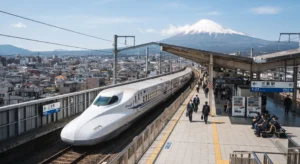
The first morning usually goes the same way. You land at Narita or Haneda, buy an IC card, stare at a train map that looks impossible for about seven minutes, then realise the system works because everybody follows it precisely. The platform markings matter. Escalator sides matter. Silence on commuter trains matters. Once you stop resisting the rhythm, Tokyo becomes one of the easiest major cities in the world to navigate.
And your hotel location decides how quickly that adjustment happens.
Quick verdict: most first-timers should stay in Shinjuku or Ueno
| Neighborhood | Typical Hotel Cost | Best For | Limitation | Verdict |
|---|---|---|---|---|
| Shinjuku | ¥18,000–¥35,000/night | First-time Tokyo trips with heavy sightseeing | Crowded and intense at night | Best overall base |
| Ueno | ¥12,000–¥24,000/night | Value, museums, easier pace | Less nightlife | Smartest budget-midrange choice |
| Shibuya | ¥20,000–¥40,000/night | Food, nightlife, modern Tokyo energy | Expensive and loud | Best if Tokyo itself is the attraction |
| Asakusa | ¥10,000–¥22,000/night | Traditional atmosphere and lower costs | Longer train rides | Better for slower trips |
| Ginza | ¥25,000–¥50,000/night | Shopping, polished hotels, quieter nights | Price | Best for comfort-focused travellers |
(2025–2026 rates — verify before travel)
If you’re visiting Tokyo for the first time and want the least complicated answer, stay near Shinjuku Station. It connects almost everything you’ll use, including JR lines, private railways, airport buses, and late-night food options when jet lag hits at 2am.
But Ueno is the neighborhood more people should probably choose. Hotels cost less, the station is simpler to navigate, and the area feels more lived-in once the day tourists leave. I ignored Ueno on my first Tokyo trip because every guide pushed Shibuya and Shinjuku harder. That was a mistake.
What Shinjuku is actually like after midnight
Shinjuku is overwhelming for roughly the first six hours. Then it clicks.
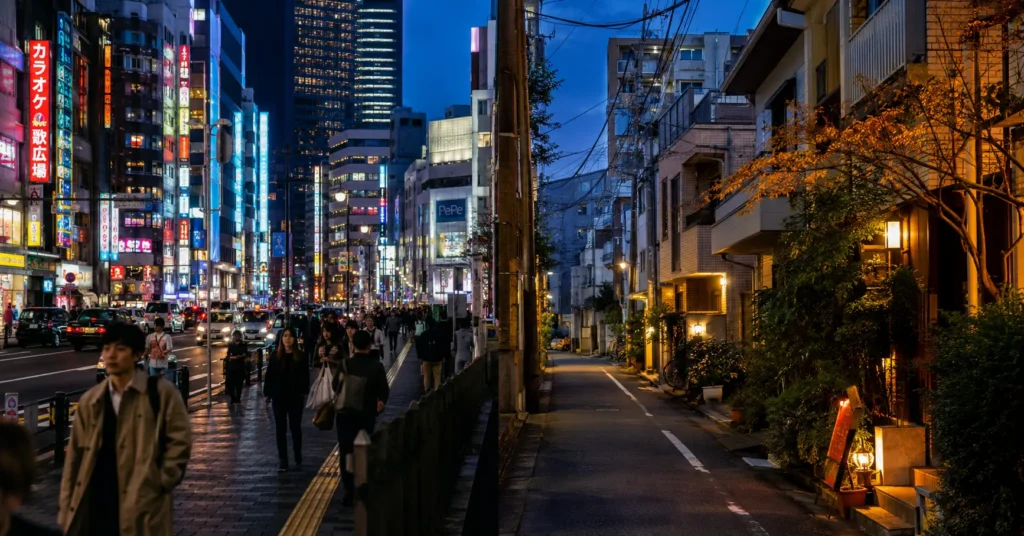
The west side around the skyscraper hotels feels corporate and organised. The east side around Kabukicho is brighter, louder, and occasionally chaotic in a way Tokyo usually isn’t. You’ll walk through streets packed with claw machine arcades, tiny yakitori bars under train tracks, office workers drinking highballs at midnight, and tourists trying to decode restaurant vending machines.
And yet the trains still run on time.
The practical advantage is enormous. Shinjuku Station handles around 3.5 million passengers daily and connects almost every major route you’ll need. Day trips to Hakone, Nikko, or Kamakura become simpler because you’re already plugged into the rail network.
The trade-off is sensory fatigue. By day four, some people stop noticing the neon. Others desperately want quiet.
Stay here if:
- You want maximum convenience
- Your itinerary is packed
- You plan multiple day trips
- You don’t mind crowds
Skip it if your idea of a good evening is a quiet street and an early night.
Shibuya works best if Tokyo is the point of the trip
Shibuya feels younger than Shinjuku. More fashion-heavy. More café-driven. Less corporate.
If your mental image of Tokyo includes streetwear stores, listening bars, tiny cocktail spots on fifth floors, and crossing Shibuya Scramble at midnight in light rain because the city suddenly looks exactly like the film scene you imagined — stay here.
But understand what you’re paying for.
Hotels in Shibuya regularly cost 15–25% more than equivalent rooms in Ueno or Asakusa. And the rooms themselves are often smaller. A “standard double room” in Tokyo can still mean 15 square metres. Open both suitcases at once and you’ll be climbing over them.
Still, Shibuya gets one thing very right: the transition between tourist Tokyo and everyday Tokyo happens fast. Walk 12 minutes from the station toward Daikanyama or Ebisu and the city changes completely. Smaller streets. Better coffee. Fewer souvenir shops. More residents.
That’s the version of Tokyo people usually remember longest.
Asakusa is slower, cheaper, and farther from everything
Asakusa gets recommended constantly because it looks like the version of Tokyo many first-timers expect before they arrive.
Senso-ji Temple. Lantern gates. Traditional streets. Rickshaws. Older low-rise buildings instead of towers. Early mornings here can feel almost calm — especially before 8am, before the day-tour buses arrive and Nakamise Street starts moving shoulder-to-shoulder.
But the transport trade-off is real.
You’re farther from western Tokyo neighborhoods like Shibuya and Shinjuku, where many visitors spend most evenings. That means longer train rides back every night. Usually 30–40 minutes each way depending on transfers.
The upside is price. Business hotels and small ryokan-style stays here are often noticeably cheaper than central west Tokyo. You also get a version of Tokyo where small family-run restaurants still dominate side streets. One of the best meals I had in the city was a ¥950 tempura lunch six minutes from Tawaramachi Station — no queue, no English menu, entirely ordinary by local standards.
Which is exactly why it was good.
Ueno is the smartest value play for most travellers
Ueno doesn’t market itself aggressively. That’s part of the appeal.
The area around Ueno Station works unusually well for first-timers because it balances convenience with breathing room. You still get direct rail access to major areas. You still have excellent food. But the pace softens slightly once you leave the station perimeter.
And Tokyo becomes easier to absorb when you’re not fighting it constantly.
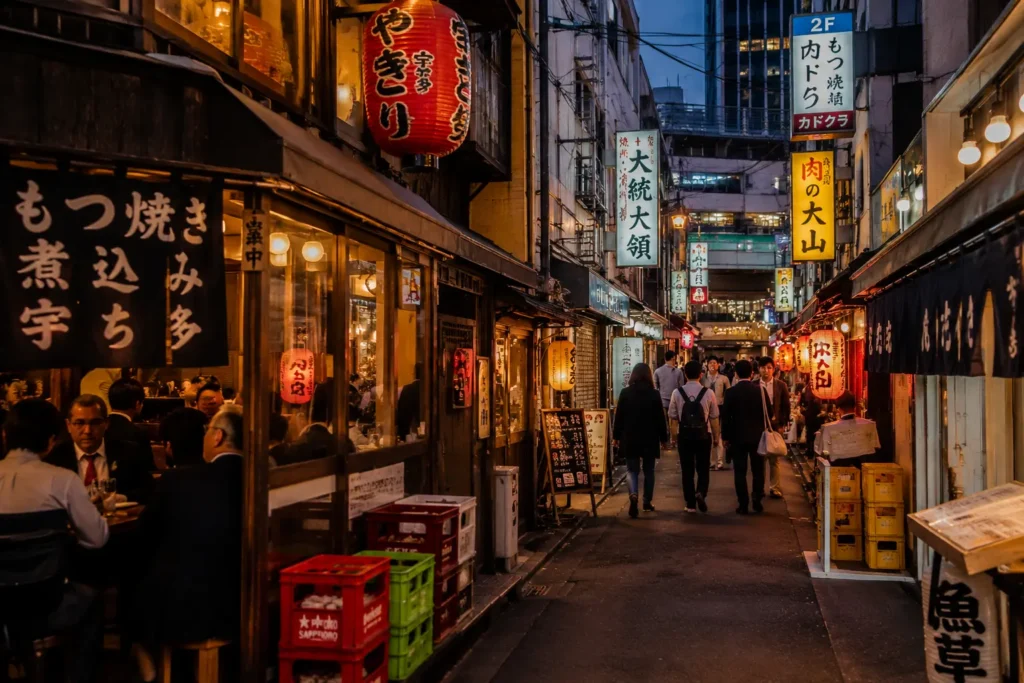
Ueno Park gives the neighborhood physical space that districts like Shinjuku rarely offer. The museums are here. Ameya-Yokocho market still feels rougher around the edges than heavily curated tourist zones. Local bars under the tracks fill with commuters instead of influencer queues.
Hotel pricing matters too. Mid-range business hotels around Ueno regularly sit in the ¥14,000–¥22,000 range per night while equivalent Shibuya rooms push much higher. (2025–2026 rates — verify before travel)
For deliberate planners trying to balance cost and access, this is usually the answer.
Ginza is polished, expensive, and quieter than people expect
Ginza surprises people because it isn’t loud.
The streets are cleaner. The buildings feel more restrained. Luxury brands dominate the main avenues, but the side streets hide some of Tokyo’s best sushi counters, basement cocktail bars, and department store food halls that function like precision-engineered edible museums.
Stay here if comfort matters more than atmosphere intensity.
The hotels are excellent. Transport connections remain strong. And after a full Tokyo day, returning to a quieter district has genuine value. Especially if you’re travelling with parents, young children, or anyone who doesn’t need neon overload every evening.
But you pay for it. A good Ginza hotel can easily cost double an equivalent Ueno property.
And culturally, Ginza feels more international than distinctly Tokyo at times. That’s either reassuring or disappointing depending on why you came.
The differences that actually change your decision
Most guides compare Tokyo neighborhoods by attractions. That’s the wrong metric.
The real differences are:
- How complicated the station feels at 8:30am
- Whether you’ll still enjoy returning there on day six
- How much energy the neighborhood takes from you
- Whether dinner nearby requires queues every night
- How quickly you can recover from jet lag
Shinjuku gives maximum access but asks more from your attention span.
Ueno gives balance.
Shibuya gives atmosphere.
Asakusa gives space and lower costs.
Ginza gives comfort.
That’s the actual decision.
Pocket WiFi vs SIM card in Tokyo — the choice matters more than you think
Get connected before leaving the airport. Don’t delay this.
Tokyo navigation depends heavily on live transit directions because multiple train operators overlap constantly. Google Maps works exceptionally well here, but only if you actually have data.
Pocket WiFi works best for groups or heavy-device users. One device supports multiple phones, tablets, and laptops simultaneously. Battery life becomes the downside — carrying a second battery pack stops being optional around hour eight.
SIM cards are simpler for solo travellers. Less equipment. Less charging. Less to return before departure.
Most airport arrivals halls at Narita and Haneda have both options immediately after customs. Reserve online before arrival for the best pricing. Expect:
- SIM card: ¥3,000–¥6,000 for 7–10 days
- Pocket WiFi: ¥5,000–¥9,000 for 7–10 days
(2025–2026 rates — verify before travel)
And no — tipping is not done in Japan. Restaurants, taxis, hotels, none of it. Service quality is already built into the social contract. Leaving cash behind often creates confusion rather than appreciation.
Final recommendation: the best Tokyo neighborhood for your trip type
Stay in Shinjuku if this is your first Tokyo trip and your schedule is dense. Convenience matters more than atmosphere on short itineraries.
Choose Ueno if you want the smartest balance of cost, transport, food, and sanity.
Pick Shibuya if your version of Tokyo revolves around nightlife, cafés, shopping, and staying out late.
Stay in Asakusa if slower mornings, lower hotel costs, and traditional streets matter more than transport efficiency.
And choose Ginza if you’re willing to spend more for calmer evenings and better hotels.
The wrong Tokyo neighborhood doesn’t destroy a trip. But the right one changes the rhythm of it completely.
Frequently Asked Questions About Tokyo Neighborhoods
Where should first-time visitors stay in Tokyo?
Most first-timers should stay in Shinjuku or Ueno. Shinjuku gives the strongest transport access across the city, while Ueno balances convenience with lower hotel costs and a calmer atmosphere. Both work well for 5–7 day Tokyo itineraries.
Is Shinjuku too busy for families?
Parts of it are. The east side near Kabukicho stays loud late into the night. Families usually do better on the quieter west side near major hotels and government buildings, where streets feel calmer after dark.
Is Asakusa a good base for Tokyo?
Yes — if you prioritise atmosphere over transport speed. Asakusa offers lower hotel prices and a more traditional feel, but you’ll spend more time on trains reaching western neighborhoods like Shibuya and Shinjuku.
How much should you budget for hotels in Tokyo?
Mid-range hotels in Tokyo generally cost ¥14,000–¥30,000 per night depending on neighborhood and season. Shibuya and Ginza usually cost more. Ueno and Asakusa often provide stronger value. (2025–2026 rates — verify before travel)
Do you need a JR Pass if you’re only staying in Tokyo?
No. A JR Pass almost never makes financial sense for a Tokyo-only trip. Individual metro and JR rides inside the city are inexpensive, usually ¥180–¥350 per journey. Save the JR Pass calculation for intercity travel across Japan.
Continue Exploring
- tokyo neighborhoods guide gives the broader city logistics, food, transport, and timing decisions once you’ve chosen your base.
- Japan travel guide helps you understand how Tokyo fits into a wider Japan itinerary, including Kyoto, Osaka, and regional rail planning.