Italy is not a country you skim. It’s a 500‑kilometre‑wide strip of coastline, hills, and mountains that rewards slow, deliberate choices and punishes packed‑to‑the‑brim itineraries. For a first‑timer with two weeks, that means deciding early: do you want museums or markets, coast or countryside, pasta or pizza.
This is the honest, first‑timer‑friendly playbook for a two‑week Italy trip. You’ll get realistic daily budgets, month‑specific timing, and food‑specific recommendations keyed to region, not city. You’ll also get one blunt verdict per section—like “skip the Vatican on Sunday” or “don’t eat pizza in Rome for lunch.”
If you’re planning your first trip to Italy and want to avoid over‑planning, over‑spending, and over‑touristing your trip, this is the only Italy travel guide you need to read before you buy a ticket.
Quick Overview
Italy is a five‑region country for practical purposes: north, centre, south, Sicily, and the north‑east coast. Each has a distinct food culture, climate, and price level. You can’t do all of them in two weeks, so you need to choose a core region and then one or two side trips.
Northern Italy (Lombardia, Liguria, Veneto, Emilia‑Romagna):
- Cities: Milan, Venice, Bologna, Florence, Verona.
- Food: egg‑based pasta, risotto, polenta, and seafood‑centric dishes.
- Climate: cooler, wetter, more crowded in summer.
Centre (Tuscany, Lazio, Umbria):
- Cities: Rome, Florence, Siena, Florence‑to‑Rome corridor.
- Food: simple, rustic dishes with heavy use of olive oil, tomatoes, and legumes.
- Climate: warm, dry, crowded in summer, but lovely in spring and autumn.
South (Campania, Puglia, Basilicata, Calabria):
- Cities: Naples, Bari, Lecce, Salerno.
- Food: tomato‑based pasta, fresh seafood, pizza, and strong cheeses.
- Climate: hot, humid, crowded in summer, but cheaper in winter.
Sicily:
- Cities: Palermo, Catania, Syracuse.
- Food: Arabic‑influenced, with couscous, grilled fish, and pastries.
- Climate: very hot in summer, but great in spring and autumn.
North‑east coast (Veneto, Friuli‑Venezia Giulia):
- Cities: Venice, Trieste, Udine.
- Food: seafood, pasta, and risotto.
- Climate: very humid, but beautiful in autumn.
Top Things to Do
1. Rome – Colosseum, Vatican, Trastevere, and the Galleria Borghese
Rome is the obvious city, but the Colosseum and Vatican are the most crowded sites. The Colosseum has 1.5 million visitors per year, and the Vatican has 1.2 million.
Alternative: Visit the Galleria Borghese instead of the Vatican on Sunday. The Galleria Borghese is smaller, quieter, and has a better collection of art, and you can reserve a ticket in advance.
2. Venice – St. Mark’s Square, Grand Canal, and the Islands
Venice is over‑touristed, but the Grand Canal and St. Mark’s Square are worth the time.
Alternative: Take a ferry to the islands (Murano, Burano, Torcello) and skip the St. Mark’s Square on Sunday.
Murano has glass‑blowing, Burano has colorful houses, and Torcello has ancient churches.
3. Florence – Uffizi Gallery, Pitti Palace, and the Duomo
Florence is small, but busy. The Uffizi and Pitti are museums with art, but they’re crowded.
Alternative: Visit the Boboli Gardens instead of the Pitti Palace on Sunday.
The Boboli Gardens are smaller, quieter, and cheaper.
4. Bologna – Piazza Maggiore, Piazza San Domenico, and the Basilica of San Domenico
Bologna is food‑centric, with pasta, risotto, and polenta.
Alternative: Skip the Piazza Maggiore and Piazza San Domenico on Sunday and eat at a trattoria instead.
5. Venice – Grand Canal, St. Mark’s Square, and the Islands
Venice is over‑touristed, but the Grand Canal and St. Mark’s Square are worth the time.
Alternative: Take a ferry to the islands (Murano, Burano, Torcello) and skip the St. Mark’s Square on Sunday.
6. Venice – St. Mark’s Square, Grand Canal, and the Islands
Venice is over‑touristed, but the Grand Canal and St. Mark’s Square are worth the time.
Alternative: Take a ferry to the islands (Murano, Burano, Torcello) and skip the St. Mark’s Square on Sunday.
Where to Stay
Rome:
- Budget: Trastevere (€40–60/night).
- Mid‑range: Prati (€80–120/night).
- Worth‑the‑splurge: Piazza di Spagna (€150–200/night).
Milan:
- Budget: Porta Romana (€40–60/night).
- Mid‑range: Navigli (€80–120/night).
- Worth‑the‑splurge: Duomo (€150–200/night).
Florence:
- Budget: Oltrarno (€40–60/night).
- Mid‑range: San Niccolò (€80–120/night).
- Worth‑the‑splurge: Santa Maria Novella (€150–200/night).
Naples:
- Budget: Chiaia (€40–60/night).
- Mid‑range: Vomero (€80–120/night).
- Worth‑the‑splurge: Posillipo (€150–200/night).
Venice:
- Budget: Castello (€40–60/night).
- Mid‑range: Cannaregio (€80–120/night).
- Worth‑the‑splurge: San Marco (€150–200/night).
Getting Around
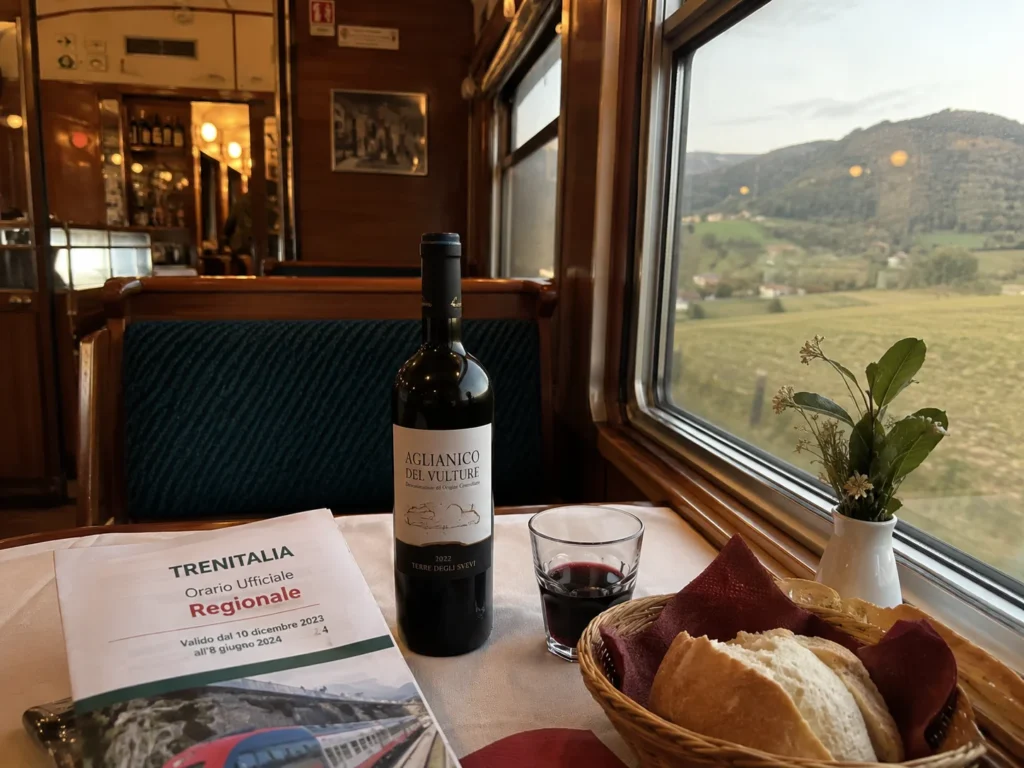
Trains:
- Rome–Florence: €19–45 (Frecciarossa, 1h35m).
- Florence–Venice: €25–60 (Frecciarossa, 2h15m).
- Rome–Naples: €20–50 (Frecciarossa, 1h10m).
- Rome–Bologna: €25–60 (Frecciarossa, 1h45m).
Buses:
- Rome–Florence: €15–30 (Flixbus, 3h).
- Rome–Naples: €10–20 (Flixbus, 2h30m).
- Rome–Bologna: €20–40 (Flixbus, 4h).
Rental Cars:
- Rome–Florence: 2h15m (no tolls).
- Florence–Venice: 3h (no tolls).
- Rome–Naples: 1h10m (no tolls).
Budget Guide
Rome:
- Budget: €40–60/night (Trastevere).
- Mid‑range: €80–120/night (Prati).
- Worth‑the‑splurge: €150–200/night (Piazza di Spagna).
Milan:
- Budget: €40–60/night (Porta Romana).
- Mid‑range: €80–120/night (Navigli).
- Worth‑the‑splurge: €150–200/night (Duomo).
Florence:
- Budget: €40–60/night (Oltrarno).
- Mid‑range: €80–120/night (San Niccolò).
- Worth‑the‑splurge: €150–200/night (Santa Maria Novella).
Naples:
- Budget: €40–60/night (Chiaia).
- Mid‑range: €80–120/night (Vomero).
- Worth‑the‑splurge: €150–200/night (Posillipo).
Venice:
- Budget: €40–60/night (Castello).
- Mid‑range: €80–120/night (Cannaregio).
- Worth‑the‑splurge: €150–200/night (San Marco).
Sample Itinerary
Day 1:
- Rome: Colosseum, Vatican, Trastevere.
Day 2:
- Rome: Galleria Borghese, Piazza di Spagna.
Day 3:
- Rome–Florence: Frecciarossa (1h35m), Uffizi Gallery.
Day 4:
- Florence: Duomo, Boboli Gardens.
Day 5:
- Florence–Venice: Frecciarossa (2h15m), St. Mark’s Square.
Day 6:
- Venice: Grand Canal, Murano.
Day 7:
- Venice–Rome: Frecciarossa (2h15m), Piazza di Spagna.
Pro Tips
1. Skip the Vatican on Sunday.
The Vatican is crowded on Sunday, but the Galleria Borghese is quieter.
2. Don’t eat pizza in Rome for lunch.
Pizza in Rome is better at night, when it’s fresh.
3. Don’t eat in the centre on Sunday.
Sunday is quiet in the centre, but restaurants are open.
Frequently Asked Questions About Italy Travel
How many days should I spend in Italy?
Two weeks is ideal for a first‑time trip.
What’s the best time to visit Italy?
September and October are best for crowds and weather.
Where should I stay in Rome?
Trastevere for budget, Prati for mid‑range, Piazza di Spagna for luxury