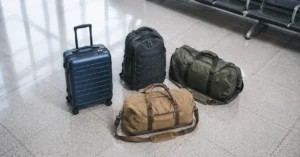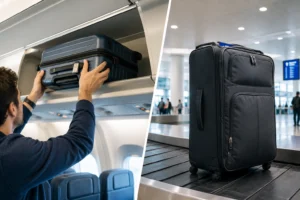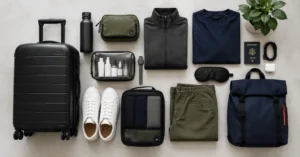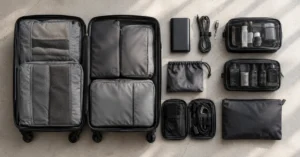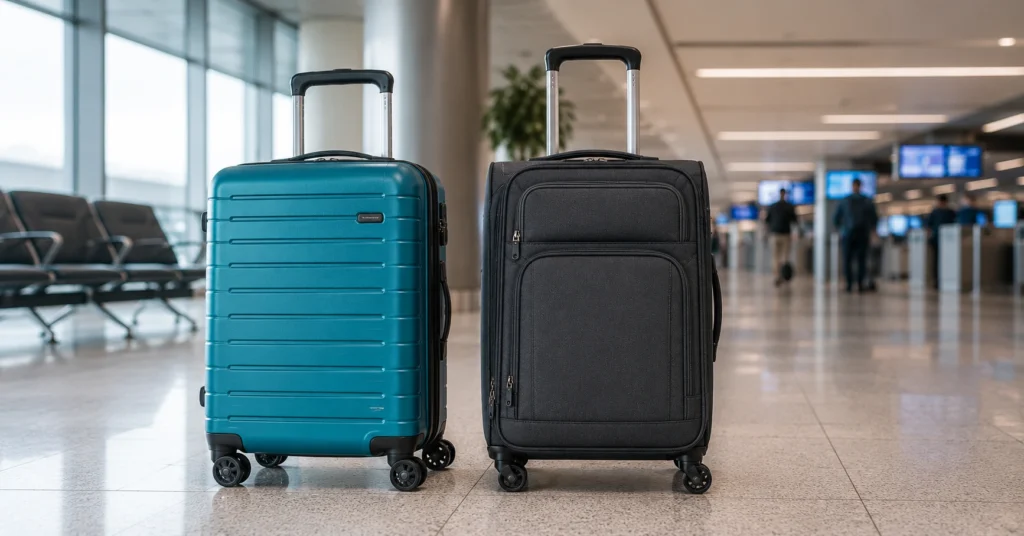
Hard shell vs soft shell luggage isn’t a style fight — it’s a protection vs flexibility decision that changes how you pack, check bags, and survive airport handling. Hard shell protects fragile items and resists water better; soft shell is more flexible, often lighter, and includes exterior pockets and expandability. For first-timers, choose hard shell if you carry cameras, glasses, or fragile gear; choose soft shell if you overpack, need quick access, or want compressibility for tight overhead bins. (2025–2026 rates — verify before travel)
This post gives you the exact differences that change the decision, real price tiers, weight/capacity numbers, wheel performance, zipper and lock specifics, and clear recommendations for your trip type. You’ll know which suitcase to buy and why—no guesswork.
Quick Overview — The Difference That Changes Your Packing
| Option | Price (typical) | Best For | Limitation | Verdict |
|---|---|---|---|---|
| Hard Shell | $80–$350 | Fragile items, water resistance | Not expandable, fewer pockets | Choose hard if you carry breakables |
| Soft Shell | $50–$300 | Overpackers, quick access pockets | Less anti-crush protection | Choose soft if you compress and organize |
Hard shell suitcases use rigid materials—polycarbonate, ABS, polypropylene, or aluminum—that protect contents from crushing and resist water. They’re easier to wipe clean and often sleeker, but they don’t flex and rarely expand. Soft shell suitcases use polyester, nylon, or mixes, with waterproof PVC linings; they’re flexible, often expandable, and include exterior pockets for quick access—but they’re less water-resistant and offer less protection for fragile items.
The difference that changes your decision: protection vs capacity flexibility. If you pack fragile gear, hard shell wins. If you need to squeeze extra items or access snacks/passport mid-trip, soft shell wins.
Types — What Materials and Builds You’ll Actually See
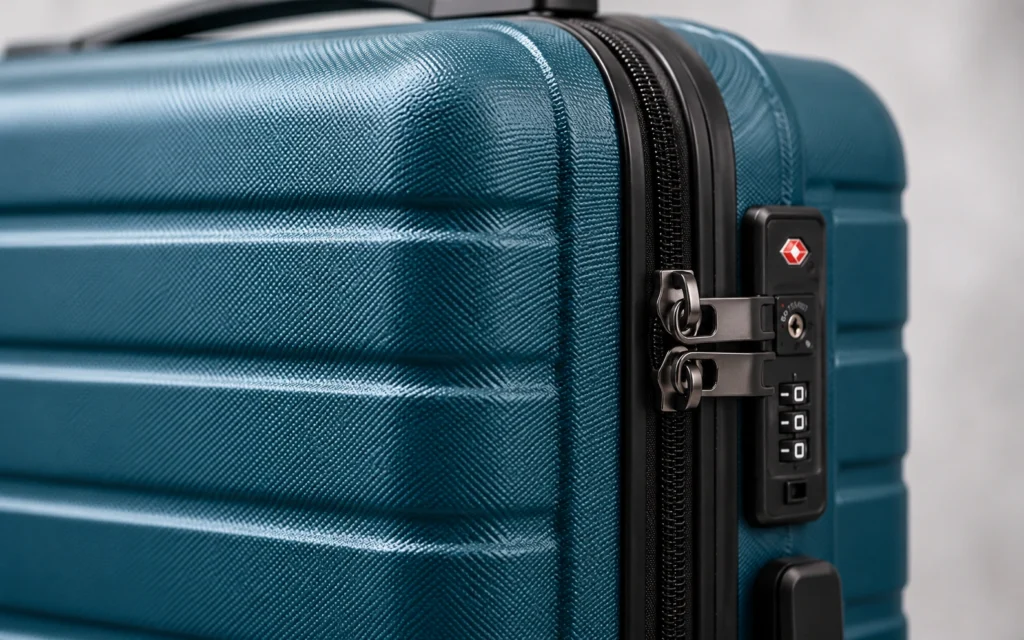
Hard Shell Materials: Polycarbonate, ABS, Polypropylene, Aluminum
- Polycarbonate: strong, lightweight, resists cracking; common in mid-to-premium carry-ons.
- ABS: cheaper, slightly heavier, more prone to cracking under heavy impact.
- Polypropylene: premium toughness, excellent flexibility within rigidity, used in high-end cases.
- Aluminum (e.g., AirStone-style): maximum protection and prestige, but heavier and pricier.
Hard shells are water-resistant, but water may seep through the zipper. Glossy finishes can scratch; rough handling can dent or crack some shells.
Soft Shell Materials: Polyester, Nylon, Mixes + Linings
- Polyester: common, durable, affordable; resists abrasion well.
- Nylon: tougher, more abrasion-resistant, often pricier.
- Linings: many include waterproof PVC linings for light rain, but they’re less water-resistant than hard shells overall.
Soft shells are flexible and compressible, making them easier to fit in tight overhead bins and squeeze when overpacked.
Buying Guide — Capacity, Weight, Wheels, Zippers, Locks, Warranty
Capacity by Use: Carry-on vs Checked (liter + inch guide)
- Carry-on typical: 38–45 liters; 22×14×9 inches (varies by airline).
- Checked typical: 70–100 liters; 27–30 inches tall.
Hard shells keep shape and don’t expand. Soft shells often include expandable zippers adding 10–20% capacity.
Weight Reality: Typical ranges and airline limits
- Carry-on hard shell: 2.2–3.4 kg (modern polycarbonate is lighter).
- Carry-on soft shell: 2.0–3.0 kg (often lighter overall).
- Airline limits: many carry-on weight limits are 7–10 kg; checked bags 20–32 kg. Always confirm your airline’s limit before travel.
Soft shell is typically lighter, but modern polycarbonate hard shells can be very light—check gram weight before buying.
Wheels: 2-wheel vs 4-wheel (spinner) performance
- 2-wheel: better for rough terrain, tilts like a handcart; can be harder in crowded airports.
- 4-wheel spinner: smoother in terminals, rolls flat; wheels can be less durable on rough ground.
For crowded airports and smooth terminals, 4-wheel spinners win. For rough roads or uneven surfaces, 2-wheel can be more robust.
Zippers & Locks: Durability and security specifics
- Hard shell: often uses internal zipper or clip locks; fewer external pockets. Zippers may let water in.
- Soft shell: usually includes external pockets (no own padlock—hide valuables elsewhere); zippers more exposed.
Choose a quality zipper (e.g., YKK) and TSA-approved lock. Premium brands include better lock integration.
Budget Guide — Three Tiers With Real Price Ranges
Budget Tier: $40–$100 — what you get
- Materials: ABS or basic polyester/nylon.
- Wheels: standard 2-wheel or basic spinner.
- Warranty: often 1 year.
- Trade-off: less durability, zippers/wheels may fail faster.
Mid-Range: $100–$250 — what changes
- Materials: polycarbonate hard shell or better nylon/polyester soft shell.
- Wheels: improved 4-wheel spinners, better bearings.
- Warranty: 2–5 years typically.
- Trade-off: better longevity, smoother roll, improved zippers/locks.
Worth-the-Splurge: $250–$500+ — what you pay for
- Materials: polypropylene or aluminum (hard), premium ballistic nylon (soft).
- Wheels: high-end spinners, reinforced hubs.
- Warranty: 5–10 years; some offer lifetime on Certain parts.
- Trade-off: top durability, best roll, superior protection.
Common Mistakes — Overpacking, Wrong Wheels, Ignoring Warranty
Mistake 1: Choosing flex over protection for fragile items
If you pack cameras, glasses, or fragile gear, hard shell’s anti-crush protection is essential. Soft shell compresses and offers less protection.
Mistake 2: Ignoring airline size/weight limits
Hard shells keep shape and can exceed dimension limits if overpacked. Soft shells compress but can still exceed weight limits. Confirm airline limits (schedules change — confirm before travel).
Mistake 3: Buying 2-wheel for crowded airports
In busy terminals, 4-wheel spinners roll smoother and reduce strain. 2-wheel works better on rough terrain but is harder to manage in crowds.
Recommendations — Who Should Buy Hard Shell, Who Should Buy Soft Shell
Choose Hard Shell If You Are This Traveler
- You carry fragile items (cameras, glasses, electronics).
- You want water resistance and easy wipe-clean exteriors.
- You prefer a sleek, structured look and don’t need expandability.
- You check bags often and want better resistance to rough handling.
Verdict: Hire the hard shell if breakables are in your bag.
Choose Soft Shell If You Are This Traveler
- You overpack and need expandability.
- You want exterior pockets for quick access (passport, snacks).
- You need compressibility to fit tight overhead bins.
- You prioritize lighter weight and flexible packing.
Verdict: Hire the soft shell if you compress and organize.
Practical buy guidance:
- Clothing/travel gear in hard shell: protect fragile items.
- Shoes/accessories in soft shell: use pockets and expandability.
- Luggage & bags: check capacity (liters), weight (kg), durability (material), and warranty length.
Frequently Asked Questions About Hard Shell vs Soft Shell Luggage
Is hard shell luggage better than soft shell?
Hard shell is better for protecting fragile items and water resistance. Soft shell is better for flexibility, expandability, and exterior pockets. Choose hard if you carry fragile gear; choose soft if you overpack or need quick-access pockets.
Which luggage type is lighter?
Soft shell is typically lighter, but modern polycarbonate hard shells can be very light. Check the exact gram weight before buying.
Can hard shell luggage expand?
Most hard shell suitcases are not expandable. Soft shell cases often include expandable zippers for extra capacity.
Which is more durable for checked bags?
Hard shell generally withstands rough handling better and resists water. Soft shell resists scuffs and can be compressed, but offers less anti-crush protection.
What warranty should I expect on luggage?
Mid-range to premium brands offer 2–10 year warranties. Budget cases often have 1 year. Check warranty length and what it covers (zippers, wheels, shell).
Continue Exploring
- bigger travel-gear context for suitcases and accessories: This helps you see how luggage fits into your full travel kit—bags, pockets, and carry systems.
- carry-on specific testing and sizes: This gives you exact carry-on dimensions and tested models that fit airline limits.