Your face gets a multi-step regimen, while your body gets whatever random bar soap is currently sitting in the shower dish. This approach ignores the fact that your body skin accounts for roughly 90% of your total skin surface. Neglecting it leads directly to stubborn flaking, rough patches on elbows, and a damaged moisture barrier that itches all winter.
This honest beginner guide strips away marketing fluff to deliver a practical daily body care routine built on proven ingredients. You will learn exactly how to cleanse, exfoliate, and moisturize based on your specific skin type and environment. The payoff is simple: smooth, resilient skin that functions properly without requiring a 10-step luxury ritual.
Quick Facts: The Core Metrics of Everyday Skin Maintenance
The following data outlines the absolute baselines required to build a functional routine that supports your skin barrier without causing unnecessary irritation.
| Routine Parameter | Standard Baseline | Ideal Product Type | Target Concern | Core Limitation |
| Cleansing Frequency | Once daily | Soap-free synthetic detergent (Syndet) | Sweat and odor removal | Hard water strips lipids |
| Exfoliation Rate | 2 times per week | Chemical lotion (Lactic / Salicylic acid) | Rough texture and ingrown hairs | Overuse causes inflammation |
| Moisture Window | Within 3 minutes post-shower | Ceramide- or petrolatum-based cream | Transepidermal water loss | Thicker creams clog chest pores |
| Sun Protection | Daily on exposed limbs | Broad-spectrum SPF 30+ | UV damage and premature aging | Requires manual reapplication |
Why a Consistent Daily Body Care Routine Matters for Your Skin
To build an effective routine, you must first understand the primary search query target: a sustainable daily body care routine that focuses entirely on skin barrier health. Your skin barrier is a matrix of lipids and skin cells designed to keep moisture in and environmental irritants out. When you use harsh products or skip hydration entirely, this matrix cracks.
The skin on your limbs possesses fewer sebaceous (oil) glands than the skin on your face. This biological reality means your arms and legs are naturally prone to chronic dryness and accelerated moisture loss. (This explains why your shins flake during winter or dry hotel stays).
A disciplined routine prevents this degradation by manually replenishing lost lipids and humectants every single day. Consistent maintenance rewards you with soft texture, reduced inflammation, and a significant decrease in environmental sensitivity.
The Step-by-Step Daily Body Care Routine for Beginners
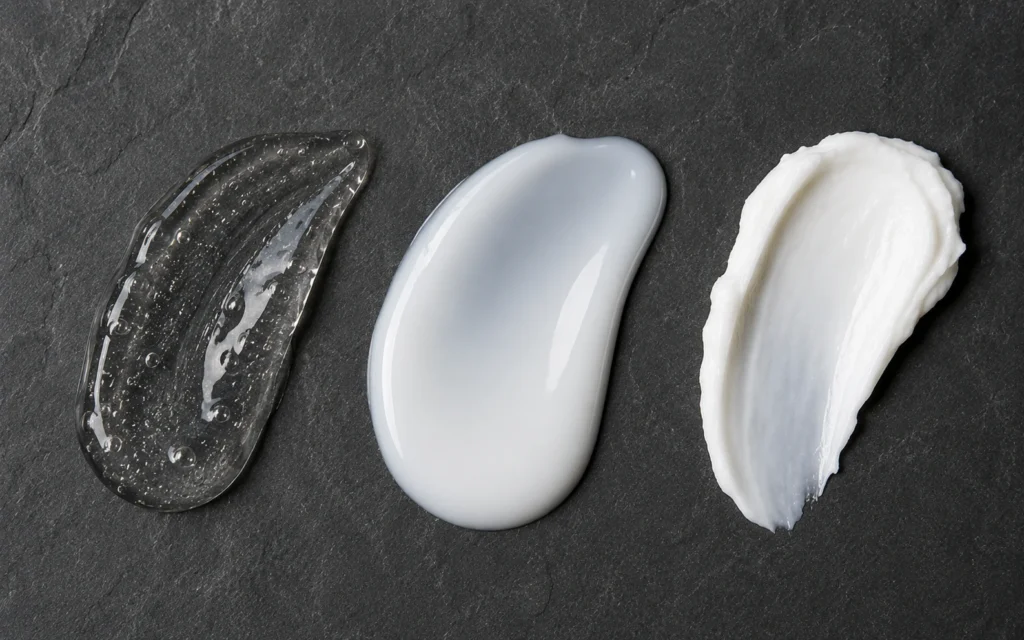
Establishing an effective body care routine does not require an hours-long commitment or an expensive vanity cabinet. It requires performing the right steps, in the correct order, using formulas that contain validated active ingredients. Follow this direct four-step sequence to build your daily habit.
Step 1: Cleanse Without Stripping the Barrier
Cleanse your skin using lukewarm water and a soap-free, non-stripping body wash. Standard commercial bar soaps rely on high-pH sodium tallowate or sodium cocoate, which dissolve your skin’s natural lipid barrier and leave it tight and dry. Instead, look for liquid cleansers utilizing mild surfactants like coco-glucoside or sodium cocoyl isethionate. (2025–2026 rates — verify before travel for local product availability).
Keep your shower time under 10 minutes. Excessively hot water melts away the protective oils your skin naturally secretes, triggering immediate irritation. Focus the cleanser primarily on sweat-prone areas—underarms, groin, and feet—allowing the running water to rinse the rest of your limbs without aggressive scrubbing.
Step 2: Exfoliate Strategically (Twice a Week)
Skip the abrasive walnut shell scrubs and harsh loofahs entirely. Physical scrubbing creates micro-tears in the skin surface, introducing bacteria and worsening conditions like keratosis pilaris (rough bumps on the back of arms). Use a liquid or cream chemical exfoliant containing alpha-hydroxy acids (AHAs) like lactic acid, or beta-hydroxy acids (BHAs) like salicylic acid.
Lactic acid works exceptionally well for dry skin because it sloughs off dead cells while simultaneously acting as a humectant to draw water into the skin. Limit this step to two evenings per week. Apply the chemical exfoliant to clean, dry skin after your shower, allowing it to absorb completely before moving to your moisturizing step.
Step 3: Hydrate Immediately on Damp Skin
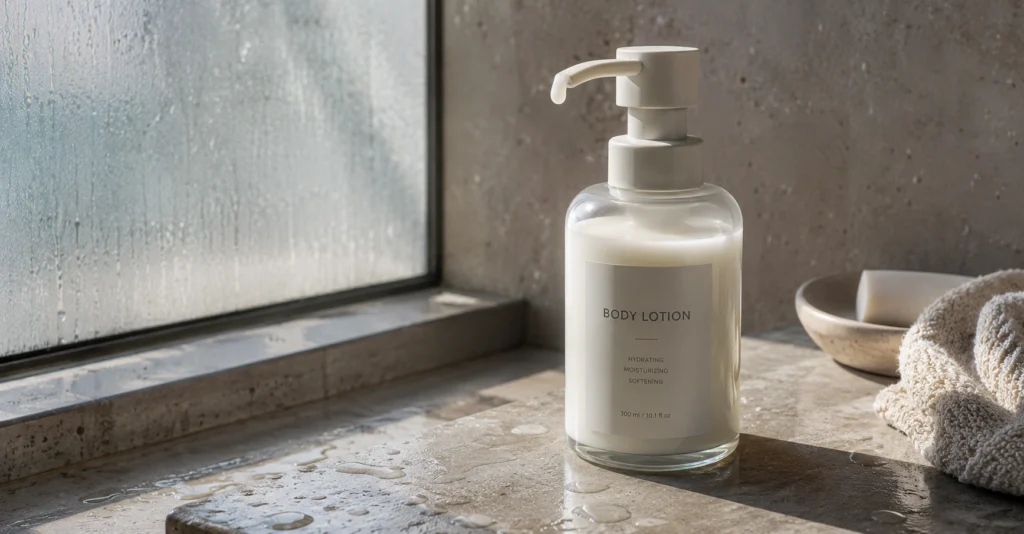
The absolute golden rule of body care is the three-minute moisture window. Do not dry yourself completely with your towel; instead, pat the skin gently, leaving a thin layer of residual dampness on your body. Apply your chosen body lotion or cream immediately over this damp surface.
This timing allows humectants like glycerin or hyaluronic acid to grab that surface water and pull it into your stratum corneum. At the same time, occlusive ingredients like shea butter or petrolatum form a seal to prevent that water from evaporating. If you wait until your skin is completely bone-dry to apply moisturizer, you lose more than half of the product’s hydrating potential.
Step 4: Protect Exposed Areas Daily
Apply a broad-spectrum sunscreen with an SPF of at least 30 to any skin that will see daylight. Your neck, chest, forearms, and the tops of your feet are highly vulnerable to cumulative ultraviolet radiation. UV exposure breaks down collagen and elastin proteins, leading directly to thinning skin, dark spots, and loss of elasticity over time.
Make sunscreen application the non-negotiable final step of your morning routine before walking out the door. Choose a fluid, lightweight formula for daily wear so it absorbs quickly without leaving a sticky residue on your clothes.
Common Body Care Mistakes and Exactly How to Avoid Them
The biggest blunder beginners commit is drowning their skin in heavily fragranced body oils without applying a proper water-based lotion first. Pure oils do not contain water; they are strictly emollient or occlusive. If you slather oil onto parched, dry skin, you simply create a shiny, greasy barrier over dehydrated cells, leaving the skin underneath just as dry as before.
[CORRECT MOISTURE COCKTAIL]
Damp Skin ➔ Water-Based Lotion (Humectant) ➔ Body Oil (Occlusive Seal)
Another widespread failure is using a standard body wash on areas experiencing active breakouts, like the upper back or chest. Normal cleansers cannot penetrate pores deeply enough to clear out trapped sebum and dead skin cells.
If you deal with body acne (“bacne”), swap your regular body wash for a treatment cleanser containing 2% salicylic acid or 5% benzoyl peroxide. Leave the lather on the affected areas for exactly 2 minutes before rinsing to let the medicine work.
Finally, avoid storing your body loofah inside a damp, unventilated shower stall. Synthetic mesh loofahs are notorious breeding grounds for bacteria, mold, and yeast due to the warm, humid environment. Replace them with silicone body scrubbers that dry completely within minutes, or simply use your hands to wash your body.
Target Recommendations: Products That Earn Their Place
This section details specific, accessible product categories that deliver reliable results without requiring a luxury budget. Every recommendation focuses entirely on formulation performance and skin compatibility.
- For Dry and Sensitive Skin: Opt for a thick, fragrance-free barrier cream packaged in a tub rather than a pump bottle. Creams contain a higher ratio of oil to water than fluid lotions, making them significantly more effective at repairing flaky skin. Look for formulations containing ceramides (specifically Ceramide NP, AP, and EOP) and 1% colloidal oatmeal to soothe inflammation and lock in moisture for a full 24 hours.
- For Oily or Acne-Prone Skin: Use a lightweight, oil-free lotion that features niacinamide (Vitamin B3) and zinc PCA. Niacinamide is a powerhouse ingredient that regulates oil production, strengthens the skin barrier, and fades the dark spots left behind by healed blemishes. These fluid formulas absorb into the skin within 30 seconds, leaving a comfortable matte finish that will not clog pores.
- For Rough, Bumpy Texture: Invest in a dedicated treatment lotion containing 10% to 12% lactic acid or ammonium lactate. This concentration gently dissolves the structural bonds holding dead skin cells together, smoothing out rough areas on your elbows, knees, and back of the arms within two weeks of daily use. (Expect a mild, transient tingling sensation upon initial application).
Frequently Asked Questions About Building a Daily Body Care Routine
How long does it take to see results from a new body care routine?
Surface hydration improves within 24 hours of using a well-formulated moisturizer. Structural improvements, such as reduced roughness or faded hyperpigmentation from active ingredients like lactic acid or niacinamide, require 4 to 6 weeks of consistent, daily application to become visible due to the natural skin cell turnover cycle.
Can I use the same products on my body and my face?
Body lotions and cleansers generally feature thicker textures and higher concentrations of emollient fats that can clog facial pores and cause acne breakouts. While facial serums can safely be used on your neck and chest, products formulated specifically for the body should remain below the jawline.
Is a daily shower necessary for healthy body skin?
Daily rinsing is standard for hygiene, but scrubbing your entire body with harsh soap every 24 hours often irritates dry or sensitive skin types. Focus your daily cleansing efforts on areas prone to sweat, such as the underarms and groin, and rinse the rest of your limbs with plain, lukewarm water.
Continue Exploring Your Skincare Journey
- master skincare framework: Read our comprehensive master skincare framework to understand how to seamlessly coordinate your facial routine with your new daily body care habits.