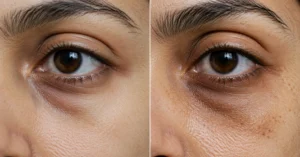
The difference between people who seem to have consistently healthy skin and people who are always fighting dryness, rough patches, or irritation usually isn’t genetics alone. It’s routine.
Most beginners assume body care means buying more products. It rarely does. A straightforward routine built around cleansing, moisturizing, sun protection, and occasional exfoliation will do more for your skin than a bathroom shelf packed with products you use twice and forget.
I learned this the hard way after spending months trying different body scrubs while ignoring moisturizer altogether. My elbows stayed rough, my legs stayed dry, and the expensive scrub wasn’t the problem. The missing step was the simplest one.
This body care guide focuses on what actually matters: the habits, ingredients, and product types that help maintain healthy skin over time. You’ll know where to start, what to avoid, and how to build a body care routine you can realistically maintain.
Quick Overview: The Five Steps Every Beginner Needs
| Step | Frequency | Main Goal | Key Ingredients |
|---|---|---|---|
| Cleanse | Daily | Remove sweat, dirt, oil | Glycerin, mild surfactants |
| Moisturize | Daily | Prevent moisture loss | Ceramides, glycerin, shea butter |
| Exfoliate | 1–3 times weekly | Remove dead skin buildup | Lactic acid, glycolic acid, urea |
| Protect | Daily when exposed | Prevent sun damage | Broad-spectrum SPF 30+ |
| Adjust | Seasonal | Support changing skin needs | Depends on climate and skin type |
If you’re starting from zero, focus on cleansing, moisturizing, and SPF first. Exfoliation can come later. Most beginners see noticeable improvements from those three steps alone within two to four weeks of consistency.
What Healthy Skin Rewards — and What Neglect Usually Costs
Healthy body skin isn’t just about appearance.
The skin acts as your largest protective barrier. When that barrier becomes compromised, dryness, irritation, itching, and sensitivity often follow. You may notice flaky knees, rough elbows, tightness after showering, or recurring irritation from clothing friction.
One of the biggest misconceptions in body care is believing discomfort is normal. Skin shouldn’t constantly feel tight after a shower. It shouldn’t itch every evening. It shouldn’t feel rough simply because winter arrived.
A consistent routine helps maintain:
- Better hydration levels
- Reduced dryness and flaking
- Improved skin texture
- More comfortable skin year-round
- Reduced appearance of rough patches
- Better support for the skin barrier
And the benefits compound. A moisturizer used daily for six months generally produces better results than an expensive treatment used inconsistently for two weeks.
Why a Consistent Body Care Routine Matters More Than Expensive Products
The beauty industry loves complexity.
Your skin generally prefers consistency.
Many products promise dramatic transformations. Most healthy skin improvements come from repeating simple actions over time. Moisturizer isn’t exciting. Sunscreen isn’t trendy. But they’re responsible for a significant portion of visible long-term skin maintenance.
Think about hydration.
Applying a ceramide-based moisturizer once every ten days won’t do much. Applying it every day after a shower can noticeably improve skin softness and comfort within a few weeks.
This is where beginners often make the wrong investment. They buy specialized treatments before building the foundation.
Build the habit first.
Then decide whether you need anything else.
A Routine-First Body Care Guide for Beginners

Step 1: Cleanse Without Stripping Your Skin
Body cleansing should remove sweat, oil, sunscreen, and daily buildup.
It shouldn’t leave your skin feeling squeaky.
That tight feeling many people associate with cleanliness is often a sign you’ve removed too much natural moisture.
Look for cleansers containing:
- Glycerin
- Aloe vera
- Oat extract
- Mild surfactants
Dry skin generally benefits from cream or lotion cleansers.
Oily skin often tolerates gel formulas better.
Sensitive skin usually responds well to fragrance-free options with shorter ingredient lists.
Daily use:
Once daily is sufficient for most people. Areas with higher sweat production may need additional cleansing after workouts.
Limitation:
Cleansers clean the skin. They do not replace moisturizers.
Step 2: Moisturize While Skin Is Still Slightly Damp
If there’s one step worth committing to, it’s this one.
Apply moisturizer within a few minutes of drying off after a shower. Slightly damp skin helps trap additional moisture.
Ingredients worth looking for include:
- Ceramides
- Glycerin
- Hyaluronic acid
- Shea butter
- Squalane
- Urea
Expected timeline:
- Immediate comfort improvement: first application
- Reduced dryness: 1–2 weeks
- Noticeably smoother texture: 4–8 weeks
A practical observation: many people spend money searching for softer skin while applying moisturizer only when they remember. Consistency matters far more than brand prestige.
Step 3: Exfoliate on a Schedule, Not Every Day
Exfoliation removes accumulated dead skin cells.
Done correctly, it can improve texture and help moisturizers perform better. Done excessively, it creates irritation.
Beginners usually benefit from:
- 1–2 times weekly for sensitive skin
- 2–3 times weekly for most skin types
Chemical exfoliants often provide more predictable results than aggressive scrubs.
Useful ingredients include:
- Lactic acid
- Glycolic acid
- Salicylic acid
- Urea
Texture observation:
Lactic acid formulations tend to feel gentler and are often easier for beginners than stronger glycolic acid products.
Limitation:
Exfoliation will not permanently eliminate rough skin if hydration remains poor.
Step 4: Protect Exposed Skin With SPF
This is the step most body care routines skip.
And it’s the one many dermatologists prioritize.
Areas frequently exposed to sunlight include:
- Arms
- Hands
- Neck
- Chest
- Legs during warmer months
Use broad-spectrum SPF 30 or higher.
Daily sunscreen helps reduce:
- Premature aging
- Uneven pigmentation
- Sun damage accumulation
Expected benefit:
Protection is preventative. The goal isn’t seeing a dramatic change tomorrow. The goal is avoiding damage that becomes visible years later.
Step 5: Adjust for Climate, Season, and Skin Needs
Your routine shouldn’t stay identical all year.
Winter often demands:
- Richer moisturizers
- Reduced exfoliation frequency
- Shorter hot showers
Summer may require:
- Lighter lotions
- Increased sunscreen use
- More frequent cleansing after sweating
A routine that works perfectly in January may feel excessive in July.
Adaptation isn’t inconsistency. It’s maintenance.
Common Body Care Mistakes That Waste Time and Money
Using Very Hot Water
Hot showers feel great.
Your skin often disagrees.
Long, hot showers can increase moisture loss and worsen dryness.
Exfoliating Too Frequently
Many beginners assume more exfoliation means faster results.
Usually it means irritation.
Twice weekly is often enough.
Ignoring Sunscreen
People protect their face and forget their body.
The backs of hands, forearms, and neck often receive years of cumulative exposure.
Choosing Products Solely Because They’re Popular
A viral product isn’t automatically suitable for your skin type.
Dry skin, oily skin, and sensitive skin frequently require different formulations.
Expecting Immediate Results
Most meaningful body care improvements require consistency.
Give products enough time to work before replacing them.
Body Care Product Recommendations by Skin Type
Dry Skin
Focus on hydration and barrier support.
Useful ingredients:
- Ceramides
- Shea butter
- Urea
- Glycerin
Expected results:
2–6 weeks of regular use for noticeable texture improvement.
Oily Skin
Look for lighter textures.
Useful ingredients:
- Niacinamide
- Glycerin
- Lightweight humectants
Heavy occlusive products may feel uncomfortable for some users.
Sensitive Skin
Prioritize simplicity.
Look for:
- Fragrance-free formulas
- Minimal ingredient lists
- Barrier-support ingredients
Patch testing new products remains a smart habit.
Combination Skin
Different body areas may need different approaches.
The shoulders and upper back may tolerate lighter products, while elbows and knees often benefit from richer moisturizers.
One product doesn’t have to solve every problem.
What to Skip — and What to Do Instead
Skip buying five products on day one.
Start with:
- Gentle cleanser
- Moisturizer
- SPF 30+
Use those consistently for a month.
Then evaluate what’s missing.
Many beginners discover they don’t need half the products they initially planned to buy.
And that’s a good outcome.
Frequently Asked Questions About Body Care
How long does it take to see results from a body care routine?
Most people notice improved comfort and hydration within one to two weeks. Texture improvements often become more noticeable after four to eight weeks of consistent use.
Do I need a separate body moisturizer and face moisturizer?
Not always. The main difference is formulation. Many body moisturizers are heavier and more economical for larger areas, while facial moisturizers are often designed for different skin concerns.
How often should I exfoliate my body?
Most beginners do well with one to three sessions weekly depending on skin sensitivity. Daily exfoliation is unnecessary for most skin types.
Is body sunscreen necessary if I only spend short periods outside?
Yes. Regular daily exposure accumulates over time. Areas like hands, arms, and neck often receive significant sun exposure even during short outdoor activities.
What’s the most important step in a beginner body care routine?
Moisturizing consistently after cleansing delivers the most noticeable improvement for many beginners. Add sunscreen for long-term skin protection.
Continue Exploring
- beauty guide: If you’re building a complete personal care routine, the beauty guide helps connect body care, skin care, hair care, and eye care into one practical system.
- hair care guide: Healthy hair and healthy skin often benefit from the same principle: simple routines performed consistently over complicated routines abandoned after a week.