Kyoto in the middle of the day can feel less like an ancient imperial capital and more like an active logistics exercise in crowd management. By 10:00 AM, the historic wooden alleys of Ninenzaka are tightly packed with tour groups, and the platforms of the central bus terminal are bogged down with long queues of travelers waiting to reach the major temples.
For first-time visitors, the smartest survival strategy is to use the city purely as an early morning and evening base. During the high-density midday hours, you should leverage the incredibly efficient regional rail system to step outside the city lines. This independent guide to day trips from kyoto breaks down the real travel times, exact ticket costs, and pragmatic trade-offs of the best regional escapes to keep your trip running smoothly.
Quick Reference: Regional Rail Logistics
| Destination | Preferred Transit Line | Exact Journey Time | One-Way Ticket Cost | Core Draw |
| Nara | Kintetsu Limited Express | 35 minutes | ¥1,280 | Todai-ji giant Buddha & free-roaming deer |
| Uji | JR Nara Line (Rapid) | 17 minutes | ¥240 | High-grade matcha & 10th-century architecture |
| Himeji | JR Sanyo Shinkansen | 44 minutes | ¥4,930 | Original 17th-century samurai fortress |
| Osaka | JR Kyoto Line (Special Rapid) | 29 minutes | ¥580 | Aggressive street-food culture & neon hubs |
The Reality of Day Trips from Kyoto: What Regional Rail Rewards and What It Punishes
Kansai’s transport web rewards surgical departure planning and heavily punishes lazy travelers who step onto the first train they see on the platform. First-time visitors frequently make the mistake of boarding “Local” trains, which pull into every single residential station along the tracks and double your time in transit. To maximize your daylight hours, you must look at the digital overhead platform displays and exclusively board trains marked as Special Rapid Service (Shin-Kaisoku) or Express (Kyuko). These lines bypass minor commuter hubs entirely while charging the exact same base fare as the slower alternatives.
The entire system operates on a split landscape of competing private train companies and the national Japan Rail (JR) network. Because these companies run out of entirely separate station complexes in the same town, an error in layout reading can leave you stranded a mile away from your target entrance. For example, selecting the wrong platform in Kyoto can deposit you at JR Nara Station instead of Kintetsu-Nara Station—a mistake that tacks a boring 20-minute uphill asphalt walk onto your morning before you even see a temple gate.
The Four Essential Kyoto Day Trips Worth the Journey (And Exactly How to Choose)
Nara: The Imperial Heavyweight
Nara represents the standard baseline for a regional excursion, providing an scale of wooden architecture that easily rivals Kyoto’s best structures. For a seamless trip, walk past the initial clusters of bowing sika deer near the park entrance; these specific animals are highly habituated, aggressive food-seekers that will bite at pockets for crackers.
Instead, head directly up the stone paths toward the rear terraces of Nigatsu-do, where the crowds drop by 80% and you can sit on an elevated wooden veranda overlooking the entire valley for zero cost.
The Lived-Experience Reality: Todai-ji is home to a massive 15-meter-tall bronze Buddha housed within the world’s largest wooden building. It is a staggering feat of engineering, but by 11:00 AM the main hall becomes an echoing chamber of school tour groups. Arrive at the gates at 8:00 AM sharp to experience the space in absolute silence before the tour buses drop off their passengers.
Uji: The Culinary Escape
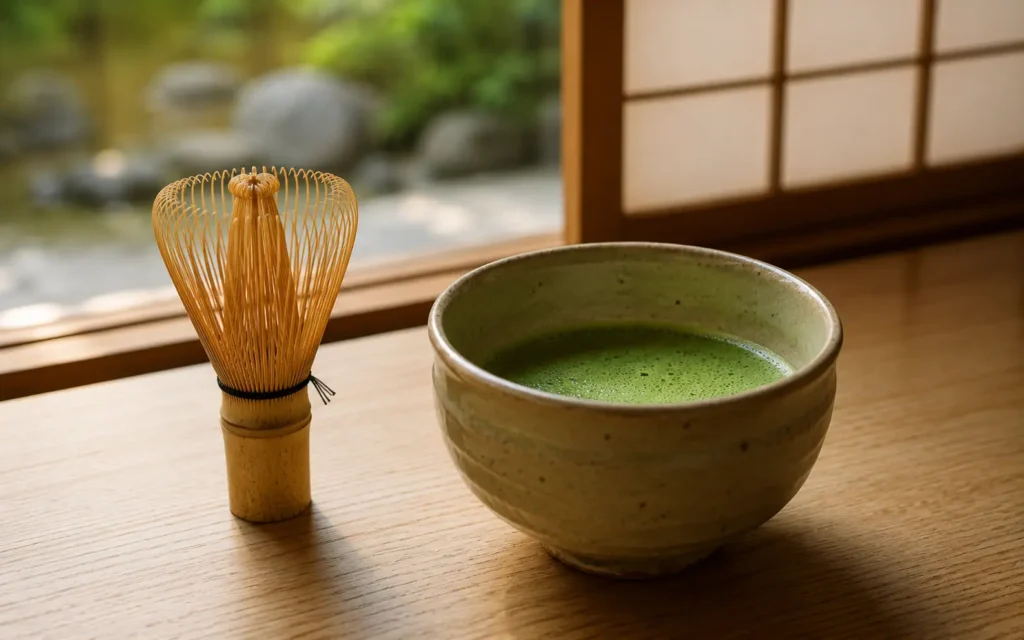
Uji is a low-lying riverside town located just a handful of stops down the tracks, making it the most layout-efficient afternoon getaway on the list. For first-timers, this town offers an immediate education in authentic green tea production away from commercialized city souvenir shops. Walk down Uji Renge street, where the air smells intensely of roasted tea leaves from wood-fired ovens, and find an independent shop to drink a bowl of frothy, stone-ground matcha that costs roughly ¥600.
The architectural centerpiece here is Byodoin Temple, an 11th-century structure that appears to float over a wide reflective pond. The main Phoenix Hall is so culturally significant that its silhouette is stamped onto the back of the Japanese 10-yen coin. The base entry fee to the manicured gardens and the subterranean museum is ¥600, but you should immediately pay the supplemental ¥300 fee at the interior ticket booth to gain timed-entry access inside the historic wooden hall itself (2025–2026 rates — verify before travel).
Himeji: The Architectural Masterpiece
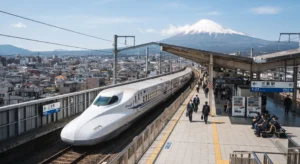
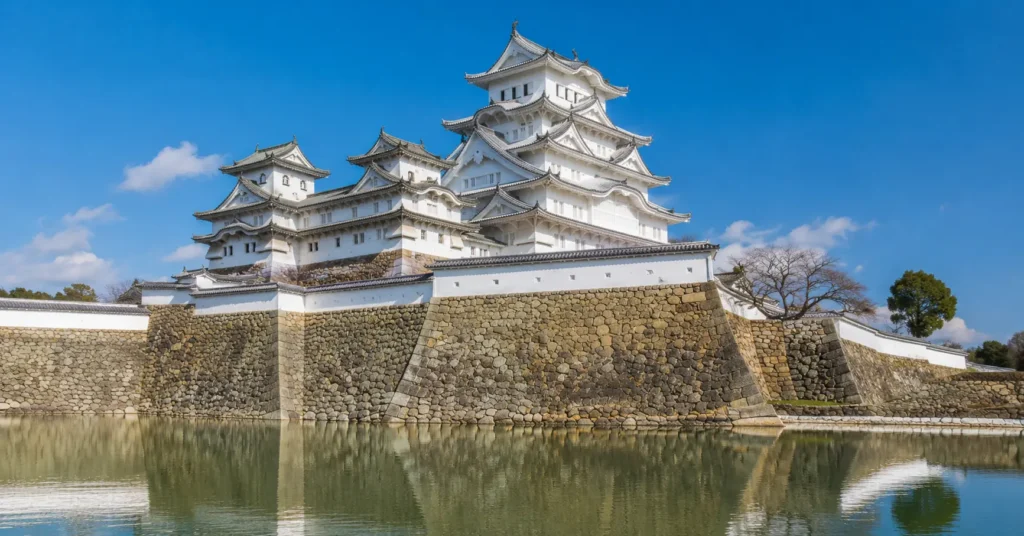
Himeji is the definitive choice for travelers who want to see a genuine samurai fortress rather than a modern concrete reconstruction with elevators inside. Unlike Osaka Castle—which is an artificial concrete shell built in 1931 with an interior museum gift shop—Himeji Castle is an original 17th-century defensive complex that survived wartime bombing raids completely intact. A one-way trip via the Shinkansen bullet train takes 44 minutes and costs ¥4,930, but the sheer historical value of the site thoroughly justifies the price premium.
Inside the keep, you must remove your shoes at the entrance and carry them in a plastic bag as you ascend six stories of steep, narrow wooden ladders. The interior design is entirely functional, featuring dark timber gun ports, hidden warrior ambush chambers, and massive cedar pillars that have anchored the weight of the roof for over 400 years. Combined entry tickets for the castle and the adjacent Koko-en samurai-style gardens cost exactly ¥1,050 (2025–2026 rates — verify before travel).
Osaka: The Neon Counterweight
Osaka is the gritty, loud anti-Kyoto, trading quiet zen bamboo groves for multi-story neon signs, crowded concrete canals, and aggressive street-food culture. Take the JR Special Rapid Service train for ¥580 to arrive at Osaka Station in under 30 minutes, then ride the subway down to the central Namba district.
Skip the generic sit-down restaurants along the main drag and head directly into the narrow alleys of Hozenji Yokocho, where lanterns illuminate moss-covered stone paths and tiny counters serve savory okonomiyaki (cabbage pancakes) for roughly ¥1,200.
Transit Mechanics: How to Navigate Regional Kansai Trains Without Getting Lost
For an uncompromised experience with where to go from kyoto, you should completely ignore the national Japan Rail Pass if your itinerary stays localized within the Kansai region. Following the sharp nationwide price adjustments, a 7-day whole-country pass sets you back ¥50,000 (2025–2026 rates — verify before travel). Local transit tickets between Kyoto, Osaka, and Nara are remarkably inexpensive; running a classic regional loop to Nara and back costs a total of less than ¥1,500 using your digital wallet.
+--------------------------------------------------------------------------+
|                     REGIONAL TRANSIT PLATFORM LOGIC                      |
|                                                                          |
|  [BOARD THESE]  Special Rapid (Shin-Kaisoku)  --> Bypasses minor stations|
|                 Express (Kyuko)               --> Rapid commuter link    |
|                                                                          |
|  [AVOID THESE]  Local (Futsu)                 --> Stops at every village |
+--------------------------------------------------------------------------+
Instead of paper tickets, pre-load your smartphone’s digital wallet with a local IC card before you leave your hotel. Tap your device across the illuminated reader plate at the turnstile gate; the system locks your entry point instantly and deducts the correct fare when you tap out at your destination platform.
If you choose to take the premium Kintetsu Limited Express train to Nara for the guaranteed seat reservation and faster time, you simply buy a separate ¥510 limited express supplement ticket at the digital platform vending machines before boarding the train car.
What to Skip Close to Kyoto — And Where to Go Instead
Skip the heavily promoted daytime monkey park and bamboo forest walks in Arashiyama if you are searching for quiet natural atmosphere. By midday, the main Arashiyama river bridge is choked with traffic, and the fenced bamboo walkways are so densely crowded with smartphone gimbals that the natural rustle of the trees is completely drowned out by noise. It is an exhausting exercise that rarely matches the expectations set by heavily edited online travel videos.
Instead, spend your morning taking a 30-minute train ride north on the Eizan Electric Railway to the quiet mountain villages of Kibune and Kurama. This route costs a total of ¥430 each way and deposits you into a deep forested valley where a stone trail climbs through giant cedar trees and past hidden mountain shrines.
You can hike the 4.7-kilometer path connecting the two mountain outposts in roughly two hours, breathing in crisp air and encountering a fraction of the crowds found on the flat city circuit.
Frequently Asked Questions About Day Trips from Kyoto
Can I use the standard Suica or Pasmo IC card for day trips from Kyoto to Nara or Osaka?
Yes, digital and physical IC cards like Suica, Pasmo, and ICOCA work seamlessly on the JR West lines, Kintetsu Railway, and Hankyu Railway networks connecting Kyoto to Nara, Uji, and Osaka. Simply tap at the entry and exit turnstiles.
Is the JR Pass worth it if I am only doing day trips around the Kansai region from Kyoto?
No, the national JR Pass is an enormous waste of money for regional travel. Local individual train tickets or IC card fares to Nara, Uji, or Osaka range from ¥250 to ¥990 each way. You would need to take multiple long-distance Shinkansen bullet trains to break even on a ¥50,000 pass.
What is the fastest way to get from Kyoto to downtown Nara?
The Kintetsu Limited Express train from Kyoto Station gets you to Kintetsu-Nara Station in exactly 35 minutes for ¥1,280. The Kintetsu station is located right in the city center, placing you roughly 15 minutes closer to Nara Park on foot than the competing JR Nara Station.
Continue Exploring
- Honest Kyoto Guide: Read our comprehensive guide to mastering Kyoto’s historic inner neighborhoods before the crowds arrive.
- Japan Travel Playbook: Get the complete baseline strategy on costs, cultural rules, and bullet train mechanics across the country.