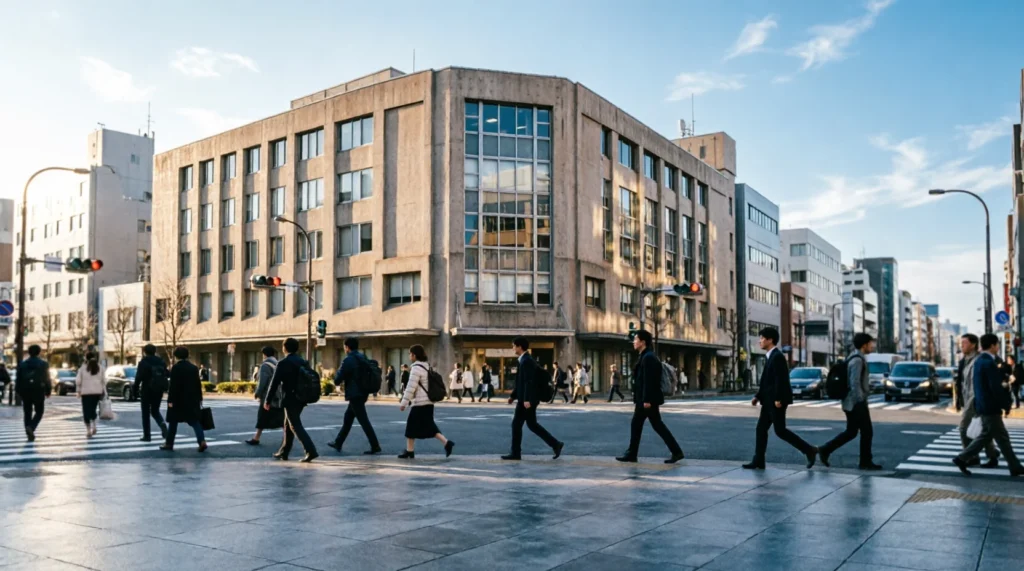
The first time you step out of Shin-Osaka Station at 7:14 AM, you notice the floor is already clean. Not freshly mopped-clean, but maintained-clean, the way a city stays clean when forty thousand office workers walk over it before lunch. Osaka does not perform for visitors. It operates. The trains run on a logic that rewards preparation over improvisation.
You will eat more here than in Tokyo, spend less on lodging, and realize within two days that the standard itineraries got the pacing wrong. This osaka travel guide breaks down neighborhoods, transit routes, real costs, and the exact order you should eat in so you waste zero hours waiting in lines that never move.
Quick Overview
Osaka sits in the Kansai region, anchored by the Yodo River delta. It functions as Japan’s commercial engine and the historical counterweight to Kyoto’s imperial reserve. When visiting osaka, you are entering a merchant city built on commerce, not ceremony. The climate is humid subtropical.
Summer hits 35°C with heavy humidity from July through September. Winter runs dry and cold from December to February, averaging 6°C. You will navigate the city via the Osaka Metro and JR West loop lines. The grid is logical, but addresses are assigned by plot of land, not street name. Rely on station exit numbers and visible intersections. Street signs exist, but they are secondary.
Top Things to Do
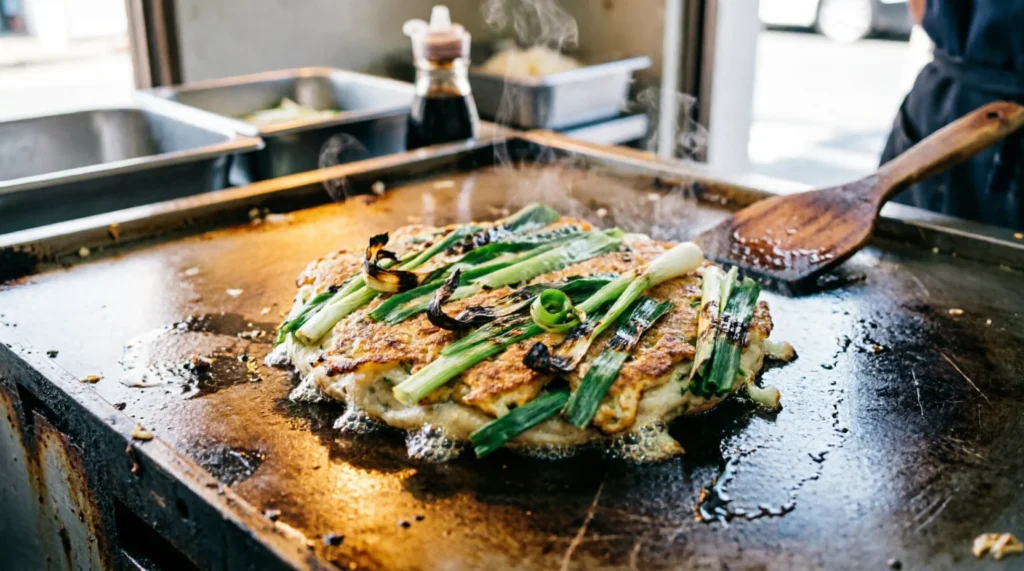
Dotonbori at 8 PM is a wall of bodies waiting for gyoza that tastes exactly like it does in the mall food court upstairs. Skip it. Walk two blocks north into Ura-Namba’s covered shotengai, where a ¥650 plate of negiyaki is flipped on an iron griddle by a cook who has worked the same counter since 1994. For historical depth, Osaka Castle’s stone walls survived centuries of conflict while the current concrete keep replaced the original in 1931.
The moat and Ninomaru Garden remain original. They hold up under the midday sun, and the entry path requires exactly twelve minutes from the subway exit. If you want a temple that functions as a neighborhood anchor rather than a photo stop, head to Hozen-ji in Namba. The moss path requires shoe removal. The entrance fee is ¥300. The air inside drops ten degrees in summer, and monks still sweep the gravel at 6 AM.
When you are planning things to do osaka, prioritize Kuromon Market before 9 AM. The tuna auctions finish by 8:30. The stalls selling dried seafood operate on wholesale margins. By noon, the same alleys serve seafood that has already sat out past safe temperature windows.
Where to Stay
Namba offers direct airport access via the Nankai Line. The trade-off is street noise after midnight when the izakayas close their doors and spill onto the pavement. Shinsaibashi sits one station north on the Midōsuji Line. It trades proximity to the airport for wider sidewalks and older business hotels with 14-square-meter rooms that maximize vertical storage. Umeda connects to JR lines, Hankyu, and Hanshin. It is a transit hub, which means your hotel window will face a concrete canyon rather than a residential street.
Book a room facing the courtyard. Expect to pay ¥11,000–¥22,000 for a clean, recently renovated unit with an en suite bath that fits one person at a time. (2025–2026 rates — verify before travel). Reserve through Agoda or the hotel’s direct booking portal. Walk-in rates run twenty percent higher, and the front desk will not negotiate after 10 PM.
Getting Around
The Osaka Metro runs eight color-coded lines. You will use the Midosuji Line most. It moves one hundred thousand people an hour at peak, and the painted platform markers align exactly with the train door seams. Buy an ICOCA or Suica IC card at any station kiosk. Tap in. Tap out. The system charges by distance automatically. Do not buy paper single-ride tickets. They do not save money, and they force you to stand in line and recalculate fares at every transfer.
A single ride averages ¥210. A day pass costs ¥850 but only saves money after your fifth boarding. For airport transfers, the Nankai Rapi:t takes 34 minutes to Namba and costs ¥1,150 for reserved seats. The local airport express takes 48 minutes, costs ¥970, and runs every ten minutes. (Schedules change — confirm before travel). Renting bicycles works in flat zones like Tennoji, but river crossings and one-way commercial streets break the flow. Stick to rail. The system works because everyone agrees it does.
Budget Guide
Osaka runs cheaper than Tokyo but costs more than rural Kansai. A daily average of ¥12,000–¥18,000 covers mid-range lodging, two subway rides, street food lunches, and one sit-down dinner. Street bowls of ramen and curry hit ¥900–¥1,200. Convenience store bento runs ¥600–¥800. A sit-down kaiseki meal or high-end yakiniku starts at ¥6,000 and climbs fast. Tap water meets municipal safety standards.
Fill your bottle at the hotel. Tipping does not exist. You will leave awkward money on the counter if you try. (2025–2026 rates — verify before travel). If you are building an osaka vacation guide around a tight budget, eat lunch at teishoku restaurants. They serve rice, miso, pickles, and one protein for ¥800–¥1,100. The same dishes cost ¥1,500–¥2,000 after 5 PM. Drink water. Skip the themed character cafes. The math holds across three days and scales predictably if you stay longer.
Sample Itinerary
Day 1: Land at KIX. Take the Nankai Line to Namba. Drop bags at your hotel. Walk the Shinsaibashi-suji shotengai. Eat negiyaki at a counter with four stools. Sleep by 10 PM to reset your circadian rhythm before navigating trains.
Day 2: Start at Osaka Castle at 8 AM before the tour buses arrive. Walk to Tennoji via the park path. Ride the JR Loop Line to Umeda. Eat at the Hanshin Department Store basement food hall, which operates on strict turnover schedules.
Day 3: Take the JR Yumesaki Line to Universal Studios Japan before gates open, or stay in the city and take the Midōsuji Line to Shin-Osaka for a morning market run. The theme park demands eight hours. The city run finishes in four. Return to Namba. Book a ferry to Awaji if you want coastal quiet. The schedule is rigid. Follow it.
Pro Tips
Hotels charge by person, not room, if you book single occupancy in business properties. Double-check the rate structure before you pay. Convenience stores print boarding passes, refill transit cards, and sell prepaid SIMs. Use FamilyMart or Lawson; 7-Eleven has fewer functional machines for foreign cards. Umbrellas are ¥500 at street vendors. They invert in heavy wind. Buy a transparent ¥1,000 model at a department store instead.
Vending machines sell hot coffee in winter. Look for the red pull-tab cans. The city enforces plastic bag charges at checkout. Carry a foldable tote. Public trash bins are rare on commercial streets. You will carry wrappers back to your hotel room. Accept it. It keeps the drainage grates clear. For a complete breakdown of national transit connections and regional routing logic, see our japan travel guide.
Frequently Asked Questions About Osaka Travel
How many days do you need in Osaka?
Three full days covers the central wards, transit orientation, and one coastal or historical side trip. Two days forces you to skip Umeda’s museum district or cut short the food corridors. Book four if you plan day trips to Nara or Kobe. The train links make them possible, but they require separate morning departures.
Is Osaka safe to walk at night?
Yes. Street lighting covers main arteries, and petty theft targets bags, not pedestrians. Keep your phone in a front pocket. Ignore touts in Dotonbori’s side alleys after midnight. They promise cheap drinks and deliver marked-up bills. Keep walking toward the main crossing, and you will have zero issues.
Can I use my credit card everywhere?
Not reliably. Department stores and chain restaurants accept Visa and Mastercard. Independent izakaya, market stalls, and local train ticket machines require cash. ATMs at 7-Eleven and Japan Post accept foreign cards. Carry ¥20,000 in mixed denominations. You will spend it within three days.
Continue Exploring
- japan travel guide: Read the full routing guide covering JR Pass mathematics, regional train transfers, and exact seat reservation windows for cross-country travel.
- kyoto street food guide: Compare Kansai’s culinary rhythms side-by-side to understand why Osaka’s street counters operate faster while Kyoto’s sit-down shops prioritize slow preparation.