Japan in March is a planning month, not a guessing game. In Tokyo, daytime temperatures can feel cool but workable, while northern regions still hold winter in place and southern spots may already hint at sakura. That mismatch is exactly why March trips succeed or fail: you need the right city, the right week, and the patience to accept that bloom timing is never guaranteed.
I have watched first-time visitors build their entire trip around cherry blossoms, then act surprised when the calendar did not cooperate. The smarter move is to treat March as a shoulder month with a bonus: plum blossoms, longer daylight, lighter crowd pressure in some places, and the first serious signs of spring.
This guide covers japan in march from a practical angle: weather, bloom timing, what to pack, what to book, and when March is the right month to go.
Overview
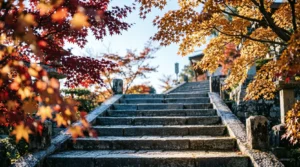
March sits between winter and peak spring, and that matters more than any glossy itinerary photo. In Tokyo and Kyoto, you may get crisp mornings, mild afternoons, and enough cold wind to make a light jacket non-negotiable. In Hokkaido, March still feels like late winter; in Kyushu, spring can arrive earlier and more convincingly.
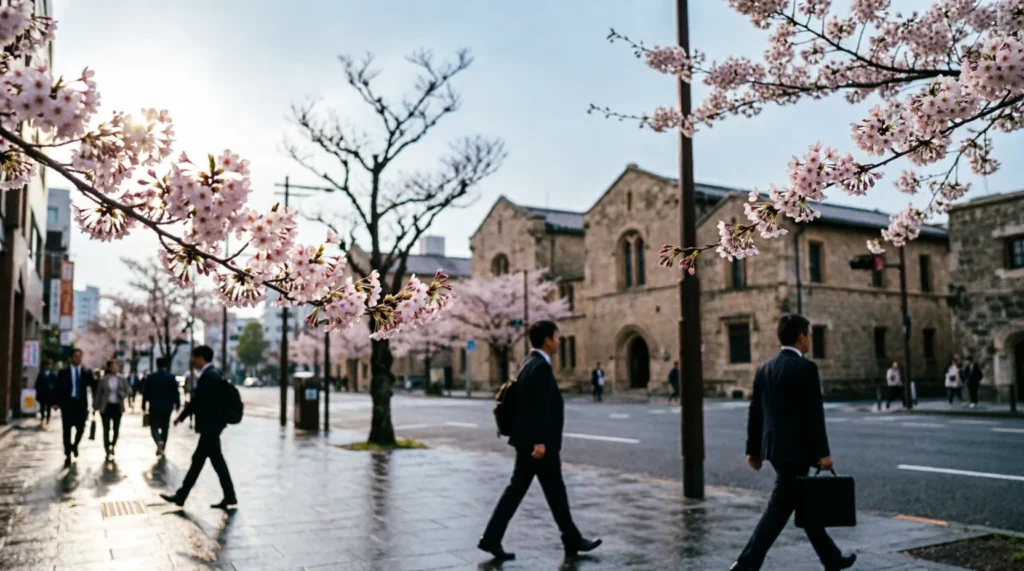
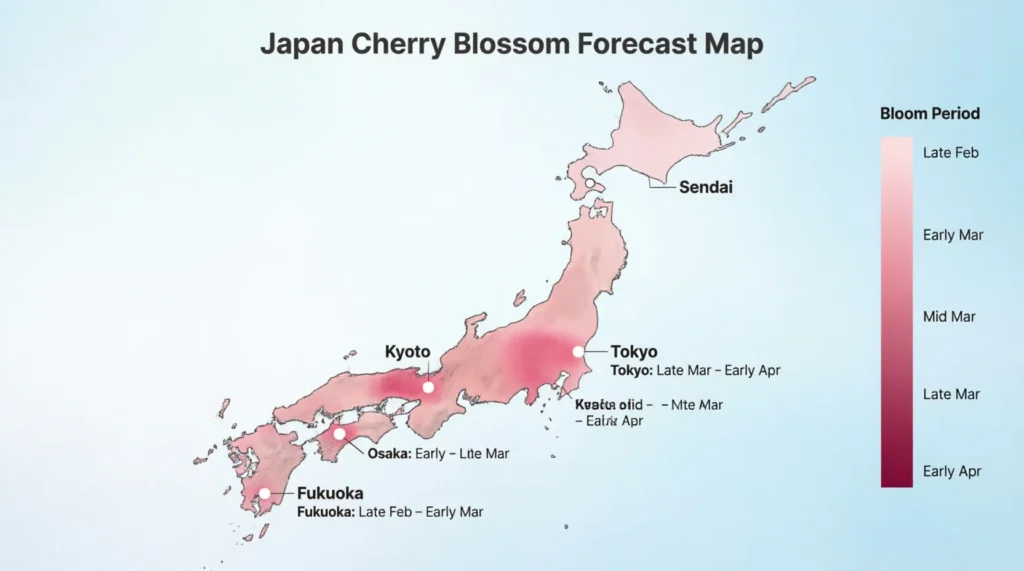
The main thing travelers misread is blossom timing. Japan spring travel is not one nationwide event but a moving window that starts earlier in warmer southern areas and shifts northward week by week. If you are visiting japan march for sakura, your odds improve when you choose flexible dates and keep one eye on updated bloom forecasts.
March also brings a quieter advantage: plum blossoms. They are less famous than cherry blossoms, which is exactly why they are easier to enjoy without elbowing through a crowd. If you want a calmer preview of spring, plum gardens often deliver more satisfaction than chasing the first rumored sakura buds.
Key Information
Early blossom viewing is usually strongest in warmer cities and in places that plant early-blooming varieties. Tokyo can show early flowers in the second half of March in some years, while cities farther south often lead the season. The exact timing changes every year, so the safest plan is to use March for a broader spring trip rather than a single flower gamble.
March is also when costs start moving upward around peak bloom dates. Hotels near major sakura spots can sell out early, and rail reservations get tighter on popular weekend departures. For that reason, japan spring planning should prioritize booking accommodation before you fine-tune the flower chase.
The JR Pass deserves a realistic look, not habit. For a route like Tokyo to Kyoto return, plus one additional long-distance leg, the pass may or may not clear the break-even point depending on class and routing; shorter March itineraries often do better with point-to-point tickets. A traveler doing only Tokyo, Kyoto, and Osaka usually needs the math checked carefully before buying.
One honest downside: March can be emotionally frustrating if your whole trip hinges on peak blossom photos. The better alternative is to build in other rewards, such as temple gardens, food markets, and one day trip that works even if the flowers arrive late.
Practical Tips
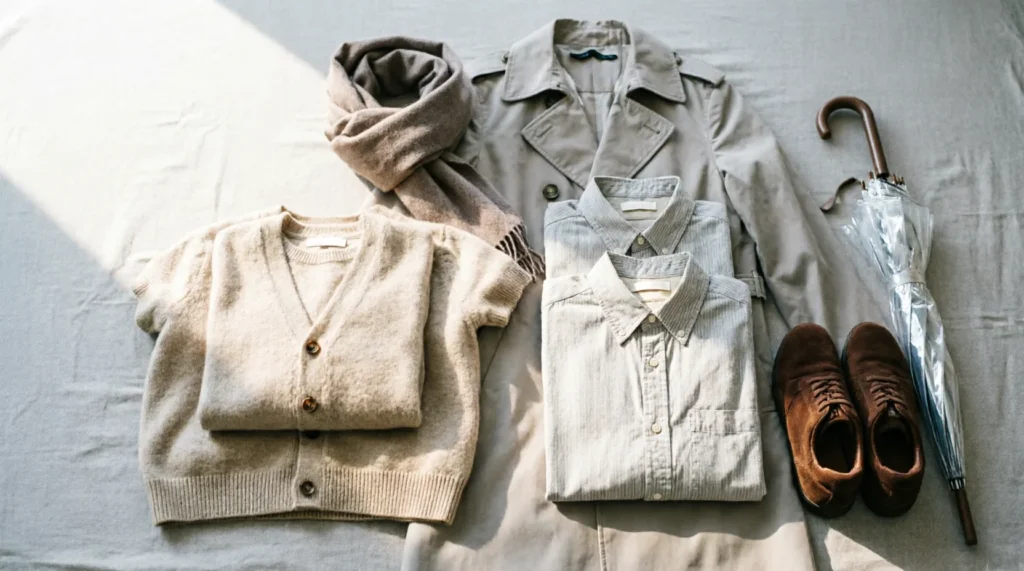
Pack for layers, not for a single temperature. A March morning in Tokyo can feel sharply different from an afternoon in Kyoto, and you will be happier with a light insulated jacket, a sweater, and shoes that can handle long station transfers. If you are heading north, add warmer gear; if you are heading south, keep the jacket but trim the bulk.
Temple and shrine etiquette is worth knowing before you arrive. Dress neatly, keep your voice down, and do not treat sacred spaces like photo sets. At many sites, photography is allowed in exterior areas but restricted inside halls or near worshippers, so look for signs rather than assuming the rule.
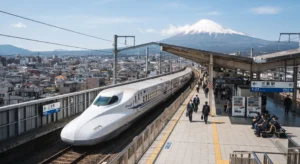
Transit planning is straightforward if you do one thing well: reserve early for long-distance segments around peak weekends. (Schedules change — confirm before travel). If your route includes multiple cities, leave room for delays, lunch breaks, and station navigation, because the Japan rail system rewards calm timing more than frantic packing.
A practical note first-timers often miss: station transfers can be fast, but not always intuitive on day one. The system is efficient because everyone follows it; once you stop fighting the order of things, moving around becomes much easier.
Recommendations
The best March trip styles are flexible. A city-based route with day trips gives you the best odds of catching early blossoms without locking every night into one forecast line. Tokyo plus Kyoto works well for most visitors, while Osaka adds food and an easier pace.
If your main goal is sakura, consider starting south or accepting that the earliest flowers are only a preview. That preview can still be worth the trip. It is better to see a few trees in bloom and enjoy the rest of the country than to spend the whole month chasing one perfect day that never arrives.
March is not the right month for travelers who want guaranteed peak blossoms in every city. The better alternative is late March to early April in central Japan, or a trip built around bloom flexibility rather than bloom certainty.
One more practical advantage: March often feels less crowded than the absolute peak spring weeks, especially outside major blossom hotspots. That means easier restaurant bookings, less crowded trains at non-peak hours, and a trip that still feels controlled instead of chaotic.
Frequently Asked Questions About Japan in March
Is March a good time to visit Japan?
Yes, March is a good time to visit Japan if you want cooler weather, early spring atmosphere, and the chance of first blossoms without committing to peak-season crowds. It is especially strong for flexible planners who can follow updated bloom forecasts and adjust cities by region.
Does Japan have cherry blossoms in March?
Yes, some parts of Japan do. Early-blooming trees and warmer regions may show blossoms in March, but full sakura season usually arrives later in central Japan. The safest approach is to treat March as an early preview, not a guaranteed full bloom month.
What should I wear in Japan in March?
Wear layers, a midweight jacket, and walking shoes. March temperatures vary by region and time of day, so a single outfit rarely works from morning to evening.
Is the JR Pass worth it in March?
Sometimes, but not always. The JR Pass is only worth it if your long-distance rail plan crosses the break-even point, so calculate the route before buying rather than assuming it saves money.
Continue Exploring
- Japan travel guide for the broader planning framework behind routes, transport, and regional timing.
- Japan spring travel for a deeper look at bloom timing, regional weather, and month-by-month planning.