Tokyo has 13 million people and runs like a mechanism. Trains arrive within 30 seconds of the scheduled time. Nobody eats while walking. The noise level in a busy ramen shop is lower than a quiet café in London. Understanding this before you arrive means you stop mistaking the order for coldness. It is not coldness; it is an entirely different social contract built on mutual respect and public space.
On my first trip, I stood on the wrong side of the escalator in Shinjuku Station for ten seconds and inadvertently caused a pedestrian logjam of fifty people. Nobody yelled. They just waited for the mechanism to clear. This japan 2 week itinerary is designed to help you enter that mechanism seamlessly, ensuring you spend your 14 days observing the culture rather than obstructing it.
Navigating the Japanese Social Contract
Before you visit a single temple, you must understand the “Invisible Rules.” In Japan, the group’s comfort is prioritized over the individual’s convenience. This manifests in small ways: you carry your trash home because public bins are rare, you keep your voice down on public transport, and you never tip. In fact, leaving money on a table at a Kyoto café will likely result in a server chasing you down the street to return it.
For return visitors, the depth lies in the Kissa culture—old-school Japanese coffee shops where time slows down. While the first-timer is at the Shibuya Crossing, the seasoned traveler is in a basement in Jinbocho, drinking charcoal-roasted coffee in a room that smells like 1950s paper. Respecting the silence in these spaces is the quickest way to earn a nod of approval from the master behind the counter.
The 14-Day Golden Route Overview
The “Golden Route” is the classic path between Tokyo, Kyoto, and Osaka. It remains the standard for a reason: it offers the highest density of cultural assets for a first-timer. However, the mistake most planners make is trying to see “everything” in Tokyo in three days. You won’t. You will only get blisters.
A successful japan 14 days plan requires a 5-5-4 split. Five days for the sensory overload of Tokyo, five days for the historical weight of Kyoto, and four days for the food-focused energy of Osaka and its surrounding day trips. This pace allows you to actually sit in a garden in Nanzen-ji for an hour rather than just taking a photo and running to the next bus.
Day-by-Day Breakdown: From Neon to Zen
Days 1–5: Tokyo (The Machine) Base yourself in Shinjuku or Akasaka for transit ease. Spend Day 1 battling jet lag in the Shinjuku Gyoen National Garden—it costs ¥500 and offers enough space to breathe. By Day 3, head to Shimokitazawa. While guidebooks push Harajuku’s Takeshita Street, it has become an overcrowded caricature of itself. Shimokitazawa offers the real “cool” Tokyo: vintage clothing stores, small theaters, and record shops where the staff actually knows their vinyl.
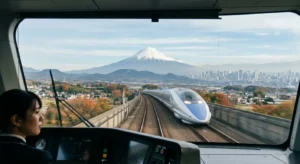
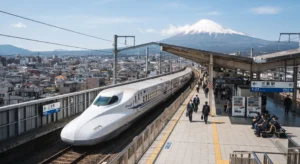
Days 6–10: Kyoto (The Memory) Take the Shinkansen (Bullet Train) from Tokyo Station. In Kyoto, the biggest disappointment is often the Gion district at 2:00 PM. It is a sea of selfie sticks. Instead, go to Gion at 6:00 AM or 10:00 PM. The silence of the wooden machiya houses is when the city actually speaks. For a genuine alternative to the crowded Arashiyama Bamboo Grove, visit the Adashino Nenbutsu-ji temple. It has its own bamboo path that is arguably more atmospheric and significantly quieter.
Days 11–14: Osaka and Nara Osaka is the “Kitchen of Japan.” Skip the overpriced sit-down tourist restaurants in Dotonbori and eat at the standing bars (Tachinomiya). In Nara, the bow-happy deer are the draw, but the Todai-ji temple is the logistical marvel. Standing beneath the 15-meter bronze Buddha is one of the few experiences that truly scales to the hype.
The JR Pass Math and Transport Logistics
The biggest shift in Japan travel for 2025–2026 is the pricing of the Japan Rail (JR) Pass. In late 2023, prices increased by roughly 70%.
For a standard 2 weeks japan itinerary (Tokyo–Kyoto–Osaka round trip), a 14-day JR Pass is no longer worth it. A 14-day pass currently costs roughly ¥80,000. The individual Shinkansen tickets for this route will cost you approximately ¥30,000. Unless you are adding a long-distance round trip to Hiroshima (an extra ¥23,000) or northern Hokkaido, you are better off buying individual tickets and using an IC card (Suica or Pasmo) for local travel.
(Schedules change — confirm before travel)
Where to Stay: Neighborhood Strategy
- Tokyo: Shinjuku is the transit king, but if you want a neighborhood feel, stay in Yanaka. It’s one of the few areas that survived WWII bombings and maintains a “Low City” (Shitamachi) vibe.
- Kyoto: Avoid staying near Kyoto Station if you want “traditional.” Look for accommodation near Sanjo or Higashiyama, where you can walk to the temples before the buses start running.
Total Costs for 2 Weeks in Japan (2025–2026)
Japan is no longer the “impossibly expensive” destination of the 1990s, but it isn’t SE Asia.
- Budget Tier: ¥12,000–¥15,000 ($80–$100) per day. Includes hostels, convenience store (konbini) meals, and limited paid attractions.
- Mid-Range: ¥25,000–¥35,000 ($170–$240) per day. Includes business hotels, 1–2 nice restaurant meals, and Shinkansen travel.
(2025–2026 rates — verify before travel)
Booking Tips for High-Demand Sites
If you want to see the Ghibli Museum or a teamLab Borderless exhibition, you must book exactly when tickets go live (usually one month in advance). For the Ghibli Museum, this often means being on the website at 10:00 AM JST on the 10th of the month. If you miss it, do not buy from scalpers; instead, look for a “walking tour” package that includes a ticket—it’s more expensive but often the only legal backdoor.
Alternative Routes for Return Visitors
If you have done the Golden Route, head to the Seto Inland Sea. Rent a bicycle in Onomichi and ride the Shimanami Kaido—a 70km series of bridges and islands. It is the antithesis of Tokyo’s density: quiet citrus groves, salt-water breezes, and a pace of life that feels decades removed from the Shinkansen.
Frequently Asked Questions About Japan Travel
Do I need cash in Japan in 2026?
Yes. While major cities and chains now accept credit cards and IC cards, many smaller shrines, traditional ramen shops, and guesthouses remain cash-only. Always carry at least ¥10,000 in your wallet for emergencies. 7-Eleven ATMs are the most reliable way to withdraw cash with foreign cards.
Is the tap water safe to drink?
Absolutely. Japan has some of the highest water quality standards in the world. You will see public drinking fountains in parks and near temples. Carrying a reusable bottle will save you roughly ¥150 per drink and reduce the massive amount of plastic waste generated by vending machines.
How do I handle my luggage on the train?
Japan recently implemented strict rules for “oversized” luggage on the Shinkansen (bags with total dimensions over 160cm). You must book a specific “luggage seat.” A better alternative is Takkyubin (luggage forwarding). For about ¥2,500, you can ship your suitcase from your Tokyo hotel to your Kyoto hotel. It arrives the next day, allowing you to travel hands-free.
Continue Exploring:
- Japan Travel Guide: A comprehensive look at the etiquette, seasons, and deeper cultural nuances of the archipelago.
- Thailand Planning: Looking for a warmer contrast? Compare the logistics of a two-week tropical route through SE Asia.