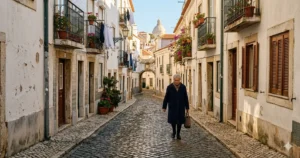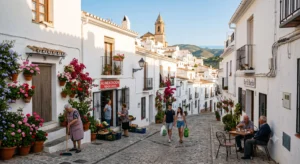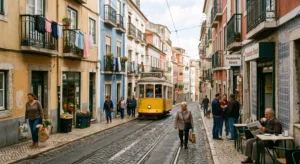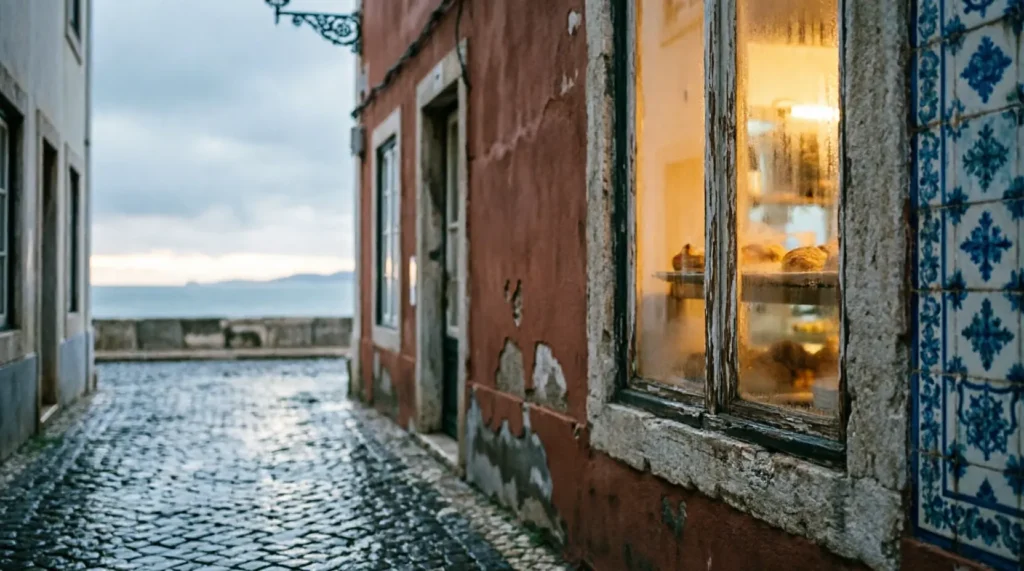
At 7:15 AM in Alfama, the cobblestones hold a thin layer of dew. A baker slides a sheet of pastéis de bacalhau onto a counter. The distant rattle of the 28E tram sounds like a metronome, not a tourist attraction. Portugal in February strips away the summer theater. The country operates at its working pace.
This post covers exact temperature ranges, transit schedules, realistic daily costs, and the places that actually function during the month, so you can pack, book, and move through Lisbon, Porto, and the interior without guessing.
Overview
February sits squarely in the winter shoulder. Daylight runs roughly 10.5 hours, with sunrise around 7:30 AM and sunset near 6:15 PM. The Atlantic pushes moisture inland, making Lisbon and Porto feel cooler than the thermometer reads. Daytime averages 11°C to 15°C (52°F–59°F), dropping to 6°C–9°C (43°F–48°F) after dark. Inland Alentejo runs slightly drier, while the northern Minho region sees the heaviest precipitation.
The landscape shifts in quiet ways. Early almond blossoms appear along the Algarve slopes. Douro Valley vineyards sit dormant, their terraces sharp against a pale sky. You will encounter shorter lines at ticket counters and empty viewing terraces, but you will also face reduced frequency on certain regional bus lines and earlier kitchen closures. Visiting Portugal in February means trading volume for pace. The trade favors travelers who plan around daylight and weather rather than against them.
Daily budgets align with the southern European tier. Expect $90–$130 per person per day for a mid-range hotel, two sit-down meals, public transit passes, and one museum entry. (2025–2026 rates — verify before travel). That number holds if you avoid coastal resort zones and book transit in advance.
Key Information
Entry requirements depend on your passport. US, UK, Canadian, and Australian citizens enter visa-free for 90 days within any 180-day period across the Schengen zone. (Verify at [official source] — rules change without notice). Border officers rarely ask for return tickets or proof of funds, but carrying digital copies satisfies the requirement if requested.
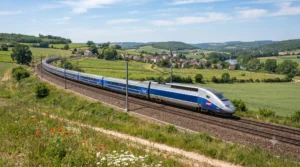
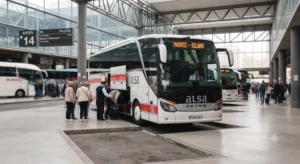
Transit runs on a winter schedule. The Alfa Pendular connects Lisbon to Porto in 2 hours 50 minutes. Regional trains to Sintra, Cascais, and Évora run every 30–60 minutes. CP.pt allows ticket purchases up to 60 days in advance. Prices scale with booking window. A Lisbon–Porto ticket bought two months out costs €22–€28. Same-day walk-up fares reach €45. (Schedules change — confirm before travel). FlixBus covers longer routes at lower prices, with departure times clustered around morning and late afternoon.
Accommodation pricing reflects seasonal demand. Lisbon hotels in the Baixa/Chiado district average €110–€145 per night for a standard double in February. Porto’s Ribeira runs €95–€130. Rural Alentejo turismo rural properties drop to €75–€100 with breakfast. Book directly to secure flexible cancellation policies. Third-party platforms charge 12–15% service fees that rarely translate to lower room rates. (2025–2026 rates — verify before travel).
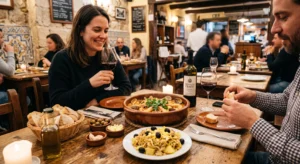
Restaurants operate normally, but kitchen hours contract. Lunch service typically runs 12:30 PM–3:00 PM. Dinner starts at 7:30 PM and ends between 9:30 PM and 10:00 PM in non-tourist neighborhoods. Tipping follows local custom: round up or leave 5% for table service. Cover charges of €1–€2 for bread and olives are standard and non-negotiable.
Practical Tips
Pack for damp cold, not dry snow. A waterproof shell, fleece mid-layer, and quick-dry trousers handle 90% of conditions. Waterproof leather boots or trail shoes with grip are essential for Lisbon’s calçada stone, which turns slick after rain. Umbrellas work for short walks, but a brimmed hat handles the Atlantic wind better in open plazas.
Book museum entries 48–72 hours in advance. The Calouste Gulbenkian Museum and the National Museum of Ancient Art in Lisbon hold steady queues on weekend afternoons. Weekday mornings at 10:00 AM clear within 15 minutes. In Porto, the Serralves Foundation runs extended hours on Thursdays, with gallery lighting optimized for winter daylight.
Schedule outdoor movement between 11:00 AM and 4:00 PM. Morning fog burns off by late morning. Coastal walks along Costa da Caparica or Foz do Douro become uncomfortable after sunset due to wind chill. Carry a thermos. Café service slows in February, and standing espresso remains faster than waiting for table service.
Download offline maps and transit apps before arrival. Cellular coverage drops in rural Alentejo villages. The Moovit app tracks Lisbon and Porto bus/tram real-time locations more accurately than official city portals during winter maintenance windows.
Recommendations
Focus your route on Lisbon, Porto, Coimbra, and Évora. Each city functions at full capacity with cultural programming that targets domestic audiences rather than summer visitors. In Lisbon, walk the Graça ridge at 8:30 AM. The miradouro faces east, catching low winter light over the river. In Porto, cross the Dom Luís I bridge on foot, then descend into the Ribeira before 9:00 AM. The stone alleys hold the day’s first deliveries, and the bakeries in Miragaia serve bolas de Berlim before the lunch rush.
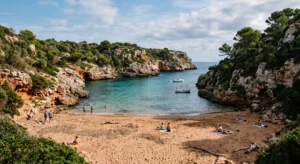
The Algarve coast in February presents an honest problem. Resorts in Albufeira and Lagos close for maintenance. Several beachside restaurants shutter until March. The water sits at 14°C–15°C, too cold for casual swimming. If your goal is coastal scenery, pivot to the Costa Vicentina. Hike the trail from Odeceixe to Aljezur. The cliffs face west, catching Atlantic swells with zero summer infrastructure. You will need a car, warm layers, and a willingness to walk past empty surf towns. The reward is uninterrupted coastline and a functioning local economy that never depends on seasonal volume.
For a full breakdown of routes, transit hubs, and city pacing, see this portugal travel guide. It maps the logistics that this seasonal overview leaves out.
FAQ
Is Portugal too cold in February?
Daytime temperatures sit between 10°C and 16°C. Lisbon and Porto feel damp due to Atlantic winds, while the Alentejo stays drier. Rain averages 10–14 days. Pack a waterproof shell and layered mid-layers. Heavy winter coats are unnecessary unless you visit the Serra da Estrela mountains.
Should I rent a car or rely on public transit?
Use trains and regional buses for Lisbon, Porto, Coimbra, and Évora. Alfa Pendular and Intercidades networks connect these cities efficiently. Rent a car only for rural Alentejo villages or coastal roads. Historic district parking is metered and restrictive.
Are restaurants and museums open?
Major museums operate standard hours with slightly reduced weekend staffing. Independent restaurants maintain normal schedules. Smaller coastal cafés often close for maintenance between November and March. Book dinner one week ahead for popular tables.
What is the best week to visit?
Mid-to-late February avoids the first-week maintenance closures that many independent businesses schedule. The almond bloom begins along southern slopes around the 18th. Book accommodations and transit four to six weeks ahead to secure winter rates.
Do I need a visa as an American or Canadian citizen?
No visa is required for stays under 90 days within any 180-day period. Carry a passport valid for at least three months beyond your planned departure. Border control may request proof of accommodation or return travel. (Verify at [official source] — rules change without notice)
Continue Exploring
- Portugal travel guide — Covers full transit mapping, city pacing, and logistics for first-time and returning visitors planning multi-week routes across the mainland.
- lisbon food neighborhoods — Maps exactly where to eat in each district, from Baixa cafés to Graça family-run tasquinhas, with pricing and reservation rules.