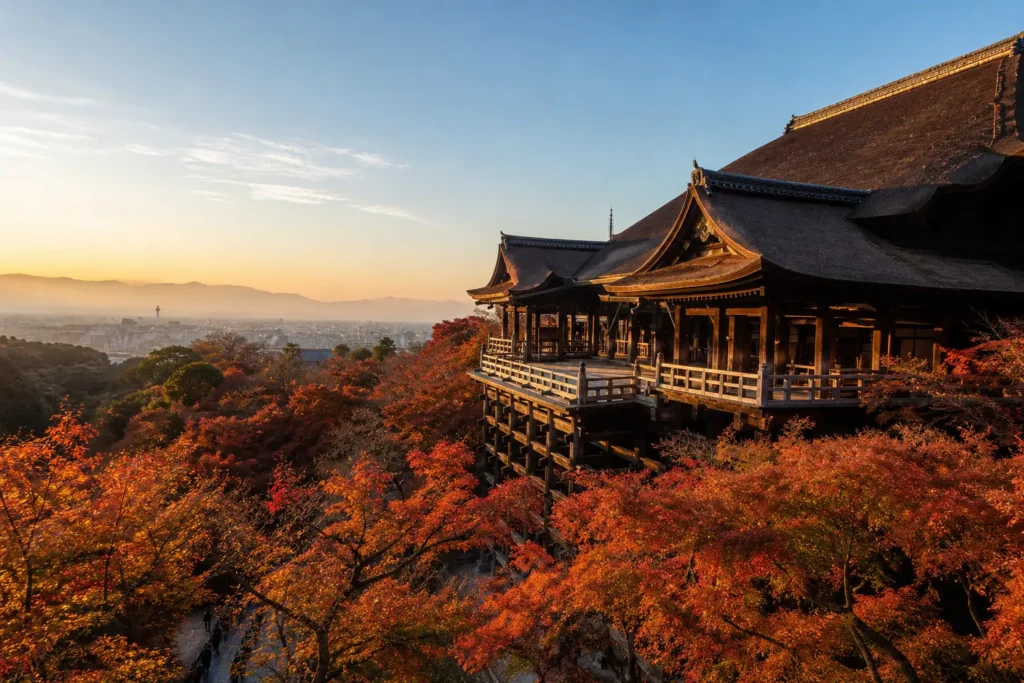
At 6:40am, the streets around Higashiyama are still quiet enough to hear your own footsteps. A delivery scooter passes, a shop owner lifts a shutter, and for about 20 minutes, Kyoto feels like it belongs to the people who live here.
By 9am, that version of the city is gone.
I learned this the hard way on my first visit—arriving at Kiyomizu-dera mid-morning and spending more time navigating crowds than looking at the temple itself. Kyoto isn’t difficult, but it punishes bad timing more than most cities in Japan.
This kyoto travel guide is built to fix that. You’ll understand where to stay, what actually deserves your time, and how to move through the city without wasting half your trip in queues.
Quick Overview
Kyoto was Japan’s capital for over 1,000 years, and it shows in how the city is laid out. Temples aren’t clustered in one area. They’re spread across districts that require planning.
Most first-time visitors underestimate distances.
- Best months: March–May (spring), October–November (autumn)
- Peak congestion: 9am–3pm at major temples
- Ideal stay: 3–4 days
- Base area: Kawaramachi or near Kyoto Station
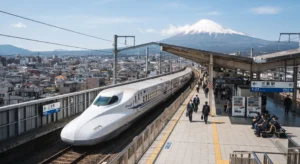
Trains run with near-perfect precision. Buses do not.
Understanding that difference early saves you hours
Top Things to Do
Fushimi Inari (and how to avoid the crowds)
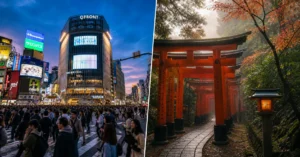
The first 200 meters of Fushimi Inari are crowded enough to feel like a theme park. Keep walking.
By the time you reach the Yotsutsuji intersection (about 45 minutes uphill), the density drops sharply. On my last visit, I counted fewer than 15 people at a viewpoint that looks directly across southern Kyoto.
Go before 7am or after sunset. Anything else is compromise.
Arashiyama Bamboo Grove and what’s nearby
The bamboo grove itself is short—about 10 minutes end to end. That surprises most people.
The better plan: pair it with nearby sites. Walk to Tenryu-ji temple gardens, then cross Togetsukyo Bridge and follow the river path north. That stretch is quieter and more rewarding than the grove itself.
Midday here is crowded. Early morning changes the entire experience.
Gion at night: what’s real and what isn’t
Gion is not a performance zone.
At night, you’ll see people waiting near Hanamikoji Street hoping to spot a geiko or maiko. What you’re actually seeing most of the time are professionals moving quickly between appointments.
Photography rules are strict in certain alleys. Signs are clear—follow them.
If you want a more grounded evening, walk along the Kamo River instead. Locals sit, talk, eat convenience store snacks, and treat it like a daily routine, not a spectacle.
Kiyomizu-dera and Higashiyama streets
Arrive before 8am. This is not optional advice.
By late morning, the slope leading up to the temple becomes shoulder-to-shoulder. Early entry gives you space to actually see the wooden stage and the city beyond it.
On the way down, explore the smaller streets branching off Ninenzaka. Most visitors don’t turn off the main path, which is exactly why you should.
Where to Stay
Kawaramachi & Downtown Kyoto
Best for first-timers.
You’re within walking distance of restaurants, shops, and multiple train lines. I stayed here on my second visit and cut my daily transport time in half.
Gion & Higashiyama
Closer to temples, quieter at night.
But transport is less convenient. Expect more walking or bus reliance.
Kyoto Station Area
Efficient, not atmospheric.
Hotels here are often cheaper (¥7,000–¥12,000 per night, 2025–2026 rates — verify before travel). You’re connected to every major train, including Shinkansen.
Getting Around
Kyoto’s transport system works, but not all parts work equally well.
- Trains: fastest and most reliable
- Subway: limited but useful
- Buses: slow during peak hours
On my first trip, I relied heavily on buses and lost hours in traffic. On later visits, I shifted to trains plus walking and moved twice as efficiently.
IC cards like Suica or ICOCA work across all systems.
JR Pass? For Kyoto alone, it rarely makes sense. You need long-distance travel (like Tokyo–Kyoto round trip) to justify it.
Budget Guide
Kyoto is not a budget destination in the Southeast Asia sense.
- Budget traveler: $70–$100/day
- Mid-range: $120–$200/day
- Accommodation: ¥7,000–¥20,000/night (2025–2026 rates — verify before travel)
- Temple entry: ¥400–¥1,000 per site
Food varies widely.
A simple bowl of ramen costs around ¥800–¥1,200. A sit-down dinner can jump to ¥3,000–¥6,000 quickly.
The honest negative: temple fatigue is real. Paying entry fees for five similar sites in one day adds up—financially and mentally.
Pick fewer. Stay longer at each.
Sample Itinerary
Day 1: Arrival + Downtown Kyoto walk (Kawaramachi, Kamo River)
Day 2: Higashiyama (Kiyomizu-dera early) + Gion evening
Day 3: Fushimi Inari sunrise + Arashiyama afternoon
Day 4: Free day or day trip (Nara or Osaka)
Transport between areas:
- Kyoto Station → Fushimi Inari: JR Nara Line (~5 min)
- Downtown → Arashiyama: Hankyu Line (~20–30 min)
Pro Tips
- Start earlier than you think. Kyoto rewards mornings more than any other city in Japan.
- Convenience stores are reliable for quick meals—don’t ignore them.
- Cash is still useful in smaller shops and temples.
- Avoid weekends if possible. Domestic tourism spikes sharply.
One more thing: silence is part of the experience. Loud conversations stand out quickly.
Frequently Asked Questions About Kyoto Travel Guide
How many days do you need in Kyoto?
3 to 4 days is enough for first-time visitors. This allows you to see major districts without rushing and includes time for one day trip like Nara.
Is Kyoto expensive compared to Tokyo?
Slightly cheaper for food but similar for accommodation. Temple entry fees add an extra cost that Tokyo doesn’t have.
When is the best time to visit Kyoto?
Late March to early April for cherry blossoms, and November for autumn colors. Both periods are crowded, so early mornings matter more than the season itself.
Is Kyoto walkable?
Partially. Districts are walkable internally, but distances between them require trains or buses.
Continue Exploring
- japan travel guide : A complete breakdown of routes, costs, and planning across Japan beyond Kyoto.